



It’s 32 degrees Celsius under the Mediterranean midday sun and I’m staring at the ripped muscles of a bare, bronze male torso. Don’t worry: I’m not objectifying a fellow beachgoer. I’m instead admiring an artwork in the sculpture garden at Fundació Numa, a recently launched cultural space on the Balearic island of Menorca, in the harbour town — and former capital — Ciutadella. This replica of the iconic Belvedere Torso by Dutch artist Caspar Berger isn’t quite what it seems: up close, the dark metallic surface is riddled with casts of the sculptor’s face, appearing like trapped spirits trying to escape their metallic confines. It’s a piece that demands a closer look.
The same could be said for Menorca itself. Only 30 miles long, this island has long been overshadowed by its bigger, better-known Balearic neighbours Ibiza and Mallorca, eschewing their glitzy, Bacchanalian ways for a simpler life of dairy farming, sandal-making and soporific beach tourism.
Behind this languid exterior, though, Menorca is far from being a cultural backwater. In fact, the island (aka Sa Roqueta, or ‘Little Rock’, to the locals) has been quietly establishing itself as a must-visit destination for the creative set. The sort whose travel priorities have shifted from pulling all-nighters at Pacha to perusing galleries, trying their hand at heritage crafts and relaxing in art-decked hideaways.
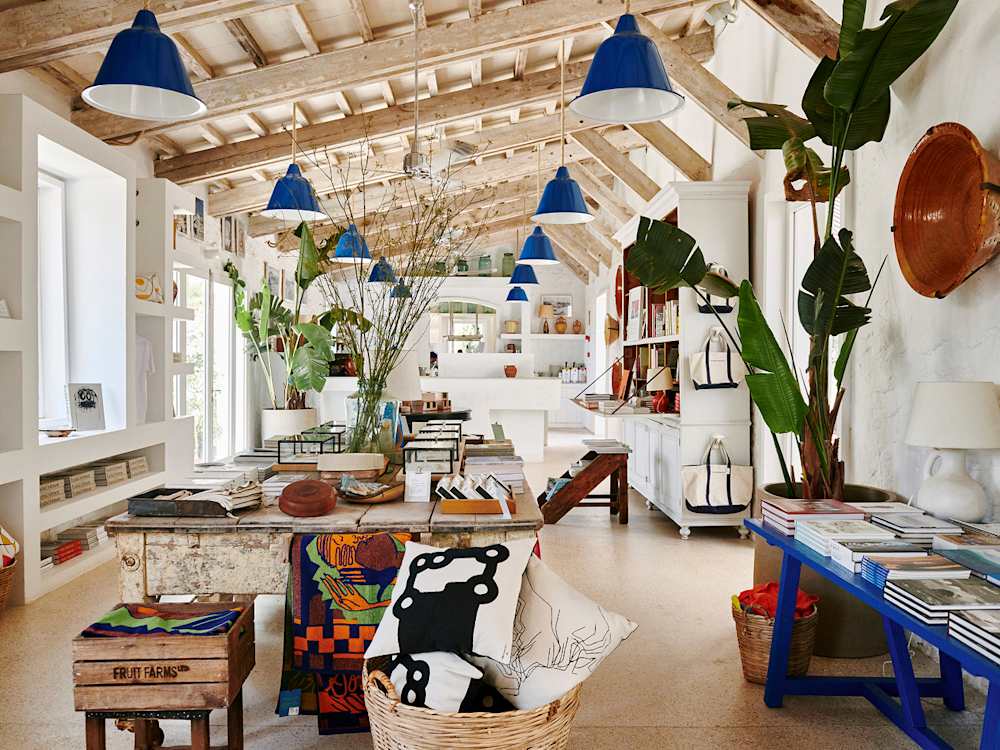
Cantina; photo by Daniel Schäfer
Fundació Numa is the most recent opening to burnish this reputation. But momentum has been building since 2021, when blue-chip Swiss gallerists Hauser & Wirth took over a crumbling 18th-century naval hospital in the harbour of Menorca’s capital, Mahón, turning it into a cutting-edge gallery.
Whip across to Illa del Rei, where the gallery stands, on the dedicated ferry and you’ll spy a Joan Miró bust and Louise Bourgeois’ Spider — highlights of a sculpture trail that runs through resplendent gardens, planned out by Dutch landscape designer Piet Oudolf. Inside, blockbuster solo shows have been dedicated to contemporary art A-listers like Rashid Johnson, Cindy Sherman and — for this year — the Turner Prize-winning, multi-hyphenate ‘punk poet’ Martin Creed.
As for the on-site eatery Cantina, banish thoughts of basic gallery fare; this is a standalone dining destination where meats are chargrilled, the local produce comes to the fore and alfresco lunches linger long into the afternoon. You might enjoy smoked aubergine with sobrasada and walnuts; zingy, farm-fresh salads; or a vat of sticky seafood rice topped with a garlicky dollop of aioli.
Consider Hauser & Wirth the star in Menorca’s new cultural solar system, with numerous, smaller-scale galleries and studios in its orbit. In Mahón, addresses to check out include Tabouret’s showroom of collectible contemporary crafts, and Casa Marguo, where curious collectors browse the artist-in-residence’s latest creations (open by appointment only).
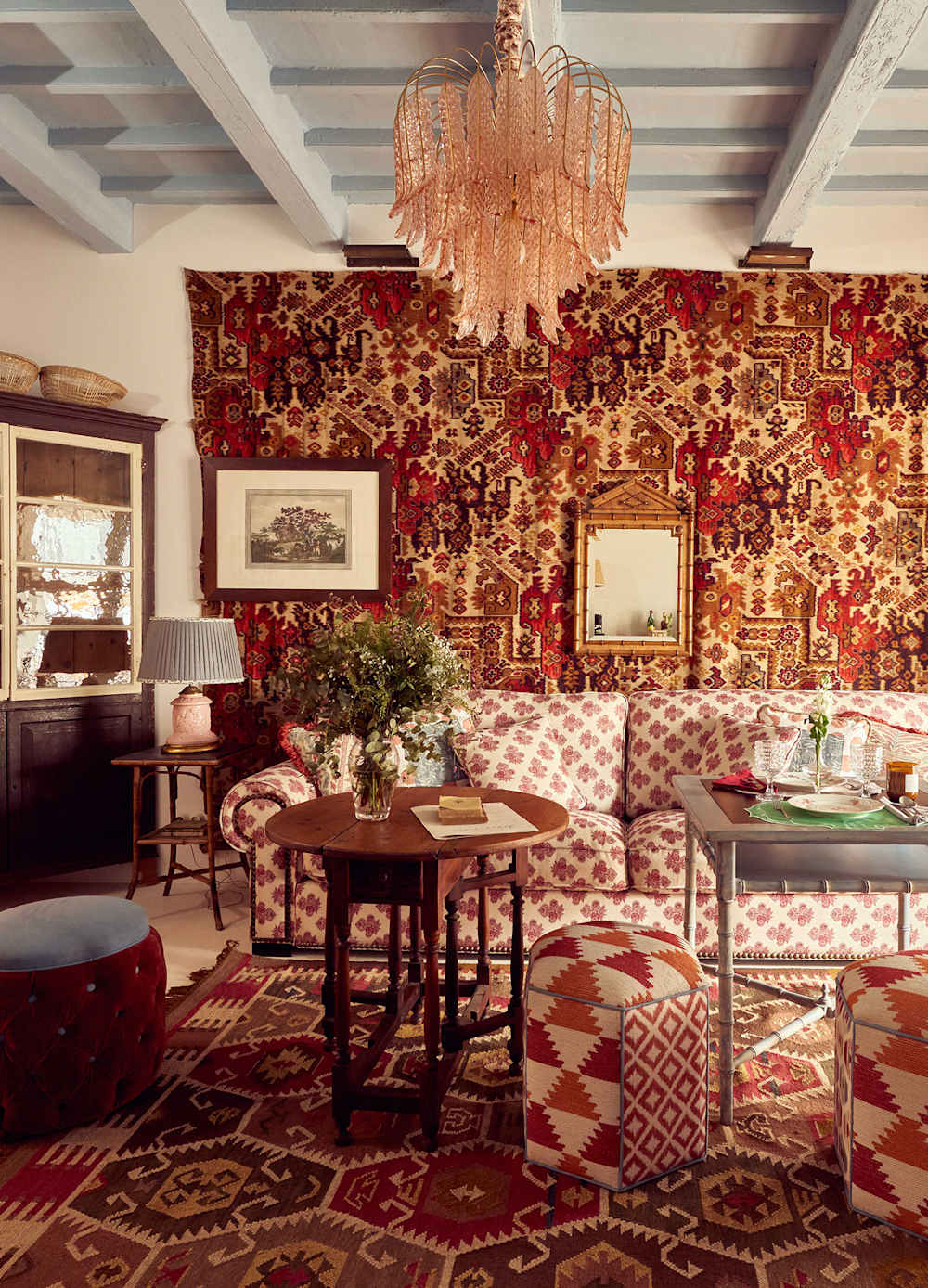
Cristine Bedfor Menorca
Spanish triptych painter Mario Antón has transformed one of the city’s former shoe factories into his Architectural Digest-featured home, but anyone who lacks their own Balearic bolthole can cheat for the weekend by checking into Cristine Bedfor, a cluster of heritage townhouses with a mi casa es su casa mentality to match its chic flea-market finds and maximalist prints.
Over on the west coast, Ciutadella’s pedestrianised, cobblestone laneways are similarly lined with artisanal boutiques and exhibition spaces, especially along Carrer des Seminari. ‘The afterglow effect of Hauser & Wirth has been huge,’ says Bettina Calderazzo, the Australian-Italian owner of Etesian Gallery. ‘We’ve seen a huge change in this time. The shops, the restaurants… everything’s a little fancier, more aesthetic.’
Together with her husband, jewellery designer Matt Weston, Calderazzo swapped London for Menorca four years ago. Their vaulted, subterranean exhibition space, carved from marés, the local rose-gold sandstone, feels perfectly grounded in Menorcan heritage — a far cry from the clinical white-cube galleries of, say, Miami or LA.
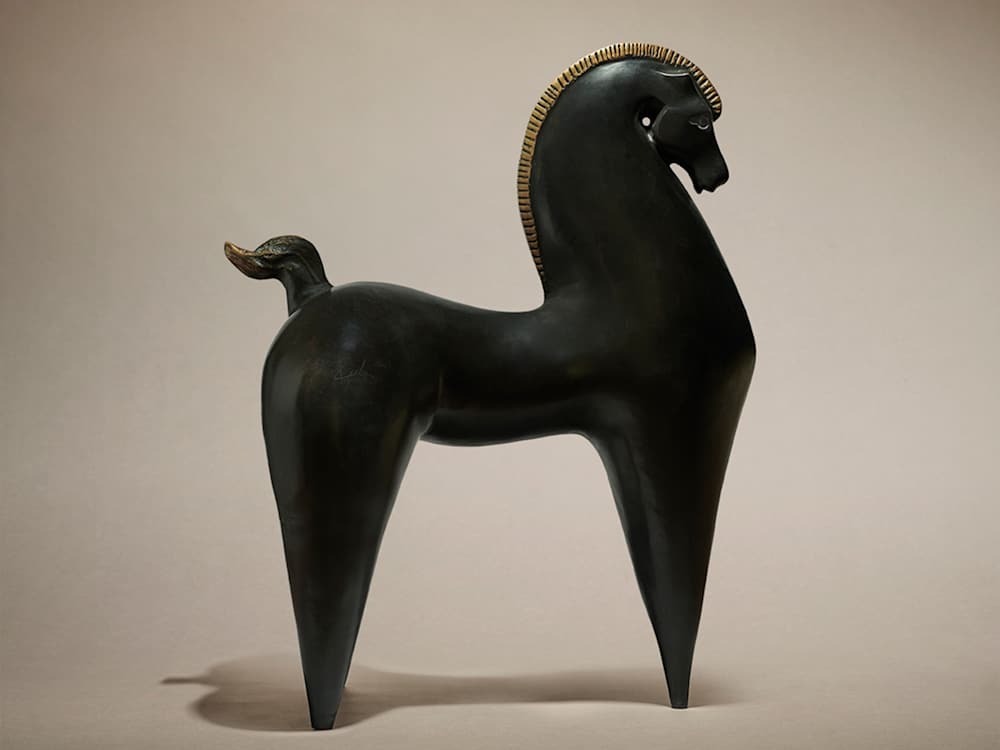
Pedrin Gallery
A few doors down, you’ll find Spanish sculptor Pedro Rodríguez’s Pedrin Gallery, displaying his signature bulls and Etruscan horses in richly patinated bronze; and the light, airy jewellery atelier, Aglaya, where designer Sonia Pibernat teases gold and silver bands into wearable artworks inspired by dancers. Originally from Barcelona, she too relocated to the island in favour of its slower pace and craftsman community. ‘Menorca still has more artisans than chains, which is unusual these days,’ she explains.
Not confined to these two main cities, Menorca’s artistic awakening is an island-wide affair. LÔAC – Alaior Art Contemporani launched the same year as Hauser & Wirth, with far less fanfare, in an even less likely location: the inland village of Alaior. Indeed, it’s in the rural hinterland, strewn with prehistoric Talayotic ruins, and Mediterranean-lapped limestone coves, where many visiting creatives are seeking inspiration and solitude. Artist retreats and residences operating out of traditional farmhouses, or fincas, encourage them to do so, especially during the island’s windswept wintertime.
Another way that storied estates are finding a fresh lease of life is by becoming design-forward boutique hotels, catering to Menorca’s growing crop of aesthete, gallery-going travellers. Possibly the fairest of these new-wave stays is Vestige Son Vell. An 18th-century manor house of luminous marés sandstone, which presides over olive groves, rose gardens and working farmland, yet sits just a 20-minute drive from Ciutadella’s galleries. Tapping into this scene, a recent collaboration with Numa brought Japanese artist Hiroshi Kitamura’s delicate, spiralling wood sculptures and cryptic ink paintings to Son Vell and its sister hotel Vestige Son Ermità.
Interiors are a masterclass in affluent earthiness, with guest rooms decked in touchable natural textures (linen drapes, reclaimed terracotta tiles) and antique objets d’art sourced by its Spanish-family owners. Their restoration was so meticulous that it extended to tracking down one of a few local carpenters still able to craft authentic arader gates, made of the island’s rugged olive wood. And with the formula now down to a tee, Vestige is continuing to roll out its finca renovations — most recently at Binidufà, an 11-room hideaway nestled in a river valley.
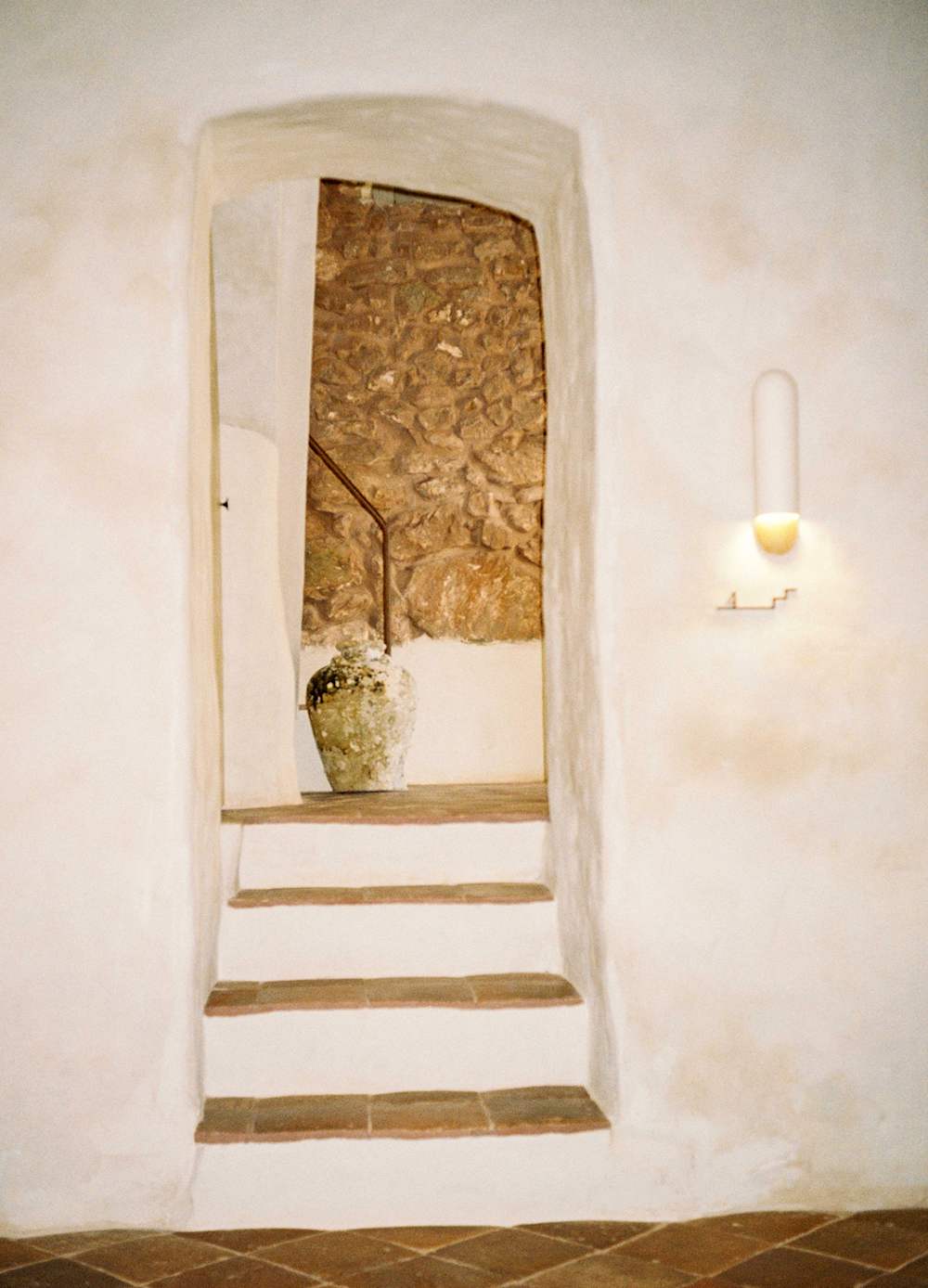
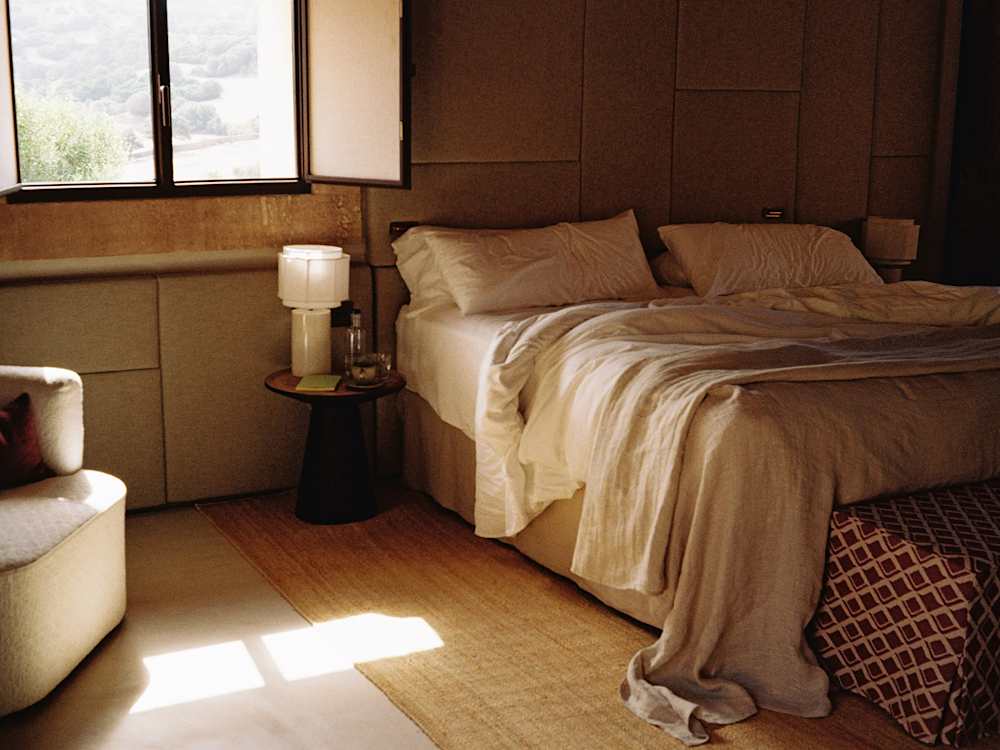
Vestige Binidufà
It is, I’m told, ‘very Menorcan’ to spend one’s wealth doing up dilapidated heritage buildings rather than splurging on super-yachts and flashy waterfront developments (the latter is outlawed, as part of the island’s Unesco Biosphere Reserve status). Menorca was ahead of the curve when it came to sustainable tourism, and rather than allowing its coast to be colonised by high-rise resorts and promenades, its government instead restored the Camí de Cavalls, an ancient 115-mile trail encircling the entire island. There’s little appetite for the kind of party scenes you’d find along the Costa del Sol or the bigger Balearics.
‘Menorca is about beauty without excess,’ declares Paris-born entrepreneur Laurent Morel-Ruymen when we meet in the courtyard of his boutique hotel Faustino Gran palacios in Ciutadella. Coming straight from a day on the hotel’s sailboat The Heloise (one of three vessels used for guest excursions), a sun-burnished and ebullient Morel-Ruymen hands the chef a whole, freshly caught sea-bass for our supper.
Alongside Château Pétrus scion Jean-François Moueix and Frédéric Biousse, former CEO of fashion label Sandro, he is part the Continental stealth-wealth set who have migrated to Menorca over the past decade. ‘In many ways, this island feels like an authentic corner of the Mediterranean untouched by time — dry-stone walls, olive trees and the ever-present sea,’ he tells me. ‘That’s precisely what first made me, and many of my compatriots, fall in love with it: the promise of slow living and simple pleasures.’
Could all this be compromised by the arrival of blue-chip art spaces and chi-chi stays, though? ‘There’s still very little pretence here,’ Morel-Ruymen insists. ‘Sure, institutions like Hauser & Wirth have put us on the map, but everyone’s been careful to take a softly, softly approach. It’s a far cry from mass tourism. Our architecture and landscapes remain on a human scale.’
The backdrop to our meal backs up his words: a marina that’s too small for super-yachts and a skyline where the cathedral still reaches higher into the starry sky than any other structure. ‘We found the promised land,’ he declares. As the platter of sea-bass arrives, simply grilled with lemon and rosemary, and a bottle of Binafidet, a Menorcan rosé, is uncorked, I think he may well be right.
What to know before you go to Menorca
How to get to Menorca: EasyJet and British Airways operate direct flights from the UK to Menorca, taking around two and a half hours. Additional seasonal summer routes are offered by Ryanair, Jet2 and TUI.
How long to spend in Menorca: A weekend would be enough to cover the main sights in either of its dinky cities, Ciutadella and Mahón, but it’s far better to spend a week on the island to soak up some countryside and coastal serenity alongside that Old Town culture-vulturing.
Best time to go: May or October, for balmy weather without the crowds.
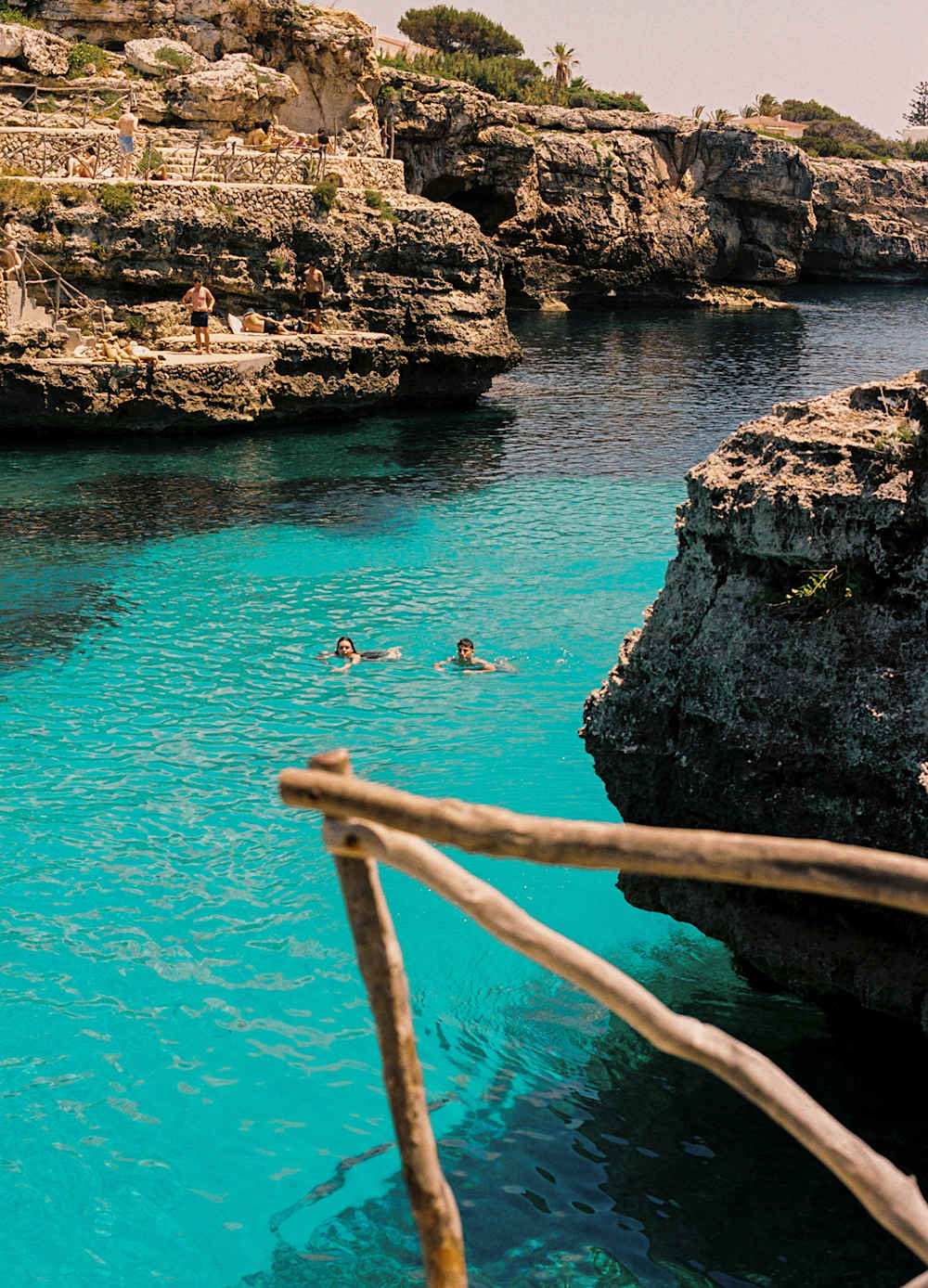
Known for: Hidden coves (calas) lapped with turquoise water, Bronze Age ruins, the cyclist- and equestrian-approved Camí de Cavalls coastal trail, and being a Unesco Biosphere Reserve.
Transport tips: An air-conditioned bus service connects Mahón and Ciutadella, but otherwise public transport is limited, so a hire car is highly recommended for reaching beaches and rural retreats. Luckily, the roads make for easy, stress-free driving, and it only takes about 45 minutes to get from one end of the island to the other.
Check out more Menorca hotels with artistic allure, or spend 48 hours in Palma de Mallorca
Header image by Daniel Schäfer, courtesy of Hauser + Wirth