


Sun-dappled avenues of plane trees herald us as we make our way from Avignon into the heart of Provence. Olive groves and vineyards flank the roadside as Mont Ventoux rises on the horizon, and the Alpilles range guards the south. It is early summer and the South of France is at its most seductive.
I’m on my way to a birthday celebration. Our home for the next glorious few days is Domaine de Fontenille. Here, in high summer, cicada song hangs thick in the air, and autumn brings longed-for coolness and golden light. Arrive in any season and you’ll be bewitched as doors fling wide to fountains and rolling lawns.
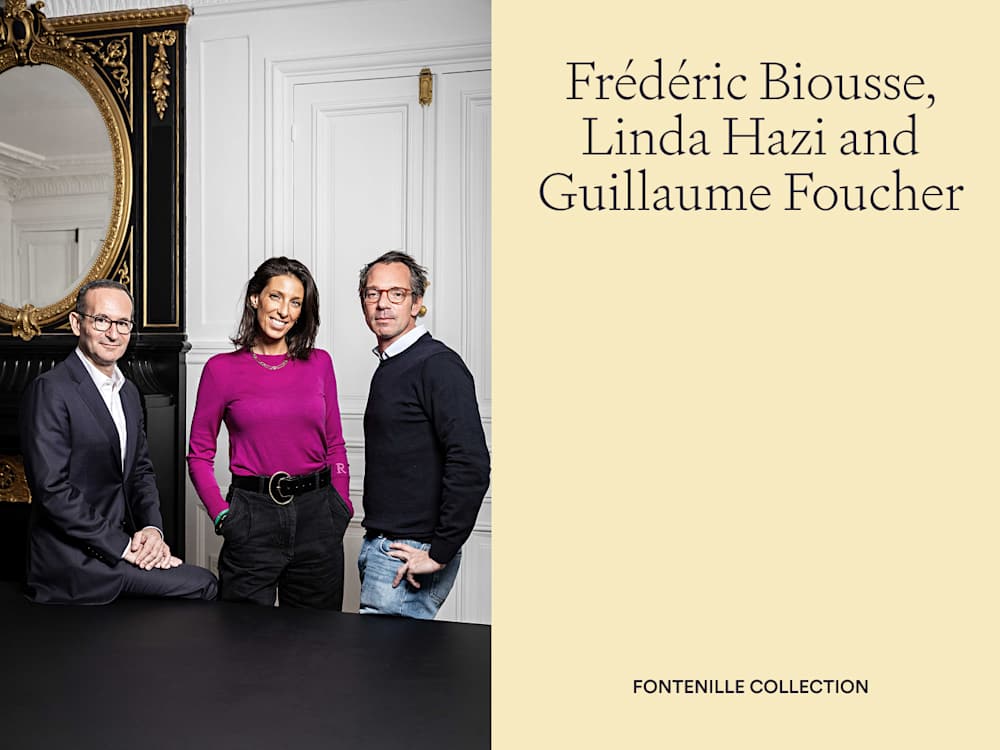
We’re here to celebrate 10 years of the Domaine. This founding residence has become the anchor of the Fontenille Collection, an expanding portfolio of 14 boutique hotels across France and beyond, stretching from the Basque Coast to Brittany, from Tuscany to Menorca, with Château de Cîteaux opening in Burgundy this July. A townhouse address in Aix-en-Provence and an Alpine retreat in Chamonix are set to welcome guests from 2027.
I sit down with Frédéric Biousse, Fontenille’s co-founder and the man who scaled French fashion group SMCP — home to Sandro, Maje and Claudie Pierlot — to global success. We are on the terrace beneath plane trees that have stood here for two centuries, and he is sharing how he came to find this Provençal bastide and vineyard, having visited 40 properties before settling on a shortlist of 10. He put what became Domaine de Fontenille at number five and said nothing to his co-founder Guillaume Foucher. When he later brought Foucher to see them, he knew it would be Fontenille he would want, and he was right. ‘It’s the soul of discreet Provence,’ says Biousse.
Incredibly, before work began on the property, the two moved in when it was just as they had first found it — dilapidated, crumbling. ‘When you live 15 days in a place in summer, you know exactly where you want to take your glass of wine at seven in the evening,’ says Biousse. The larger hotel groups, he observes, may try to produce perfection: ‘Often, there is no emotion. You cannot buy emotion.’ In romance as in hotels, ‘It’s the imperfection that you fall in love with. If someone is too smooth, too perfect, it’s wonderful; but after a while you get bored.’ They have succeeded, he adds, in growing while keeping that DNA intact, and that is due to their insistence on authenticity and personal involvement. ‘We haven’t given in to the easy path. We haven’t compromised.’
The following morning, Chef Olivier Scola and maraîchère (resident grower) Anne-Gaëlle lead us through Le Grand Potager, the kitchen garden. It’s an education in the typically Fontenille approach to the table. Up to 30 per cent of what reaches the plate begins here, in this soil. Mike and Biquette, the resident sheep, keep the weeds in check.
I walk back through the lavender beds to the main house, where I find Foucher in the grand salon, surrounded by the objects he has spent a decade curating: chandeliers, books, art, furniture. An art historian trained at the École du Louvre, he approaches the creation of each property as an act of intellectual archaeology. He describes his restoration method as being inspired by Eugène Viollet-le-Duc, the 19th-century architect who completed Notre-Dame and the city of Carcassonne, according to what they should have been, not merely what remained. ‘It’s an intellectual recreation of what the house was in a more distant time,’ Foucher says. But the true measure of the group’s success is more emotional. ‘Seeing this terrace full of people, children laughing. These were abandoned houses, and to see life come back into them… that is what I wanted to achieve.’
Foucher’s investment in each property is not merely curatorial. Planting 300 palm trees on the terrace of Santa Ponsa Fontenille Menorca earned him a herniated disc. ‘I don’t think there is a single artwork across the collection that I haven’t hung myself,’ he says. ‘I have an extremely physical relationship with the hotels. They are the extension of my own hand.’ His quality check when he visits a property is equally exacting: ‘Just as in your own home, you can tell if there’s dust by looking at a small object; I do that in every hotel. I look at two or three things, and I know immediately whether the dusting has been done.’ Invariably, of course, it has.
The group works with local artisans, and Judith Philibert is among the finest. Her ceramic plates appear on the tables, and an afternoon spent in her atelier, with my hands in clay and the Luberon vines visible through the window, is both absorbing and grounding.
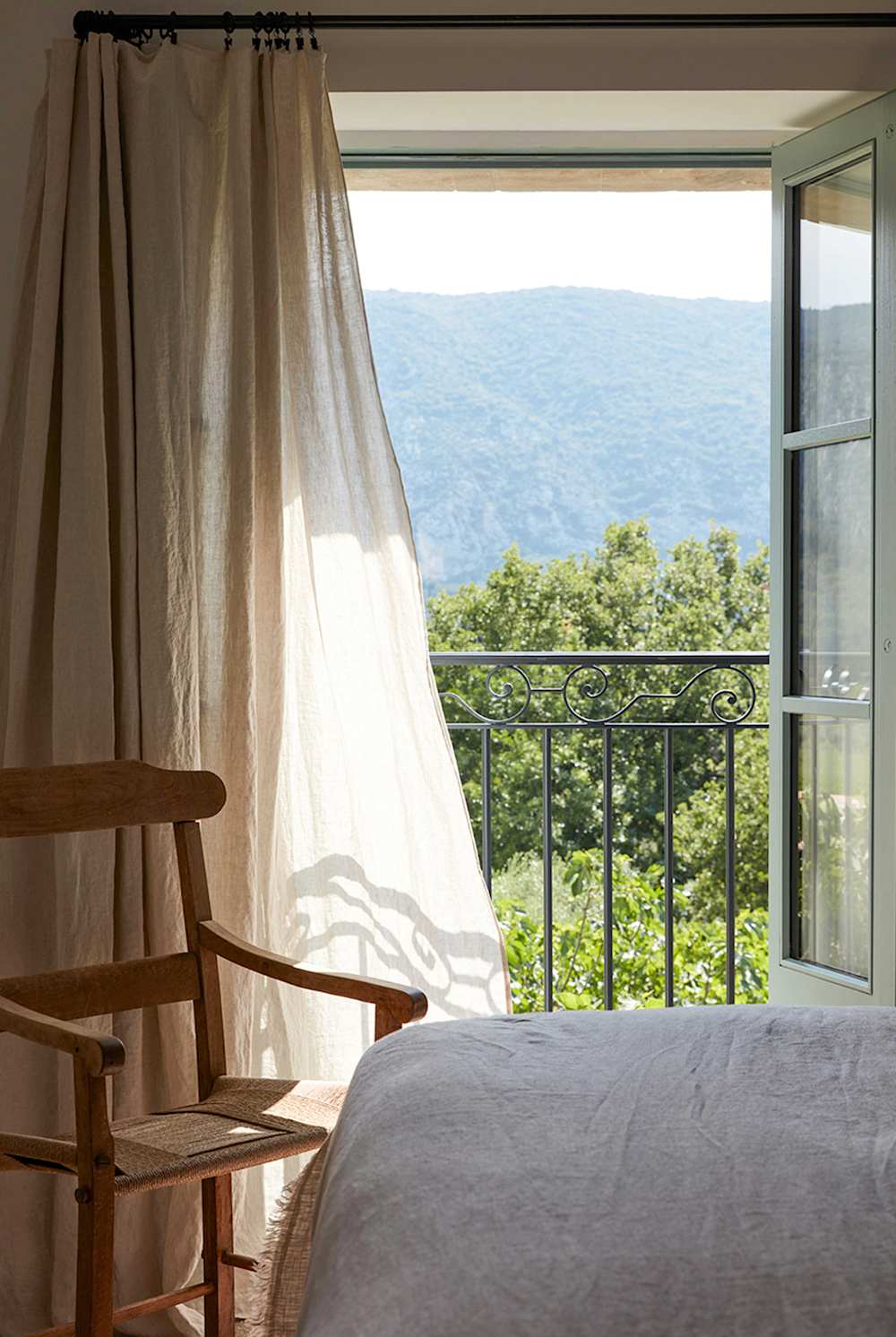
Back at the Domaine, I meet CEO Linda Hazi on the upper terrace. Before joining Fontenille in 2022, she was commercial director of beauty juggernaut Sephora. What is she most proud of at the Fontenille Collection? ‘You can have the eye to find a beautiful house,’ she says. ‘But if you don’t have the team to bring it to life, to bring human warmth, it counts for nothing.’
I ask Hazi what she hopes guests carry with them after check-out. ‘I’d love for them to leave feeling significantly better than when they arrived. That the stay has done them good, for whatever reason. That’s what we’re trying to do. Right now, I think looking after people is genuinely important.’
She tells me about Gérard, the gardener at Domaine de Primard hotel, located an hour outside of Paris. He likes to say to anyone who arrives, staff and guests alike: ‘Lift your head. Look around you. Realise how lucky you are to be surrounded by nature and beauty.’ That evening we do just that over dinner in the roseraie (rose garden), beneath the stars, with fire-cooked cuisine and homegrown wines.
The following morning, I find myself, a little unwillingly, on horseback. My steed is named Beauvier, and he is considerably more experienced at this than I am. We trot along ochre paths into the garrigue shrubland, the Luberon massif rising above. Although I am keenly focused on not falling off, I will attest to this being an immersive way to experience the landscape.
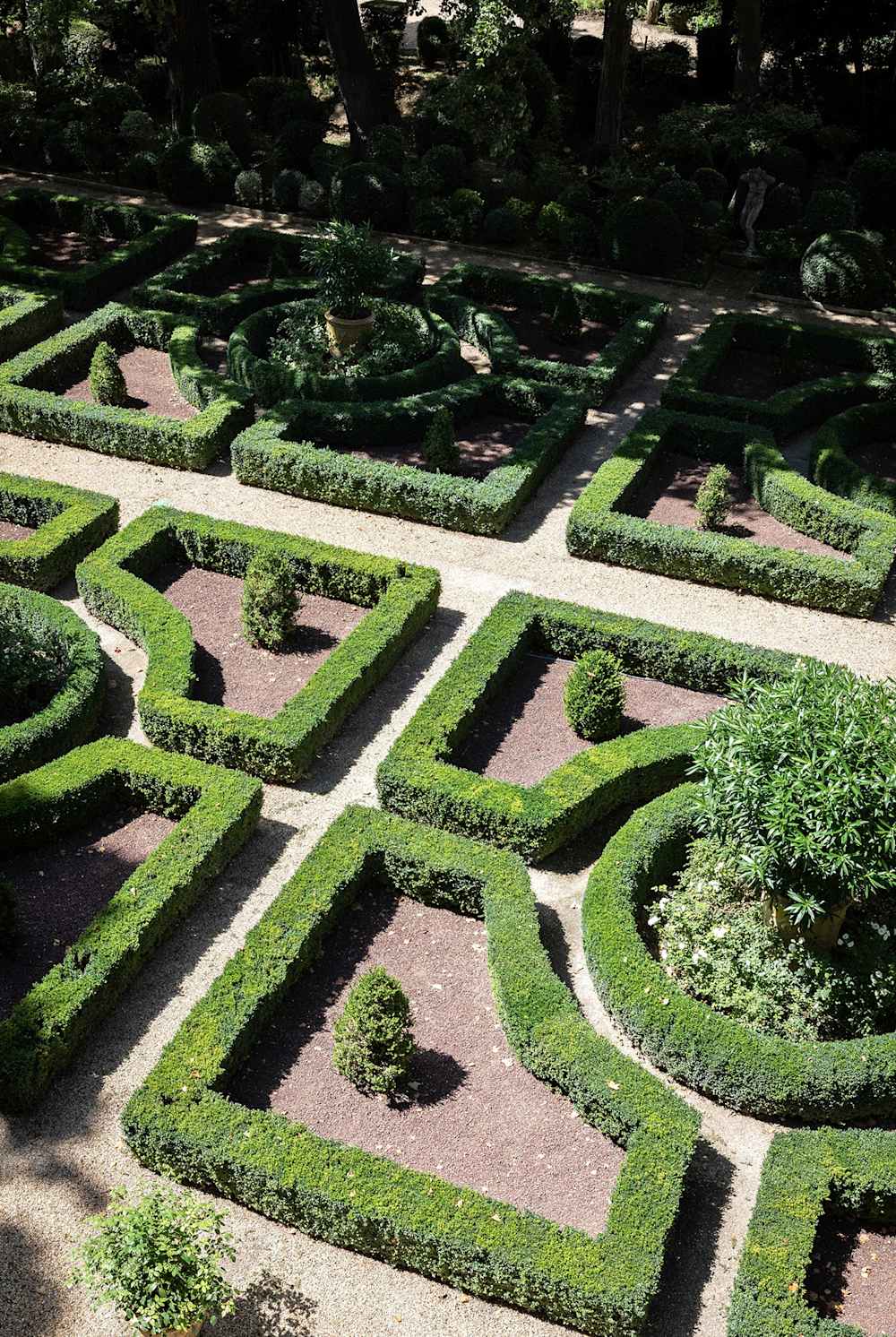
Out of the saddle and with my feet back on the ground, the director of wine Antoine Paques guides us into the vines, his enthusiasm for oenology infectious. Domaine de Fontenille is first and foremost all about wine. The estate produces 300,000 bottles a year. The night harvest (vendanges nocturnes) happens here as the temperature drops 15 degrees between day and night in the Luberon microclimate. A tasting is carried out among the olive groves, then there’s a workshop that offers fascinating insights into the alchemy of blending. We try balancing tannins and aromas to create something entirely unique, and — if we’ve been good students — perhaps drinkable. At the end, our names are printed on the label. Cuvée McVeigh is not something I ever expected to see, but it does have a certain ring to it.
Before departing, I have a final question for the trio. Their business is finding unique places to share with guests. So, how do you know when you are somewhere special?
Hazi answers: ‘When nature takes over.’
Foucher: ‘When you stop without thinking because you’re drawn in by all that is around you.’
Biousse: ‘When you feel good in yourself.’
As I leave Domaine de Fontenille, I can confirm it meets all the criteria. Mission accomplie.
Explore all the hotels in the Fontenille Collection, or see more of the South of France on a road-trip