


The taco, as Pulitzer Prize-winning food journalist Jonathan Gold saw it, is less a dish than a gesture: a continuous motion from grill to hand to mouth, finished almost before it begins. He was speaking about his native Los Angeles, where taco-ing is part of the city’s furniture, but the thought applies even more fittingly to Mexico City, where every resident is within walking distance of a taquería. But while soulful, life-affirming tacos are innumerable in CDMX, stopping at tacos would be failing short of the masa universe the city is home to.
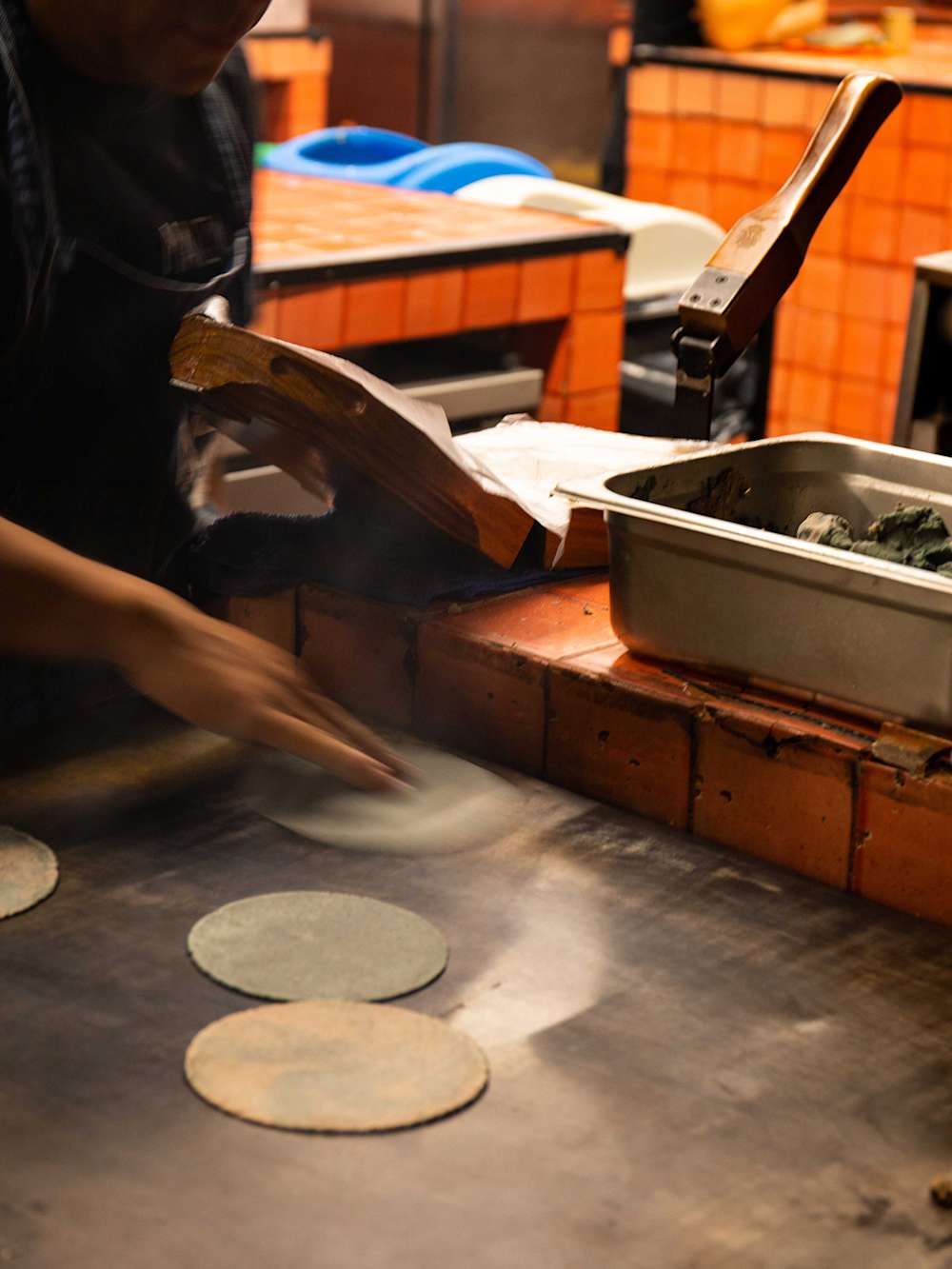
‘In our gastronomy, at every level from homes to fine dining to the street,’ says Jorge Vallejo, chef of two-Michelin-starred Quintonil, ‘you can find products made with masa: tortillas, tamales, gorditas.’ For Vallejo, masa is a kind of first principle of Mexican cuisine, because ‘a huge range of different preparations that come from one single ingredient’.
Tacos may be one variant — with tortillas as their base — but Vallejo suggests that even this needs rethinking. ‘Eating tortillas is not necessarily related to eating tacos,’ he says. ‘It’s like you eat bread, but not necessarily a sandwich.’ At Quintonil, we want people to understand that if I give you a tortilla, you don’t necessarily need to make a taco. You can just roll it and dip it into a salsa.’
One of the most common ways this is done is with guisados, a word that roughly translates to ‘preparations’ or ‘stews’. They are often saucy, but sometimes dry. It could mean eating your tortillas with a mole con puerco (pork in mole sauce), grilled prawns, or beef braised with tomato, red bell-peppers and onion.
‘Even within the taco category, the diversity is crazy,’ Vallejo adds, pointing to the ‘thousands and thousands of different varieties. From the ones you eat in the morning, to lunchtime, to dinner.’
For Vallejo, this means the first question you need to ask is not where the good tacos are, but which are you looking for. ‘Sometimes people ask me, “Where’s your favourite taquería?” And I always say, well, you tell me what kind of taco you’re talking about,’ he explains. ‘If you want the best al pastor, first of all, you need to go late — 9pm at least. And I always say my favourite, not the best, because in Mexico there are hundreds of different neighbourhoods, and in every neighbourhood people have their own favourites.’
Traditional taquerías have been commonplace in the city for generations, but in recent years, there has been a wave of neo-taquerías determined to rethink the fundamentals of the taco. Jesús Salas Tornés, of Mexico City’s celebrated Expendio de Maíz, has been instrumental in this, guided by an ethos: ‘I’m obsessed with Mexico, and I’m obsessed with corn. I believe that corn is an ingredient that is a right for the people in Mexico to have,’ he adds, having begun Expendo di Maiz as a place to sell masa across the city. Vallejo says that the central focus on masa is spreading. ‘That’s where everything comes from,’ he explains. ‘The most important thing is not what’s on top of the tortilla — it’s the corn itself. That for me is the quintessential way of eating in Mexico.’
Masa has also become the foundation of many fine-dining restaurants in the city, such as Em, where eating with your hands is suggested in nearly every course. ‘The culture of the taco isn’t something we need to adapt to fine dining, it’s something fine dining needs to respect,’ says head chef Lucho Martínez. ‘Eating with our hands is part of our DNA. It’s our memory, our intimacy, our identity. If we deny that in a tasting menu, it would distance ourselves from our country and from who we are.’
Vallejo agrees: ‘We have to let our guests know: this is the corn, this is our technique, it comes from this producer, we make it fresh every day. If they can feel all of that effort in the bite, it’s amazing.’ As a result, the gap between street tacos and tasting menus has steadily narrowed. As Martinez puts it: ‘That’s where the new narrative for Mexican fine dining truly begins.’
The definitive ‘how to taco’ guide in Roma…
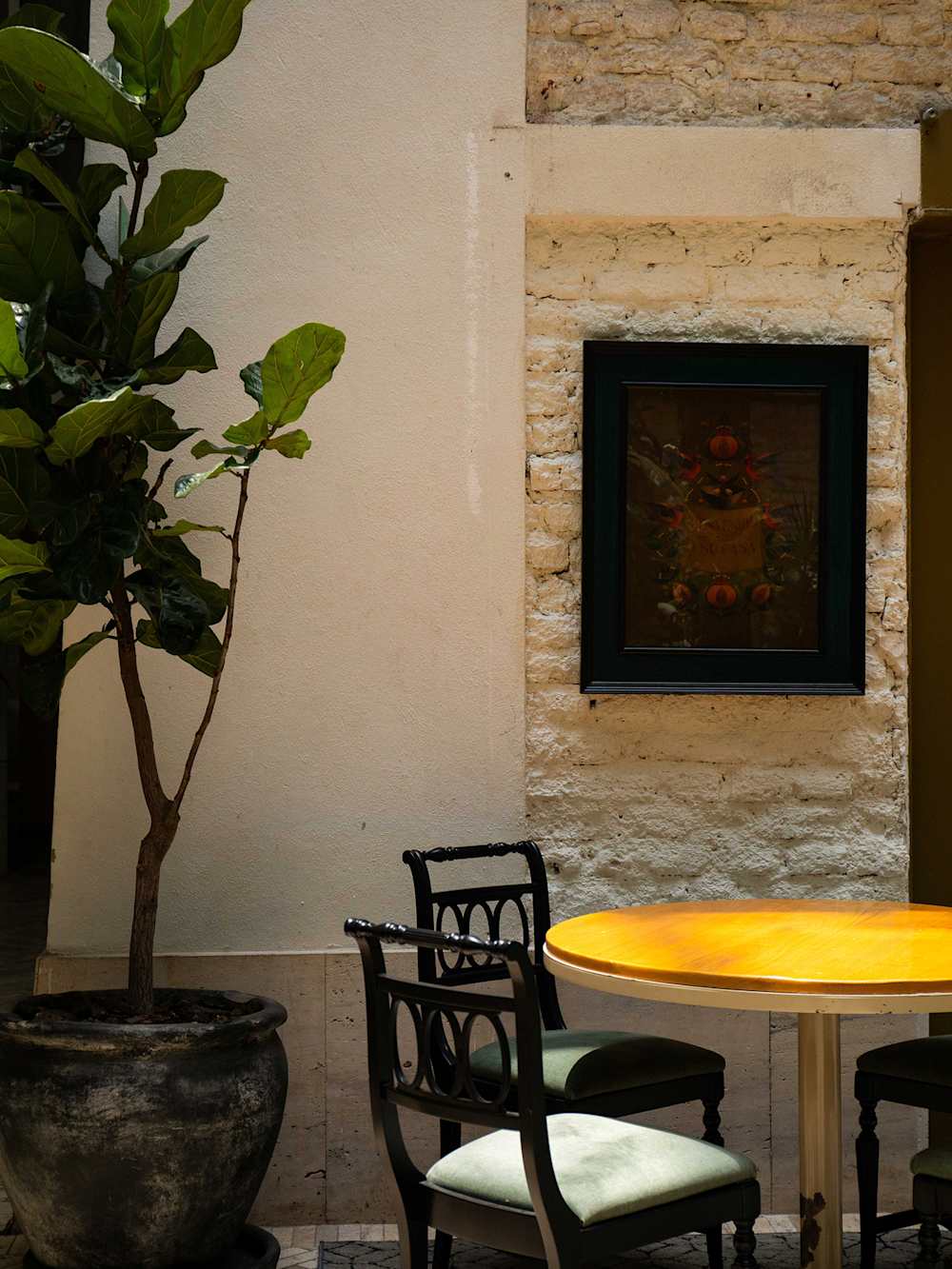
Lively and artistic Roma — Mexico City’s bohemian neighbourhood — offers an abundance of ways to explore tortillas and tacos. In the light-filled conservatory of Casona Roma Norte hotel, you can begin the day with a corn tortilla, fried crisp and served with your choice of salsa verde or roja, alongside ranch cream, red onion, avocado and cotija cheese. Or opt for flour tortillas dipped in egg and cooked with machaca (shredded dried beef sautéed with more eggs).
Setting off on foot from the hotel’s elegant, salmon-hued façade, there are other breakfast options to explore — or brunch, if you’ve been swept in by the neighbourhood’s vibrant nightlife and had a late one (the hotel’s own cocktail bar Akamba celebrates agave spirits and is open till the early morning). Try Taquería El Jorocho, around 15 minutes away on foot, and the ultimate way to experience breakfast guisados — such as vibrant pork in green mole or stewed beef tongue.
The essential lunch reservation in Mexico City is for Contramar, the ideal local-approved spot for long, unhurried meals, with its blue mural and waistcoat-clad staff ferrying trays of pristine seafood to the stylish crowd. It’s just a few blocks from Casona; to reach it, stroll along the tree-lined stretch of Durango Street. It’s hard to go wrong with your order, but the signature is the butterflied fish, split between red and green sauces, served with warm corn tortillas. Save room, too, for the spectacular dessert trolley — the highlight is the strawberry-meringue cake. But really, it’s about the tostadas. Raw seafood on crisp tortillas is one of the great pleasures of Mexican cooking — a bright, refreshing, saline contrast to headier, meaty tacos. A basket of them will arrive to accompany the day’s ceviches, but the tuna tostada shouldn’t be missed. It’s deceptively simple, with a clarity and balance that makes it one of the city’s essential bites.
Book well ahead, and if you miss the boat, fear not, as Roma is home to multiple top marisquerias. Try Ultramarinos Demar (order the soft-shell-crab taco here) and Mi Compa Chava, which has a no-reservations policy, and is worth waiting in the queue for.
Also a 15-minute walk away is Expendio di Maiz, which is as low-key as Michelin-starred restaurants go. You sit at a communal bench, order some artisanal beer or mezcal, and let the team bring you masa-based dishes until you tell them to stop, as Chef Tornés explains their ancestral origins. Few places drop you deeper into masa and tortillas — from warm huaraches topped with braised meat, avocado, cherry tomatoes and queso blanco, to sun-dried pork on blue-corn sopes.
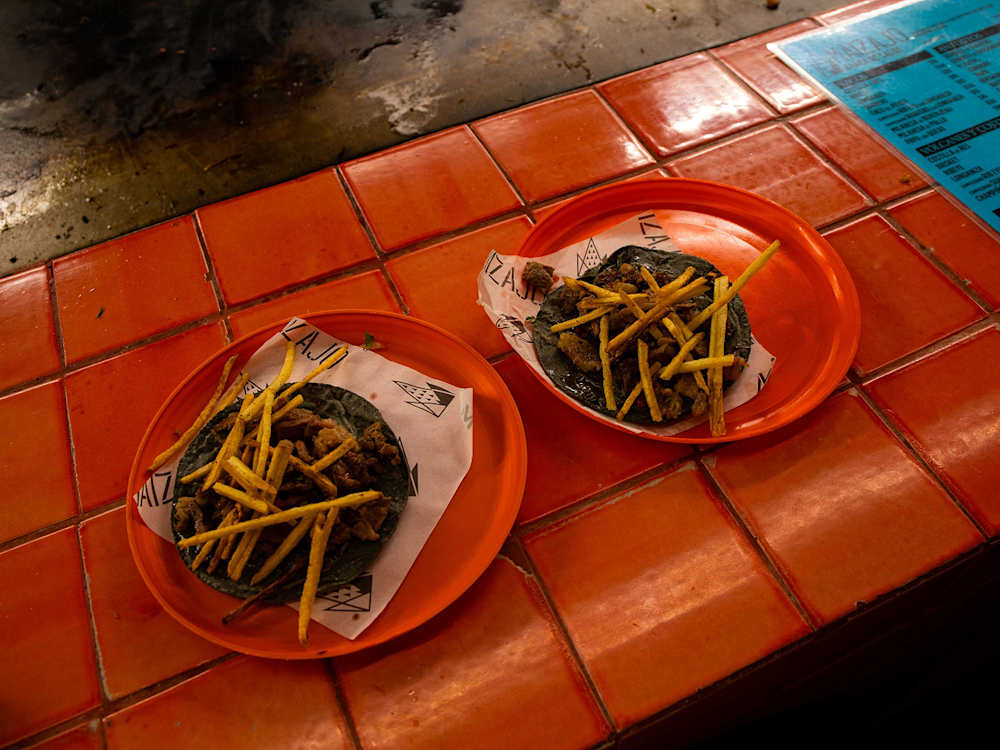
Dinner options in the area are plentiful. You can head to El Compita for a low-key feast of beef birria tacos and consommé, or Esquina Común for a creative tasting menu featuring a more maximalist tuna tostada — the tuna chopped tartare-style instead of thinly sliced, and served with potato, chile güero, mushroom, chile-verde mayo and roasted corn. For another masa-focused meal, try Maizajo, which serves luxurious tacos with guava mole and foie gras; or dine in a more understated fashion, perching in the taquería downstairs with a campechano taco of chorizo and grilled beef (a hint of fruity but fiery habanero on this one is advised), and must-order flautas (that’s stuffed, rolled tacos) with fried shrimp.
If you’re looking for an unforgettable Roma dinner with flawless service, Em, a 10-minute walk from Casona Roma Norte, ought not to be missed. The menu focuses on the flavours of Veracruz (where head chef Martinez is from). Tributes to the depth of corn come in dishes like flash-fried purple gordita (made from blue corn) with sour cream, fresh cheese and caviar; minilla (shredded fish) and avocado tostada; and later, a tempura-shrimp taco — all enhanced by eating with your hands.
…and how to taco in Polanco
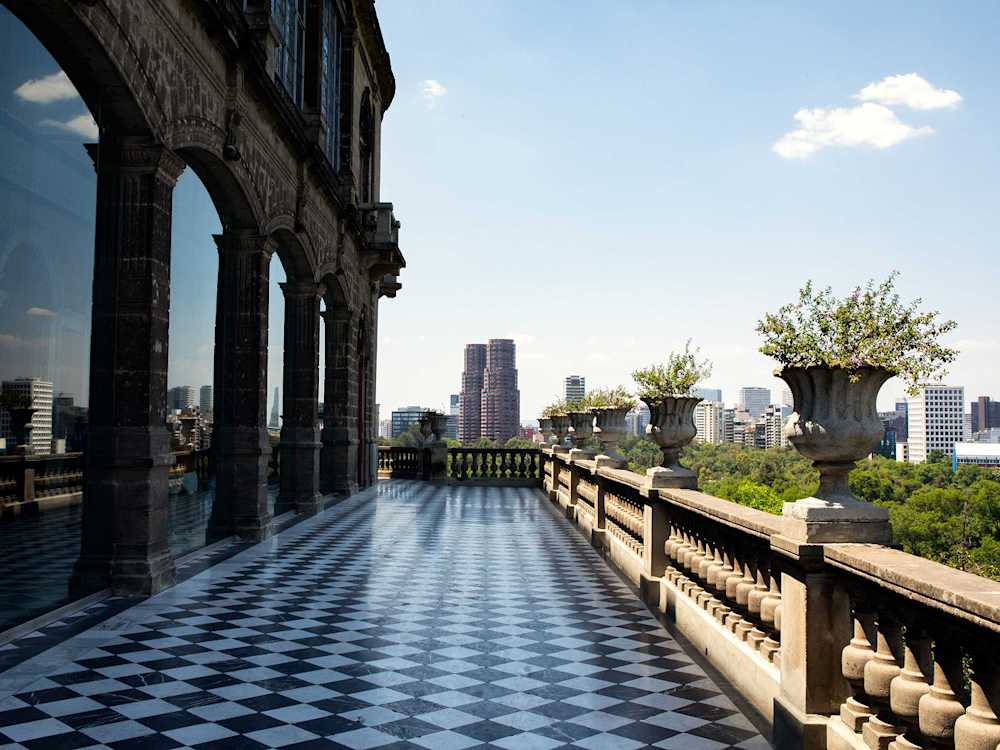
Campos Polanco hotel immerses you in Mexican culture. You can order cochinita pibil sandwiches and tamales throughout the day, and every evening you can drink artisanal mezcal on the terrace, paired with a snack. Have breakfast here and order the daily changing special, which could be an enchilada (rolled corn tortillas filled with soft Mexican cheese) covered with a fruity, hot, sangria-hued salsa made from hibiscus, rippled with sour cream.
Another option for breakfast is timeless institution El Cardenal (also open for brunch and lunch), a 15-minute walk away in Lomas. After diving into a crusty bolillo roll filled with nata (Mexico’s answer to clotted cream), the trick is to go for tacos y guisados: plates of pancita (tripe), lamb-shoulder barbacoa, and omelette with escamoles (ant larvae), all scooped up with tortillas.
Lunch at Quintonil is a no-brainer. Voted number three in The World’s 50 Best Restaurants 2025, CDMX’s most-accomplished restaurant hums and ticks with rare confidence; it’s the perfect place for a long, leisurely lunch. Masa appears throughout the menu, in iconic dishes like the crab and pipian verde topped with gossamer-thin shards of blue-corn tostadas, and the pork tamal with young-corn cream. Tortillas are served with the final savoury course, in an invitation to adopt the Mexican way of eating.
More food will probably be the last thing on your mind after such a feast, but note that Contramar has a sister in Polanco: Entremar. And La Bonvi is an excellent contemporary taquería where you can eat as much or as little as you want. Stand-outs include the campechano, which features grilled beef, chorizo and chicharrón, and the ‘NY Chairman’s Reserve’, with thin-cut Black Angus beef, best ordered with plancha-melted queso. And if you find yourself returning from a late night in Roma, Selene (en route to Polanco) is the ideal final stop — for al pastor tacos, thinly carved spiced pork shaved straight from the trompo (rotisserie), at whatever hour you happen to need them.
What to know before you go to CDMX
How to get to Mexico City: Aeropuerto Internacional Benito Juárez (MEX) is the main hub, with direct flights from London on British Airways and Aeroméxico, and connections from across the US, Europe and Latin America.
How long to spend in Mexico City: Four days is enough to cover the essentials — the historic centre, the Museo Frida Kahlo, the Museo Nacional de Antropología — but a week gives you room to explore neighbourhoods like Roma, Condesa and Polanco at a proper pace.
Best time to go: October to April is the most comfortable, with clear skies and mild temperatures — and the best weather is from late February to April, when jacaranda trees line the streets in purple. The rainy season runs June to October, with afternoon showers that are usually brief but can be heavy.
Known for: One of the world’s great food cities; world-class museums; a thriving bar and nightlife scene; lucha libre; and a masa culture that underpins almost everything you’ll eat.
Transport tips: Mexico City is colossal, but its best neighbourhoods are walkable within themselves. The metro is cheap and efficient, and Uber is widely available and inexpensive. Taxis hailed from the street are best avoided. Instead, use an app or ask your hotel to book you one.
Discover our weekend guide to Mexico City, or eat your way around Oaxaca