


As the sun bakes the streets, wisps of smoky chile and grassy agave drift through the streets of Oaxaca City. Your senses are already in motion before your brain catches up. This is, unmistakably, a city for food lovers.
But if you arrive expecting Mexican food with a regional twist, you’d be selling the place short. Oaxaca state has its own internal vocabulary, and the first rule of thumb is that tacos are only the beginning of your culinary odyssey. When it comes to masa (nixtamalised corn dough), there are taco shells as you know them (albeit softer than those found in the USA), but also memelas — similar to tacos, but oval-shaped and slightly thicker — and tlayudas, which are larger and crisper, often topped with Oaxacan cheese and mole — the state claims no fewer than seven varieties of the chilli-based sauce.
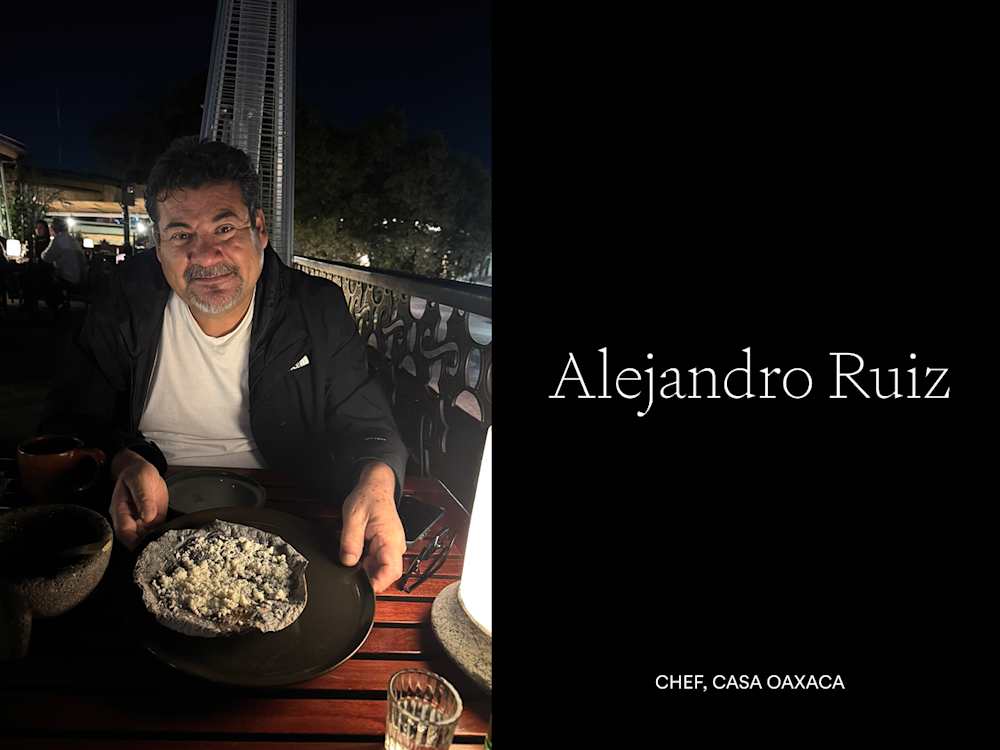
To find out more, I met Alejandro Ruiz, one of the first chefs to modernise Oaxacan cuisine, bridging traditional dishes with contemporary techniques. We talked over mezcals on the rooftop of Casa Oaxaca, his restaurant in the heart of the old city. The bustling space overlooks cobbled streets and the golden façade of the Santo Domingo de Guzmán Church.
‘We started combining things in a different way,’ he says, ‘but always without losing our tradition and our identity.’ Oaxacan cuisine, Ruiz suggests, is defined less by a single dish than by a way of thinking about flavour and identity. ‘We love this mixture of salty, spicy, sweet, sour. All in one,’ he explains. This balance runs through everything, from bright seafood preparations in places like Puerto Escondido on the Oaxacan coast, to the richer, slower cooking of the inland valleys. At its core, though, the food remains resolutely grounded in its raw materials.
‘It’s the ingredients,’ Ruiz says — pointing to corn, herbs like epazote and quintonil (pigweed) — and the interplay of regional produce that shifts from valley to coast. ‘Food gives us the opportunity, the chance to be authentic, to maintain our identity,’ he says. Oaxaca has almost become shorthand for a kind of culinary rootedness that feels increasingly rare elsewhere.
This deep-seated culture extends beyond the kitchen. As well as a vibrant craft heritage — woven tejidos (colourful fabrics), carved alebrijes (folk-art sculptures), painted barro negro pottery — a drive out of the city reveals the agriculture behind Oaxaca’s culinary identity. The state is overwhelmingly hilly and mountainous, its valleys shaping not just the land but the way people farm and cook. There are rows of corn, of course, but even more prominent are agave species in different shapes and sizes: the spiky Espadín, the bulbous Tobalá, the wild and twisting Madrecuixe — each destined to make mezcal.
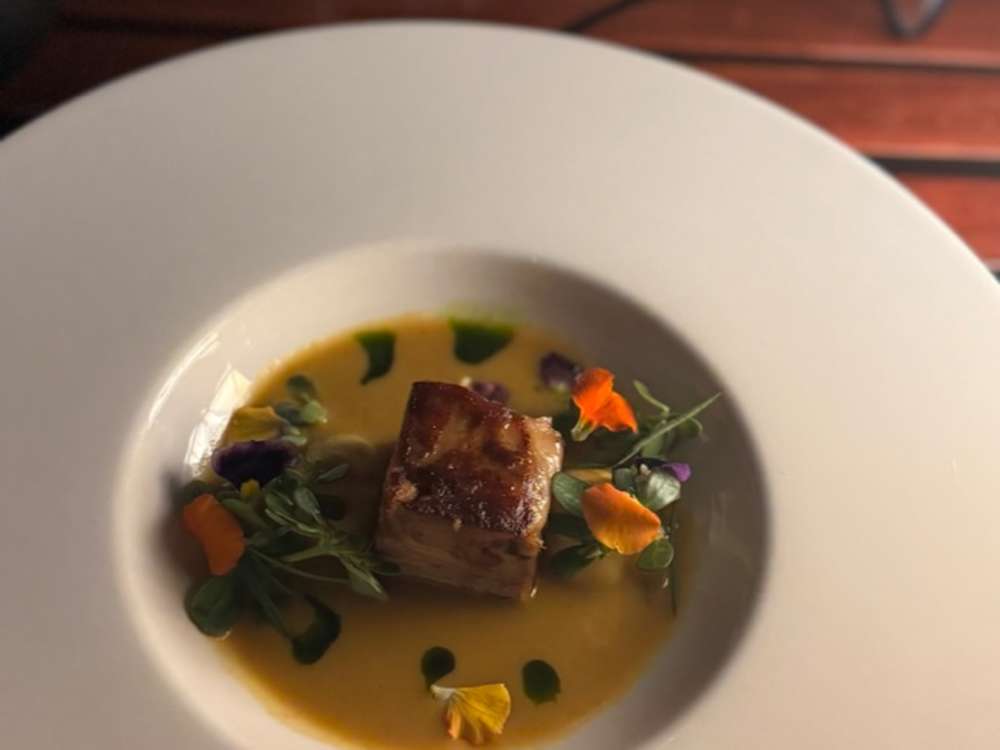
Cuisine at Casa Oaxaca
While mezcal may be well-known and mezcalerías dot Oaxaca City today, this is a relatively novel phenomenon. Max Rosenstock, co-owner of Neta Spirits, explains that historically, it had a different — more stigmatised — status.
‘Mezcal was not a revered beverage in the city,’ he says, ‘especially among the middle class or even aspirational middle class and upper class, it was very shunned.’ Its complex flavours — the product of centuries of evolving terroir and intense human craft — were often misunderstood. But traditional production has persisted across generations, yielding mezcals of extraordinary quality, even if some flavours still challenge the untrained palate.
Today, Oaxaca City’s mezcal scene reflects both continued tradition and reinvention. Rosenstock notes that while the global surge in the drink’s popularity has stabilised, serious consumers remain drawn to the spirit’s nuanced character. ‘It’s better suited to being a bit more of a niche product,’ he says, pointing to how quality agave remains limited and artisanal methods endure. Local bars often source from small communities, located hours outside of the city, where every producer is part of a multi-generational effort to sustain the craft.
In the city, mezcal is no longer merely a novelty, but a carefully curated expression of landscape, meticulous craft and legacy. Whether sipping it neat, savouring it alongside a rich mole, or exploring a guided tasting, like everything else in Oaxaca, it rewards those who take the time to pay attention.
Where to eat in Oaxaca City
Casa Oaxaca
A place for inquisitive palates — if you have the nerve for it, the corn tostada topped with chicatana ants, grasshoppers and agave worms is presented as such a riot of colour and verdure you almost forget what you’re eating. There are ample meaty options to follow it with, and the standout is the lechón (suckling pig), served with native potatoes, a bright chileajo amarillo sauce, and fresh purslane.
Levadura de Olla
Levadura de Olla
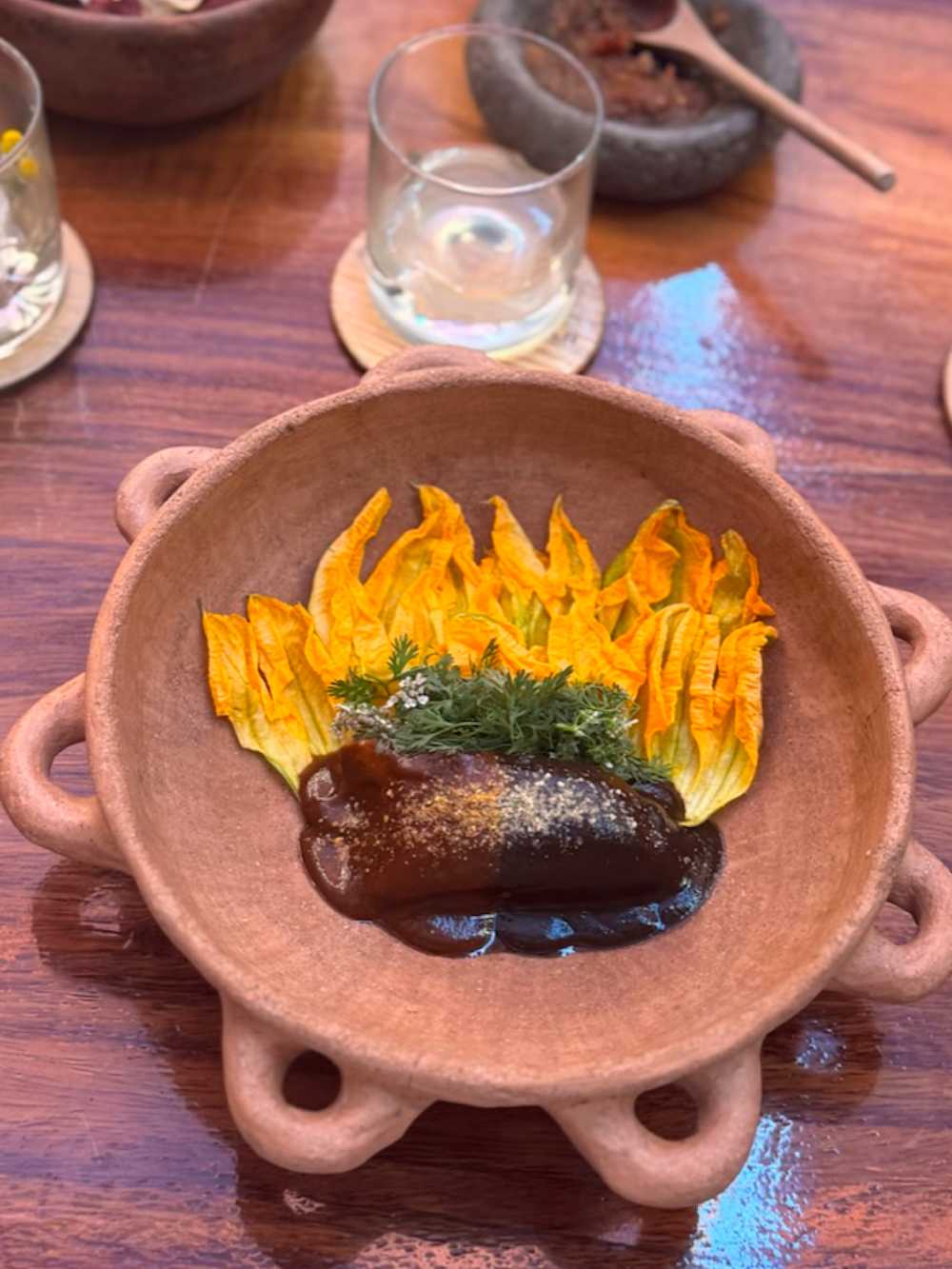
One of Oaxaca’s two Michelin-starred restaurants, Levadura de Olla sports a rustic-chic look in ochre and teak. You can go à la carte, but the best way to experience chef Thalía Barrios García’s ingenious understanding of flavours is the tasting menu, served alongside indigenous fermented drinks like popped-corn water and guava tepache. Highlights include a rainbow of native tomatoes with beetroot purée and fruit vinegar; a tamale stuffed with requesón (a ricotta-like cheese) with squash blossom, and black and coloradito moles; and a dessert of four preparations of nopal cacti. Pair it with a highly sippable special edition of arroqueño mezcal; or — for the mezcal novice — the Flores: a bright yet smoky cocktail of camomile, mezcal, house vermouth and cempasúchil (Aztec marigold).
Memelas Doña Vale
Doña Vale’s blue-corn memelas are flavoursome and light, yet sturdy enough to tear meat from the bone with. Most people go for the ‘Special from Phil’ — named after a visit from Somebody Feed Phil‘s Phil Rosenthal — with suadero (grilled beef) and a sunny-side-up fried egg; but the costilla de cerdo (pork ribs) is the better order. Both come layered with a sublime morita sauce made from just tomatillos and chilli.
Doña Ceci
Also known as El Sabor de Cecy, this low-key, family-run spot has more to offer than its humble appearance suggests. Note that a taco here is bigger than a memela, and the tlayudas are larger still, all made from yellow masa. Fillings run from huitlacoche (corn fungus) and moronga (blood sausage) to ubre de res (beef udder), but if you’re not feeling adventurous, the deep vermillion-hued cochinita pibil — Yucatán-style braised pork — is excellent.
Mercado La Cosecha Orgánico
This is a good place to sample a broad range of the Oaxacan culinary repertoire: from empanadas with mole amarillo (another good place for this is Empenadas de Carmen), and glasses of pulque, tepache or horchata. Unmissable are La Oaxaqueña‘s ‘papa’ blue-corn memelas, with a mix of chopped beef and chorizo, plus strings of melting Oaxacan cheese and a piquant, deep-red salsa to tie it all together.
Where to stay in Oaxaca City
Escondido Oaxaca
Escondido Oaxaca
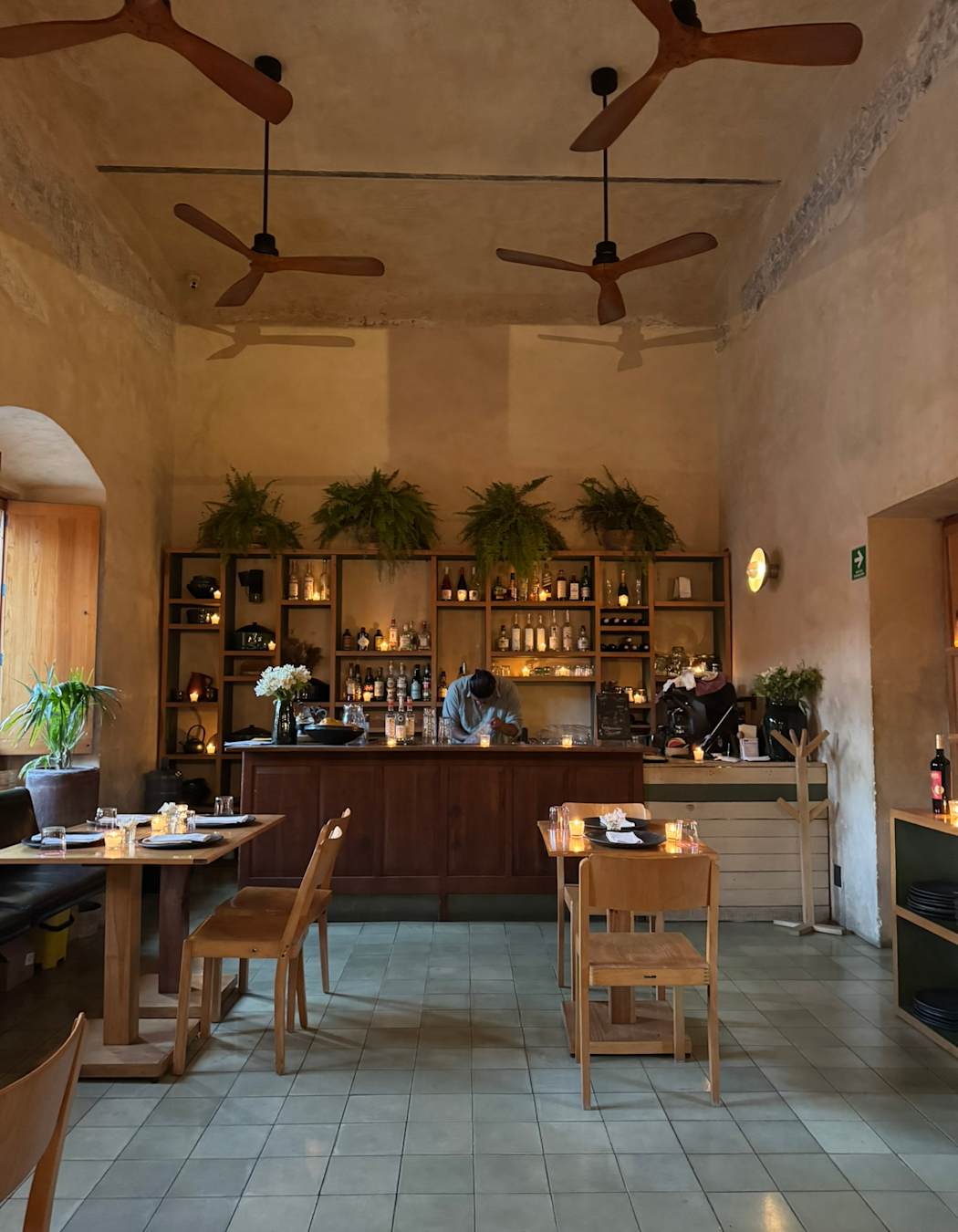
A listed colonial façade conceals a Brutalist tower within, with architect Alberto Kalach’s masterstroke being that the two feel entirely at peace with each other. Inside, handmade sabino-wood furniture and handwoven textiles make Escondido feel deeply rooted in the city. The rooftop pool is the place to be at the end of the day — and the candlelit restaurant offers local flavours, with beef-and-grasshopper tlayudas, and mezcal-laced cocktails.
Otro Oaxaca
Sitting directly opposite the Santo Domingo de Guzmán Church, with a relaxing courtyard, Otro Oaxaca has spacious rooms with concrete baths, and a breakfast menu that includes local dishes like chochoyotes (masa dumplings in broth). The location is the real draw, right in the thick of the restaurant and bar action, with Casa Oaxaca and Selva (which ranked 29 in North America’s Best Bars 2025) nearby, and some of the city’s finest craft shops on the surrounding streets.
Where to drink mezcal in Oaxaca City
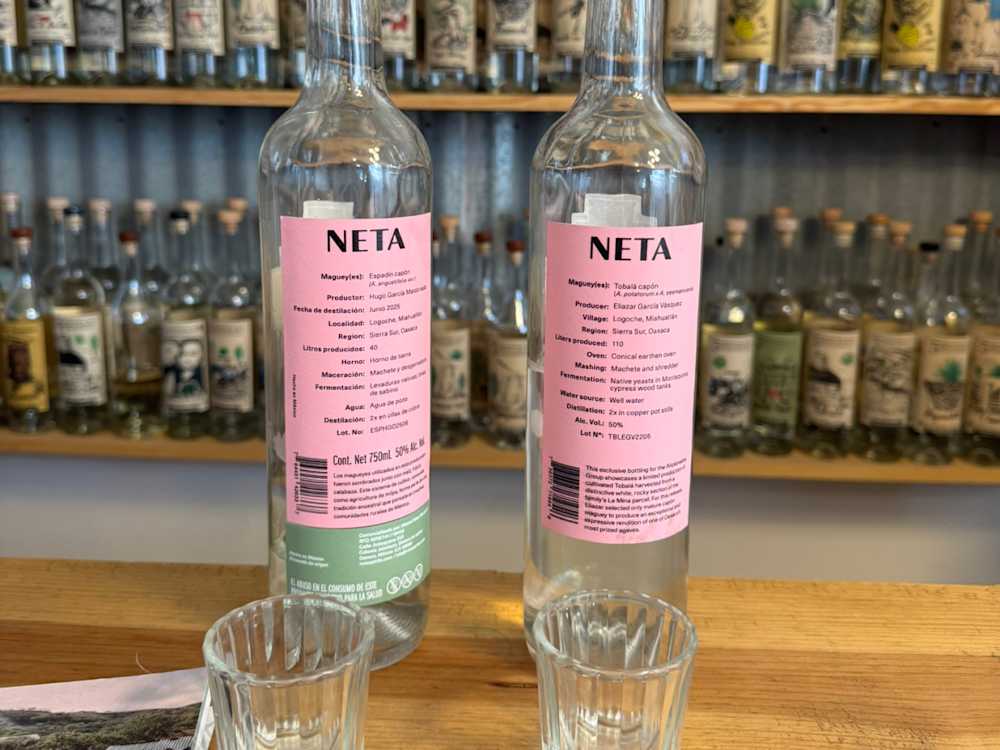
Neta
In Situ Mezcalería
Pull up a wooden stool at the bar here and work your way through the three-mezcal archive tasting, which is educational without being earnest. Its motto says it all: ‘Cada quien se toma el mezcal que se merece’ (Everyone drinks the mezcal they deserve).
Neta
Book a 90-minute guided tasting at Neta’s HQ in the barrio Jalatlaco. At MXN850 per person (just under US$50), it’s one of the best ways to understand what mezcal is really about. Push for a sip of the Coyote, which has a silky palate and appealing notes of mango, jasmine, guava and cacao.
Where to eat and drink in Puerto Escondido
Glou Glou
Drawing on global influences, natural wine-focused restaurant Glou Glou in Casa TO hotel never lets go of the thread that ties it to Oaxaca. The cooking is instinctive and joyful, with highlights including a clam ceviche, shrimp gordita, and tomato tostada that wouldn’t look out of place at Levadura de Olla. Finish with the chocolate tart paired with a dram of Loluca Tobalá — smoky cacao notes in the glass, which echo the chocolate on the plate, each amplifying the other.
Chicama
This Peruvian spot offers plenty of nods to its Puerto Escondido locality, with a focus on mezcal sours and raw fish. Don’t miss the tiraditos of local sailfish with garlic and habanero, or the sashimi of the day flambéed with mezcal.
The JP Bunker
With its casual appearance — handwritten signs, a whiteboard menu and red-plastic chairs — the quality of The JP Bunker’s food may come as a surprise: zesty plates of sliced tuna with red onion, and prawn aguachile served with gossamer-thin corn tostadas. Skip the tacos and focus on the raw seafood.
Sha Cocina de la Costa
This cocina offers the most sincere coastal Oaxacan cooking in town, with dishes such as octopus tacos with toasted chapulínes (grasshoppers) and mole; seafood tlayuditas with cheese; and enchiladas stuffed with plantain and queso de aro.
Where to stay in Puerto Escondido

Casa TO
Casa TO
Home to Glou Glou restaurant (which, naturally, serves a superb breakfast), Casa TO is a tropical Brutalist fantasy. With just nine adults-only suites, it’s a serene retreat, where raw concrete is softened by lush greenery climbing the walls, and the iconic pool winds through a series of circular archways. Every stay includes a serving of the house mezcal.
What to know before you go to Oaxaca
How to get to Oaxaca: Xoxocotlán is the state’s main hub, with flights landing here from other parts of Mexico (Cancún, Mexico City), and some US destinations (Dallas, Houston).
How long to spend in Oaxaca: At least three days in Oaxaca City and four long, lazy days along the Puerto Escondido coast will be ideal — even longer if you want to see more of Mexico’s fifth-largest state.
Best time to go: The driest months are between October and April, and if you want to experience Día de los Muertos Oaxaca style, aim for the end of October, into November. Rainy season runs from May to September, and Oaxaca is at its busiest in July (when the Guelaguetza festival takes place), December and January.
Known for: Culinary mastery (especially of mole and mezcal); go-large Day of the Dead celebrations; and indigenous art, culture and crafts.
Transport tips: It’s a three-hour drive between Puerto Escondio and Oaxaca City, two of the main tourist-favoured destinations in the state. A car will be useful, but isn’t essential — Oaxaca City is walkable, and you can book a private transfer to get you to Puerto Escondido.
Discover a foodie-friendly weekend itinerary for Mexico City, or explore more of our Mexico hotel collection