



As the capital of Andalucia, Seville is the perfect starting point for a trip to southern Spain, with plenty to encourage you to linger longer than you might have intended — especially if you’re a fan of sherry, Game of Thrones and flamenco (or all three). The frying pan of Spain, as it’s affectionately known, is known for its sizzling summers, but from late winter to early summer you’ll be able to admire its sunny maze of streets, blue skies, ripe oranges and elaborate Moorish architecture in optimal conditions. I visited at the end of April, after the festivities following Holy Week had subsided and when the temperatures were more suited to my Northern European constitution.
If you do find yourself there during the hot high summer, you can just adjust to a night-owl schedule — ice-cream shops are as packed at 2am as they are at 2pm, and of course the bars stay on Spain time. The ancient city centre is the second-biggest in Europe after Rome, but, at four square kilometres, it’s still easy to explore on foot, with most of the main sights a short walk from each other and plenty of pitstop-ready tapas bars lining the way. Clapping hands at the ready: here’s how to do Seville in a weekend. ¡Olé!
Friday evening
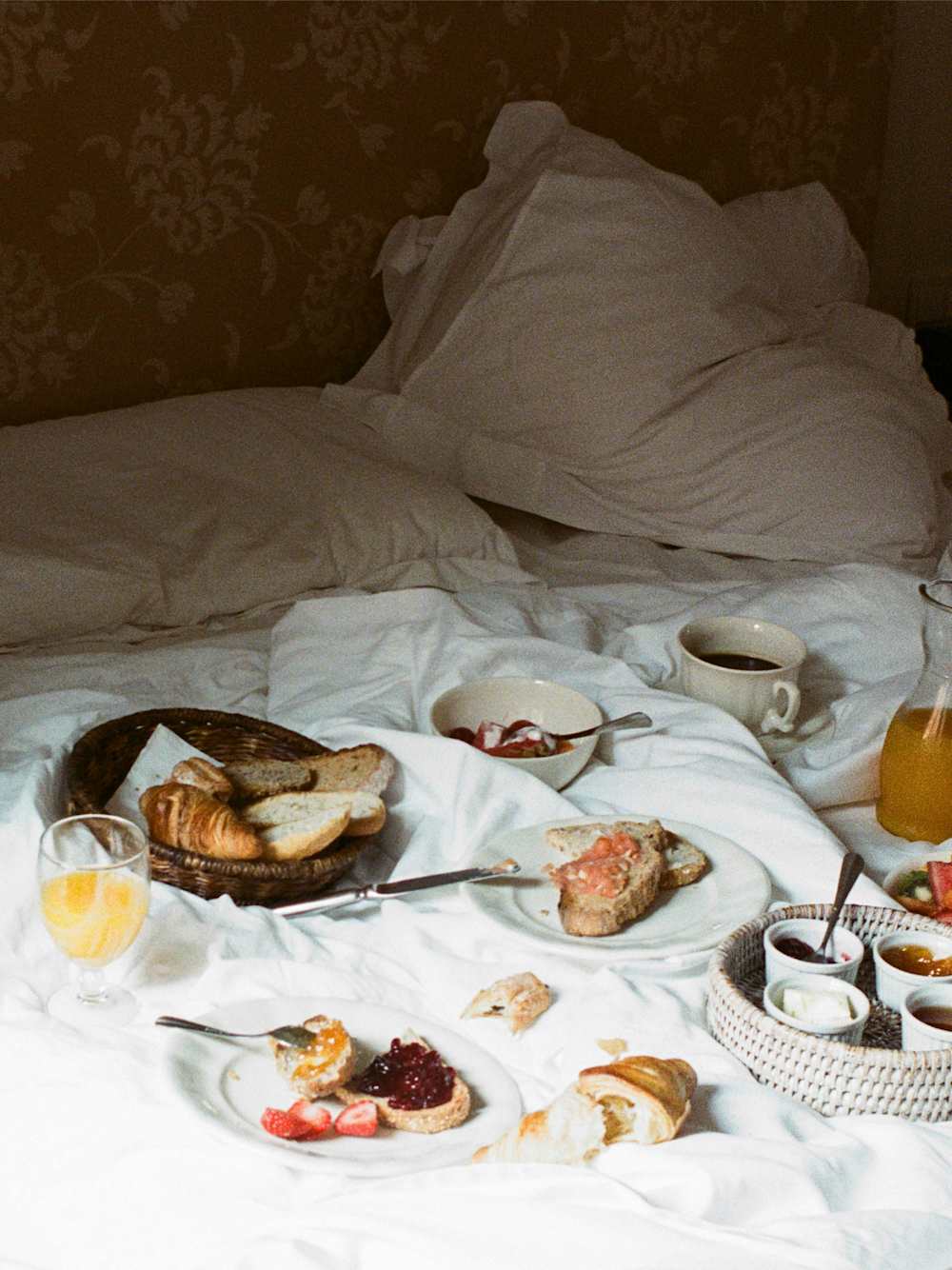
Corral del Rey
Compact Seville was made for easy minibreaks, with an airport that’s less than a 20-minute drive from the city centre for convenient Friday-night touchdowns. Hop in a cab to Cristine Bedfor, a boutique hotel in the Casco Antiguo (old town), to be close to everything all weekend. This repurposed theatre is part of a trio with outposts in Menorca and Málaga, built by the same architect who created the city’s Plaza de España. The stage is still there, with a courtyard and balconies around it, on hand to host dinner services, all-day drinks and snacks, and regular events for a fashionable Sevillano crowd. The terracotta-toned space has been expertly curated by owner Cristina Lozano, with matching fabrics on the sofas and walls, an abundance of traditional tiles, and a rooftop for cooling cocktails and refreshing dips.
In the historic Barrio Alfalfa, on a street so narrow cars can barely get down it, Corral del Rey has been one of Seville’s finest places to stay for almost two decades now. The hotel began as a reimagined 17th-century casa palacio (with the marble pillars and Mudéjar doorways to prove it) and has since expanded across three buildings. From the rooftop, you’ll be able to spy some of the city’s turrets and towers — even better, book a room with its own pool terrace to enjoy the mirador (viewpoint) in private. Each building has a lounge with an honesty bar that also dispenses cake; and the pastry baskets at breakfast will attempt to waylay your carb quota for the rest of the day (you may as well give in now).
For something a little more modern, with Jürgen Mayer’s hard-to-miss, wooden Las Setas structure right out front, book a stay at Ocean Drive Sevilla. Many of the rooms overlook Plaza de la Encarnación and its architectural showstopper, and just off the lobby is a restaurant ready to deliver some fusion food if you haven’t already overloaded on tapas. It also hosts a frequently changing exhibition of artworks, for which local creatives can apply to have their works showcased. And the breakfast hours can be adjusted for nocturnal guests, especially good news in a late-night-loving city such as Seville.
Speaking of, Seville rewards those who stay up past midnight. Start the weekend as you mean to go on by locating a tiny tapas counter and a flamenco show. In a city full of tapas bars, it’s an accomplishment to have been the original — El Rinconcillo has been sliding out small plates since 1670 and is still going strong, with wine barrels for tables, mahogany panels and the same familia running it since 1858. The queue was lengthy when I attempted to secure a table at the bar, though you’re likely to have more luck in the more formal restaurant area.
The atmosphere of hyper-trad La Trastienda, just down the street from Corral del Rey, is exactly the late-night, napkin-strewn tapas bars of your imagination. I pulled up a stool on the counter to admire the seafood selection and eavesdropped on the animated locals, who were clearly having a great time. The stark white lighting may not be especially flattering, but with the atmosphere, service and food this good, the Sevillano crowd didn’t seem to care. Afterwards, see a flamenco show at Las Setas or Teatro Flamenco, both of which cater to tourist demand with several shows a day (including a nice and early 5pm at the latter, for visitors not planning on adjusting to Spanish time and staying up past their bedtime). For a more relaxed experience, locate cash-only, lively La Carbonería where the performances are free, the crowd is more local and the courtyard is the perfect place to hang back long after the last castanet has been clamped.
Saturday morning
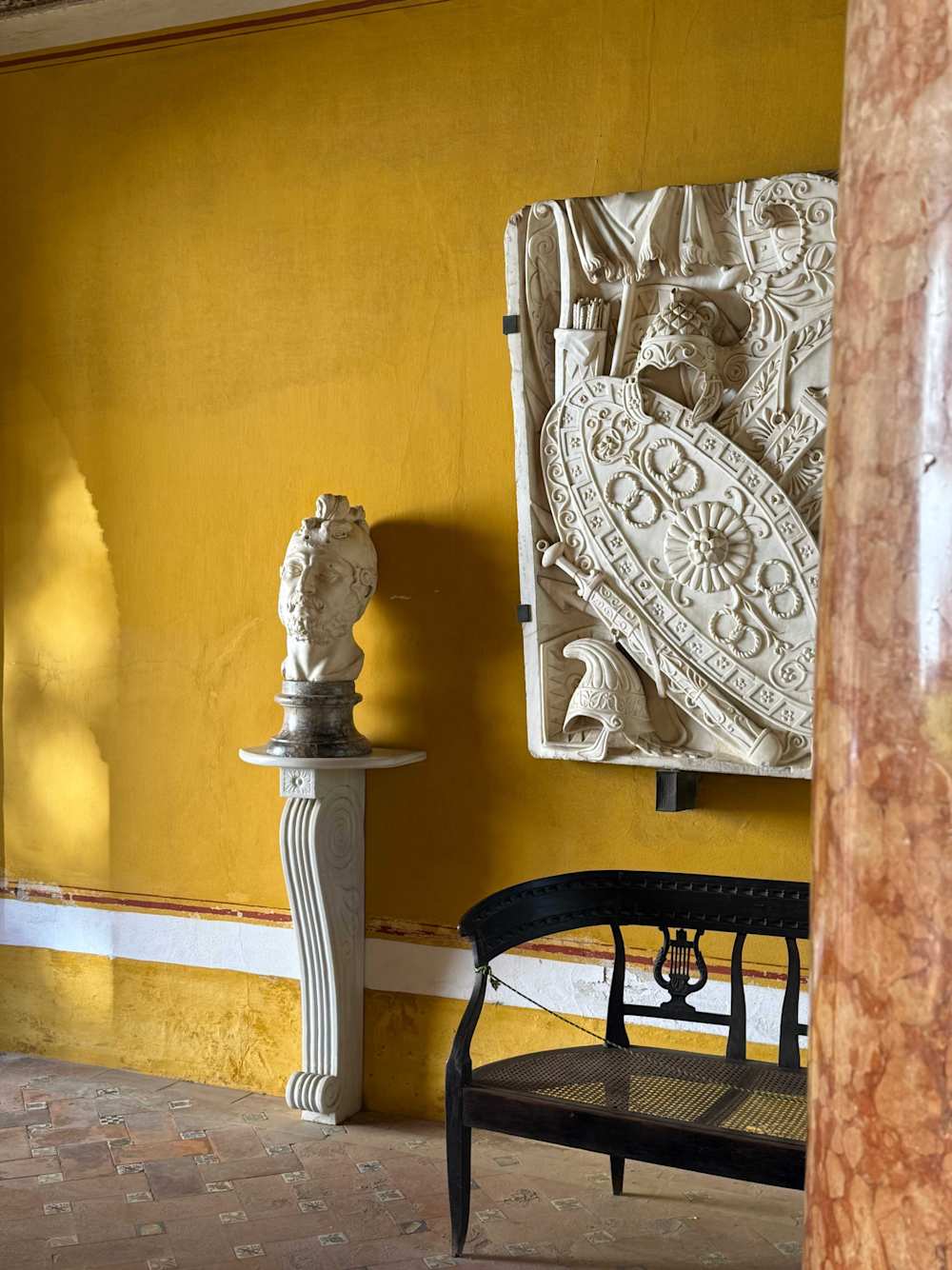
Réal Alcazar
One of the stand-out sights in Seville is the enormous Gothic cathedral, which, alongside its famous La Giralda bell tower and the Réal Alcazar opposite, has been a Unesco World Heritage Site since 1987. Devote the morning to exploring all three — the cathedral is the third-biggest church in the world, so it will take some time, especially if you want to climb its tower (worth the exertion for the views at the top), admire its art collection and Islamic and Christian architecture, and visit the tomb of Christopher Columbus.
Across the road is the majestic Réal Alcazar — Europe’s oldest inhabited palace — and its peaceful gardens, which are magnificent. As an unapologetic Game of Thrones stan, this was my first priority in Seville — they were used as the filming location for the Water Gardens of Dorne. The site was originally a Moorish fortress, built in 913 AD, with the decorative Mudéjar palace constructed in the 14th century by King Pedro I.
If you need a caffeine pitstop, try Kioscoffee or East Crema on Calle Santa María de Gracia; or hipster-pleasing Plasér on Calle Cuna, where your coffee will appear out of a literal hole in a graffiti-covered wall.
Saturday afternoon
From the cathedral and palace, you can wander off in the direction of the Triana neighbourhood, with lots of lunch options along the way before you’ve even crossed its namesake bridge — Bar Taquilla, Pepe Hillo and the bull-lined Bar Baratillo among them, on the street behind the Plaza de Toros. Or wait till you’re on the other side of the Guadalquivir River in Triana and settle in at Rinconete y Cortadillo or Cervecería La Grande. When I visited, all of these had locals dining out on the street-side tables — the only review that really matters. For something lighter, head into the Mercado de Triana and eat your way around a few of the stands.
This historic neighbourhood feels distinct from the rest of Seville — residents, or Trianeros, even have their own proper noun. Triana is a ceramics hub, with lots of artisan shops and a tile museum; the spiritual home of flamenco; and also where you’ll find the 13th-century Parroquia de Señora Santa Ana. It’s ideal for an aimless afternoon, as you wander its narrow streets and their colourful buildings.
Saturday evening
If you’ve got a taste for impassioned dancing and foot-stomping, hang around in Triana for some more flamenco; catch an authentic show at the Teatro Flamenco Triana, which has shows every 90 minutes from a tourist-friendly 4.30pm. Do as the Spanish do with at least one portion of paella; it’s served in various ways at Arrocería Criaito, which is inside the Mercado de Triana. For tapas, try Blanca Paloma in Triana, or head back to the centre for more miniature meals at the smart Catalina La Barra.
Sunday morning
If your sangria hangover allows, it’s time for some more culture. Seville’s Museum of Fine Arts, set in a hard-to-miss, ornate pink building, has a collection that’s almost as good as that of El Prado in Madrid. It’s not for everyone, but bullfighting is a big part of Spanish culture — you can explore it with a trip to the Plaza de Toros bullring, even if you can’t stomach seeing a fight.
Sunday afternoon
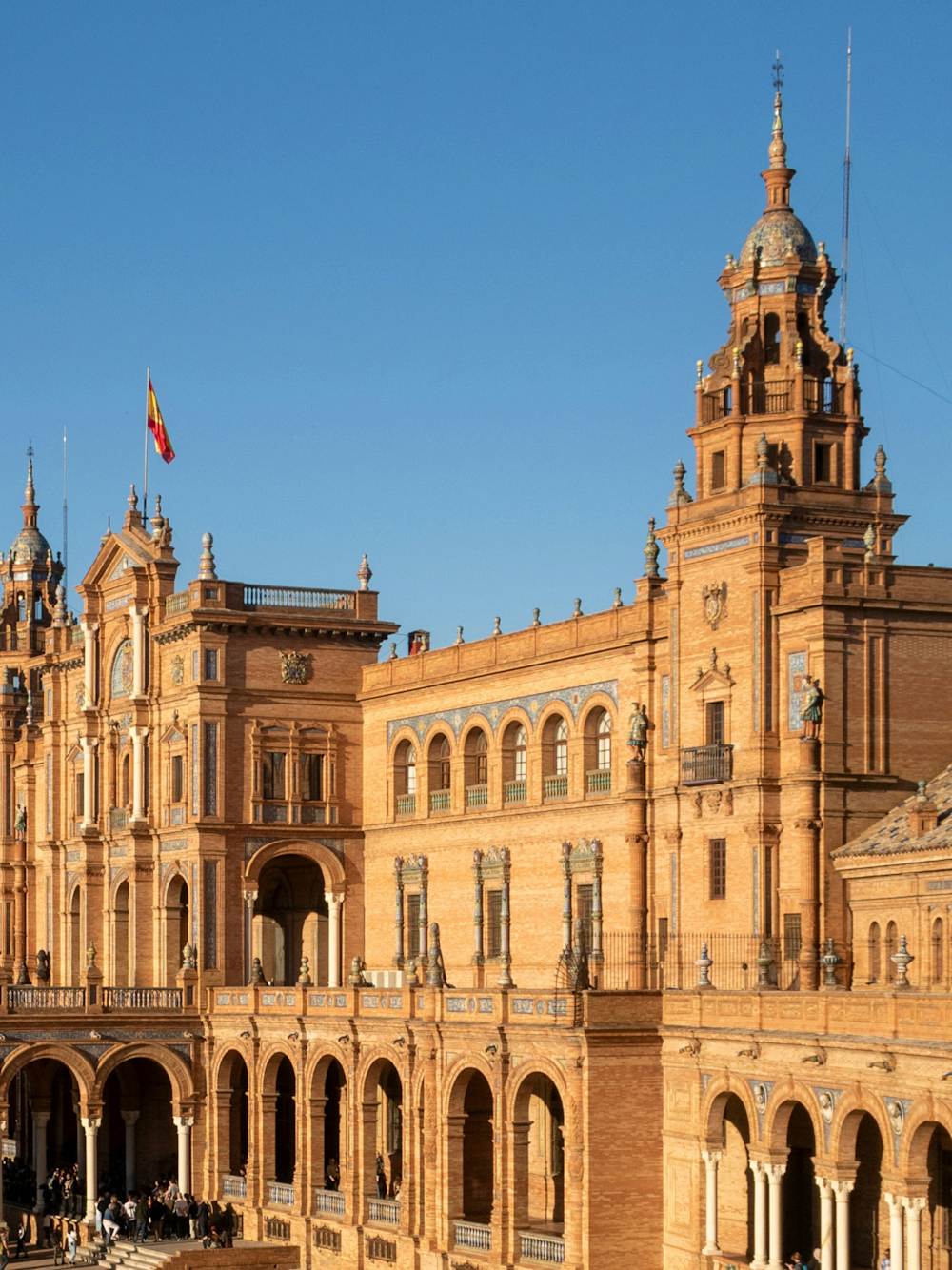
Plaza de España
Work up an appetite with a stroll around Parque de María Luisa, stopping to admire the architecture of the Plaza de España, and ambling in the direction of Leña al Lomo in El Porvenir for a long, lazy (and meaty) lunch. Or head back to Triana for Sunday lunch on a terrace above the river at Mariatrifulca, gazing back at the sights of the centre as you dine. If you have time, or the heat allows for some more energy expenditure, take a boat trip along the river, or visit another aristocratic Andalucian landmark — such as the Casa de Pilatos palace, a grand mix of Italian Renaissance and Mudéjar architectural styles; or the 15th-century Palacio de las Dueñas, where the poet Antonio Machado was born.
Sunday evening
If you have room for one last portion of patatas bravas — well-earned after a final circuit of the Casco Antiguo — locate Bar Dueñas, formerly a grocery store and wine warehouse in the Twenties and a family-run tapas bar since 1973, on Calle Gerona; or El Pintón, for refined tapas amid its arch-enhanced Andalucian interiors.
If you have the PTO and an equestrian fantasy, head south of the city to Kukutana, a classic cortijo on the edge of Doñana National Park that welcomes cowboys of all skill levels for a taste of the hacienda high life.
Need to know
Transport: Seville has a small but efficient airport, facilitating arrivals from all over Europe, including destinations across Spain, Lisbon, Treviso and Istanbul.
Getting around: The airport is a short taxi ride from the city centre and once you’re there, you’ll most likely be able to walk everywhere else.
When to go: They don’t call it El Frying Pan for nothing — the hottest temperatures ever recorded in Seville have reached over 45 degrees Celsius. Winters can be a little wet, and in January and February see the occasional cold day, so the best time to visit is between late February and the end of June. Things get especially lively around Holy Week, which is followed by the Feria de Abril spring festival, with lots of flamenco dancing, people wearing traditional dress, colourful casetas (tents) and horse parades, mostly centred around the Los Remedios neighbourhood. The heat cools off later in September and temperatures stay mild until Christmas.
What to buy: The neighbourhood of Triana is where to head to stockpile ceramics and traditional azulejo tiles. So many shop windows showcase typical polka-dot traje de flamenca dresses that you might seriously start to wonder if you have need for one. Try Lina Sevilla, founded in 1960, or Micaelavilla, for all your ruffle needs.
Good to know: Seville is firmly on the tourist trail and the queues for the Real Alcázar in particular can be lengthy, so be sure to book your slot in advance. It’s also well worth getting away from the centre to some of the surrounding barrios, to get a taste for a real Sevillano existence without the crowds — try El Porvenir to the south, not far from Parque de María Luisa, to wander its leafy residential streets and eat in its local-packed restaurants.
See our full collection of hotels in Seville, or head north for a dream weekend in Madrid