


The warm climes, blossoming food and drink scene, and jet-lag-free flights from many European destinations have propelled South Africa’s ‘Mother City’ to become one of the world’s most exciting and cosmopolitan destinations. Between restaurant visits, mountain admiration, sun-soaking and wildlife encounters, you can seek out museums and landmarks that reveal Cape Town’s important Apartheid history and local culture.
One weekend isn’t nearly enough time to explore this city, but if you’re embarking on a longer trip — taking in the Garden Route, Cape Winelands or a safari — you can still get a taste for what it has to offer, and have your appetite whetted for a return. Here’s our carefully planned itinerary for spending 48 hours in Cape Town.
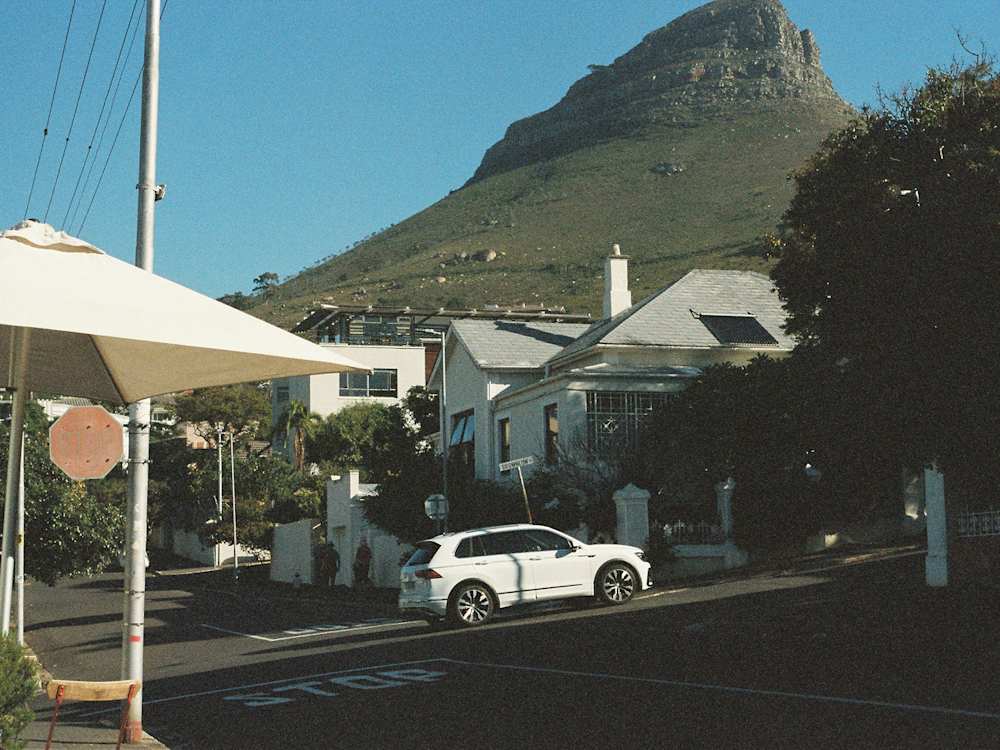
Table Mountain
Friday evening
As you approach the city from the airport, the iconic view of Table Mountain, Lion’s Head and Signal Hill will captivate you. For a budget-friendly hotel option in the heart of the Central Business District (CBD), Gorgeous George is located around the corner from Greenmarket Square, where you’ll find stalls of locally made clothing, arts and crafts. Here, two adjoining buildings — one art deco, the other Edwardian — have been combined to create a buzzy hotel filled with South African artworks. The heart of this hub is the rooftop, where Gigi bar and restaurant attracts a cool crowd that comes for drinks, lunch and dinner, and stays for the rotating roster of local DJs.
If you’d prefer to be surrounded by one of the city’s most tourist-friendly neighbourhoods and are partial to a sea breeze, One&Only Cape Town sprawls out over two private islands at the edge of the V&A Waterfront. It’s pretty hard to tear yourself away from its spa island, which is surrounded by waterways that feel a million miles away from the bustling harbour. It also has a wine-tasting mezzanine with mountain views and the city’s Nobu outpost.
For peak luxury, spend your stay just a 20-minute drive from the CBD at Ellerman House, an Edwardian stay perched on the cliffs below Lion’s Head and overlooking Bantry Bay. The upmarket coastal neighbourhoods of Clifton, Camps Bay and Sea Point are all within easy reach for beach strolls and tidal-pool dips, but you’ll likely want to maximise your time in the house (Ellerman is not a traditional ‘hotel’). This antique mansion is home to just 13 rooms and two private villas, and is perfectly positioned for watching the sunset from your suite while sipping a glass of local wine selected from the owners’ cellar, which holds 7,500 bottles.
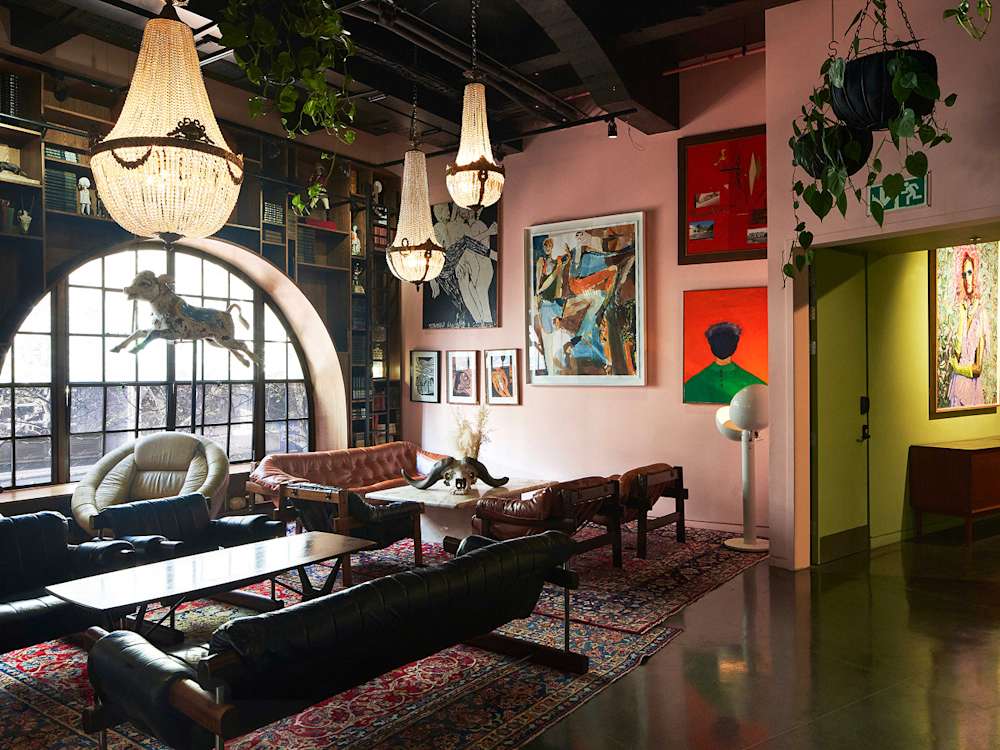
Gorgeous George
Enjoy some chill-out time before you head out — Gorgeous George has a pool and loungers on a small, guests-only terrace, where you can cool off while listening to DJs spin records. If you’re staying at the One&Only, enjoy the peacefulness of its spa, booking a late-afternoon treatment to recover from your flight. Or, at Ellerman House, you can swim laps in the heated pool while watching the sun set over the Atlantic.
For dinner on your first evening, make the most of the excellent options available in your hotel. Gigi serves its own take on local staples, such as slow-cooked lamb served with samp (crushed, dried corn kernels cooked in a similar style to rice) and a vegan Cape Malay curry. Ellerman House’s restaurant (open to guests only) combines the Cape Malay flavours of chef Grant Daniels’ cultural heritage with contemporary styling and French techniques. Alternatively, book a table at The Silo for sunset vistas of both the V&A waterfront and Table Mountain. Enjoy as you sip classic cocktails and graze on a sharing board of Mediterranean dips, Asian-inspired nibbles, surf-and-turf plates or treats from the raw bar.
Saturday morning
Early morning is the best time to head up Table Mountain, but don’t book too far in advance — judge using the weather forecast when you arrive or a couple of days prior. Aim to get to the cable-car station by 8am to avoid long queues, and plan to spend a couple of hours at the top, admiring the views of the city and coastline from different vantage points. Keep your eyes peeled for wildlife such as dassie, which look like oversized rodents but are actually more closely related to elephants.
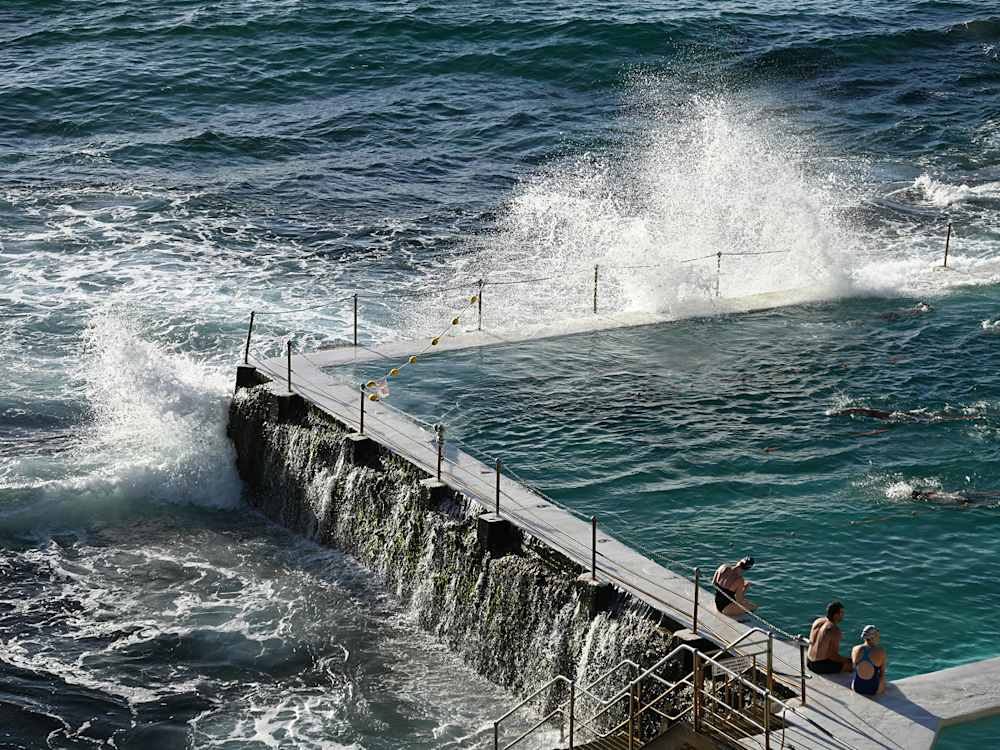
Camps Bay Tidal Pool
If the mountain top is covered by the infamous ‘tablecloth’ of clouds that often mask the views, take a trip to Kirstenbosch National Botanical Garden at the eastern foot of Table Mountain instead. Spread over 1,300 acres, it is considered one of the most important botanical gardens in the world, containing over 7,000 plant species, many of which are unique to the area. Don’t miss the Boomslang canopy walkway above the trees for a bird’s-eye view.
If you’re visiting in the height of summer and the temperatures are soaring, spend the morning cooling off in one of the city’s tidal pools. There are many to choose from all along the coast (make sure you check the tides and how rough the sea is that day), but Saunders’ Rocks at Seapoint and Camps Bay Tidal Pool are two of the best, where you can safely enjoy a dip in the notoriously cold Cape Town waters.
Saturday afternoon
For lunch or a second breakfast, try Hemelhuijs, a restaurant helmed by chef Jacques Erasmus and famed for South African flavours fused with global culinary influences — many of its ingredients are sourced from its very own farm. Between Us, owned by twin sisters who are self-taught chefs, is housed in a heritage building; its menu is filled with creative dishes and focused on sustainability and seasonality. Or locate The Strangers Club for grilled sandwiches, Benedicts and salads alongside a curated shopping experience, set in a house that was built in 1828.
To get out of the city and into the Cape Winelands, take a 45-minute drive out to one of the locals’ favourite dining spots. The Table at de Meye embraces a farm-to-fork concept, with a regularly changing set menu, served family-style on outdoor tables beneath the trees (on rainy winter days, diners sit indoors beside a roaring fire). But be warned — you need to book months in advance to secure a table. Alternatively, Babel, within the Babylonstoren hotel, is just 15 minutes further away. You’ll also need to book well in advance to secure a table in the glass-sided restaurant at the edge of the farm here. Order two or three courses made using ingredients fresh from the gardens, butcher and dairy — and enjoy mid-course surprises, such as slices of just-picked guava coated in olive oil and salt.
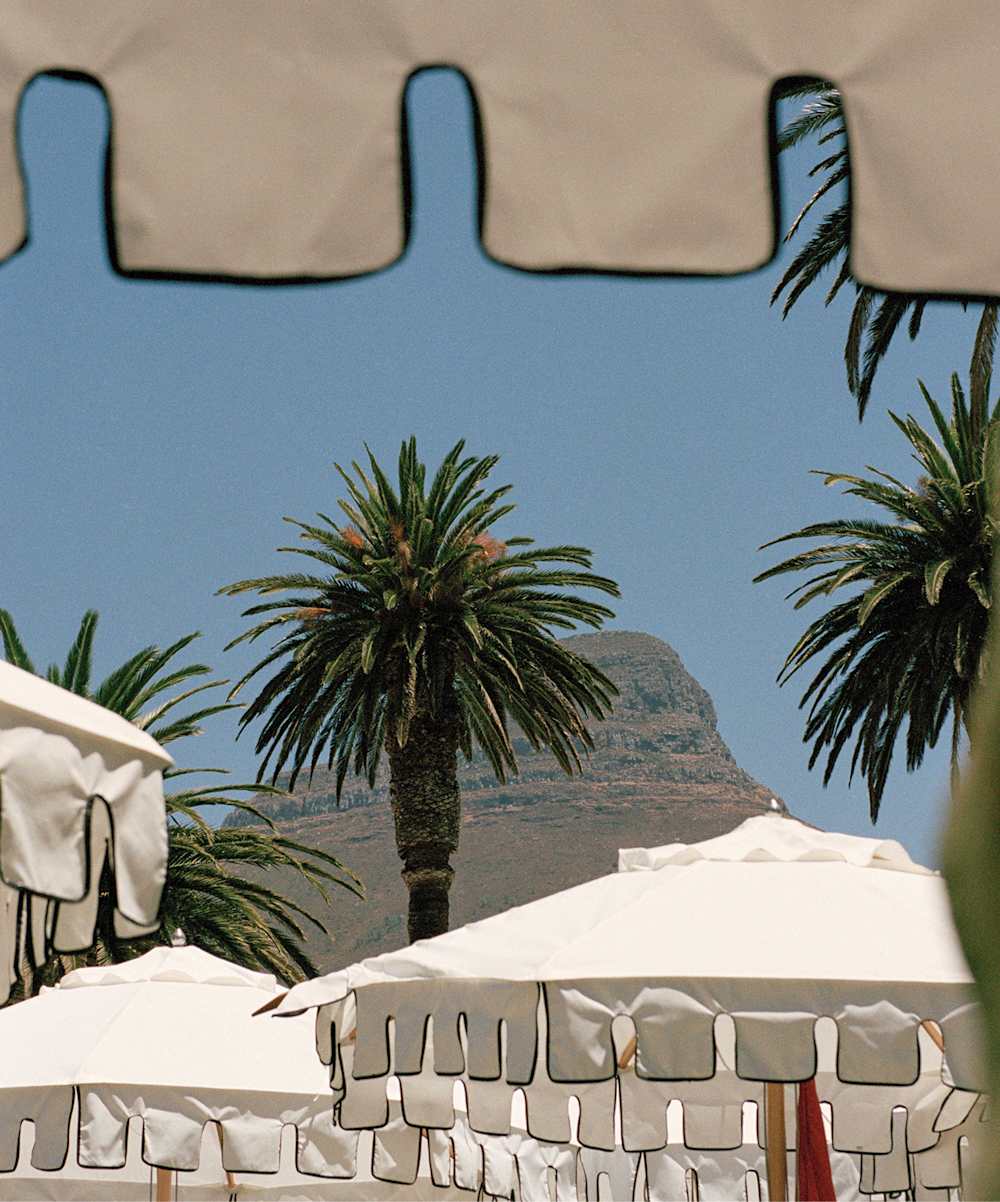
Mount Nelson
If you’d rather stay in the heart of the city, whisk yourself away from the busy streets to the pink-hued walls of Mount Nelson, a Belmond Hotel, lovingly referred to as ‘The Pink Lady’. Afternoon tea here is a local institution. Select your brew of choice, advised by a tea sommelier, before your first course of savoury bites. Scones follow, then a delectable array of sweet treats. If you’re still hungry, there’s a further spread of cakes available inside to help yourself to. Stretch your legs in the gardens after eating, watching iridescent hadada ibis birds peck around the grounds, while you appreciate the abundant hibiscus blossom.
After all that indulgence, take a wander around one of the city centre’s most eye-catching and historically interesting neighbourhoods, Bo Kaap. This hillside spot on the lower slopes of Signal Hill is known for its colourful Cape Dutch houses, dating back to the Dutch colony in the 17th century. These homes were first inhabited by slaves brought over from Asia; then, during Apartheid, the area was designated for Black and Malay communities. When Apartheid ended, residents began to paint their houses in vibrant colours to celebrate their freedom. Now, it’s a multi-ethnic and multi-lingual community where visitors can admire the architecture and the nation’s oldest mosques. Visit the Bo Kaap museum and dine in family-run restaurants serving classic Cape Malay cuisine.
Saturday evening
You’re spoilt for choice when it comes to dining on a Saturday evening in Cape Town. Just ensure you book tables at the city’s most iconic restaurants well in advance. Ouzeri is popular for good reason: head chef Nic Charalambous takes inspiration from old family recipes and his travels to Greece and Cyprus for his small-but-mighty menu, gently updating authentic recipes. The Nines in Sea Point, based in a ninth-storey penthouse, offers sunset views of the Atlantic through its glass walls, that slide open on balmy nights. The Test Kitchen Fledgelings offers a chance for ‘fledgling’ chefs to work beside restaurateur Luke Dale Roberts and head chef Nathan Clarke, honing their skills while cooking up bold dishes. Alongside the à la carte options, a six-course tasting menu displays the full breadth of the recruits’ talents.
Sunday morning
As hard as it is to skip a hotel breakfast, Oranjezicht City Farm Market is the place to be on a Sunday morning. Inside its purpose-built wooden barns, you’ll be overwhelmed with the array of fresh food, with everything from oysters to biltong to tempt you for a brunch on-the-go, or to pack ahead for a picnic lunch. Grab a flat white and pursue the wares of more than 40 local farmers and 80 artisanal traders, alongside lifestyle stalls offering clothing, ceramics, house plants and fresh flowers. The market is located on the V&A Waterfront, so you can enjoy your mobile brunch with a view of the water.
Sunday afternoon
One of Cape Town’s most alluring qualities is its connection to nature — its majestic mountains, verdant winelands and picturesque coastlines compete for your attention. Make the most of the city’s proximity to wild, untamed landscapes by spending the day exploring Table Mountain National Park, which stretches along the Cape Peninsula from the city all the way down to Cape Point. Hire a car for the day or recruit a local guide to show you the iconic sights, while keeping your eyes peeled for wildlife.
Watch out for surfers (and sharks) from viewpoints along Boyes Drive above Muizenberg Beach. Next, visit Simon’s Town’s most beloved residents: the colony of African penguins that reside at Boulders Beach. Enter through the first ticket office to watch the penguins from a viewing platform. Clamber over gigantic stones on this otherworldly beach, then walk a further five minutes to see penguins snoozing in the undergrowth. Continue driving south to Cape Point to take the funicular up to the lighthouse and admire panoramic views, keeping on the look-out for baboons. Head back north to Noordhoek, where the spectacular Chapman’s Peak Drive begins its winding, nine-kilometre route, which has many viewpoints for whale-spotting in the Atlantic Ocean below.
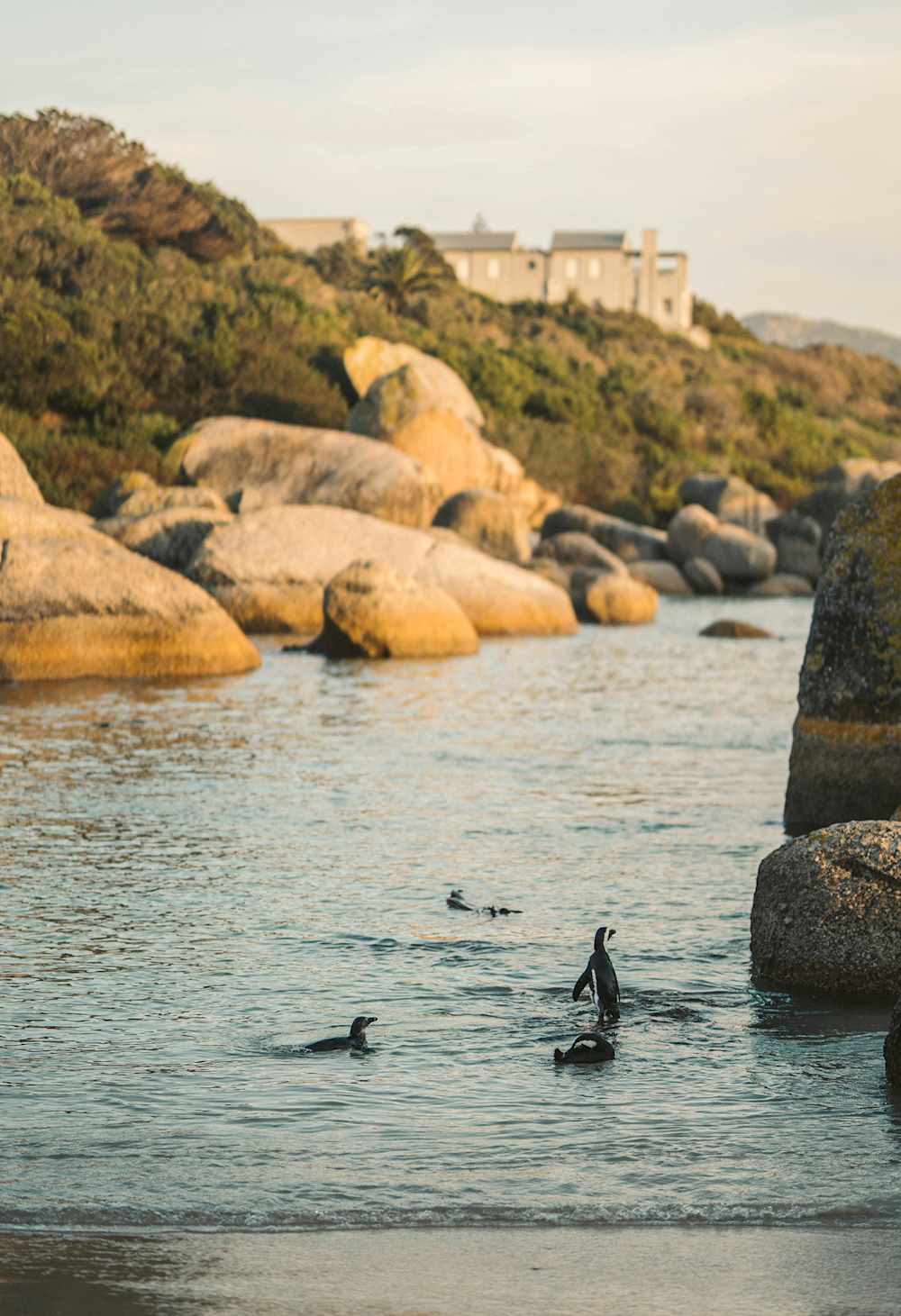
Penguins at Boulder Beach
You’ll then arrive in Hout Bay, where Cape fur seals sprawl on the harbour (look out for the Seal Whisperer, a local man who has developed an uncanny relationship with the animals). Nearby, you can enjoy the best fish and chips in Cape Town at local favourite Fish on the Rocks. Finally, drive back into the city via the coastal road that snakes past Camps Bay, where you can stop off for a cooling tidal-pool swim.
Cape Town’s past is marred by a history of slavery, colonisation and Apartheid. Educate yourself during your stay by visiting the infamous Robben Island on a Sunday afternoon. There are four guided bus tours a day (at 9am, 11am, 1pm and 3pm), which take three-and-a-half hours; or choose a walking tour for more time on the island. Reached via ferry from the mainland, the museum is an important part of Cape Town’s story, where former prisoners and ex-wardens share their first-hand knowledge of what life was like when this was a maximum-security prison during Apartheid. Tours take in the island’s quarries, military bunkers, the revolutionary Robert Sobukwe’s house, the prison buildings and former President Nelson Mandela’s cell.
Sunday evening
If you’re a keen hiker, you could tackle Lion’s Head Mountain in time to catch sunset from one of Cape Town’s most iconic viewpoints. Both the easier and more difficult routes take a few hours (warning: the harder of the two involves climbing chains and is only intended for seasoned hikers). Plan to reach the summit for golden-hour views of the city, coastline and Cape Peninsula, then descend as the sun sets over the Atlantic Ocean.
Alternatively — especially if you’ve chosen to spend the day exploring Table Mountain National Park — head to Camps Bay for another prime sunset vantage, right from the grassy slopes beside the car park. Bring a bottle of wine, snacks and a blanket for a romantic end to your trip.
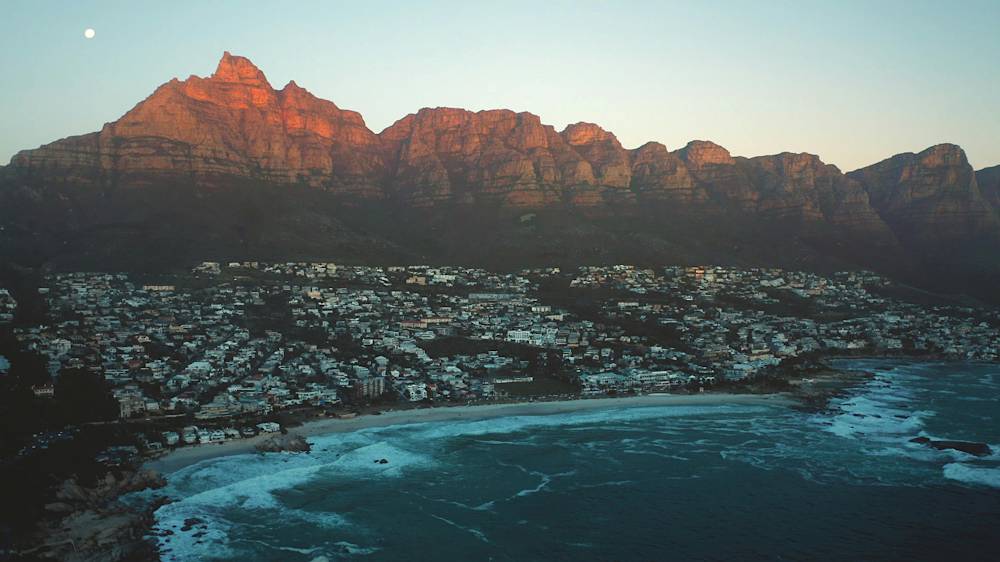
Table Mountain
Need to know
Transport International flights touch down at Cape Town International Airport, just a 20-minute drive away from the city in good traffic (Cape Town traffic is notoriously tricky around morning and evening rush hours). Ideally, book a hotel transfer to meet you at arrivals.
Getting around Although Cape Town is generally safe, it’s advised to stick to areas frequented by tourists and not to walk around after dark. It’s reassuring to know that busy neighbourhoods have security guards on every corner. Uber is affordable and reliable, both for quick dashes across the city centre and for longer journeys, or ask your hotel to book you a ride.
When to go Sun-lovers should avoid the rainy winter months (July and August), but Cape Town is clement for most of the year. Summer (December to February) guarantees excellent weather, and the Kirstenbosch Summer Sunset Concerts will be in full swing — but you’ll also encounter much larger numbers of fellow travellers and higher prices. The shoulder seasons of spring and autumn are perfect times to visit if you don’t mind slightly cooler climes, especially if you’re interested in hiking or visiting the nearby Cape Winelands. Wildlife fans hoping to whale-watch should plan their trips between June and November, when migratory southern right whales take up residence close to the coastline.
Good to know While this guide focuses on the city centre and Table Mountain National Park, a trip to Cape Town is not complete without at least a couple of days spent exploring the surrounding Winelands. Stellenbosch and Franschhoek are located 50 to 85 kilometres from the city, backdropped by dramatic mountainous landscapes and seemingly endless vineyards. Book a stay in one of the many wine estates and farm hotels to explore this region in depth.
Discover more of our weekend city guides, or explore more of our hotels in South Africa