



Much of Europe is devoted to indulgent experiences. Life for gourmands in France, Italy, Spain et al can be as luxuriously sustained as an acorn-fattened sow, giddy as a just-opened bottle of champagne, and generously sprinkled with truffle. But if queues, scanners and general travel chaos quash your appetite to partake at the airport, we have excellent news: those living in the UK can enjoy all this decadence on their own doorstep.
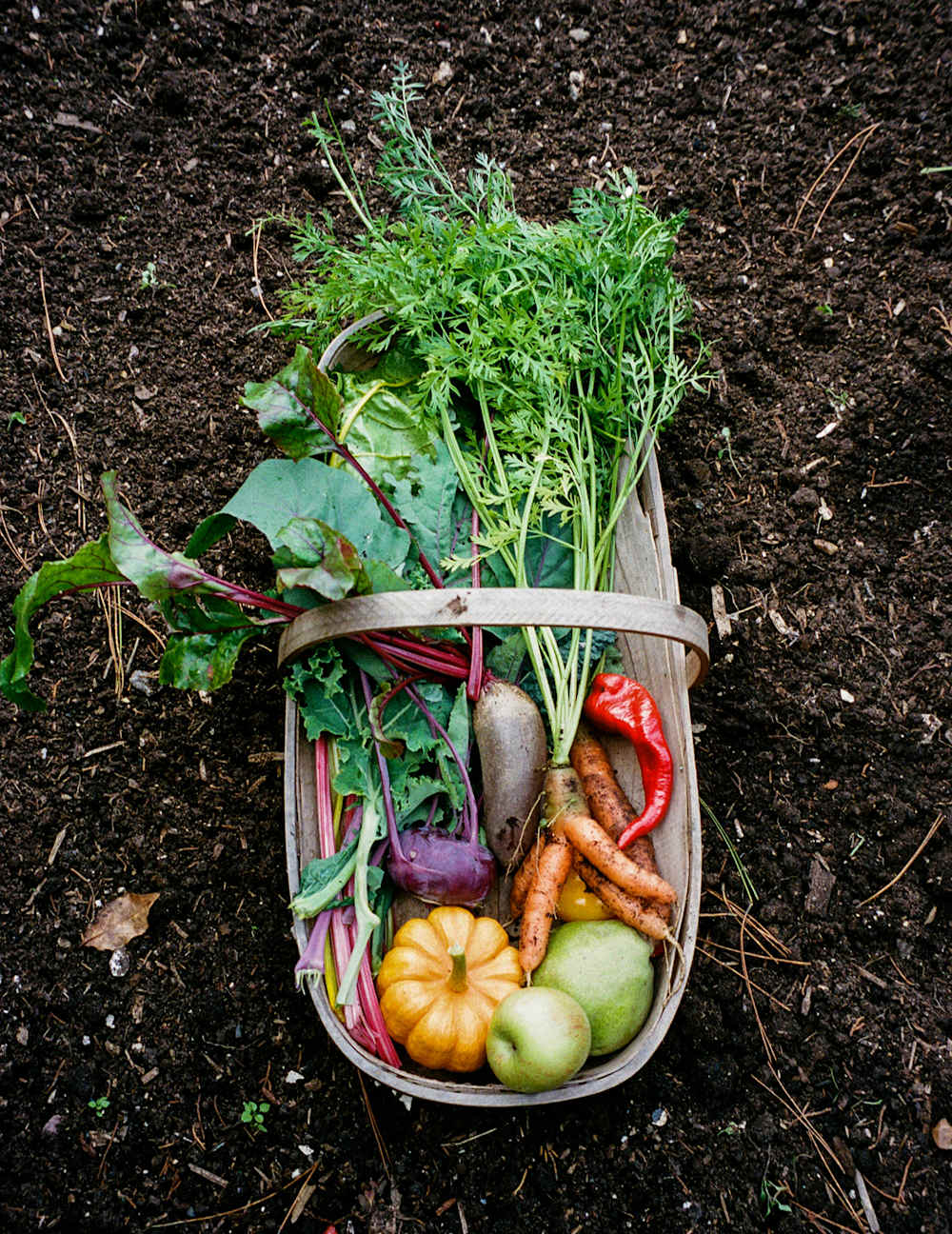
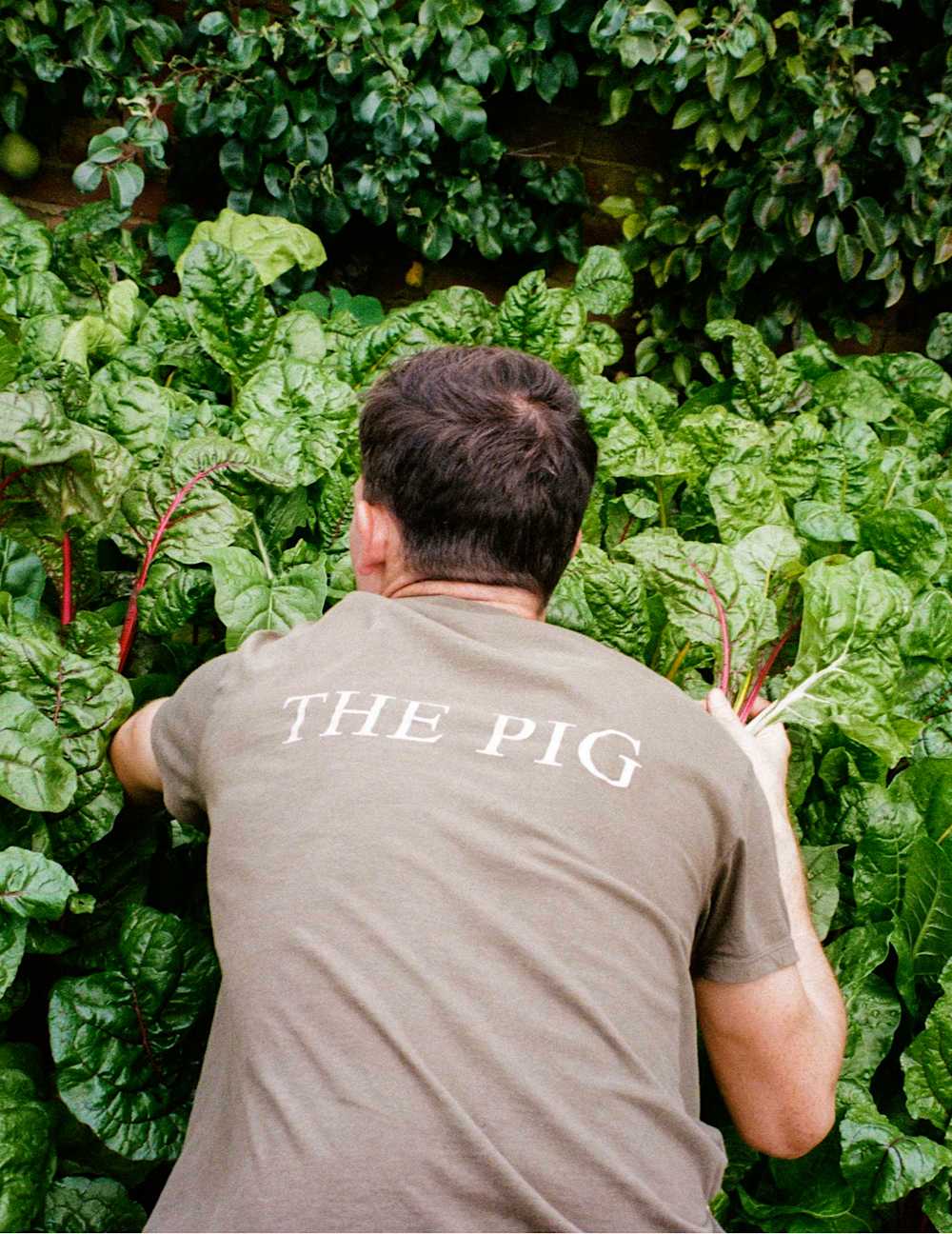
The Pig hotels have a firm grounding when it comes to food; each of the nine, coast-to-country hotels has its own kitchen garden and serves the hyperlocal 25-mile menu that’s made the brand a standout in the UK’s dining scene. Their orchards, polytunnels, vegetable plots and herbaceous borders might be sunk into British soil, but with autumn seeing them at their most fertile, you can dine like a country-hopping king — here’s how.
Swap the French countryside for The Pig in the South Downs
To enjoy: English wine
Squint and turn a deaf ear to the Anglo-Saxon accent, and you might mistake The Pig in the South Downs for an agriturismo somewhere in rural Tuscany or a ferme in southern France, rather than a country house in West Sussex. Largely because it’s the only Pig hotel with its own working vineyard. The 4,000-plus vines are bowed with the kind of grapes you usually find in Champagne, the Loire Valley or Sicily (Gamay, Chardonnay, Pinot Noir…), which have taken kindly to the chalk-rich English soil and fair-weather climate.
Harvesting takes place between late September through October, and — while you won’t have to haul a basket about or stomp anything — you can watch industrious pickers as you amble along the hotel’s wine-loop walk. If you can’t wait for this crop to mature into a fine vintage, scope out the ‘from our soil’ section of the hotel’s wine list. Want to stick with the classicos? The group’s Pig Cut wines are made in collaboration with Tuscan winery Tenuta Fertuna. And the bar serves a mean champagne-and-cognac cocktail.
And to enjoy: black truffles
Truffles, the culinary world’s ‘black gold’, are not only snuffled out by eager pigs in Tuscan woodland or the forested depths of the Périgord Noir. England’s own South Downs has plenty of these edible treasures tangled in the roots of its homegrown hazel, beech and oak trees. You just need to know where to look, or rather ask foragers Ben Sweet and Tom Radford, who — with Buddy, their laser-nosed Vizlador (Vizsla and Labrador mix) — know how to unearth the forest’s riches.
The truffles are similar to those found in Burgundy, with rich, roasted-hazelnut notes. In a secret location, you’ll learn how to tell a good truffle from a bad one, how best to store and prep your prizes, learn about local folklore and find other wild edibles. Don’t arrive too manicured — some participatory digging is expected alongside Buddy. Naturally, the experience ends with a three-course, truffle-laced lunch.
Hungry for more? There’s a spray of vineyards across the surroundings. At this time of year, Nyetimber and Tinwood Estate both host a range of harvest dinners, and Wiston Estate welcomes volunteers to strip the vines.
Swap a Spanish getaway for The Pig in the New Forest
To enjoy: acorn-fed pork
Considering what happens to Spain’s prized Iberian black pigs at the end of montanera season, the beginning, at least, is a fun time for them. From October to March when acorns fall from the trees, these delicious animals are unleashed into forests to feast heavily for 60 days and fatten up into what’s known as the ‘wagyu of pork’, Ibérico pork, an intricately marbled, tender-as-a-poem meat and cured ham with a lingering nutty flavour. It’s so beloved in its native country that Andalucia and Extremadura, regions home to the requisite dehesa (oak pasturelands), have an industry of touring curing cellars and Madrid has its own jamón museum.
But those feeling charcuterie-board FOMO can book an autumnal stay at The Pig in the New Forest, where owners of tasty native breeds, such as Tamworth, Gloucestershire Old Spot, Saddleback and rare British Lops, have been given free rein of the leafy surrounds since the time of William the Conqueror. September to November is pannage-pork season, when oinkers are unleashed to snaffle acorns and chestnuts. The resulting chops are as succulent and complexly flavoured as those Rubenesque continental cerdos.
In celebration of the tradition, the Pig hotel hosts an annual pannage dinner, where guests will dine as well as the pigs on their plate did, especially as truffles also crop up in the New Forest around this time. This year’s will be held in January 2027, to ensure the pigs have reached optimum plumpness; menus are still being decided, but past feasts have included pannage-pork crackling and porchetta in truffled red-wine sauce and locally loved ‘lardy cake’ with truffle honey. As you eat, you’ll be regaled with local lore from a pannage expert who’s often participated in the tradition (known by the — perhaps overly humble — term of ‘commoner’), too — all of which feels very on brand for the Pig that started it all.
Hungry for more? If you want to take some pannage pork back home, Hockey’s Farm Shop, a 40-minute drive away in the quaint hamlet South Gorley, has received various awards for its pannage saddleback. But it’s also worth popping along for their themed harvest dinners, which show off the best of hyperlocal produce, held in a polytunnel café.
Swap a northern France hop for The Pig near Bath
To enjoy: homegrown cider
While many people are partaking in a grape escape across southern France, the north of the country is enjoying a windfall — from September to November, Normandy is in the eye of apple season, when the thirsty flock to the charming towns, well-stocked cellars and farms bearing the prestigious Cru de Cambremer signpost along the 25-mile Normandy Cider Route, to sip chilled glasses of sweet, potent cidre, brandy-sloshed pommeau and drams of deliciously dry, aged calvados.
Apple-y for the Brits, Somerset has equal (arguably greater) cider pedigree than this Site Remarquable du Goût, and — with the largest garden of the Pig group and its own orchard — The Pig near Bath is the destination for pints of amber nectar. As the surrounding Mendip Hills are enigmatically misty and dressed in autumnal colour, fires are lit by the lounge’s age-softened sofas — a setting tailored to afternoons measured in bottles from the south-west’s finest cideries: Chew Valley, just down the road, and Kicking Goat, two fields away; plus, delicate elderflower cider from Taunton. And Somerset apple brandy offers you that fruity calvados kick. Meanwhile, fennel-roasted pork and crackling with apple sauce, apple chutneys and apple upside-down cake crop up on the 25-mile menu.
Hungry for more? Within designated driving distance of the hotel, you’ll find annual cider festivals from September to November, including the Wells Cathedral Cider & Cheese Festival and Bristol Cider Week.
Swap a German jaunt for The Pig at Bridge Place
To enjoy: potent pints
Even casual hopheads dream of joining in the leather-slapping jubilance of Munich’s Oktoberfest (running from 19 September to 4 October this year). An intoxicating whirl of giant steins, overflowing dirndls and well-worn lederhosen, it celebrates the German city’s Big Six breweries and the straight-shooting rules of the German Beer Purity Law (just water, barley, hops and yeast, no IPAs, fruity faffery or quirky flavourings allowed). It’s a winning formula, with millions of gallons consumed over the course of the festival and around six million revellers filling the Theresienwiese (a vast open-air venue) each year.
However, with ticket prices climbing higher than the alcohol volume and barely room to swing a bratwurst with the many attendees, you may prefer a calmer sipping experience in the UK’s hop-growing heartland. Set just outside Canterbury in the village of Bridge, The Pig at Bridge Place‘s redbrick building looks distinguished yet has quite a rock-and-roll past as an early gig venue for the likes of The Kinks and Led Zeppelin. Nowadays, Kentish hops are the headline act: the bar serves pours from across the county (and neighbouring East Sussex), from Faversham Spitfire to Romney Marsh’s Bohemian Lager and Tonbridge’s Gadd No. 5. And you can even stay in a stylish modern take on a Hop Picker’s Hut, dotted throughout the grounds.
September through October is the Kent Green Hop Beer season, where brews are made using whole, undried hops, within 12 hours of being freshly picked from the bine. The resulting pours are only available during this time. Hop from one to the next across the various events of the county’s dedicated festival (from 22 September to 30 October).
Hungry for more? Those who want to keep a clear head can follow the Railway Circular Walk, which passes by disused hop kilns and fields, or wander along the scenic Brewery Walk that runs behind the house and out to the Nailbourne stream.
See our full collection of Pig Hotels and learn more about the group’s sustainable eats