


The biggest folk festival in the world feels surprisingly local once you’re in the middle of it. That’s because in Munich, Oktoberfest is part of the city’s soul — a time for celebrating Bavaria’s deep love of good drink, hearty food and jaunty music with family and friends, all while wearing traditional lederhosen or a cinched-in dirndl dress.
This year, Oktoberfest takes place between 19 September and 4 October, and over six million people are expected to visit. But the 42-hectare Theresienwiese site is so big that you can still enjoy a reasonably leisurely wander around, taking in the ambience of the beer halls and fairground attractions, and tucking into pretzels, wiesnhendl (grilled chicken seasoned with paprika) and gingerbread hearts, washed down with €15 beers in litre steins (glass tankards).
Even if you go nowhere near the festival site, the energy of Oktoberfest can be felt throughout the city. Everyone seems to be out and about in their trachten (a traditional style of dress); even visitors will often don Bavarian dress for the occasion, which is welcome as long as you’re respectful. But there’s no mistaking who the real Bavarians are — just look for lederhosen that look like they’ve been left out behind the shed over the winter and dirndl dresses that span the rainbow. Between the festive outfits and the cheer that comes from consuming beer like it’s a national sport, during Oktoberfest Munich feels bigger and better, rowdier and far more celebratory. But if you don’t want to see the city through beer goggles for a whole weekend, here’s our guide to what to do in Munich beyond Oktoberfest.
Visit Munich’s favourite urban beach
When Munich heats up, one of the locals’ favourite pastimes is to don swimwear and cool off. The Isar is a bracing, crisp Alpine river that runs straight through the city centre, skirting the Altstadt (Old Town). We recommend Isarstrand, a beach on the right bank where hundreds of Münchners gather on summer days to splash in the emerald waters. It’s now even more inviting thanks to an 11-year-long restoration effort to clean up the river and its tributaries, restore the floodplains and improve the banks. In summer, the city uses ultraviolet light to keep bacteria under control, ensuring the water remains clean for swimming.
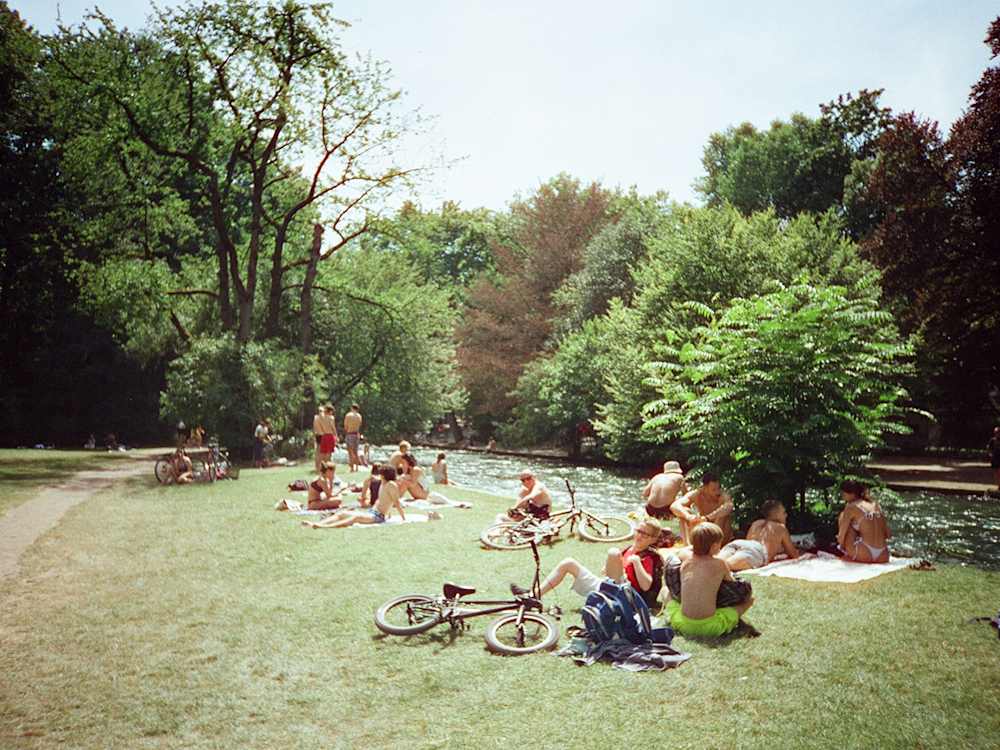
To get to Isarstrand from Altstadt, walk towards the Kabelsteg bridge — you’ll see people lounging on the banks on both sides. After crossing, walk upstream a little before entering the water, as you’ll be laying back to let the stream carry you along. It’s shallow enough so your feet can reach the bottom (swim shoes help with the pebbles), but be mindful — the Alpine water is cold and the current is fast. Avoid the locks and weirs, and hold off on entering the water for 48 hours after a rainstorm to ensure it’s clean.
Isarstrand is also right next to Museumsinsel, home to the highly rated science- and technology-focused Deutsches Museum. Take a moment to visit its rooftop bar, Frau im Mond — from up here you can take in panoramic views of the river.
Watch the surfers at the Eisbach Wave
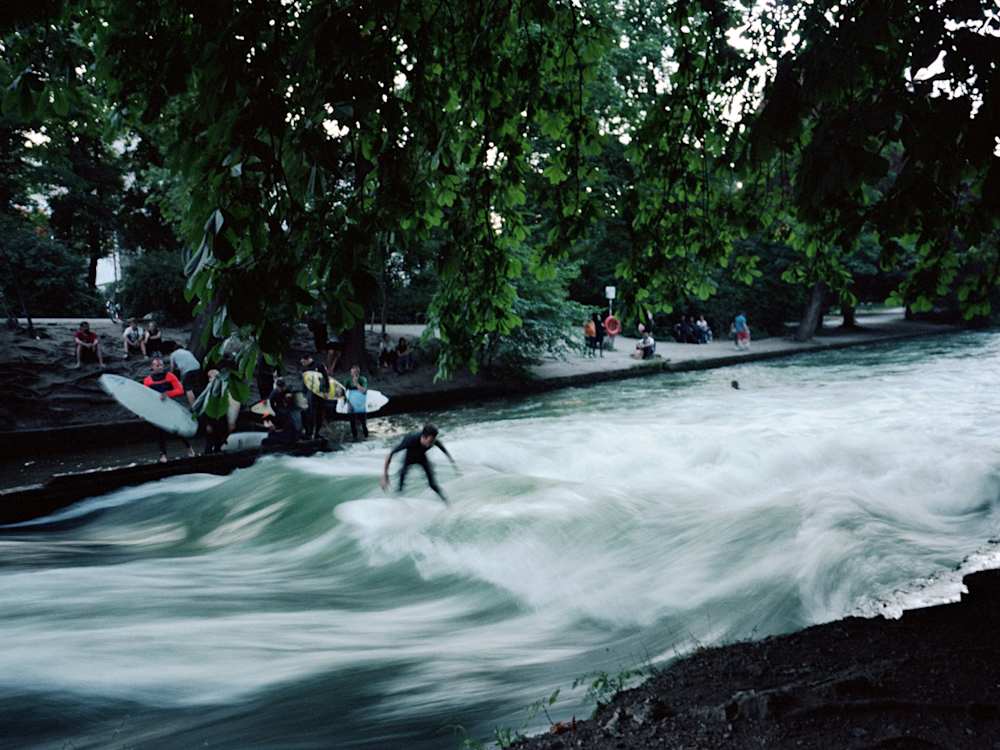
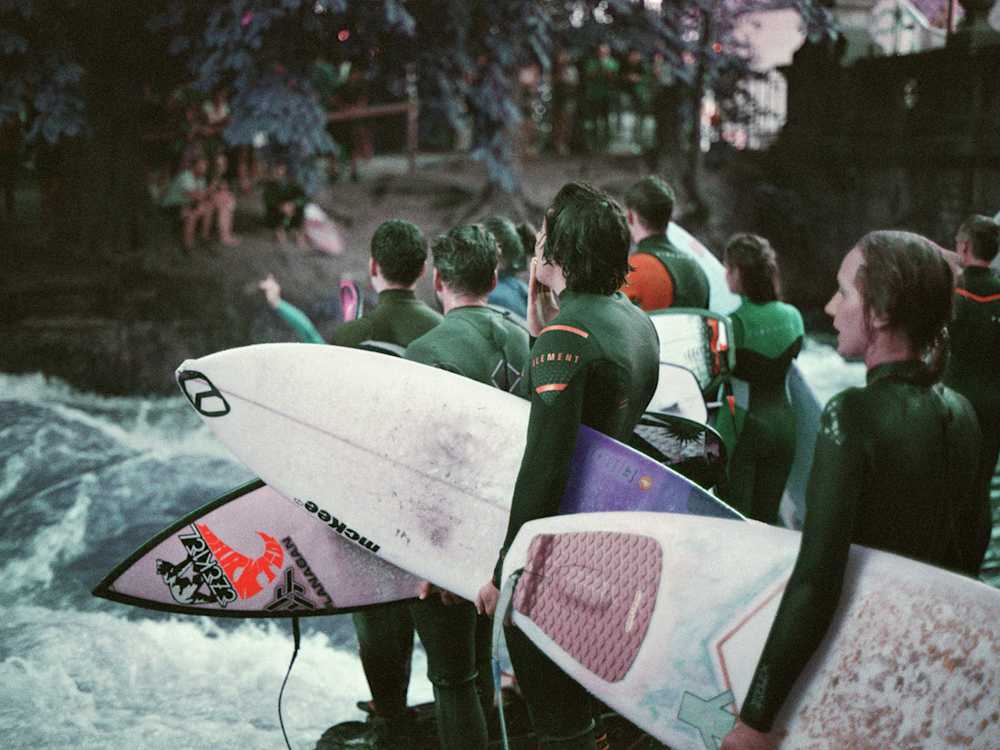
The Eisbachwelle is a strange and wonderful thing: a constant wave designed for surfing, right in the centre of a landlocked city, thanks to underwater structures that work with the current to create self-sustaining rapids. It’s a unique and quintessentially Münchner experience that draws board riders from all over the world, keen to test their mettle. It’s set on the Eisbach canal in the English Garden, and passers-by gather on the tree-lined banks to watch people ride it. If you’re keen to try it yourself, keep in mind that the wave is for experienced river surfers only.
Explore the English Garden
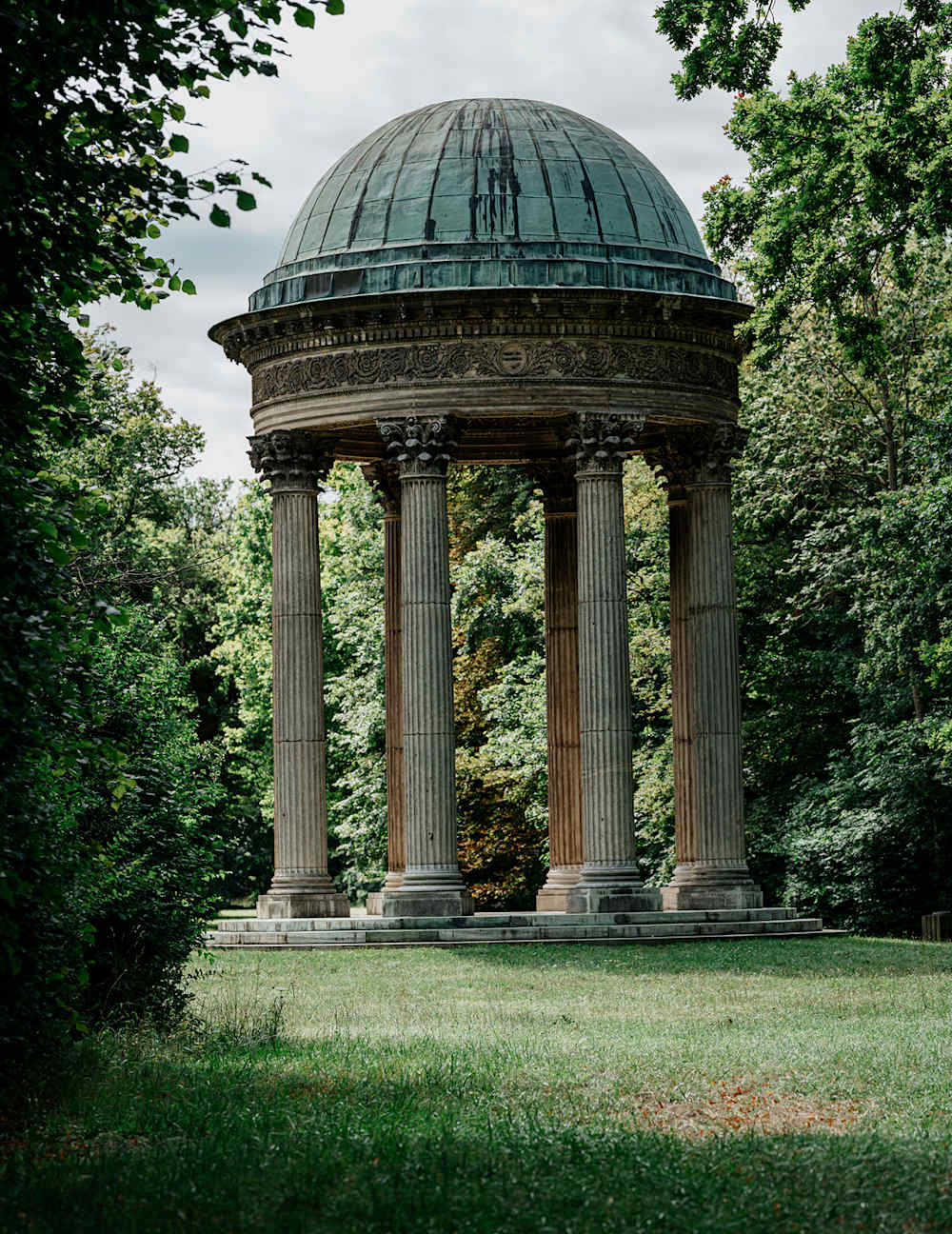
‘Nature only creates a picture by accident, art does it intentionally,’ said landscape gardener Friedrich Ludwig von Sckell, justifiably pleased with himself after he created the Englischer Garten in the late 18th century. At 5.5 kilometres in length, Munich’s major green lung is one of the largest urban parks in the world, criss-crossed by walking and cycling paths. There are ample spots where you can cool off in the River Isar after a picnic, and the Chinese Tower is actually a beer hall where you can grab a livener and a pretzel while listening to the free brass music that plays throughout the summer.
Wander the Altstadt
For a city of 1.6 million people, Munich has the feel of a much smaller town. It’s due largely to the relaxed Bavarian attitude, but the Gothic architecture (with a smattering of Jugendstil) adds to its charms. Your path will often lead you back to central square Marienplatz, where you can linger by the Fischbrunnen fountain and admire the Old and New Town Halls. Try to catch the chimes of the popular mechanical Glockenspiel clock at 11am and noon (5pm too during summer), when painted figurines put on a show.
But you may end up spending all your time at Viktualienmarkt, which has over a hundred stalls selling local specialities. Try the Leberkässemmel (meatloaf in a bun with pickles and sweet mustard), then head over to its beer garden where brews on tap rotate between the ‘Big Six’ Munich breweries (the only beer garden here that does so). Before you leave, take a moment to admire the maypole, decorated with tiers of figures in tableaux of historic city life.
Where to eat and drink like a local
Not far from Isarstrand is Bavarian restaurant Wirtshaus in der Au, where you can sate any curiosity about regional delicacies in relaxed, historic surroundings (it’s famous for its dumplings). There’s an outdoor beer garden too, where you can toast with a hearty ‘Prost!’. (Just be sure to clink each person’s glass individually, and make eye contact while doing so, or, as legend has it, you risk having seven years of bad sex.)
Grape-over-grain types can order a glass of Riesling or Burgunder at Weinhaus Neuner, the city’s oldest wine house, dating back to 1641. Or try out Grapes, a casual, contemporary wine bar with small plates. Die Goldene Bar at Haus Der Kunst is the city’s preeminent cocktail spot, especially from the terrace on a sunny evening, when daring surfers drift in after tackling the nearby Eisbach wave.
Where to stay
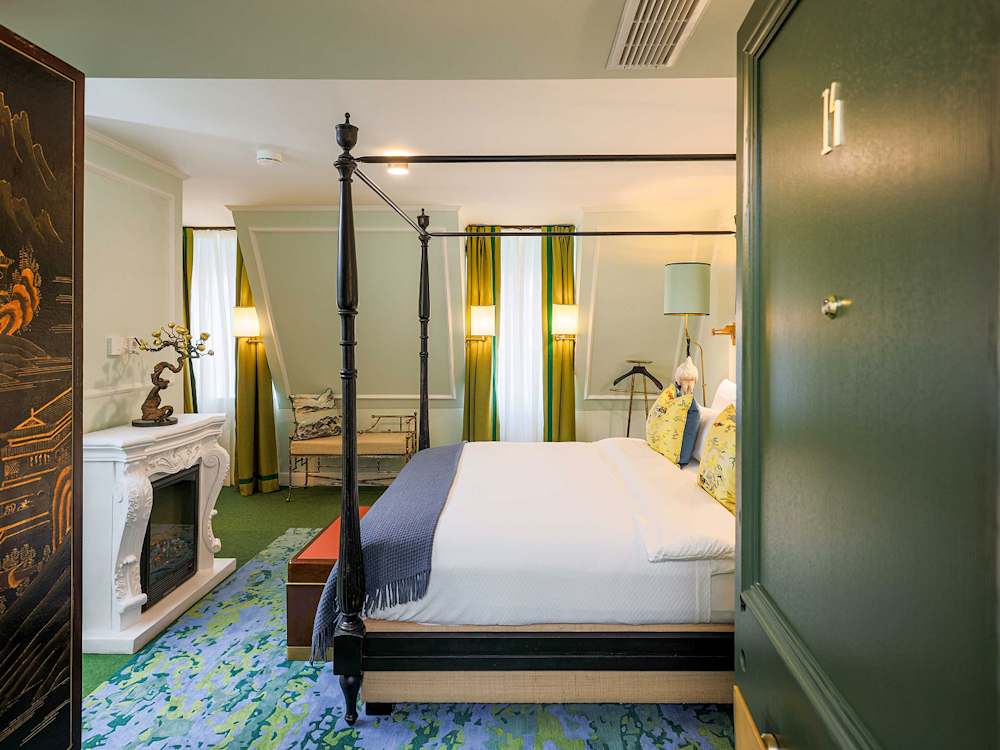
Named for the city’s emblem, a hooded childlike figure, the (actually adults-only) Münchner Kindl hotel is the right address to retreat to during Oktoberfest, where the ceiling murals are a nod to the city’s street art and there’s a rooftop sauna for those in need of a reset. It’s ideally located in the Altstadt, equidistant between the beer halls and the river, which are both an easy and scenic 20-minute walk away.
Munich at a glance
Packing tips: The weather can be changeable during Oktoberfest. One day it’s summery, the next you need a jacket and scarf — pack layers you can add as needed. Make sure to bring a reusable water bottle: Munich has over a hundred classic fountains dispensing clean water that’s safe to drink — look for signs that say ‘trinkwasser’.
Transport: You can catch the S-Bahn train from international travel hub Munich Airport into the city centre (around a 40-minute journey). A taxi will take around 30 minutes.
Getting around: With fast, frequent departures, the S-Bahn and U-Bahn are the best ways to get around Munich and its surroundings. The MVGO app provides live departure information, and you can buy digital tickets through the MVV app.
When to go: Oktoberfest is busiest during the middle weekend, so you might want to time your visit for the weekdays to avoid the biggest crowds. Mornings can also be a little quieter.
Before you go: Book your tickets to the beer tents in advance as they do fill up, especially if the weather isn’t the best. Learn a few German phrases too — Bavarians have a lot of unique expressions. Start with ‘servus’, which is how Bavarians say ‘hello’. Or you can try out ‘hab di gern’ (I like you) if someone’s caught your eye, or ‘spitzbua’ (rascal) for those you’re less keen on.
Insider tip: If you want to buy your own authentic Bavarian dress, consider travelling to a rural trachten shop for a dizzying array of choices at affordable prices. Trachten Stoiber in Buchbach will give you a true Bavarian experience, but be warned: it will take the whole day (the shop will let you put your picks to one side while you go for lunch) and you might need to brush up on your German — staff do not always speak English.
Book your alcohol-optional Munich break