



If you’ve stayed at one of The Pigs’ cosy country outposts, you’ll know there’s a rustic, rooted wholesomeness to the whole operation. Beyond the feels-like-home vintage furnishings and free-for-all wellies, a crack team of gardeners keep their green fingers busy in viridescent surroundings, playing grocer for the chefs who have their pick of an impressive range of micro-seasonal bounty.
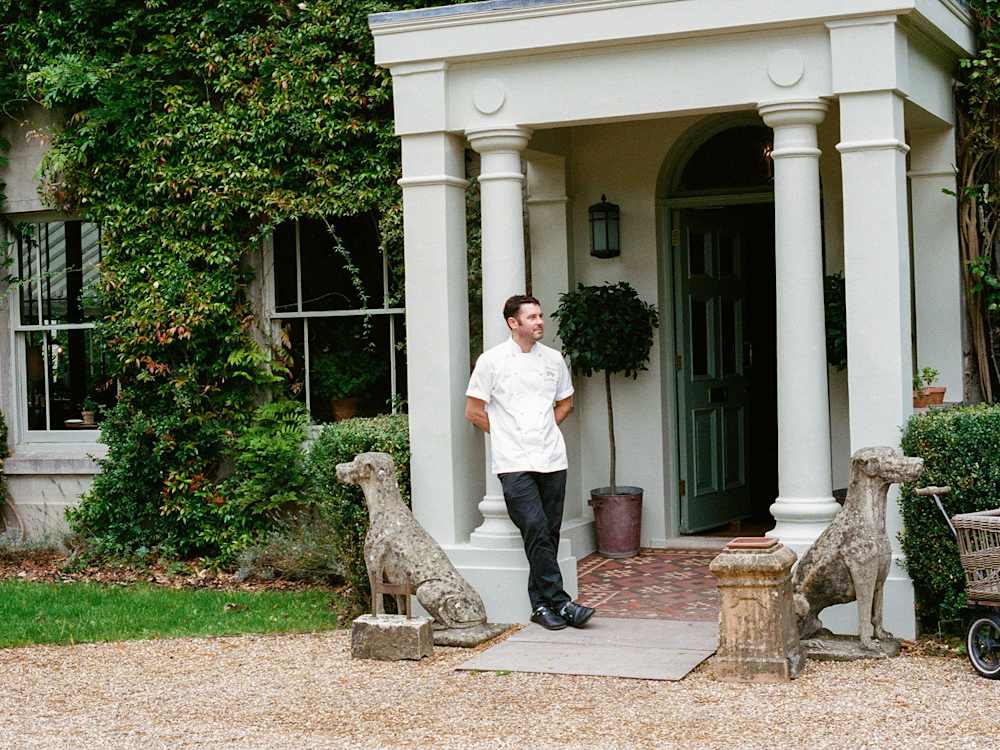
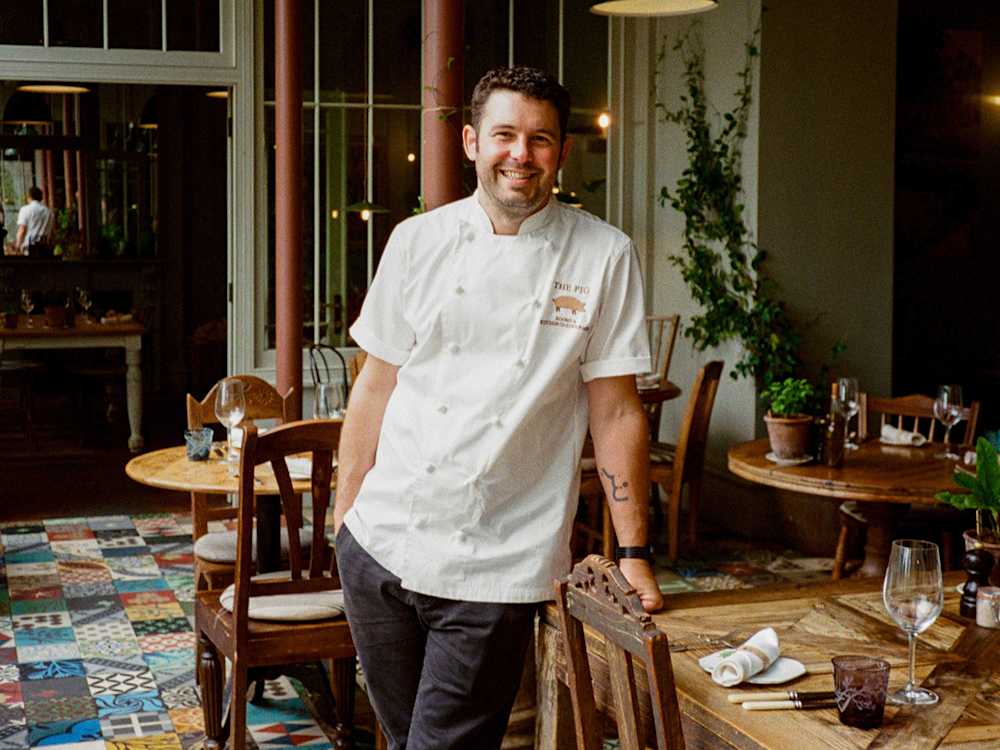
Group Head Chef Andy Wright has covered a bit more ground than the group’s famous 25-mile menu — which unleashed a locavore revolution — moving up from the original Pig in the New Forest to also oversee The Pig on the Beach and The Pig in the Wall so the seasonal and local element is ‘ingrained’ into the day-to-day rhythm of his work.
Mentoring chefs and developing menus across sites, he ensures ‘Pig standards’ are upheld. Working closely with the gardeners has changed his outlook when it comes to ordering, so now he ‘tries to utilise all elements after seeing the love put into growing [the produce]’. This hasn’t limited his output, as those 25 miles go far indeed: ‘Our locations mean that the hauls can be varied, from seashore vegetables to fruits, mushrooms to herbs.’
But there’s a whole ecosystem of care in place at the Pigs. ‘Being a force for good has been part of our DNA since day one,’ he explains. ‘From the beginning, we’ve made conscious choices that put people and planet at the heart of everything we do.’ The group’s still a strong advocate for holistic hospitality and sustainability, so in its 15th year since its flagship opened — with new stays in Kent and Stratford–upon-Avon being added to its litter in 2026 — we asked Wright to enlighten us about how the hotels stay as green as their kitchen gardens.
ADOPT A GROWTH MINDSET
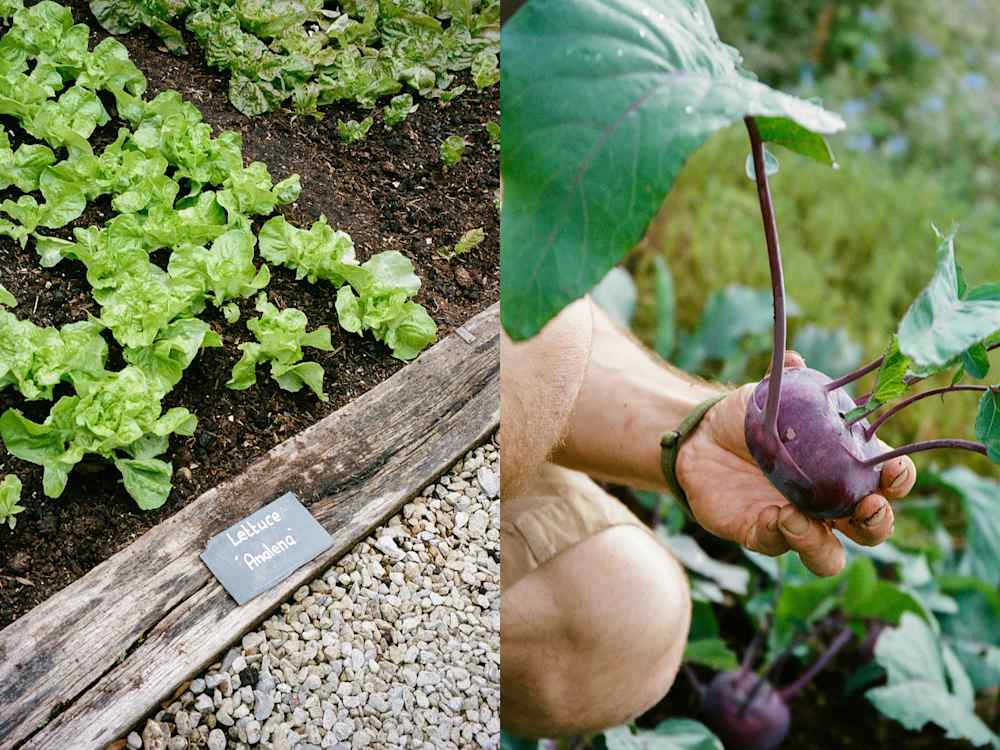
‘We can grow a lot of our own produce. This means full traceability. Growing our own also means a huge reduction in food miles, as we only need to step out into our own gardens to harvest produce for our restaurants. We’re keen on pickling, salting and smoking produce, which means we can continue to serve homegrown ingredients even in the ‘hungry gap’ (the period in late spring when winter stores have depleted and new crops have just started to grow). Every dish will have been touched by our kitchen garden in one way or another.
I think it’s important to treat the produce with as much respect as you would meat or fish. When you have such amazing vegetables from the garden or local area, really letting the ingredient do the talking is key. This time of year is great — this year especially for penny bun and cep mushrooms — but by the end of each season you’re looking forward to the next season’s bounty.
As well as growing our own, we also rear our own. We have a whole host of animals across our litter. Our menagerie includes pigs (obviously!), hens, a herd of fallow deer, sheep and quail. Rearing our own animals means assurance on animal welfare, lower food miles, full traceability and less waste.
However, I completely understand not everyone can grow their own, we’re very fortunate to be able to do that. Where it isn’t possible, I would certainly encourage buying locally — there are so many brilliant producers out there. [In Dorset we have] Meggy Moo’s Dairy Farm, [where milk is] pasteurised but not homogenised. They also recycle the water used to cool milk for irrigation, have a heat-recovery system from fridges to heat water, and use solar power and crop rotation. And we have Isle of Wight tomatoes, too.’
TOTAL TRANSPARENCY
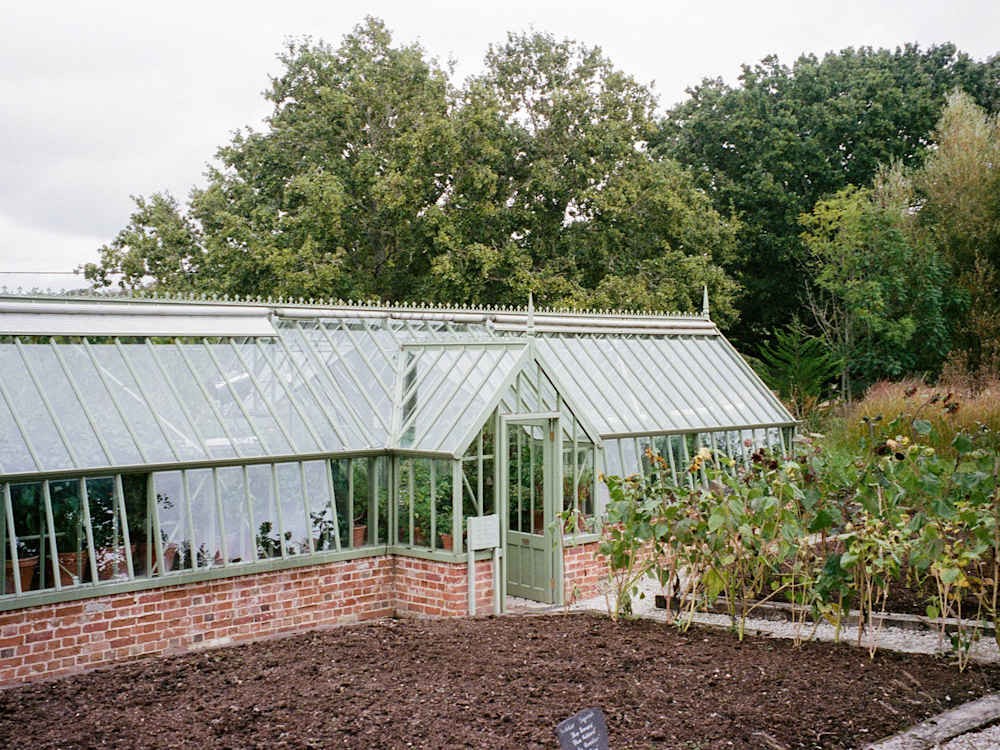
‘Transparency is really important to us, so we can be honest with our guests about where our ingredients and products have come from, which in turn encourages us to work with the best of the best, making sure we are proud to share the details of our supply chain.
If you have eaten at one of our restaurants, you’ll be familiar with the maps on the back of our menus, showing who our key suppliers are and where you can find them. We also share supplier shout-outs on our website and social media, to showcase the brilliant producers who we love to work with.
Where we can’t source locally, we still look to find the best from further afield. A small number of essential items cannot grow in our climate. As we cannot visit these suppliers with ease, we look to third‑party certification — relating to positive social and/or environmental performance — for the assurance we are buying the best both in terms of quality and ethical and environmental standards. For example, we work with Origin Coffee — a fellow B Corp, who use a direct-trade model and bring the coffee beans from Brazil across the Atlantic in a sail ship.’
WASTE NOT
‘We separate our food waste from our general waste and are always looking at [how] we can implement innovative ways to tackle and reduce food waste. These include a nose-to-tail approach to cooking; pickling and preserving fruit and vegetables from our kitchen gardens; offering small-plate options on the menu; changing our menu daily; ordering items in bulk where possible; and getting creative and making ‘upcycled’ dishes — for example, if there are surplus croissants from breakfast, we will use them in desserts.
The wider industry could operate more sustainably by finding ways to embrace transparency, reduce waste, and grow/rear their own produce — or all three.’
BUILDING COMMUNITY
‘Each hotel also has a local charity partner who we support via fundraising, volunteering, awareness-raising and financial support. Across the Pigs we help a variety of causes, both social and environmental.
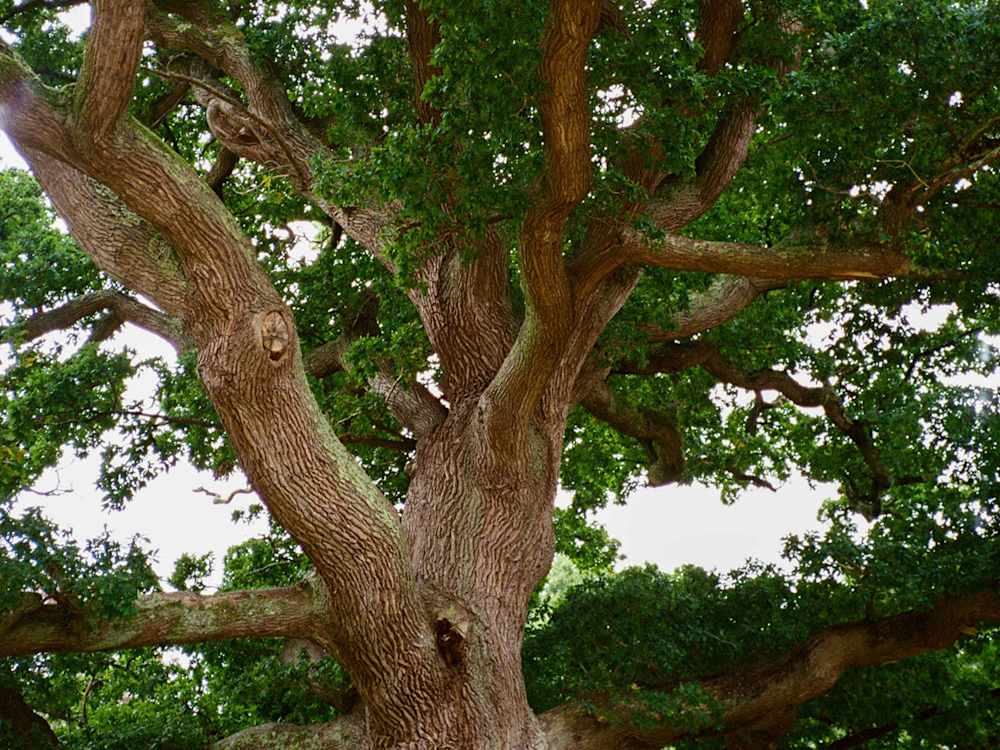
At The Pig in Brockenhurst, we’ve partnered with the New Forest Trust, a charity supporting the conservation of the unique landscape we call home, as well as protecting the forest wildlife and traditional ‘commoning’ (self-organising) way of life. So far, funds donated have gone towards animal-conservation books, a goshawk-monitoring project, putting salt licks in safe places to prevent animals wandering into roads, and eradicating non-native, invasive plant species.
At The Pig on the Beach, we work with The CRUMBS Project. It’s an amazing organisation based in Bournemouth, just down the road from the hotel, who work to change the lives of adults living with disabilities, neurodivergence, mental-health conditions, stabilised addictions or acquired brain injuries. They do this via hospitality-based ‘training for independence,’ and create pathways to work, which empower these disadvantaged adults to lead more fulfilling lives.
We care passionately about hospitality training and development at The Pigs, so it made complete sense for us to partner with them.’
Quick-fire round
Tell us about a trip that most inspired your cookery style.
I love to travel and think you take something from everywhere. Most recently, in Thailand, the [food’s] balance of spice and acidity was something that I found really intriguing.
You can hop to three countries for breakfast, lunch and dinner — where are you going?
Australia, Thailand and Peru.
You’ve been tasked with creating an in-flight menu. What’s on there?
Light, ceviche-style fish dishes and veg-based salads — a heavy meal on a plane just isn’t comfortable.
You’ve snuck some minis onto the plane. What cocktail are you making?
Rum sours.
Room service: what are you ordering?
A decent burger.
Which dish instantly transports you home?
A roast dinner.
Which dish from your travels do you wish you’d created?
Steak tartare.
Which ingredient could you not live without?
Salt and butter.
What’s your guilty-pleasure holiday treat?
A bag of Haribo.
Favourite restaurant for blowing the budget?
Either The Ledbury in London or Ynyshir Restaurant in Wales.
Save the planet in style by booking into a Pig hotel (or another of our sustainable stays); or work up an appetite by reading more of our interviews with top chefs