


In September 2025, the 25th edition of the World Gourmet Festival was held at Anantara Siam, Bangkok, a city long celebrated for its non-stop hedonism. In the 26 years since the festival was inaugurated, Bangkok has become Asia’s leading food destination — able to attract some of the most celebrated chefs in the world, while also pushing the boundaries of Thai cuisine into new territory.
‘I was excited to be a part of the World Gourmet Festival because of the amount of interesting chefs I could work with and connect with during this event,’ says Santiago Fernandez of two-Michelin-star-holding Maz in Tokyo, ‘not only from Thailand, but also from abroad.’ In addition to homegrown stars like The World’s Best Female Chef 2025 winner, Pichaya ‘Pam’ Soontornyanakij of Potong restaurant, it also brought in international talent such as Eric Kragh Vildgaard from Copenhagen’s latest three-Michelin-star restaurant Jordnær, and Dave Pynt from Burnt Ends, which is known for having the longest waiting list in Singapore. Such a gathering of luminaries may indicate how far Bangkok has come when it comes to culinary clout, but for some of the chefs attending, the real allure was in the city itself.
‘What drew me to the World Gourmet Festival this year wasn’t just the event itself,’ says Vaughan Mabee, the renowned executive chef at Amisfield in New Zealand, ‘but the energy around Bangkok. There’s a real sense that something important is happening there.’
When it comes to the vibrant street-food culture that feeds millions daily, Bangkok’s options are seemingly endless. Across its bustling open markets and tucked-away, hole-in-the-wall spots, the streets overflow with flavours, aromas and textures. There are fragrant Thai boat noodles, smoky skewers of satay, charred banana-leaf parcels filled with coconut sticky-rice, golden seafood omelettes crisped to perfection, tangy and aromatic tom yum, and countless other delights that tempt the senses at every turn.
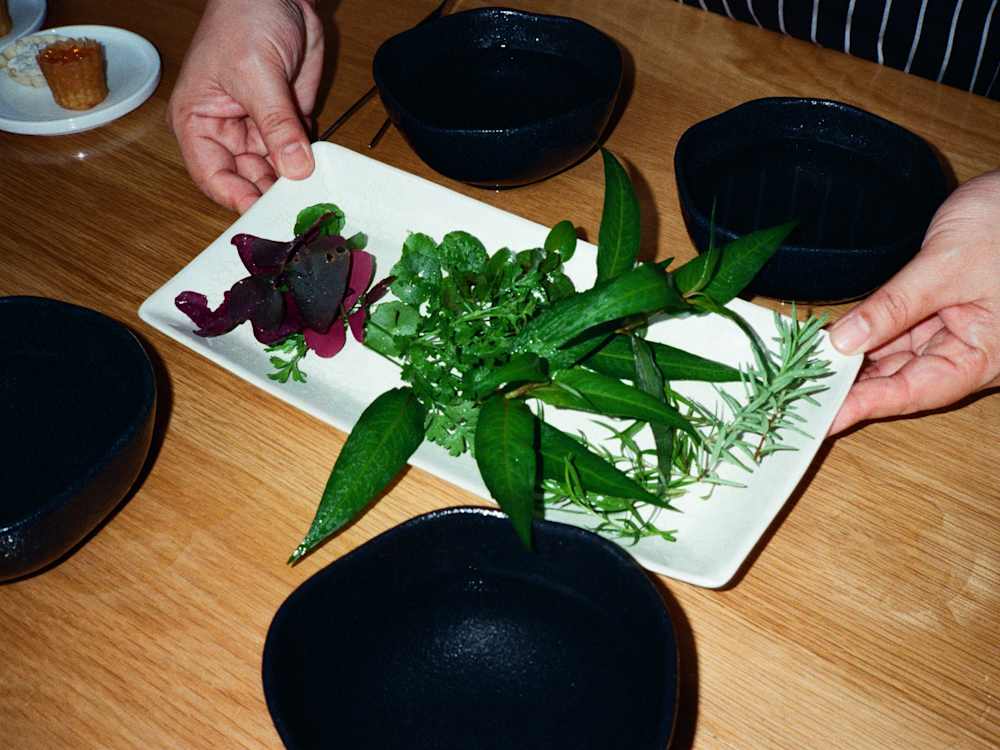
Capella Bangkok
‘Bangkok has become one of the world’s great food cities because it still has soul,’ Mabee says. ‘The markets, the smells, the chaos: it all reminds me of why I cook. It’s not polished in a fake way; it’s alive.’
Today, the city has it all. Beyond street food, there’s specialty coffee (try Mother Roaster and Rise Coffee), natural wine bars (try Chenin and Mod Kaew), some of the world’s best bars (try BKK Social Club and Bar Us) and excellent casual Thai options like Soma and Charmkrung.
But it’s only in the past decade that Bangkok has earned a reputation for fine dining, after years of French dominance; and with it, the city’s culinary confidence has never been higher. It was upmarket Indian restaurants such as Gaggan that first diversified the category and put the city on a fine-dining map — success continued by newer spots such as Haoma, with its award-winning wine list, and the phenomenal two-Michelin-starred Gaa, which offers a champagne pairing that amplifies signature dishes like durian curry to a whole new level.
‘Bangkok has always been a place where different culinary influences come together,’ says Prin Polsuk, chef-owner of Samrub Samrub Thai, who also partook in the World Gourmet Festival. But Thai cuisine has risen in status due to a willingness of Thai chefs to dispel misconceptions and highlight its diversity. ‘Thai food isn’t just about strong flavours or spice,’ Polsuk explains. ‘It’s about balance, variety, and a sense of harmony in the way dishes are served together.’
For Thai-cuisine guru and chef-owner at Aksorn David Thompson, the ascent of Bangkok’s dining scene was inevitable. ‘Bangkok’s changed — there’s more outward appreciation of it,’ he says; but, ‘the Thais have always known how good their food was. They’re chauvinist. Nothing is ever quite as good. And they’ve got a point.’
Thompson uses a metaphor to capture its magic: pointing to the awnings of a temple. ‘What could seem jarring and garish in the cold light of day glistens so shimmeringly and so attractively at night.’ The reason for Bangkok’s culinary rise is that Thai cuisine has the same qualities, he suggests. ‘When you put it on the palate and you let it sit, [what you’re eating] shimmers in the same way. With its combination of taste, it should jar, but somehow it doesn’t.’
A comprehensive guide to where to eat in Bangkok
The best of Thai fine-dining
Aksorn
Located on the fifth floor of a heritage building on Charoenkrung Road, David Thompson’s restaurant serves dishes that are complex, layered and near-pulsating with heat, yet defined by aromatic precision and a feather-light touch. Rooted in old cookbooks, the meal is an exhilarating journey — from southern-style grilled chicken and coconut-cradled blue swimmer crab to a mind-blowing durian pudding.
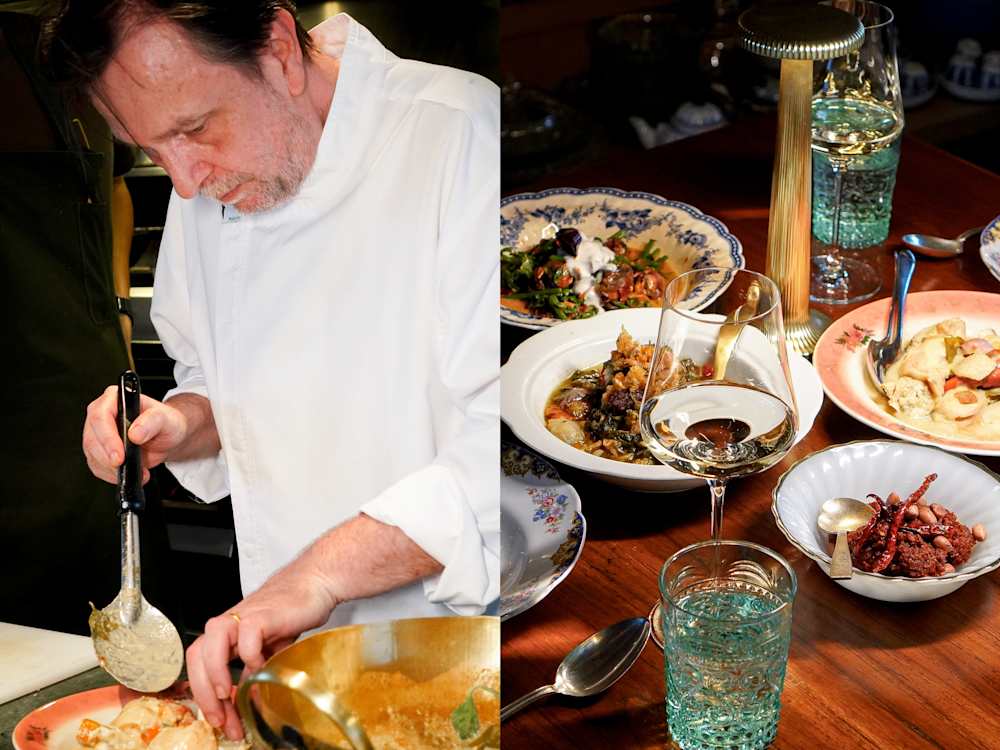
Aksorn
Sorn
Sorn is rewriting the rules as Thailand’s first three-Michelin-star restaurant — serving pristine produce cooked southern-Thai style, without Frenchifying anything. From an Andaman squid skewer in black ink, stuffed with lobster and aubergine; to a raw seafood plate of blue crab, snail and rainbow lobster, and a fiery blue-crab stick with chilli paste and mud-crab roe — dishes roar with a precise balance of heat, salt and umami.
Samrub Samrub Thai
Rooted in the research of old cookbooks, temple manuscripts and recipes composed in family kitchens, this low-key spot completely reinvents its menu every two months to spotlight a different region of Thailand, with dishes that are vivid, texturally diverse and almost minimalist in their precision — a light-handed approach that makes every element feel alive and understood.
Wana Yook
Wana Yook serves a menu defined by generosity, playfulness and an appreciation of texture — lots of crunchiness, fine details and tidy, easy-to-eat plates that feel authentically Thai even when beautified. From velvety chicken broth and sour-orange curry with crisped morels and okra; to coconut- and pandan-based desserts with mochi-like granitas and sparing molecular touches, every dish is modern, sophisticated and thoughtfully composed. The menu reinvents itself every four months, so the chefs keep surprising you.
Street-food destinations
Chinatown
The area offers a vast array of Chinese-Thai delights, from braised pork ribs and crispy belly on rice with mustard greens at Nai Ek Roll Noodle; oyster omelette at Nai Mong Hoi Thod; and pork offal noodles in white-pepper broth at Kuai Chap Nai Lek Uan. Head to Yaowarat Road at night and feast on steamed crab glass noodles and prawns the size of lobsters at T & K Seafood, but save some room, and follow your nose.
Talat Noi
Talat Noi is an artfully regenerated neighbourhood and hotspot for street food, where you can find well-seasoned drumsticks at Fah Fried Chicken; pork and fish-ball egg noodles at Kway Teow Roo; red-pork rice with crackling and orange egg at Khao Moo Daeng Si Morakot; and sweet coconut pancakes at Tum Lub Thai Khanom Krok.
K. Panich
Serving mango sticky-rice since 1932, this beloved, family-run eatery has mastered the popular dessert — so much so, it was awarded a Michelin Bib Gourmand for the dish in 2019.
Or Tor Kor Market
A slightly more upmarket food market, with spectacular pork satay, moo ping (grilled pork skewers), chor muang (flower dumplings), and much more to feast your eyes and belly on.
Where to stay (and what to eat there)
Rosewood Bangkok
At the refined Rosewood Bangkok, the 30th-floor speakeasy bar Lennon’s houses one of South-East Asia’s largest vinyl collections, with 6,000-plus records. Breakfast is served at all-day Thai brasserie Lakorn, and, by the pool, G&O café offers excellent Thai tea. But the hotel’s culinary highlight is Nan Bei, a sleekly designed restaurant showcasing the finest Chinese cuisine, from tender char siu pork and rice-noodle shrimp rolls with caviar, to expertly prepared Peking duck.
Capella Bangkok
This elegant hideaway is home to Phra Nakhon, which serves Thai cuisine in a serene, riverside garden setting, while the glamorous cocktail salon Stella — with its striking white-peacock centrepiece — exudes romance. Capella Bangkok’s culinary highlight, Côte, is a two-Michelin-star-holding, fine-dining masterclass, with a menu conceived by noted chef, Mauro Colagreco. He brings the French Riviera to Bangkok, in dishes such as trofie pasta with langoustine and black sesame, that would have even fervent Italian traditionalists eating their words.
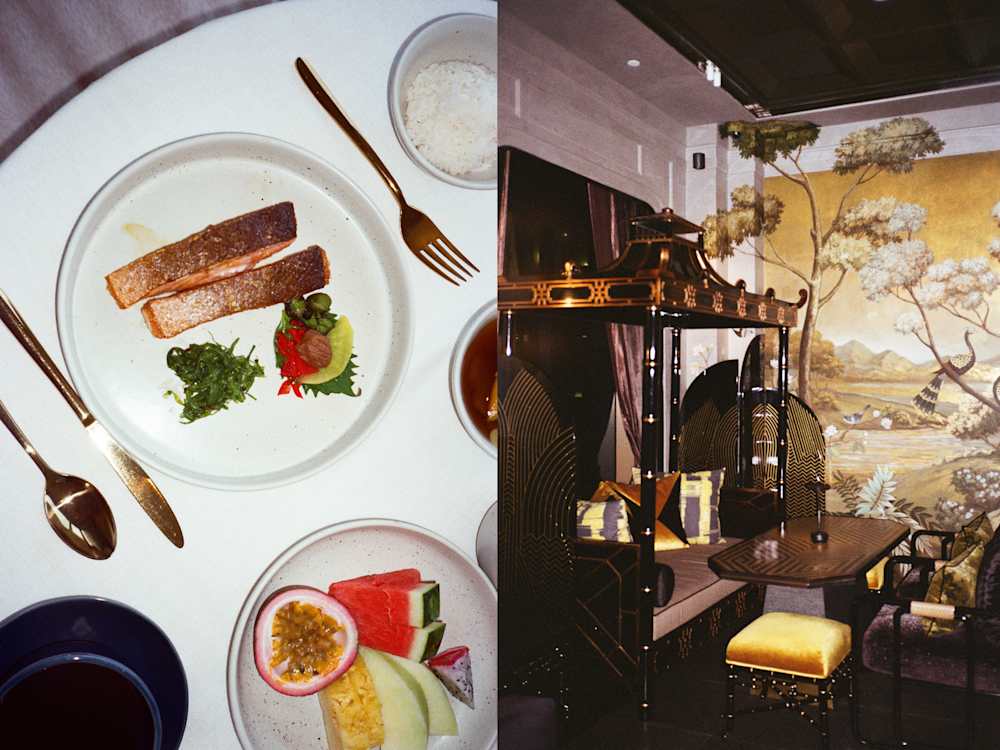
Capella Bangkok
The Siam
At The Siam hotel, heritage Thai decor meets art deco to create cinematic spaces. Breakfast by the Chao Phraya River under a black canopy, starting with khao mok gai (grilled chicken with turmeric rice) and a lemongrass-infused drink; and finishing with warm honey-drizzled, longan-stuffed toast, topped with Chiang Mai strawberry butter, caramelised fig and pistachio.
Aman Nai Lert
In Aman’s hot new Bangkok property, located in a seven-acre green oasis, Japanese cuisine is given the spotlight. At Sesui, there’s exquisite omakase, and at Harari, sizzling teppanyaki — with both restaurants offering an intimate counter-table experience. More culinary delights await at the group’s signature Italian restaurant Arva; and local Thai flavours can be enjoyed on the terrace at 1872, Aman Nai Lert‘s all day-dining venue.
Continue your dining odyssey with our culinary collection, or get to know Bangkok better with our 48-hour guide to the city and full collection of luxury hotels there