



We close the gate behind us and head up the hill, where a trail of strategically laid stones marks our path to the lighthouse. Not everyone gets to see this special part of Henningsvaer up close — the ‘private property’ sign generally keeps the tourists at bay — but somehow, within a few hours of arriving here, my partner and I bagged ourselves an invite. The charming property belongs to Norwegian art collectors Venke and Rolf Hoff, who helped put Henningsvaer on the culture map more than a decade ago when they bought a former caviar factory and turned it into one of the world’s most remote contemporary art galleries.
We tour the lighthouse with Venke, who guides us through room after room, each revealing a view more otherworldly than the last. Finally, we step out onto a compact terrace overlooking a string of smaller islands that rest like waterlilies in the still Northern Sea. She’s thought about offering the space to the UN, she tells us, to have them bring diplomats and world leaders here to hash out global affairs.
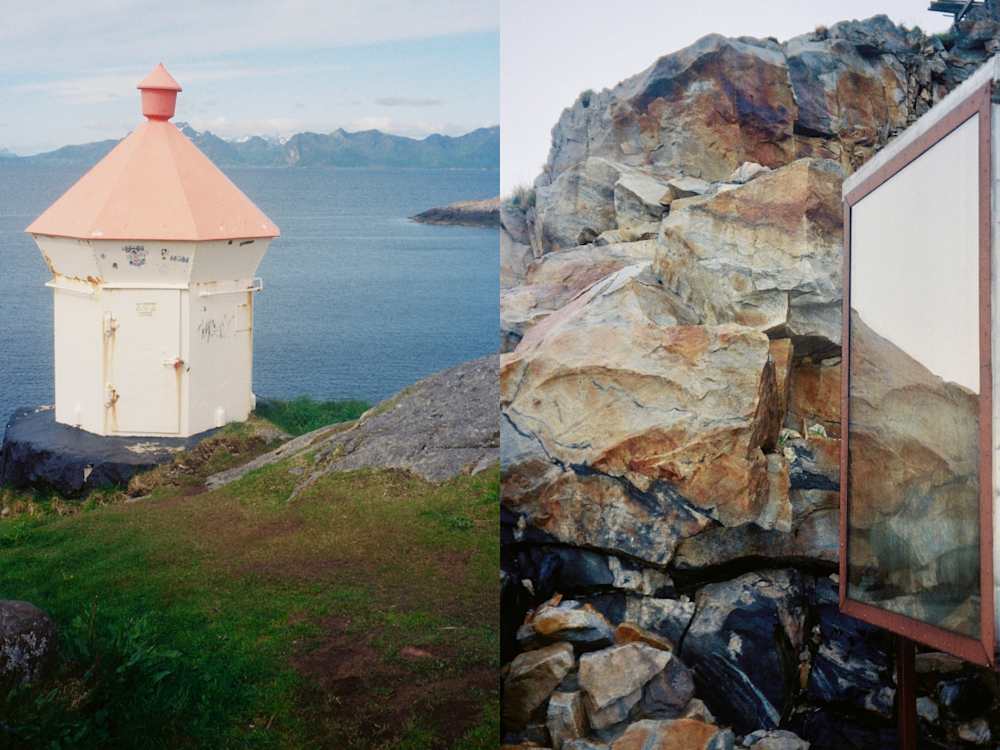
It’s not a bad idea; this edge-of-the-Earth perch harbours a sense of peace so profound that it’s hard to imagine a temper it couldn’t cool or an ego it wouldn’t shrink. But until then, it’s on the market. I begin to fantasise about the dinner parties I could host under a cape of dancing green auroras, afternoons spent hopping between the sauna and the sea, summer nights that go on and on under the region’s midnight sun. Then, I spot the seven figures posted on the listing. Never mind.
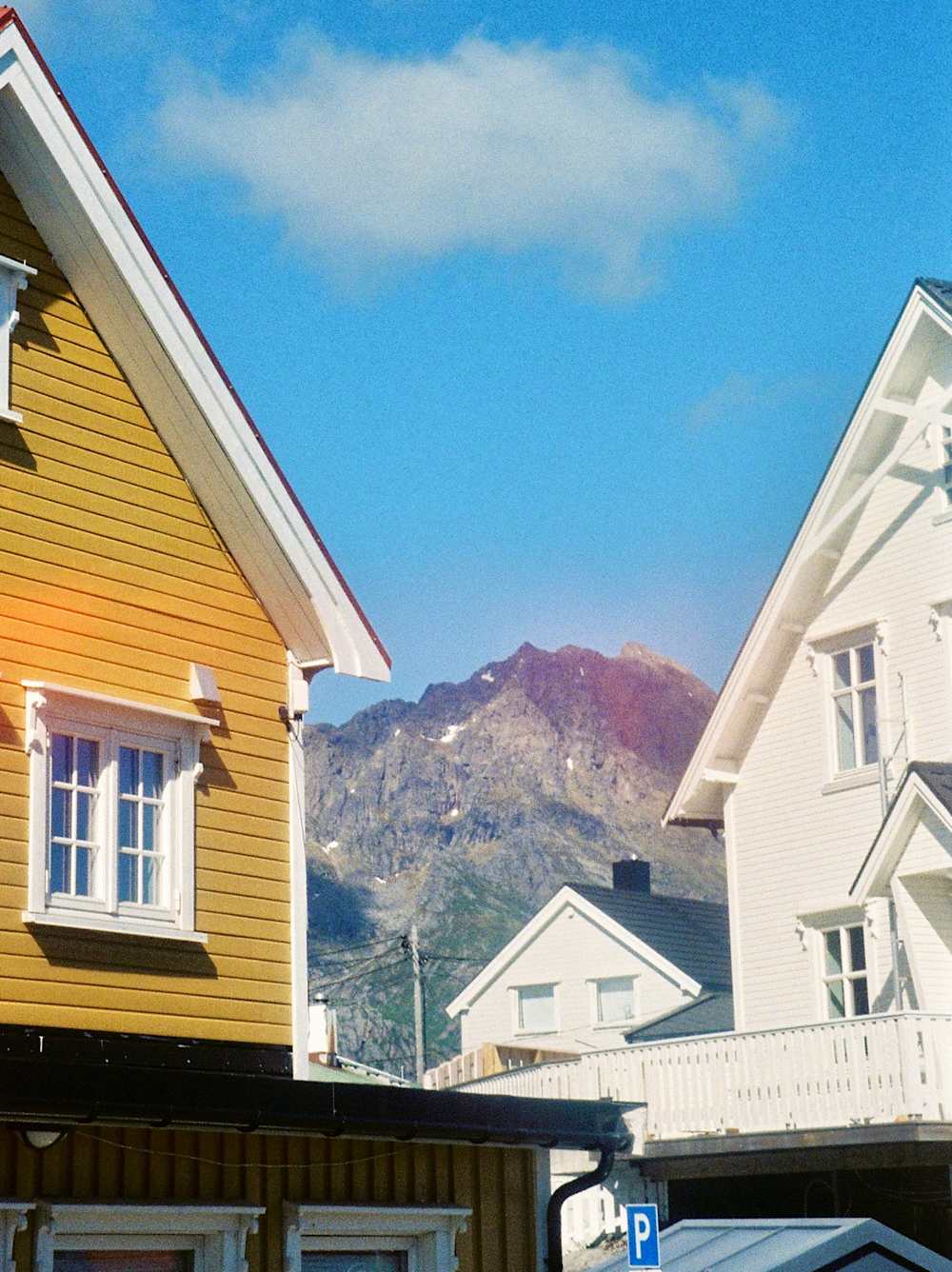
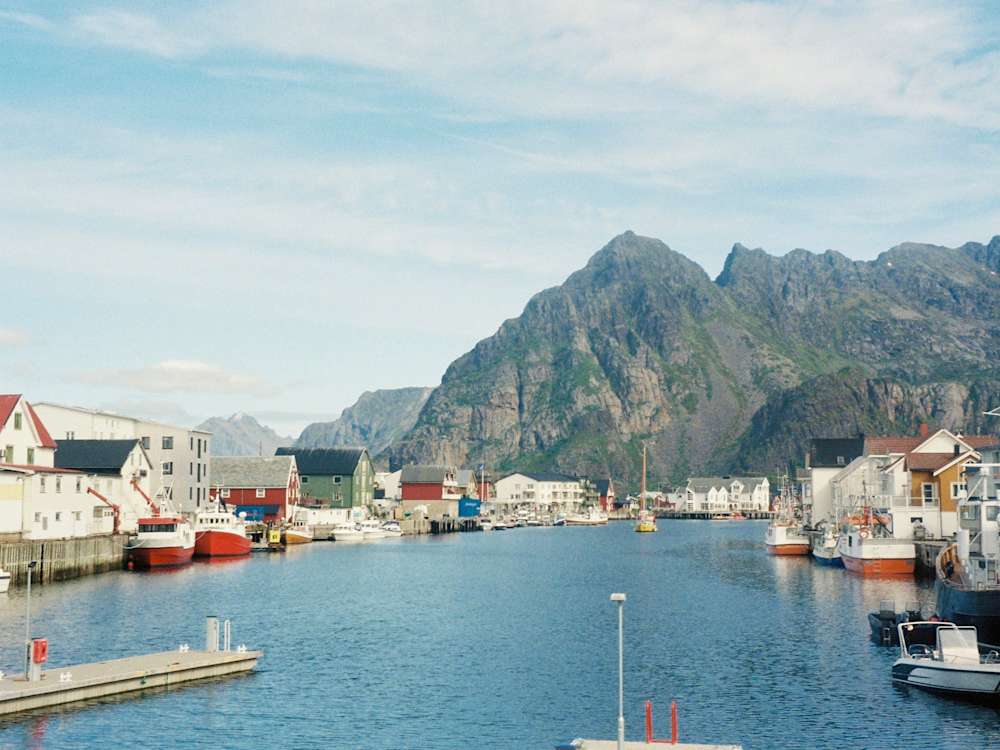
Located on the southernmost tip of Austvågøya (the largest, northernmost island in the Lofoten archipelago), Henningsvaer has a typical history for the area. It made its fortune from fishing and was sustained for centuries by the winter cod migration, a tradition that continues today, as evidenced by the towering wooden racks flanking the hillsides on which catches are hung. However, in almost every other way Henningsvaer sets itself quite apart. The first thing you’ll notice are the colours. Defying the region’s typical palette of red and yellow, the houses here are a patchwork of kaleidoscopic hues. The second is its unique geography, a network of small islets stitched together by bridges. The third, and perhaps most significant, is the unusual number of young creatives who call this place home.

While remote towns tend to lose their youth to the urban pull of Oslo or Bergen, Henningsvaer acts as a magnet for artists, designers and surfers, all of whom lend it a distinctly bohemian spirit. Its artistic appeal is nothing new. Sandwiched between the Vestfjord and the razor-edged peak of the Lofoten Wall, Henningsvaer has drawn creatives since the late 1800s, when painters like Gunnar Berg, Otto Sinding and Adelsteen Normann first committed the landscape to canvas. But that early golden era didn’t last, and Henningsvaer later entered a period of great decline, completely cut off from the rest of Lofoten until a bridge road was built in 1983.
By the Nineties, however, a collective of craftspeople had begun carving out a new identity for the town, setting up shop in its historic waterfront buildings. When Venke and Rolf opened Kaviar Factory in 2013, Henningsvaer’s transformation was well underway. The gallery, a converted fish-roe-processing plant, helped to cement the town’s reputation as an international art destination, showcasing works by the likes of Ai Weiwei and Yoko Ono.
As we make our way back down the path, we skirt the edge of what has been called the most beautiful football stadium in the world. Perched on a rocky outcrop and built by levelling the solid bedrock, it’s one of just a few pitches on Earth where clearing the crossbar risks sending the ball straight into the sea. It sets the tone for a weekend of unexpected cultural encounters. One afternoon, we’re passing a clutch of traditional rorbuer (fishermen’s cabins) when we spot a DIY gallery space housed in a garage, where sea urchins have been fashioned into light-up sculptures. An hour later, we discover a 19th-century church that mimics the wooden fish-racks surrounding it. We turn a corner and meet Jim, the local candlemaker, who shares his favourite local delicacies while wiping down his wax-splattered workbench; we lose track of time dipping into cafés for flat whites and craft beers soundtracked by indie classics. At one point, we follow a fanfare of brass notes to find a local marching band playing with the Lofoten Wall as their backdrop.
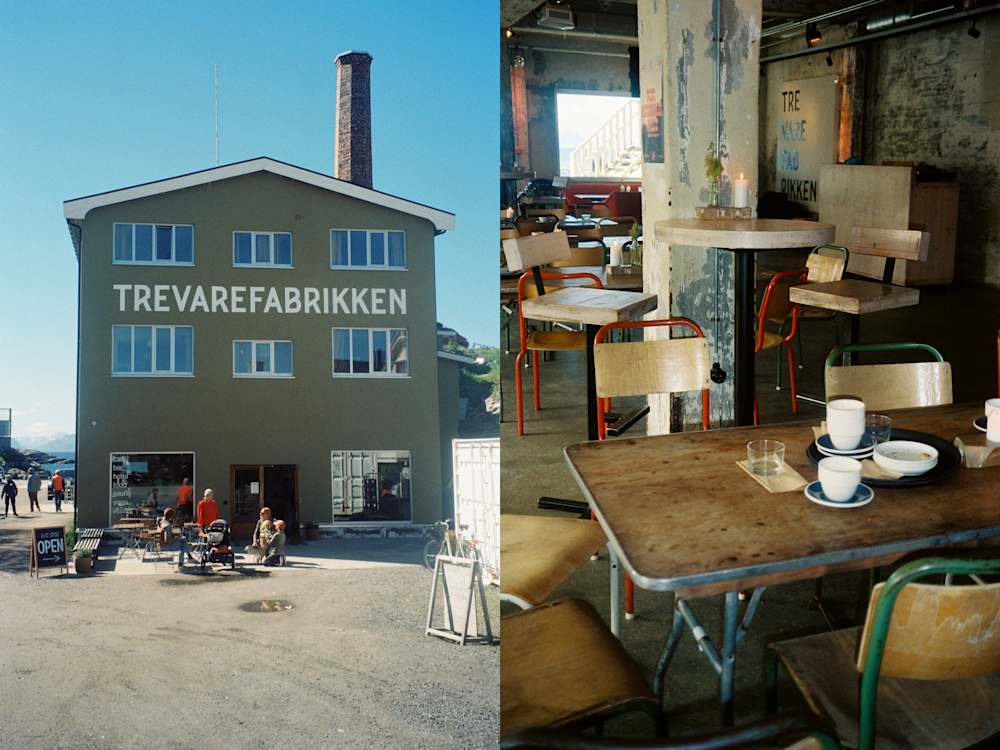
On our final night, we head to Trevarefabrikken, the latest addition to Henningsvaer’s cultural scene, which occupies a former carpentry warehouse on the town’s rugged west coast. Bought on a whim by two brothers from Bergen, the place acts as a community hub, where Holzweiler-clad locals and in-the-know out-of-towners congregate for natural wines, wood-fired pizza and far-reaching fjord views.
The factory is best known as the host of Trevarefest, an annual music festival that draws crowds from all over Scandinavia, but more regularly, it hosts weekly yoga sessions, gigs, flea markets and quizzes — the latter of which we decide to give a whirl. Yet another surprise, we’re beaten by a team called The Crazy Accountants. But are they crazy enough to balance the books on my lighthouse fantasy? Probably not.
Where to stay
For spacious suites and a restful night’s sleep, we love Henningsvaer Bryggehotel. Set on the island’s northern tip, the hotel is secluded enough to evade any lingering noise in the summer, but just a five-minute walk from the nearest town. Rooms are distinctly Nordic in design restraint, with artworks and pieces of furniture that offer a distinct sense of place. Some have views of the Vestfjord, others have deep soaking tubs, but all of them share pillow-soft beds and black-out blinds for the months when the sun never sets.
Where to eat and drink
Vind Brasserie in Henningsvaer Bryggehotel is one of the town’s most sought-after restaurants, with a seasonally inspired menu — locally foraged cloudberries, seaweed salads, Nordland cheeses and fresh-from-the-boat Arctic fish — that makes the most of its surroundings. The hotel’s ground-floor bar makes a fine spot for an aperitivo, too, with its maritime-inspired interiors and top-tier wine list.
If pizza is your thing, Trevarefabrikken does the best round these parts, while Klatrekaféen is great for casual, all-day dining — the playlist is immaculate, the harbour views are postcard-pretty, and the fish soup is worth writing home about. For breakfast and brunch, we love Henningsvaer Lysstøperi and Café, a spot in the centre of town that perfectly embodies the Norwegian concept of koselig (cosiness) with its mix-and-match furniture and homemade cakes.
What to buy
Shop handmade candles at Lysstøperi, knitting supplies at Lofoten Wool and Scandi Homewares at MorHus. Tucked away from the town’s main drag, A Day by the Sea is a bohemian concept store for people who love the outdoors. You’ll find books filled with tales of far-flung adventures, and everything you need to chart your own, from wellies to surfboards. Stylish outerwear, elevated basics and curated vintage is the order of the day at Min — brands on sale include Rains, Gramicci and Colourful Standard. For a little something special, 925 Catrine Linder sells jewellery from an old radio-repair shop.
What to do
Surprisingly for an island, there’s a lot of art to see, and Lofoten Galleri is a great place to start. The ground floor here celebrates the Golden Age of Norwegian painting, and the top floor is given over to contemporary artists. Kaviar Factory is a real institution, displaying the impressive private collection of its owners that spans big names like Munch and Warhol to contemporary Scandinavian artists. To get a glimpse of artists at work, head to Engelskmannsbrygga, an open workshop run by potter Cecilie Haaland, glassblowers Heidi Kristiansen and Mette Paalgard and photographer John Stenersen.
Climbers will encounter a paradise in Henningsvaer. Gandalfveggen, just outside the town, is a popular climbing crag for all abilities, thanks to its easy approach and quick-drying granite stone. If surfing is your bag, Unstad Beach is a 35-minute drive away and one of the best places to catch a wave in the Lofoten Islands.
When to go
While temperatures peak in the summer months, so do the crowds. We went in May, which many locals advised was the sweet spot. Naturally, winter in the Arctic, with its long polar nights, is not for the faint of heart, though Northern Lights sightings are most common when you’re this far north.
See our full collection of hotels in Norway or chase the Northern Lights