



If you like your urbanity in small doses, a trip to the Swedish capital is ideal, since it also comes with several accompanying islands (it isn’t called the Venice of the North for nothing). There are thousands, in fact: some in the city centre, between canals, locks and rivers; many more adrift in the Baltic Sea, on hand for when you’re ready to leave the metropolis behind and set off in search of long seafood lunches, traditional Scandi homes, unspoilt landscapes and a generally optimal lifestyle.
The centre of the Swedish capital is built on a series of islands, with bridges linking them for pedestrians, but of course you’ll need a boat to explore further out into the sea. Fortunately, ferries run back and forth for day-trippers, weekenders and — the most fortunate demographic — holiday-home owners. Many Stockholm-based Swedes retreat to a summer residence out on one of the isles, returning to the city once the nights begin to draw in, around mid-August. In high summer, the islands — with their colourful wooden houses, bobbing fishing boats, pine forests, cool waters for swimming in and cute cafés — could not be more idyllic.
With more than 30,000 islands and skerries in the Stockholm Archipelago to choose from, you need to be selective. Start here.
Stockholm’s central islands
There are 14 islands that form the city centre, located where Lake Mälaren meets the Baltic Sea. This is where the Venice comparison rings most true, as the waterways between them are mostly narrow and traversable on foot. The mediaeval Gamla Stan (old town) is on Stadsholmen, where you’ll find the Royal Palace (still the official home of the monarch), and there are many historic churches and more grand residences on nearby Riddarholmen. Hipsters will love Södermalm, an artistic neighbourhood to the south of the old town, with lots of bars, restaurants and brunch spots, and a cool creative scene; it’s the perfect postcode for the super-cool Stockholm Stadshotell. The most famous city-centre island is probably Djurgården, often nicknamed an easier to pronounce ‘Museum Island’, because of the many cultural hubs to be discovered there, including the preserved, 17th-century Vasa battleship and the ABBA museum. It was established as a royal hunting ground almost half a millennia ago, and you’re still likely to encounter some of its resident wildlife, from roe deer to red foxes — the mythical lions no longer roam freely, though you can spot exotic creatures such as bears, wolves, lynx and moose at Skansen zoo.
Islands close to the capital
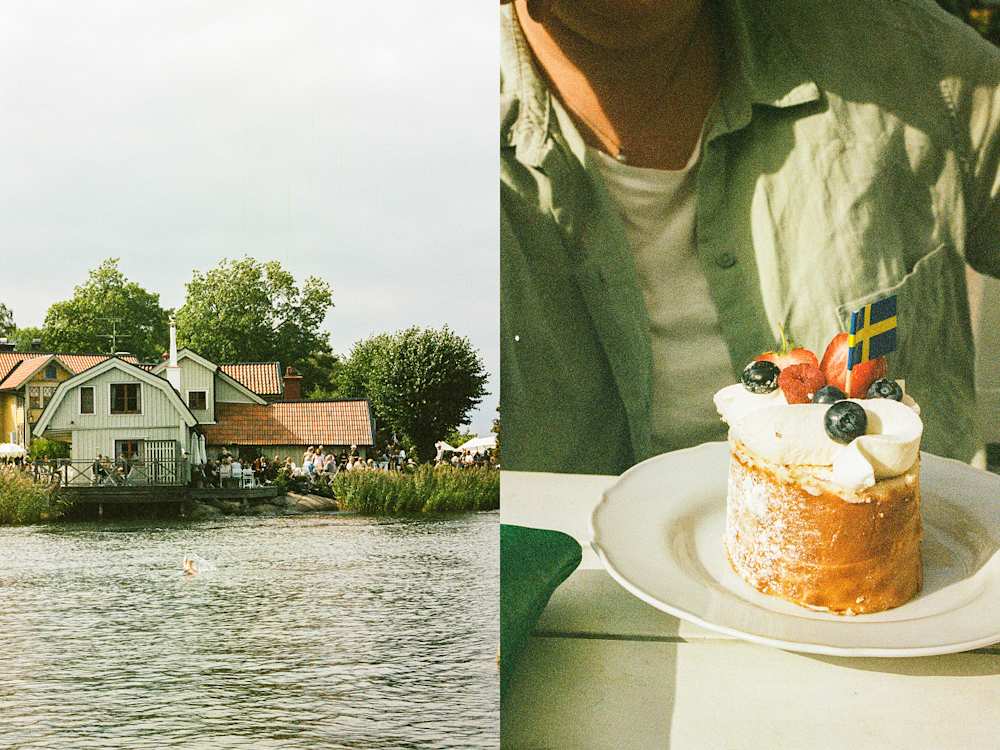
Plenty of islands in the Stockholm Archipelago offer that perfect balance between picturesque remote land and proximity to urban life. The following can all be reached within an hour’s sail (or even cab ride) of central Stockholm. First, Lidingö, which is so close it doesn’t even require a boat to reach it — instead, a taxi from the centre or the airport will take less than half an hour. This island is home to Millesgården, a sculpture park and gallery created by the sculptor Carl Milles and his artist wife Olga. On the eastern shores, at the end of a sleepy track, surrounded by grazing farmyard animals, Ellery Beach House imports some of the capital’s glamour and buzz to this rural corner. This laidback hideaway has many spots where you can sit and relax, ordering coffees or cocktails as you admire the signature Scandi interiors or the shoreline. The hotel’s home to a wellness water world too — it has several heated indoor and outdoor pools, saunas, poolside bars and cabanas, and a ladder into the sea for the brave.
A 20-minute ferry ride away from Stockholm is an archipelago within the archipelago, namely Fjäderholmarna (the Feather Islands). Visiting this set of four named islands (Stora Fjäderholmen, Ängsholmen, Libertas and Rövarns Holme) and some anonymous islets is the ideal way to experience the essence of the archipelago in a day trip — there are no cars, just artisans’ studios, granite rocks to sunbathe on and super-fresh seafood to source; for the latter, try Fjäderholmarnas Krog or Rökeriet.
Similarly idyllic and easy to reach is Vaxholm, considered the capital of the archipelago, located around an hour away from the centre; it can be reached by bus as well as boat. This classic town has all the quaint, pastel-hued wooden houses, naval heritage (with its fortress and busy harbour) and charming restaurants, cafés and shops you’d hope for on a Scandinavia-maxxing sojourn. Visitors can go kayaking, paddle-boarding and fishing, more of which can also be enjoyed on car-free Grinda, a nature reserve that’s home to the Grinda Wärdshus Inn (which has been offering refuge for 120 years), and several smooth granite outcrops for summer sunbathing.
For a culture fix closer to the capital, sail to Värmdö, which is where you’ll find Artipelag, a vast arts complex with regular exhibitions, an events space, a restaurant and a lauded bakery on the same site, surrounded by scenic nature trails. Also on this island is the town of Gustavsberg, famous for its porcelain tradition and the home of many iconic ceramic Swedish kitchen and bathroom fixtures.
The Outer Archipelago
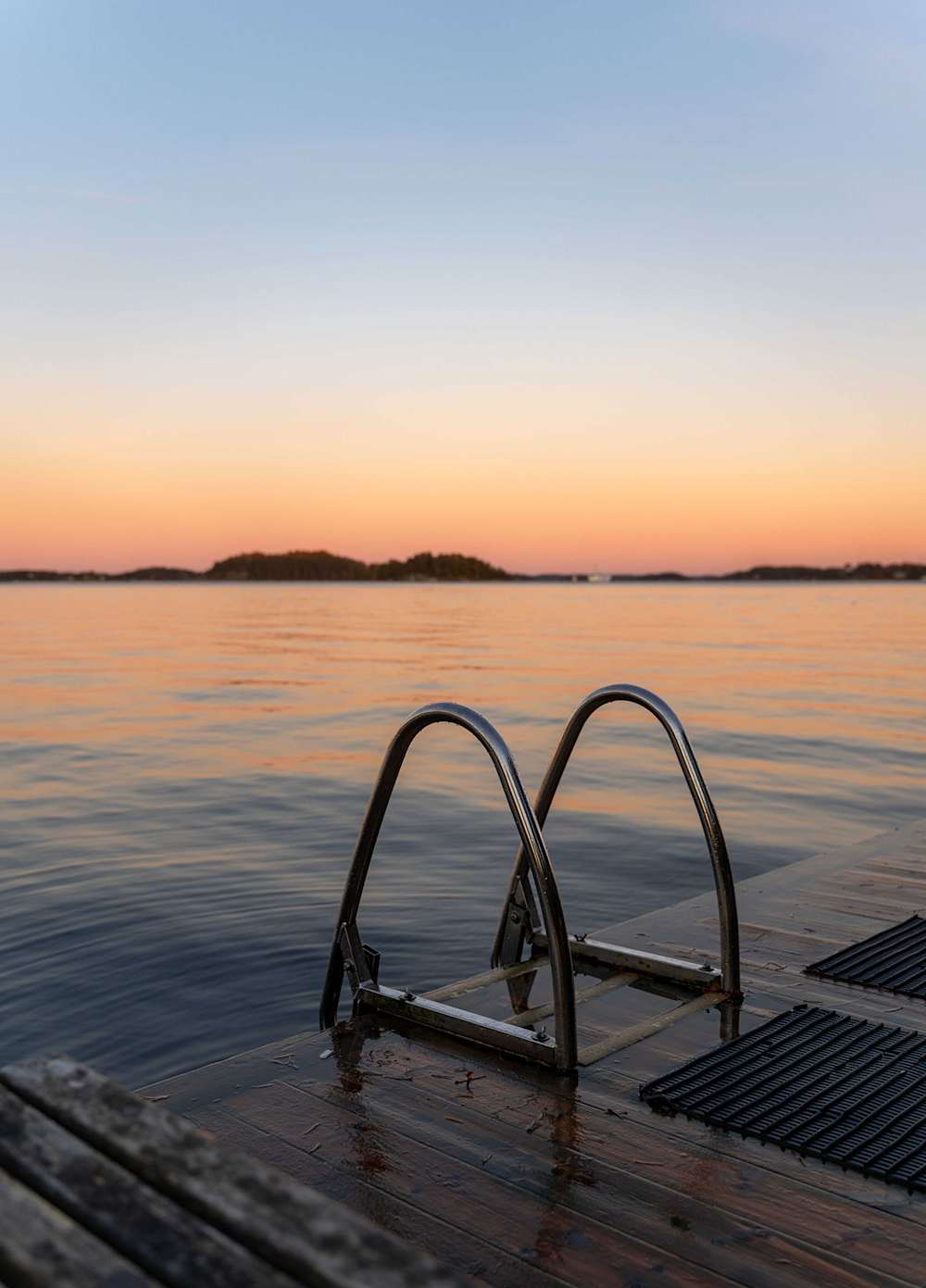
These islands take a couple of hours to reach, but your efforts will be rewarded with sandy beaches, fewer people and a chance to really switch off those notifications and embrace the Nordic good life. To discover the maritime nature of the archipelago, head to Sandön, specifically its sailor hub, Sandhamn, which can get a little rowdy (relatively speaking) in the summer. The scenic village is where you’ll find the Royal Swedish Yacht Club, a historic sea-pilot station, kayaks and bicycles to rent, and lots of restaurants and bars.
Equally attractive is Möja, with sleepy villages and pristine harbours, a year-round population of around 250 (and barely enough school-age children to fill one standard UK class), and hiking and cycling trails that will tempt even the most sedate visitor to embrace the great outdoors. If you’re here to swim, don’t miss Nåttarö, home to the largest sandy beach in the archipelago: Stora Sand. And you should also seek out Drottninggrottan cave, which sheltered fleeing royalty in the early 17th century.
Further south, Utö is popular year-round, with sandy beaches, historic iron mines and perfectly preserved miners’ dwellings. Swim off from the rocks at Rävstavik Bay, hire a bike and pedal to neighbouring island Ålö, then settle in for a long lunch at Båtshaket, a restaurant in an old boathouse with its own smokery. Another place that welcomes visitors throughout the autumn and winter is Finnhamn, which can be reached from the centre of Stockholm in around two-and-a-half hours. The forested island has lots of small bays and rocks to swim off, with a café and tavern, bicycle and boat rental, and a farm shop to take a taste of the archipelago home with you.
The furthest-flung isles
If time is on your side, you can leisurely visit some of the Stockholm Archipelago’s more remote islands, the easternmost of which are the Svenska Högarna isles. Kayaking or sailing excursions are an excellent way to tour these further-afield destinations, because of the infrequent ferry traffic that calls there. They best suit the hardened and outdoorsy, with wind-whipped cliffs, lush forests and meadows, and plenty of places to pitch your tent. The biggest of the Svenska Högarna group is Storön, with a lighthouse, weather station and a tiny population. Migrating birds stop by on their way to and from warmer climes, and you might also see a grey seal or a long-tail duck in the waters.
What to know before exploring the Stockholm Archipelago
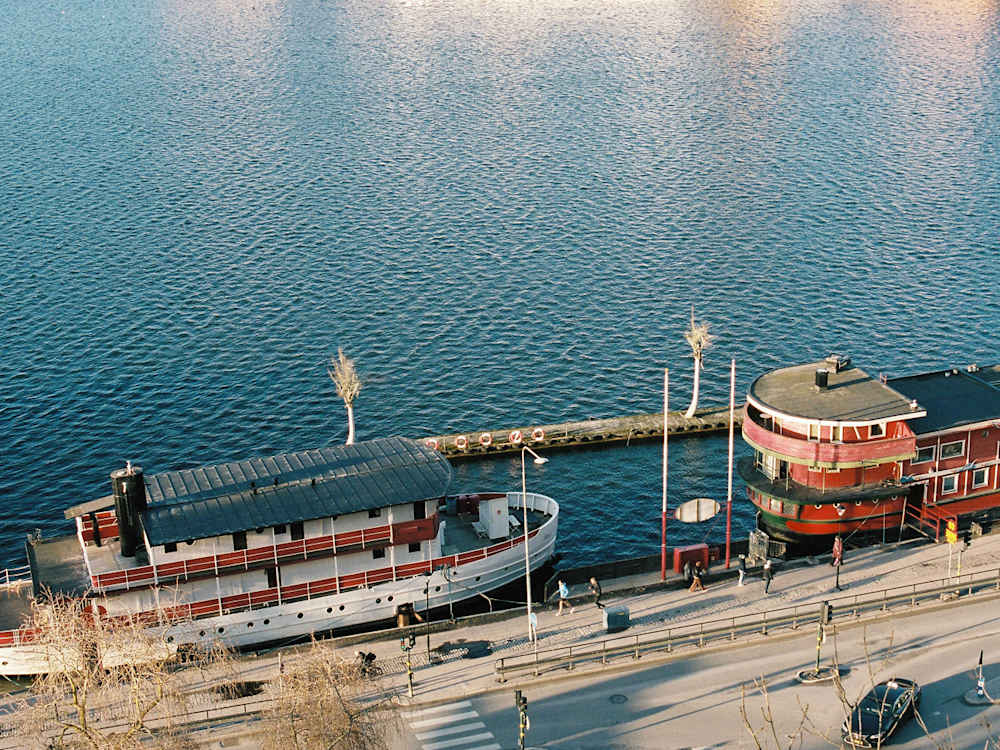
How to get there: Ferry services link up the centre of Stockholm with most of the well-trodden islands, many departing from Strömkajen, Nybroviken, Slussen and Strandvägen.
Duration: It depends how many islands you’re hoping to see. It’s easy to stick to the centre, and nip out to, for example, the Feather Islands or Vaxholm, all in a few days. But the archipelago spans 650 square miles, with the furthest-flung isles requiring six-hour ferry trips to reach. A hiking (or biking) route, taking in 270 kilometres and more than 20 islands, has been helpfully mapped out here; it reaches from Arholma in the north to Landsort in the south, and it’s all accessible using the public-ferry network. You can tackle as much or as little of it as you like, depending on energy levels and how much time you have.
When to go: To enjoy these scenic isles in the land of the midnight sun, visit when the days are at their longest in June and July, through to August; the water temperatures will be less literally Baltic at this time of year, too. Spring is lovely, but many places (and boat services) won’t have fully emerged from hibernation mode. In the autumn and winter, ferry schedules are reduced and many of the restaurants and shops on the islands close. On islands such as Vaxholm and Stora Fjäderholmen, many eateries open their doors again in time for a special seafood buffet at Christmas; and even some of the more remote islands (such as Utö and Finnhamn) are visited all year long.
Known for: The good life: hiking, kayaking and sailing, fresh seafood (especially fried herring), fika-dispensing cafés and clear water to swim in on those long, hot summer days.
Transport tips: The ferries run all year, catering to commuters and hardy island-dwellers, but services are much more frequent in the summer. The vintage white ferries operated by Waxholmsbolaget facilitate various island-hopping routes; Stromma also has plenty of handy crossings.
Read our ultimate weekend guide to Stockholm, or discover our full collection of hotels in Sweden