



There’s no end to the reasons to visit Spain, but this year the stars — or rather the moon and sun — are truly aligning to make it a must. On 12 August, the country will see its first solar blackout in more than 120 years. From its starting point on the north-western tip of Galicia to the Balearic archipelago in the Med, a broad swathe of the Iberian Peninsula will fall dark in one of nature’s most goosebump-inducing spectacles.
But it’s not simply a case of plonking yourself just anywhere. This celestial show is an evening performance, meaning the sun will be low in the sky. So, to get the full totality experience (when the Moon will completely block the face of the Sun), it’s important to find a spot with uninterrupted views of the western horizon. To catch it in all its spine-tingling glory, here are the best viewing locations to see the solar eclipse in Spain.
Mallorca
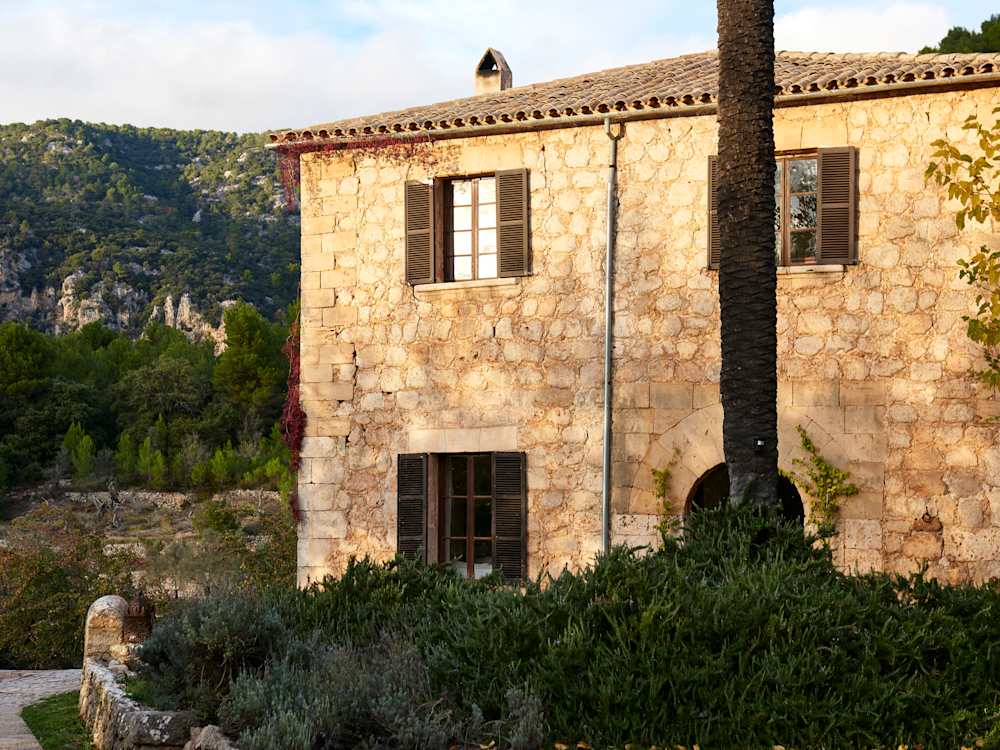
All four of Spain’s inhabited Balearic Islands sit comfortably within the shadow corridor, but only Mallorca, the largest of the siblings, sits squarely in the centre. The mighty Serra de Tramuntana mountain range that skirts the north-west coast of the popular holiday isle also serves as the perfect elevated platform to gaze over the Mediterranean horizon. Viewpoints near Deià, Sóller and Cap de Formentor are likely to offer some of the most picturesque front-row seats, but do get there early. In August on Mallorca, clear skies are practically a given, so there’s little chance of unsightly cloud cover to mar the moment.
Where to stay: With eclipse-chasers swelling the usual summer crowds, accessing the plum viewing areas will inevitably create pinch points across the island. Your best bet is to pick the right place to stay and hole up until the big event. Sitting high in the serra, with views west toward the sea, is Mirabó de Valldemossa, a serene 16th-century olive farm turned hotel, whose name even means ‘good view’.
Bilbao
If Mallorca promises Mediterranean magic, Bilbao delivers celestial drama with a distinctly moodier edge. Perched on Spain’s rugged northern coastline and sitting directly within the path of totality, the Basque city will be among the first major urban centres to see the eclipse. The biggest challenge here isn’t finding elevation, it’s outsmarting the famously unpredictable northern weather. Still, August offers some of the region’s clearest skies. Nearby coastal viewpoints to the west of the city — from Getxo to the cliffs around San Juan de Gaztelugatxe — should also provide spectacular Atlantic-facing vantage points as the sun sinks toward the horizon. Expect crashing waves, golden evening light and then, suddenly, darkness.
Where to stay: Set on the cliffs of Getxo, facing the Bay of Biscay, Palacio Arriluce Hotel has exactly the kind of west-facing coastal position you want to be in for 2026’s biggest solar event. The hotel’s terraces, gardens and sea-view rooms all look out toward the Cantabrian horizon, where — if the Basque skies behave — you’ll be able to watch the eclipsing sun before it dips into the water.
Asturias
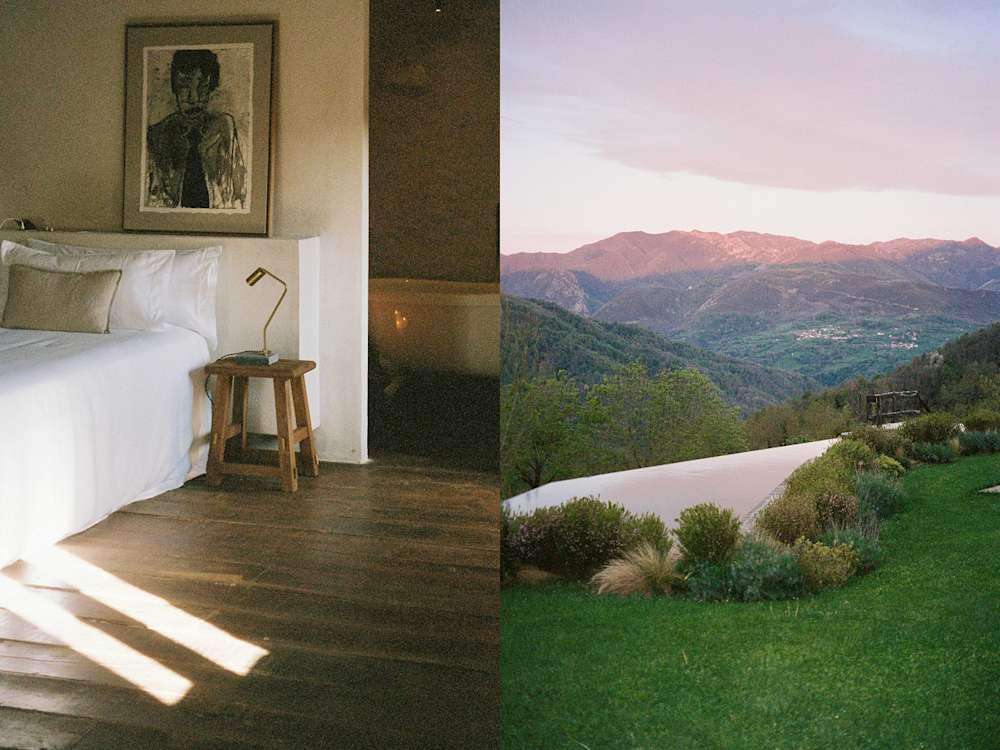
This green slice of northern Spain is a contender for one of the most picturesque places to experience the moon’s shadow. It will sweep across a landscape of wave-battered cliffs, emerald valleys and mountain peaks that seem built for drama. Along the Cantabrian coast, the evening sun will hang low over the sea before slipping into darkness. Inland, the jagged outlines of the Picos de Europa promise an even moodier backdrop once the light begins to fade. Weather is the great unknown in this verdant corner, but if the skies behave, Asturias could deliver one of the country’s most hauntingly beautiful eclipse settings.
Where to stay: Deep in Asturias’ lush green countryside, Solo Palacio offers the kind of cinematic isolation that feels tailor-made for the blackout. The restored 16th-century palace is surrounded by undulating mountains and valleys, far from the glow of major cities, where the sudden hush and darkness will feel even more dramatic. What’s more, its elevated rural setting gives you a fighting chance of escaping the coastal cloud cover that can creep across northern Spain in summer. Plus, it has donkeys.
La Rioja
The rolling vineyards and vast open skies of Spain’s most famous wine region createideal conditions for an eclipse arriving low on the western horizon. Here, the spectacle comes with a glass in hand as you watch the golden evening light spill across endless rows of tempranillo vines, and the landscape slips into the strange, silvery dusk. And unlike Spain’s moodier northern coastlines, La Rioja’s hot, dry August climate means there’s a good chance the skies will co-operate. Whether you watch from a vineyard terrace or from one of the mediaeval hill towns scattered across the region, this is eclipse-chasing to be enjoyed at a mellower pace.
Where to stay: Surrounded by vineyards in the hilltop village of Briones, Santa María Briones feels purpose-built for an eclipse escape. The boutique stay pairs sweeping Rioja views with blissful seclusion, far from the crowds likely to gather in larger towns. Better still, its elevated position and open western outlook make it well placed for watching daylight slowly slip beneath the moon’s shadow — while sipping on a silky tempranillo, of course.
Priorat
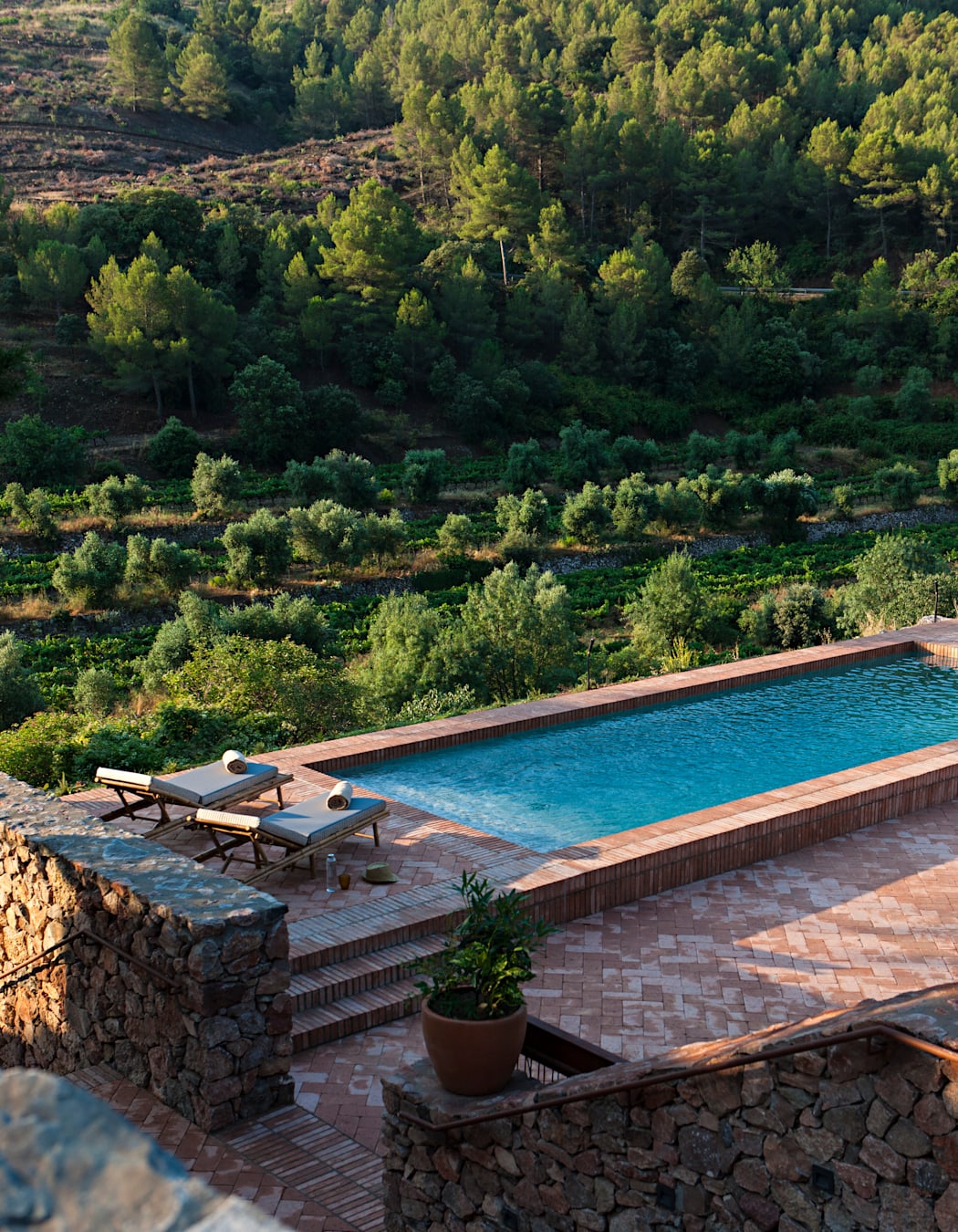
Need an excuse to visit another of Spain’s great wine regions? Hidden among the rugged hills of Catalonia, this striking pocket of terraced vineyards and slate-black mountains sits close to the shadowline, where it will linger that little bit longer. The region’s elevated landscapes and dry August climate make it especially well-suited to eclipse-gazing; and mediaeval villages such as Gratallops and Siurana provide atmospheric vantage points for the main event. Come for the umbra, stay for the powerful reds, candlelit terraces and landscapes that feel slightly otherworldly even before the sky starts to darken.
Where to stay: Hidden among the vineyards and forested hills of Montsant Natural Park, Terra Dominicata is ideal for an eclipse-seeking stay. The former monastery turned wine estate pairs deep silence and inky night skies with the kind of golden-hour scenery Priorat does so well. On the big night, its secluded terraces should offer a wonderfully atmospheric perch from which to watch daylight slowly drain from the valley.
Castilla–La Mancha
For clearer skies and fewer crowds, the northern part of Castilla–La Mancha may be one of the smartest under-the-radar choices. Stretching across the heart of central Spain, the region’s wide-open plains and hilltop towns are perfectly suited to an eclipse arriving low on the western horizon. As well as a dry August climate, which increases the odds for cloud-free viewing, it’s an easy addition to a Madrid itinerary — the nearby capital sits just beyond the path of totality.
Where to stay: Within a restored 18th-century textile mill in the lavender hills of Brihuega is Castilla Termal Brihuega. The surrounding Castilian campo is all rolling wheat fields, big skies and wonderfully uninterrupted western horizons — exactly what you want for a low-slung evening eclipse. Afterwards, retreat to the hotel’s vaulted thermal spa as the last of the strange twilight fades over the plateau.
Discover the sunny side of Spain with our full collection of hotels; or continue your celestial adventures, camping in America’s great outdoors or chasing the Northern Lights