



Let’s be real: all of Stockholm is effortlessly cool. But things feel even hipper over on the island of Södermalm, which is where insouciance levels peak, even by Scandinavian standards. It follows the same trajectory as most newly favoured urban hubs, a former predominantly working-class neighbourhood now popular with the youth (its honorary brethren include Shoreditch in London and Williamsburg in New York City).
Södermalm is a classic tale of regeneration — established first as a rural farming area in the early 1600s, it became a working-class neighbourhood, home to fishermen, craftsmen and labourers, before the industry and factories of the 19th and 20th centuries arrived. These days, Södermalm is Stockholm’s bohemian, creative heart.
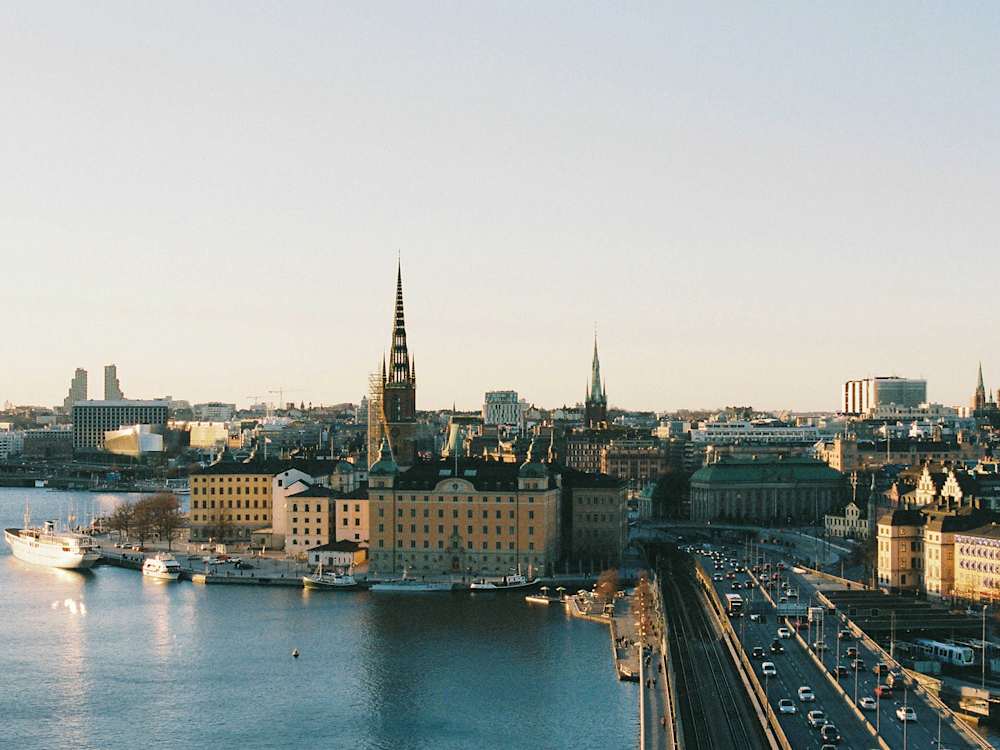
The island is linked to the Gamla Stan (old town) by a bridge, making it easy to access on foot from the rest of the city centre. It’s known as just ‘Söder’ to locals, and there are several neighbourhoods on the island: Hornstull, Mariatorget and Rosendal among them. Many of the trendiest indie shops and sights are centred around SoFo, the NYC-inspired portmanteau used to denote the blocks south of Folkungagatan street. So, grab your finest buffalo plaid and whatever you do, act cool — even if you do see a certain six-foot-tall blond brother from Sweden’s most famous acting dynasty casually cycling around. Here’s our guide to Stockholm’s Södermalm neighbourhood.
What to do in Södermalm
The most famous attraction on the island is probably Fotografiska, a museum dedicated to contemporary photography. This summer, there’s a display dedicated to the late British photographer Martin Parr, and there’s a calendar of events and exhibitions to catch all year round, plus a bistro for refreshments afterwards. Or you can see what’s on at Södra Teatern, a 19th-century theatre turned legendary gig venue and nightclub.
If you’re hoping to see some of the small, red wooden houses the island is famous for, stroll Nytorgsgatan, Stigbergsgatan and Mäster Mikaels gata to spot 18th-century architecture.
Söder provides some of the best views of the rest of the city, which can be glimpsed by hiking up to Fjällgatan, affectionately known as Stockholm’s ‘balcony’. The cliff-side viewing platform showcases the steeples of the Gamla Stan, the green expanse of Djurgården, and the museums of Skeppsholmen; if the weather takes a turn, simply duck into Kaffestuga café.
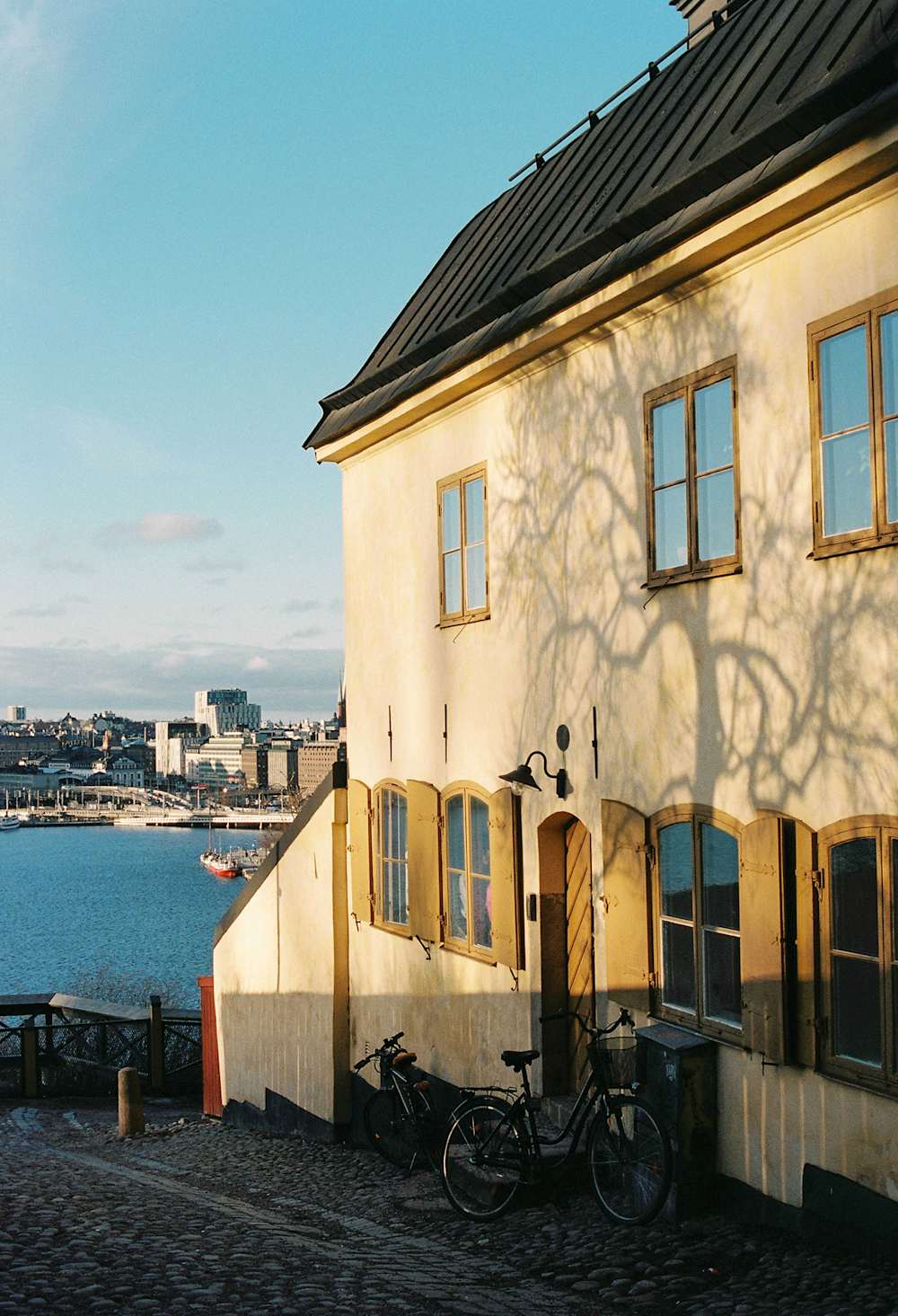
For another scenic stroll, follow the 500-metre Monteliusvägen path, to take in the view of Lake Mälaren, Stockholm City Hall, the old town and Riddarholmen from on high, passing pretty places like Mariaberget, with its cobblestones and colourful historic houses, as you go. Time your visit for sunset if you can.
Back down at sea level, Tantolunden park was designed in 1885 and has become a popular meeting place ever since — it’s even better today, sitting close to the restaurants and cafés around Hornstull, Mariatorget and SoFo. Stroll up the hill and you’ll find a wholesome array of allotments and garden sheds.
The best breakfasts in Södermalm
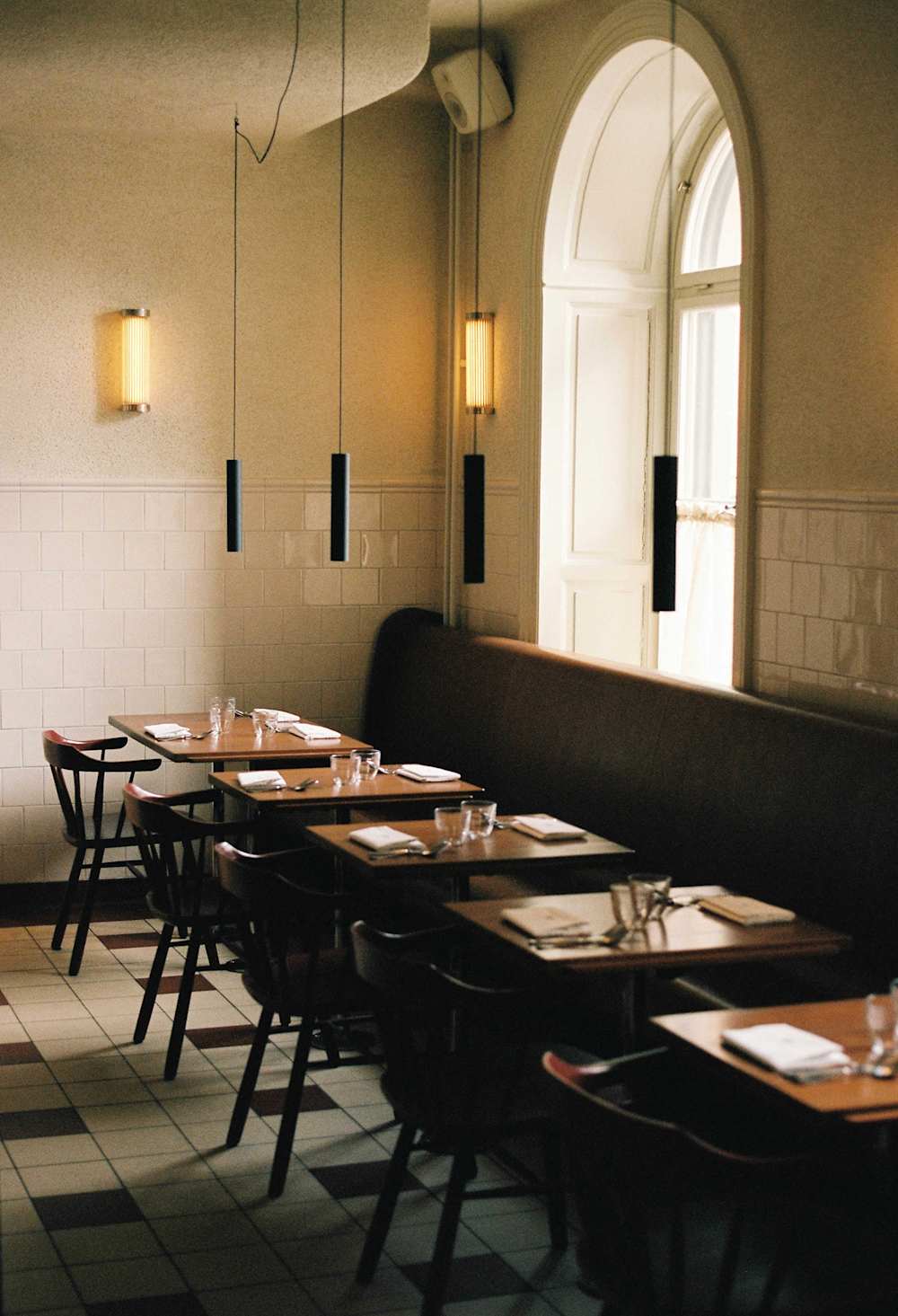
If you’re staying at Stockholm Stadshotell, you’re in for a treat come breakfast, where the offering extends far beyond avo toast (try the ’nduja, whipped ricotta and hot honey on sourdough, or avocado, feta and zhoug on rye, instead). Bleck is on hand for a relaxed brunch in Lilla Blecktornsparken — the outdoor seating is especially festive in summer. For kitsch dialled up to the max, locate Gildas Rum café in SoFo and enjoy its cosy, slightly eccentric, being-in-someone’s-lounge feel. Or you can just keep grabbing coffees and cardamom buns as you go, stopping at various bageri. Svedjan, St Paul and Haga are some of our favourites.
The best coffee and fika spots in Södermalm
In fika-loving Sweden, where coffee and a sweet treat are the perfect social interaction at any time of day, it’s completely acceptable to stop for a second breakfast late morning. Café Pascal on Skånegatan in SoFo is ideal for a caffeine break, especially if you nab one of the tables on the street and watch trendsetting sorts wander past. Another favourite is Drop Coffee, which has represented Sweden no less than four times at the World Coffee Roasting Championships.
Where to shop
Individualism and quiet luxury are the markers of Stockholm style. See homegrown heroes Acne Studios or Toteme, or head to one of the many vintage stores on the island, many of which can be found around Mariatorget, including Humana and Judits. For books, browse in Konst/ig or The English Bookshop; indie Papercut is your best bet for magazines and stationery. You can stockpile hardy Swedish-made raincoats at Stutterheim on Åsögatan, and if you’re hoping to blend in with the two-wheel crowd, you’ll find customised bicycles at And The Revolution. Grandpa will take you on a retail journey through Scandinavian life, from clothing and shoes to charming vintage pieces and knick-knacks; and for interiors, have a rummage in Brandstationen and Blås & Knåda on Hornsgatan or Konsthantverkarna on Södermalmstorg, all of which are packed with ceramics and artworks.
Where to eat dinner
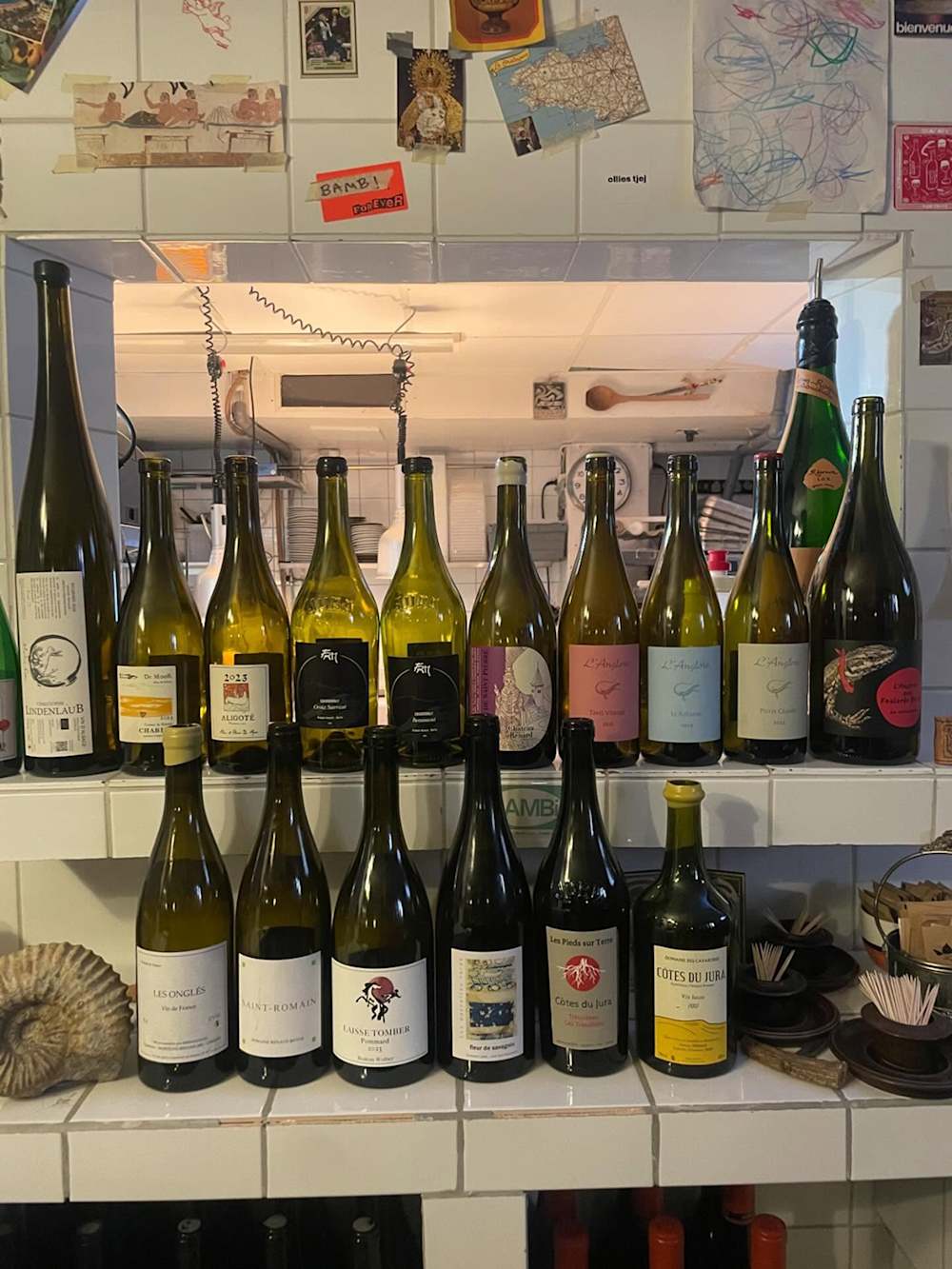
Bambi
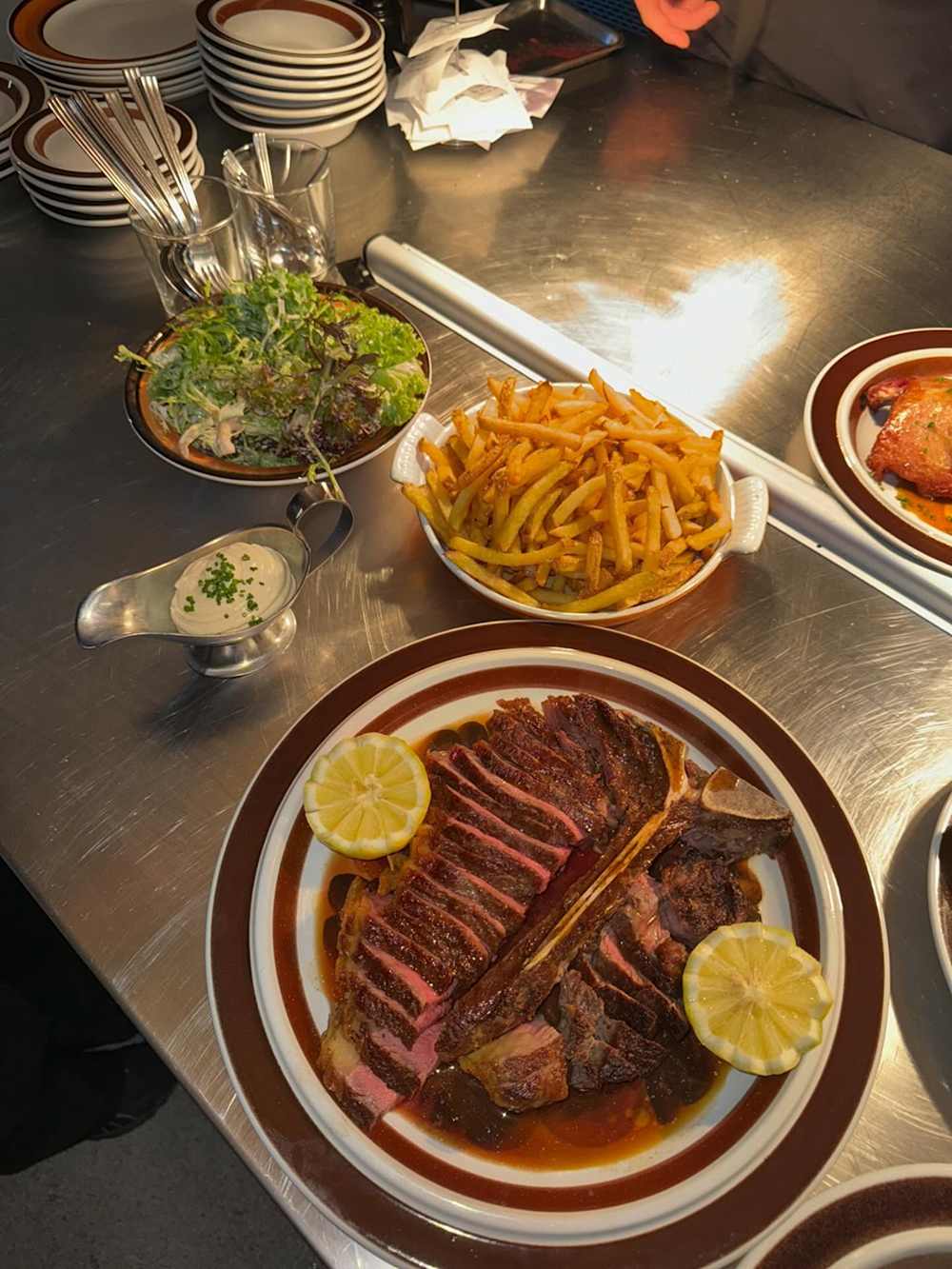
Take a trip to the South of France via cosy Café Nizza (the Italian name for French Riviera town Nice); the wine is as good as it is in the motherland, the atmosphere is relaxed and the pasta is especially delicious. Francophiles will also love Bambi, a bistro and wine bar that only opened in 2023 but is one of Stockholm’s most popular restaurants, with crowds arriving in search of natural wines and unfussy French classics. On Ringvägen, Triton’s menu is known to change at random — you can only see it on the blackboard inside, or by calling by earlier that day to see what’s cooking; reservations are advised, as weekend tables can book up a month in advance. Close to the Slussen locks, Gondolen promises classic Swedish cuisine served with a panoramic view of the city; and Kvarnen, established in 1908, also serves homegrown favourites (yes, there are meatballs). Sharing boards, cocktails and the occasional live jazz performance make Nytorget 6 a lively dinner destination in Söder.
Where to drink
Alba is a cosy wine bar that’s perfect for an aperitivo near Nytorget square — though if you have one glass too many, some French and Italian plates are on hand to tempt you to stay for dinner. On Götgatan, Riche Fenix is the cool young sibling of the brasserie that opened in Östermalm in 1893, open till 1am most nights. And if you like rum, you’ll love Paradiso, where other spirits do feature in the cocktails, but there’s a clear favourite.
Where to stay
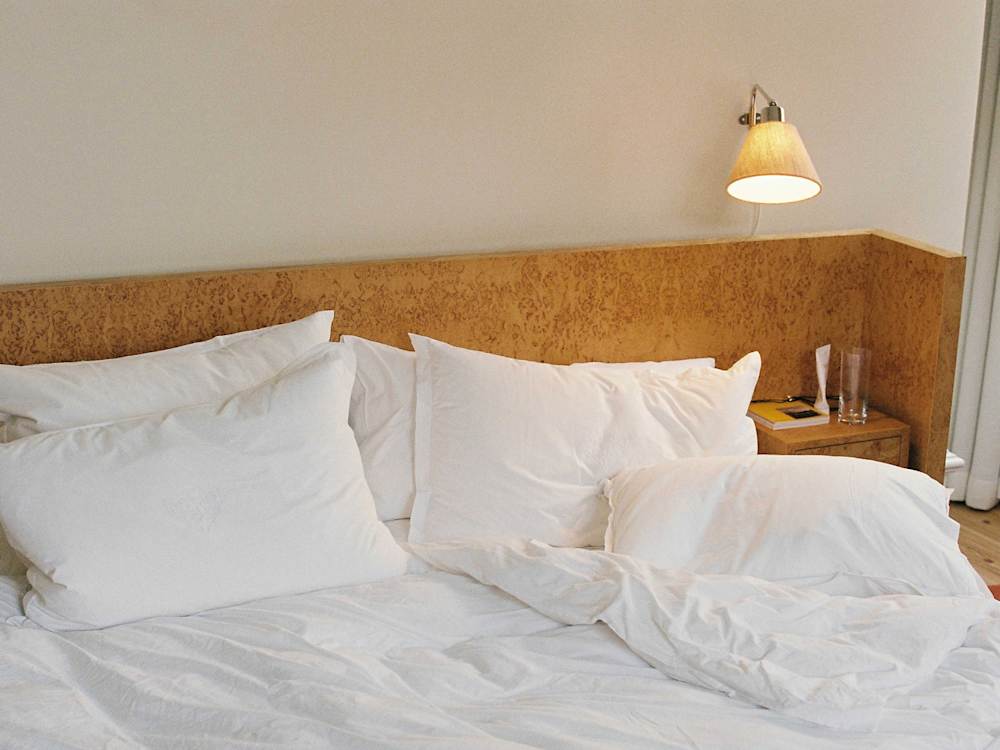
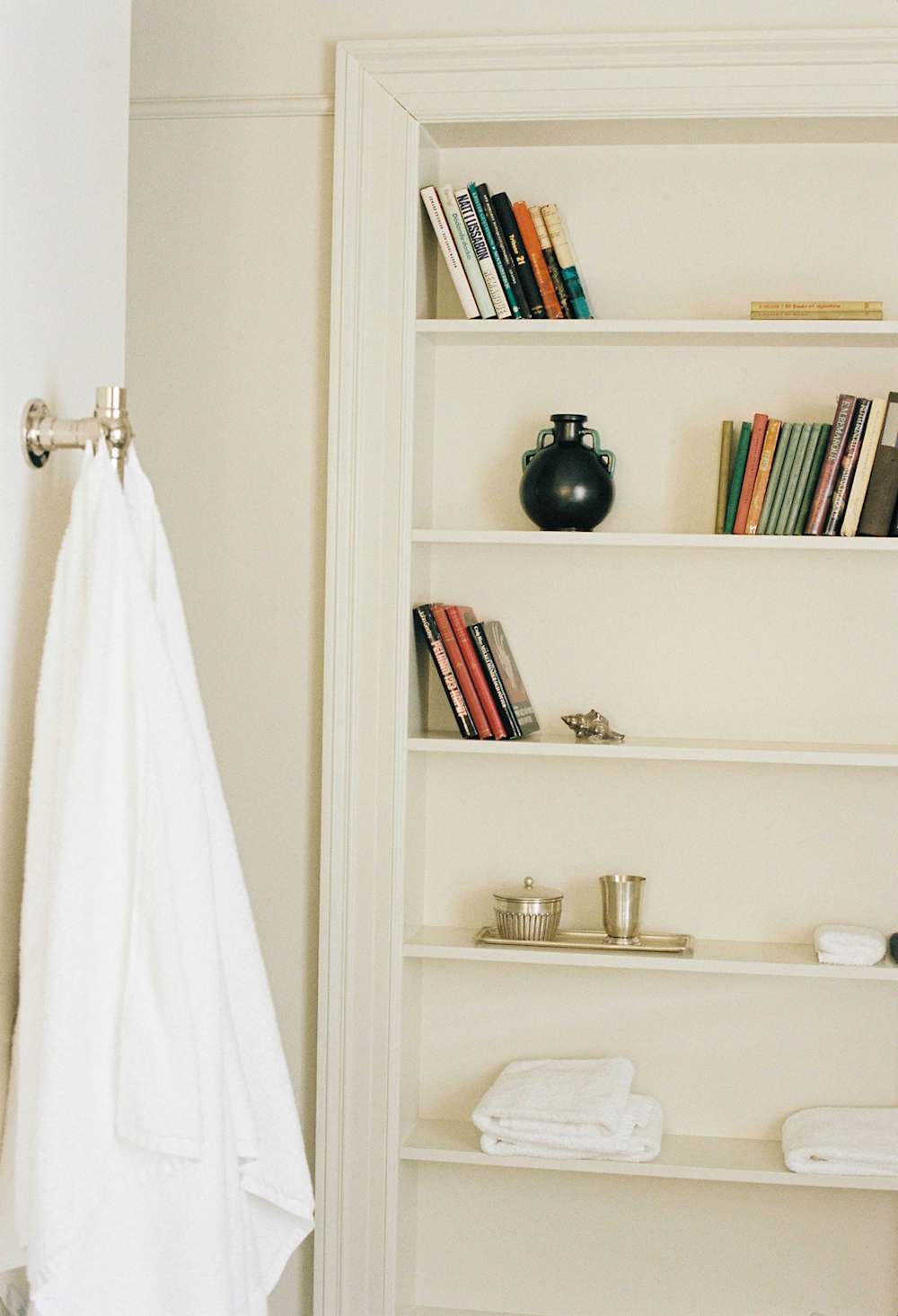
There’s a pink palace in the thick of the action in Söder: Stockholm Stadshotell’s 1870s building was commissioned by the king’s widow to house upper-class women of limited means. Its chapel is now the more formal of the hotel’s two restaurants, which both attract a smart crowd, especially for Friday-night drinks and long brunches that go on until the middle of the afternoon at weekends.
Or stay at Lydmar Hotel over the Slussen and wander over to Söder whenever you feel like it — the walk should take around half an hour.
Need to know
How long to spend in Södermalm: If you have a packed itinerary covering all of Stockholm in just a few days, make sure you factor in at least a few hours for Södermalm. But we recommend basing yourself here if you want to stay in the city’s most creative corner and have enough time to get better acquainted with its many bars, restaurants and boutiques.
Getting there: You can wander over on foot from the Gamla Stan, but the island is also well served by the city’s transport network. Metro (Tunnelbana) stops include Slussen, Mariatorget, Medborgarplatsen and Skanstull.
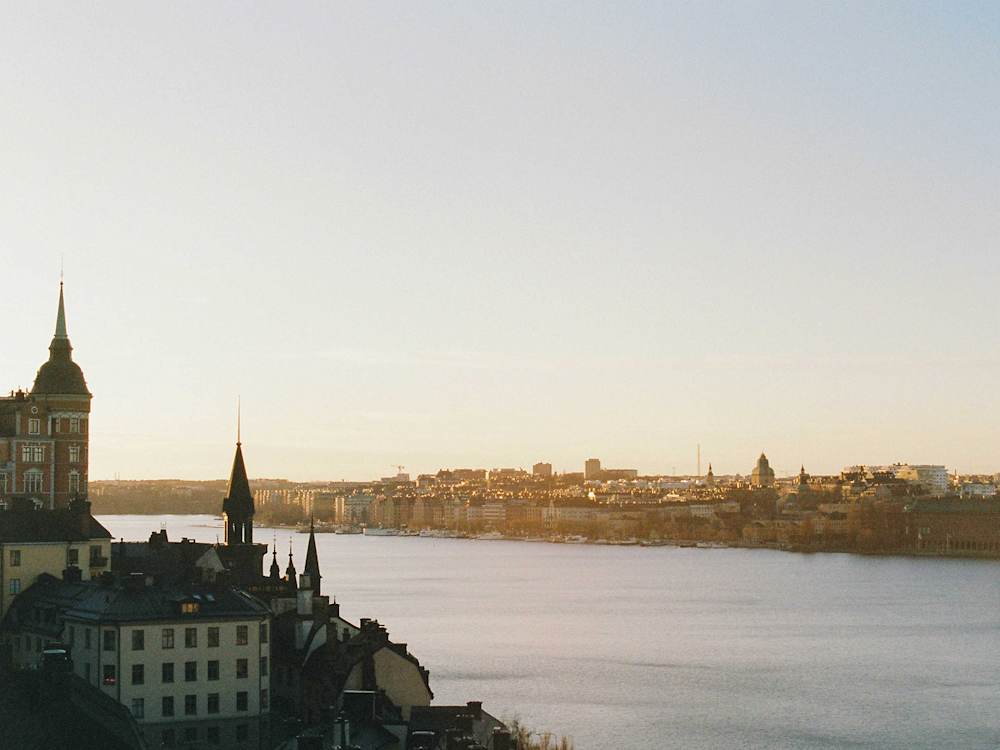
How to see Södermalm in an afternoon: From the Slussen crossing point next to the Gamla Stan, walk to the panoramic viewpoint Fjällgatan. Next, stroll around SoFo, stopping for coffee or a bite to eat, then explore leafy Mariatorget square. End the day by heading up to Monteliusvägen to take in the views of Stockholm at sunset.
Known for: Preserved wooden cottages, industrial relics, buzzy restaurants, boutiques and bars, and various viewpoints for admiring the Stockholm skyline. It’s a little rough around the edges in the way the best bohemian quarters are, not as polished as Östermalm, or as leafy as Djurgården.
When to go: Stockholm has its charms during the shortest months of the year, but most visitors tend to prefer the milder temperatures and longer days of spring and summer.
Discover our guides to kindred-spirit neighbourhoods Vesterbro in Copenhagen and Shoreditch in London