


Formentera is a sun-bleached speck on the map — deliciously unspoilt, barely a mile wide in parts, and fringed by an improbable number of beaches, given its diminutive proportions. With no airport, no clubs to speak of and only two real roads cutting through it, this still-wild barefoot beauty is a far cry from neighbouring Ibiza, which can be glimpsed just across the water (ferry rides take between 30–60 minutes one-way). For centuries, this small island was ignored and looked upon suspiciously by its big sister, owing to a stormy past of poor harvests and bands of marauding pirates claiming the land as their own. As such, it wasn’t until the 1960s that word began to spread about the island’s quieter charms, and even though it’s now gaining real attention, with more restaurants, buzzy beach clubs and hotels arriving each year, it remains relatively sleepy.
There’s plenty to admire, from dusty lanes and blessedly cool juniper forests, to sheltered crescents of sand lapped by neon-blue shallows, and chiringuitos serving seafood that’s travelled directly from the boat to the grill. Allow us to give you the inside track with our guide to Formentera island.
The best beaches in Formentera
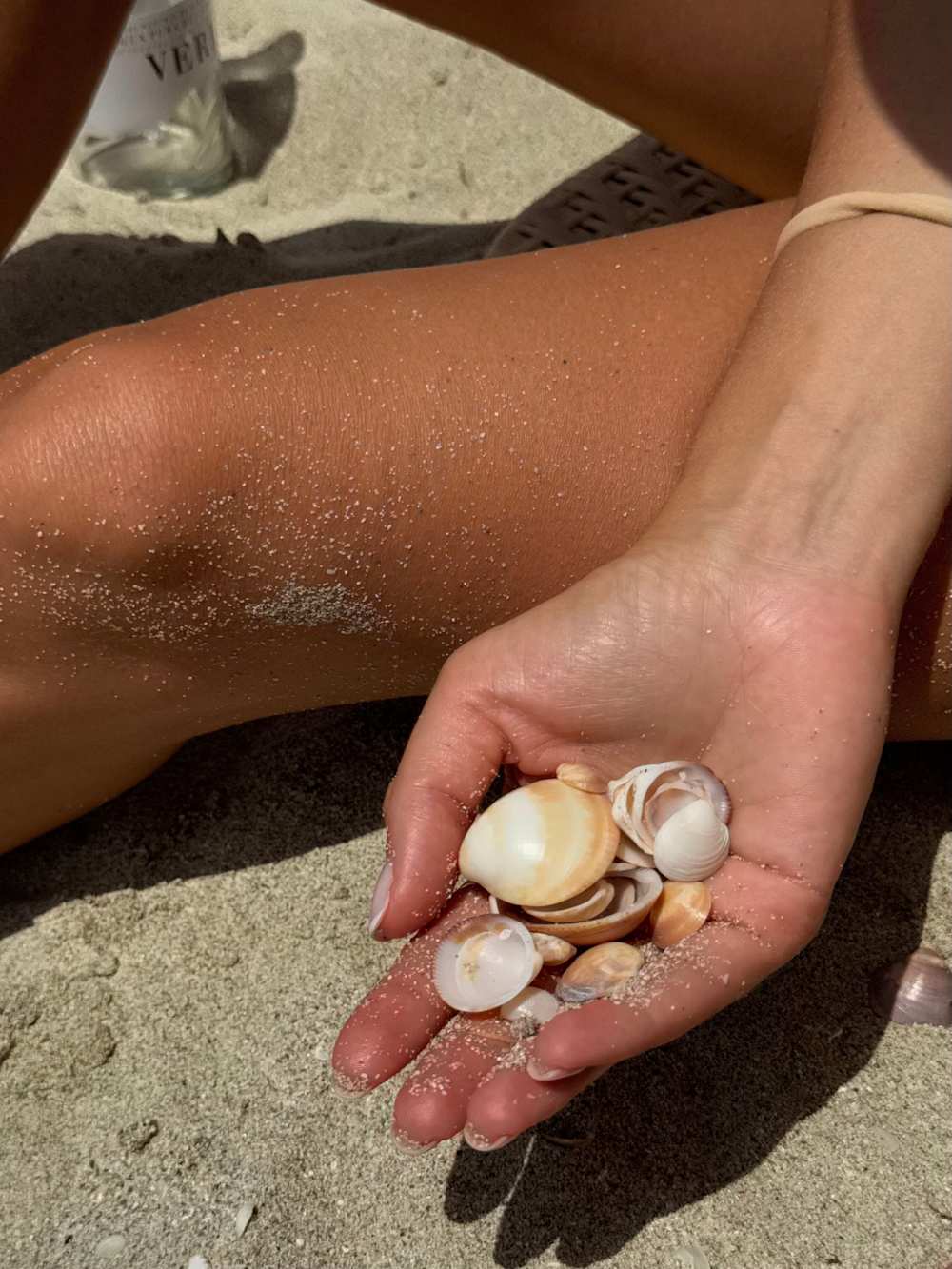
It’s no secret that, by virtue of meadows of posidonia seagrass beneath the surface, the waters lapping Formentera’s shores are some of the most pellucid on the planet. You’d be remiss not to dive straight in to the island’s coastal scene. First beach on our hit list is Es Cavall d’en Borràs, just a 10-minute drive from the ferry port at La Savina. From the road, follow the wooden boardwalk that winds down through the dunes towards sands the colour of buttermilk. Clusters of weather-gnarled juniper trees offer shade, even when the mid-summer heat is at its most oppressive. And there’s an excellent bar here — El Tiburón — for toes-in-the-sand lunches and dinners to linger over. Stand-out plates include the ponzu-drizzled tuna tartare, served with avocado and mango, and the tender grilled octopus.
On the island’s northern tip, you’ll find Platja de Ses Illetes — a tongue of powdery sand reaching out into shallow, bath-warm waters. At low tide, you can wade through the shallows to Espalmador, an uninhabited islet beloved by flamingos and herons; though nobody could blame you for embracing an hour of utter inactivity, peering out to Ibiza in the distance and admiring the shoreline’s subtle blush-pink hue (the result of coral fragments and seashells crushed over millennia). Meanwhile, those partial to a rocky bay ought to check out Caló d’en Trull with its ramshackle fisherman’s huts and rugged crags that descend into the gin-clear Mediterranean.
Hire a motorboat for the day (try Barco Rent down at the port — there’s no need for a licence) and trace your way along the coast, nipping from cove to cove until you’re ready to head back and scrub up for dinner.
What to do in Formentera
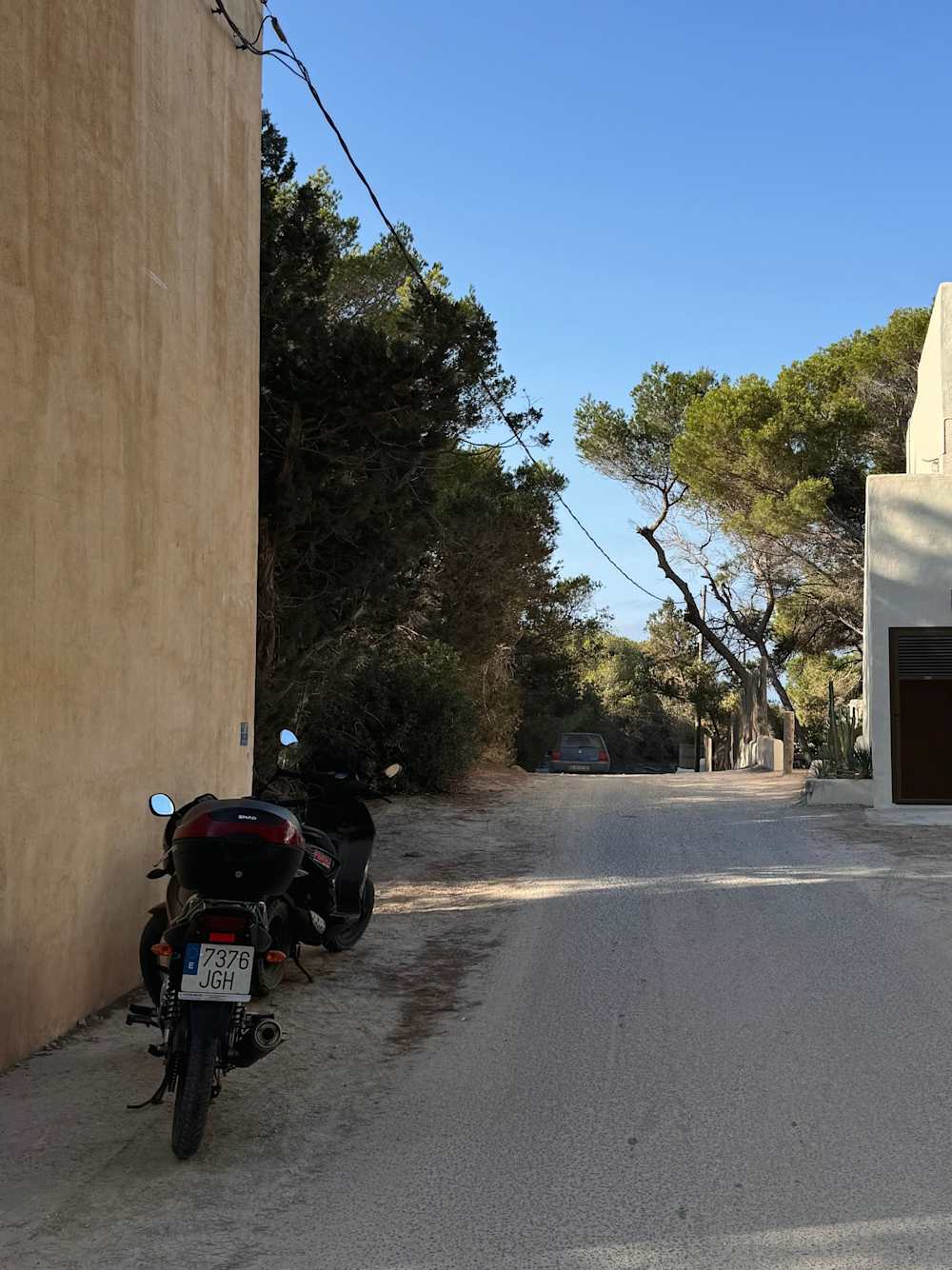
Dozens of sandy trails criss-cross the island; some snaking towards tiny, heat-shimmered hamlets in the scrubby interior, and others to the coast, meaning you won’t be short of hiking (and biking) routes. Set out on the steady uphill climb to the quiet village of El Pilar de La Mola, past windmills that’ve seen better days and crofted fields dotted with goats You’ll be rewarded with panoramic views across the untouched countryside. Press on along the main road and you’ll soon reach Formentera’s highest point, crowned with the imposing La Mola lighthouse. The edge-of-the-world feeling from this lofty spot is hard to beat, and the crash of the swells against the cliffs below only heightens the sense of drama.
Sant Francesc Xavier, the compact, whitewashed capital, is dotted with souvenir shops, bougainvillea-draped ateliers, bakeries and the odd gallery; set aside an hour at least to meander through its narrow streets. Poke your head into the Església de Sant Francesc Xavier, an 18th-century church home to an intricately decorated altarpiece; across the way, Sala d’Exposicions hosts exhibitions showcasing the work of artists from the Balearics and beyond. After, grab a melt-in-the-mouth ensaïmada from Panaderia Can Manolo for some on-the-go fuel, and note that the main square of Plaça de la Constitució offers seriously good people-watching, especially on Saturday nights, when it comes alive with jazz and dancing.
Where to eat in Formentera
You’ll find Chiringuito Bartolo’s tables sprawled across a rocky stretch of Platja d’es Copinyar, mere steps from the sea. The eatery has been a part of Formentera’s fabric for half a century; it’s swerved closure so often that it has attained near-mythical status. Though the original, rickety stilted shack — held up by niftily placed branches — has been switched out for a more contemporary set-up (a crying shame, in all honesty), and the menu goes beyond that of your typical beach hut, it still makes for a satisfyingly unpretentious day-to-night hangout, with the velvety tortilla de patata being a must-try.
You can’t fault the menu at laidback Beach Club 10.7 either, with its locally caught langoustines, paccheri twirled with delicate pieces of lobster, and handmade ravioli with aubergine and cherry tomatoes. Nab one of the tables right at the water’s edge to really capitalise on the views. For a slap-up supper, make for Es Còdol Foradat, where chef Frank Jiménez reinvents Balearic favourites to triumphant effect. Start with the red-prawn carpaccio and smoky roasted aubergine with sobrasada and local honey, before moving on to Jiménez’s signature dish, salt-baked spiny lobster served with crispy fried potatoes. The wine list puts Spanish labels front and centre.
Where to drink in Formentera
To the south of the island, make a pitstop at Ses Clotades Rural, an off-the-beaten-path farm stand set amid a cluster of pine trees, just off Carrer des Arenals. It’s essentially a few crates of watermelons, apricots and huge oranges set beneath cherry-red parasols, but the owner will whip up fresh-pressed juices on the spot with whatever island bounty you pick out, and you can slurp your chosen nectar at one of their wooden picnic tables.
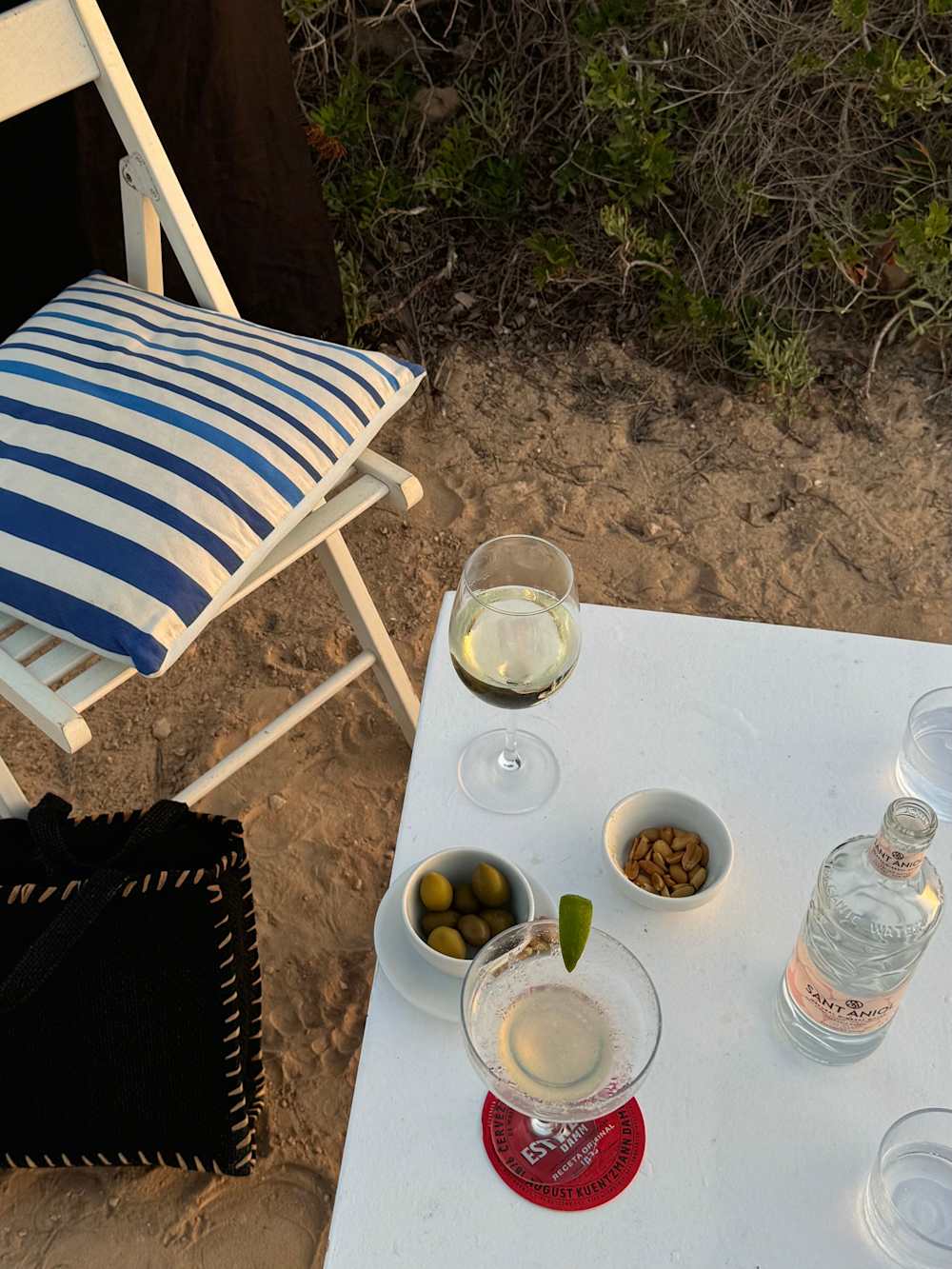
For something stronger, set your sights on Amar, an itsy-bitsy bar on Platja de Migjorn’s powder-soft shores, right where Kiosko Lucky used to be. This clapboard-clad hangout, run by a group of friends from Bologna, draws a knowing crowd. Whether you’re sinking Punk Palomas (a punchy concoction featuring mezcal and tonka-bean syrup) or hierbas and soda, there are few better places to be as sunset streaks the horizon bright orange. Meanwhile, on the opposite coast, Nuu, with its cream and burgundy deck chairs and lively Seventies soundtrack, is another atmospheric spot.
A bright-white façade and boldly daubed signage make Can Carlitos impossible to miss as you disembark at the port. Many consider it a pre-departure tradition to head here for a round of cold Estrellas here before getting on the ferry.
Where to stay in Formentera
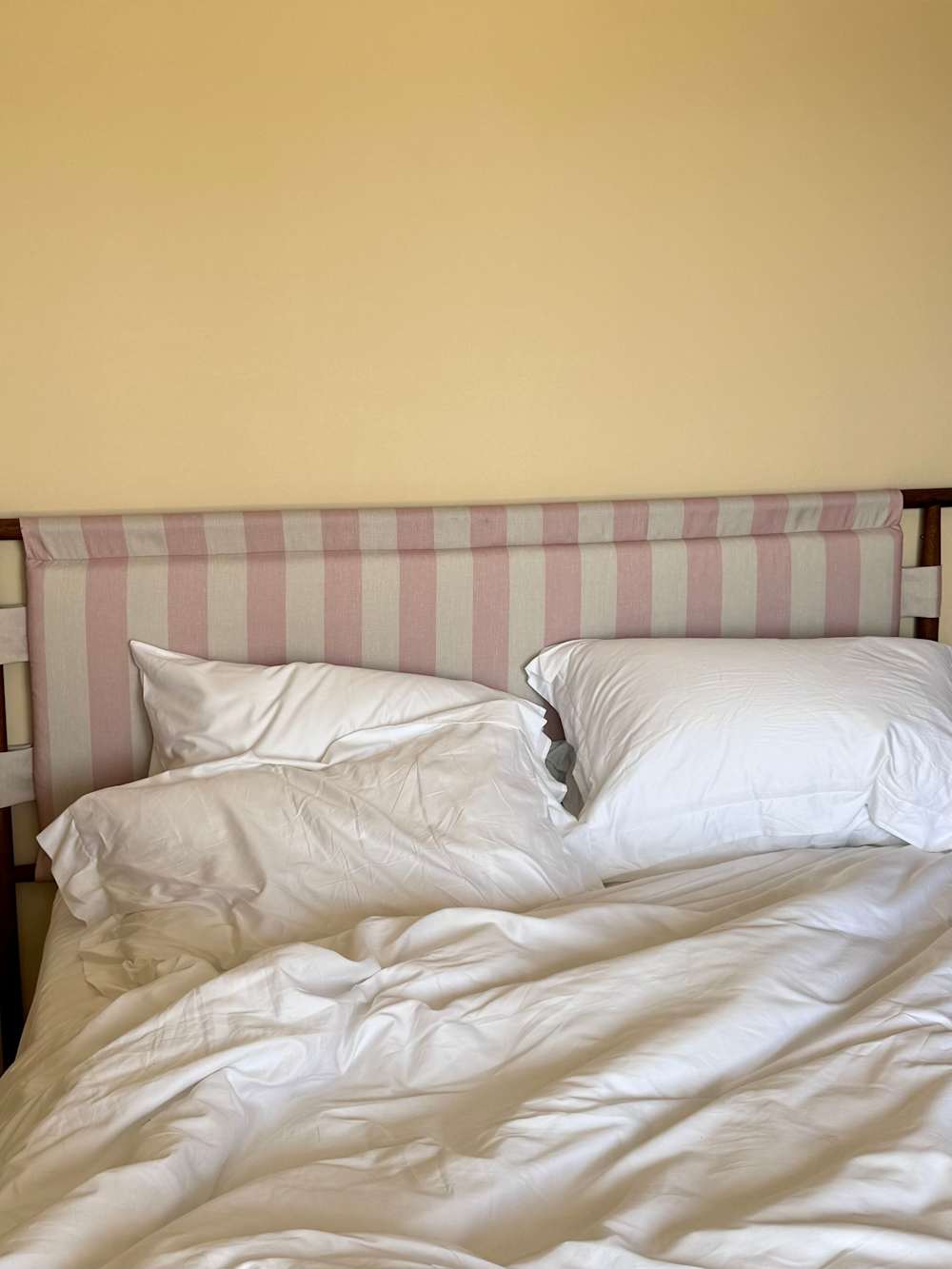
True to its name, easygoing Dunas de Formentera — the sister hotel to much-loved Gecko Hotel & Beach Club — is set amid Platja de Migjorn’s scrubby dunes, on the elemental south coast. Check in and you’ll find simple but beautiful bedrooms with cool poured-concrete floors, striped textiles and teak headboards, plus vast terraces angled squarely towards the rippling Mediterranean. Downstairs there’s a crescent-shaped sliver of a saltwater pool flanked by loungers and little tables hewn out of tree trunks. It’s sun-splashed in the daytime, with a canopy of tall pines casting shadows onto the stonework; come dusk, it’s an ideal spot from which to watch the sun slip into the sea with an icy beer in hand.
Don’t be alarmed when there’s a knock at your door first thing — open up and you’ll find a wicker basket filled with flaky pastries, hot coffee and just-squeezed orange juice, to tide you over until breakfast proper.
Where to shop in Formentera
In Sant Francesc Xavier, Muy stocks artisanal ceramics and striped jute cushions plus a sharp-eyed edit of linen separates. Balafia’s colour-block poplin sundresses are just right for days spent cove-hopping, and Janne Ibiza has gained a cult following for its crochet swimwear, handcrafted on its namesake neighbouring isle. As well as peddling the usual tourist tat, most souvenir shops here carry design-forward folksy knick-knacks you’d gladly adorn your shelves with at home. Keep an eye out for winsome ceramic fish and chunky jugs painted with Talavera-style motifs.
Down at the port, be sure to make time to potter around Mercadillo de La Savina’s hippie stalls, which spill along the promenade seven days a week. Things get going mid-morning and the last of them don’t shut up shop until around 11pm. Alongside beach-ready linens, you can expect to pick up handwoven sun hats, an outrageous array of rope-soled alpargatas, plus dainty shell anklets, necklaces and the like.
Formentera at a glance
How to get to Formentera: Fly into Ibiza, make for Port d’Eivissa and jump on one of the ferries bound for Formentera. They run every half an hour in the summer months, and some are faster than others, but even with a slower crossing, you’ll be deposited at La Savina — the island’s only port — in under 45 minutes.
How long to spend in Formentera: Four or five days is ideal, but since Formentera’s dinky, you can get a good feel for it in 48 hours; as such, it’s a great shout for a quick weekend jaunt (or some downtime after a longer stint in Ibiza).
The best time to go: To see the island in its prime, June and mid/late September are the sweet spots.
Transport tips: After stepping off the ferry at La Savina, hop in a taxi — there’s usually a row of them just behind the ticket office. To explore the island’s more remote spots, hiring a car is recommended.
See our full collection of hotels in Formentera, find out why Menorca is the Med’s ultimate art destination or spend 48 hours in Ibiza