



With poetic prowess scrawled over its history, Bloomsbury has long attracted chroniclers and creatives alike for its cultural atmosphere and alluring Georgian squares. Besides resident writing talents like Charles Dickens and Virginia Woolf, it also served as inspiration for revolutionaries including Emmeline Pankhurst and Dante Gabriel Rossetti, who famously founded the Pre-Raphaelite Brotherhood around the corner from Bedford Square.
Today, that artistic influence is still etched into its streets, and we’re here to direct you to its hole-in-the-wall haunts between blue plaques with our neighbourhood guide to Bloomsbury.
WHERE TO GET COFFEE
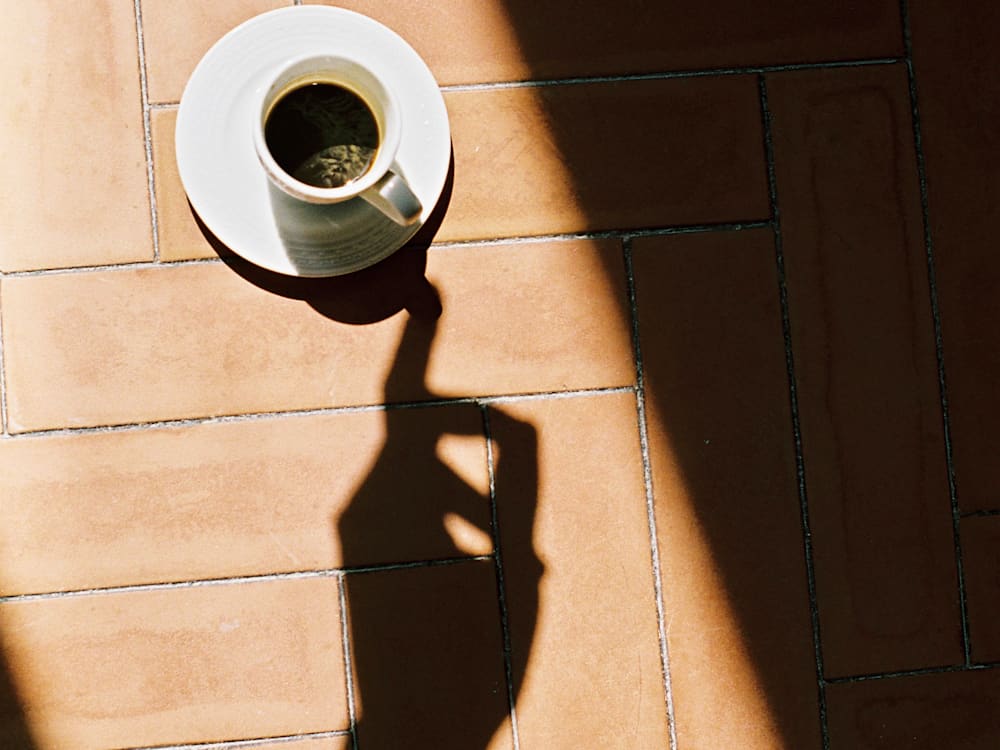
In our opinion, it simply isn’t possible to do your greatest work before you’re sufficiently energised. Thankfully, Bloomsbury is filled with wonderfully offbeat spots for securing your morning brew. Set in a mews behind Russell Square, Fortitude Bakehouse is perhaps the best known of the bunch, but the occasional ‘camera eats first’ visitor is yet to deter loyal locals from gathering for its generously-sized cinnamon swirls and full-bodied blends. The dough for each pastry is slowly fermented for 48 hours in the bakery’s neighbouring kitchen for maximum flavour, and the speciality fried beignets are sold from 11am until they sell out, so get in early.
For somewhere with more seating (at Fortitude, you’ll perch on an alfresco bench or lean against a wall), Honey & Co combines a deli, café and restaurant space adorned with handmade pottery by Sarit Packer, one of its owners. You’ll find similarly modern interiors and speciality drinks at The Penny Drop on Tottenham Street, while budding botanists will find their coffee-sipping crowd at Woburn Walk’s quirky Casa Jardim, where you can also buy plants and dried-flower bouquets.
FOR READING MATERIAL
With your wake-up boost secured, you’ll be ready to tackle Bloomsbury’s quaint, scholarly — and once wildly radical — bookstores. Start with a wander through the small-but-sweet Marchmont Community Garden to Skoob, where an underground network of ceiling-height shelves overspill with more than 70,000 second-hand paperbacks. Literary legend Gay’s The Word was originally founded in 1979 as the country’s first LGBTQIA+ bookstore; despite its still-rising status as one of London’s cultural icons (albeit one on the quieter side), it’s remained an independent, community-led space for people and publications of every orientation. Nearby, the equally historic Judd Books favours academia and the arts, and has been a playground for educators and students since 1992. Brunswick Bookshop sits in its namesake shopping centre — it’s a much newer addition to the local scene, but earns accolades with readers for its thoughtfully curated selection of lesser-known writers.
If you can’t wait to flick through your latest read, roam to one of this neighbourhood’s many green spaces to settle in for a chapter (or four). Russell Square, Tavistock Square and Bloomsbury Square Garden are some of the most spacious, which often served as inspiration for local authors’ leafy backdrops.
WHAT TO DO
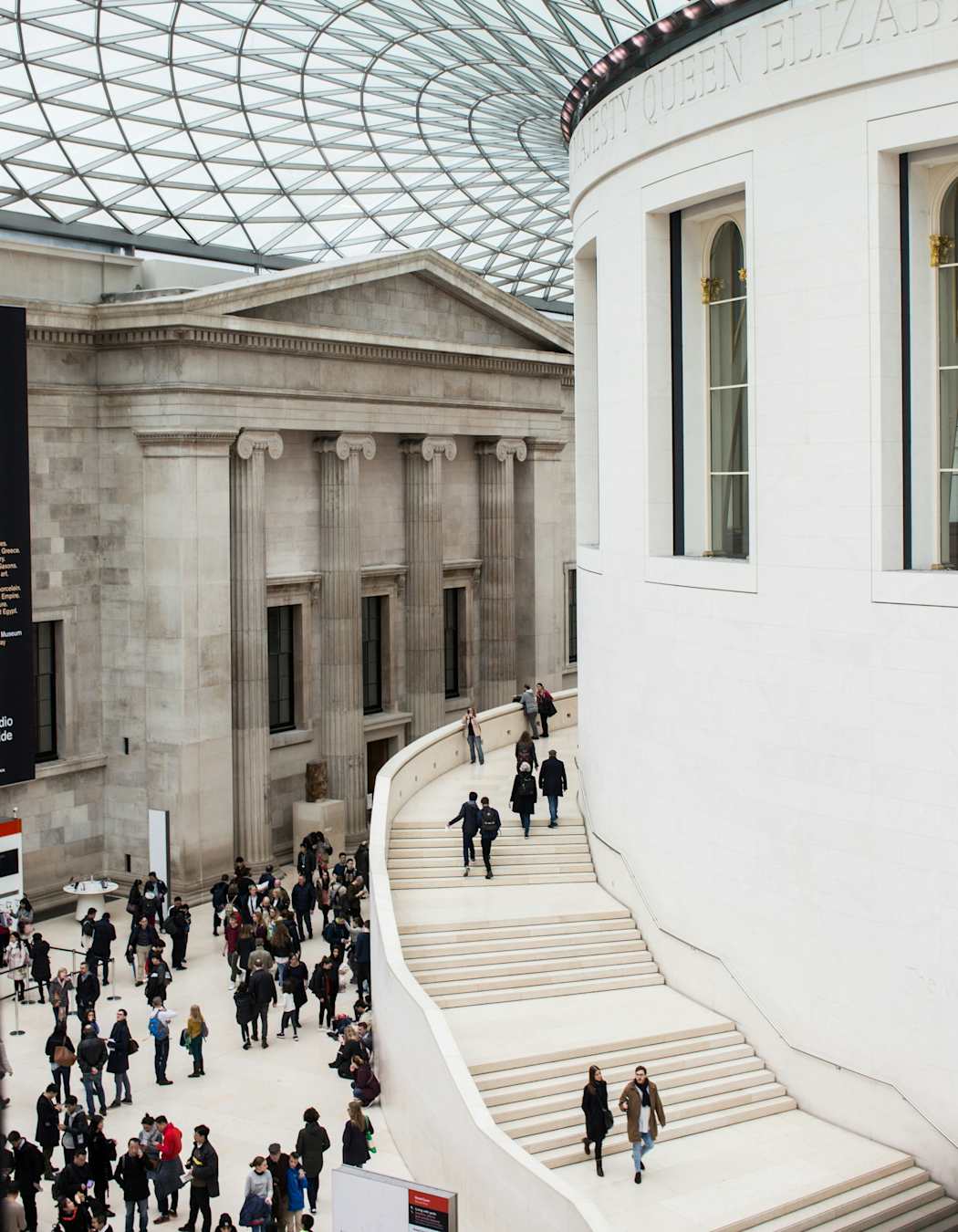
Along with its literary esteem, Bloomsbury has long been hailed as London’s academic quarter, with the University of London, University College London and The School of Oriental and African Studies (which has its own art gallery) among its prestigious institutions. But you needn’t be matriculating to make the most of its intellectual cachet: The British Library has wide learnings across its 170-million-strong collection, and the world-renowned British Museum hosts abundant cultural artefacts.
If you’ve already seen the Parthenon’s marbles, there are equally interesting, smaller-in-scope stops, like The Foundling Museum. This manse beside the Brunswick was the country’s first orphanage, and through its years has crafted a strong connection to the arts; often showcasing patrons, like it did in the 18th century, when George Frideric Handel famously performed his Messiah for fundraising events. Today, live concerts remain a cornerstone of the museum’s event schedule.
If that blast from the past leaves you wanting more (please, sir), the Charles Dickens Musuem is filled with original manuscripts and resides in the writer’s former lodgings on Doughty Street. For something more modern, The Horse Hospital — once a stables for cab drivers’ sick steeds — now nurtures up-and-coming artists, hosting exhibitions and events.
WHERE TO EAT
Shun the restaurant chains and make your way to Marchmont Street, the neighbourhood’s whimsical thoroughfare for loved-by-locals spots like Mama Pho. This family-run eatery has mastered its culinary niche, brewing soul-soothing Vietnamese soups for over eight hours before dishing them up in its convivial living-room-like setting. One door down, Pasta Sophia’s hand-rolled, carb-filled menus are filled with southern Italian soul; her sister restaurant, Pizza Sophia, is a few minutes’ walk away, should you fancy a different type of carb-y dinner. For a proper old-school Paisan institution, heed the call of Lamb’s Conduit Street, where Ciao Bella has been luring the masses with its no-fuss, traditional fare since 1983.
The Life Goddess takes the Greek ritual of family meals very seriously. Locals gather daily for its breakfast-through-dinner offerings of authentic, feta-filled mezes, handmade zucchini balls, slow-cooked kleftiko and a biblical list of Greek wines that would have Dionysus sipping with approval. If you’ve a hankering for some Great British grub, the deft team behind Rosewood London’s Holborn Dining Room are celebrated for their stout, gravy-packed pies, served in a private room devoted to the dish.
WHERE TO DRINK
In a country known for its pubs — and a city with more than 3,000 of them — deciding where’s best for a drink is a difficult feat. But allow local repute (and Dickens’s drinking legacy) to guide you to The Lamb, where a Victorian façade and celebrated absence of ‘snob screens’ (frosted-glass barriers between the upper- and lower-class patrons) has attracted residents since the 1720s. A beer from Museum Tavern may inspire some intellectual mastery — Karl Marx was rumoured to pop in for a pint between penning volumes of Das Kapital. And there’s even more history to heed at The Marquis Cornwallis, named for a high-ranking British Army General and a storied keg-stacker for over two centuries.
Sitting in its namesake hotel and soundtracked by gentle live jazz, The Bloomsbury Club offers a welcome change of pace from the lovingly chaotic nature of London’s pubs. The drinks menu is a paean to the British Museum’s Egyptian antiquities with names written in hieroglyphics and flavour profiles that mirror their mythical history.
WHERE TO STAY
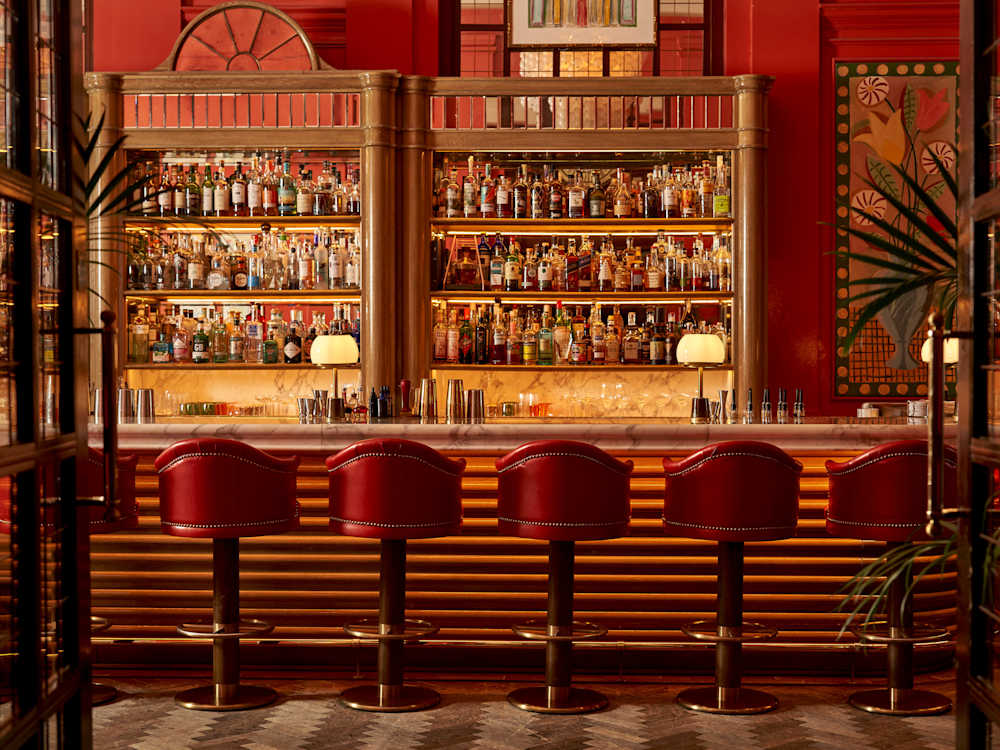
Secure yourself a suite designed by famed architect Edwin Lutyens at The Bloomsbury — a suitable sanctuary should you find yourself a number of ‘Kheper’ (a warming blend of Drambuie whisky, cinnamon and caraway) cocktails deep after one of the bar’s legendary live shows. There’s a library, too, should you feel the call of its cerebral past, plus an assuredly affluent restaurant for afternoon tea and the leafy Dalloway Terrace (named for Woolf’s socialite heroine) that makes for particularly idyllic breaks between urban rambles.
As we’ve established, reading is sacred to this neighbourhood, but there’s a divinity of a different kind at L’oscar — an opulent hotel set in a former Baptist church near Holborn, where reverence is reserved for designer Jacques Garcia and his seductively styled rooms. If you’re venturing just beyond Bloomsbury’s borders, Fitzrovia has a handful of cosseting picks, including the Kit Kemp-designed, Firmdale classic Charlotte Street Hotel, and the latest name to know, The Newman, set to open its art deco doors early next year.
Discover more of London’s locally loved haunts with our neighbourhood guides to Soho, Marylebone and Covent Garden