



Bus Palladium is dead; long live Bus Palladium. The 1960s Parisian nightclub that merged the velvet-rope-tied glamour of Studio 54 with the unvarnished artistic verve of the Chelsea Hotel on the sordid streets of the Pigalle neighbourhood shut its doors in 2022 after 57 years of late, late nights. But don’t let your mascara run just yet, because — as any self-respecting night out demands — there’s an after-party. In April this year, Bus Palladium’s (or ‘Le Bus’ as it was known by regulars) red-neon sign sparked up again, signalling that it was available once more for naughty fun.
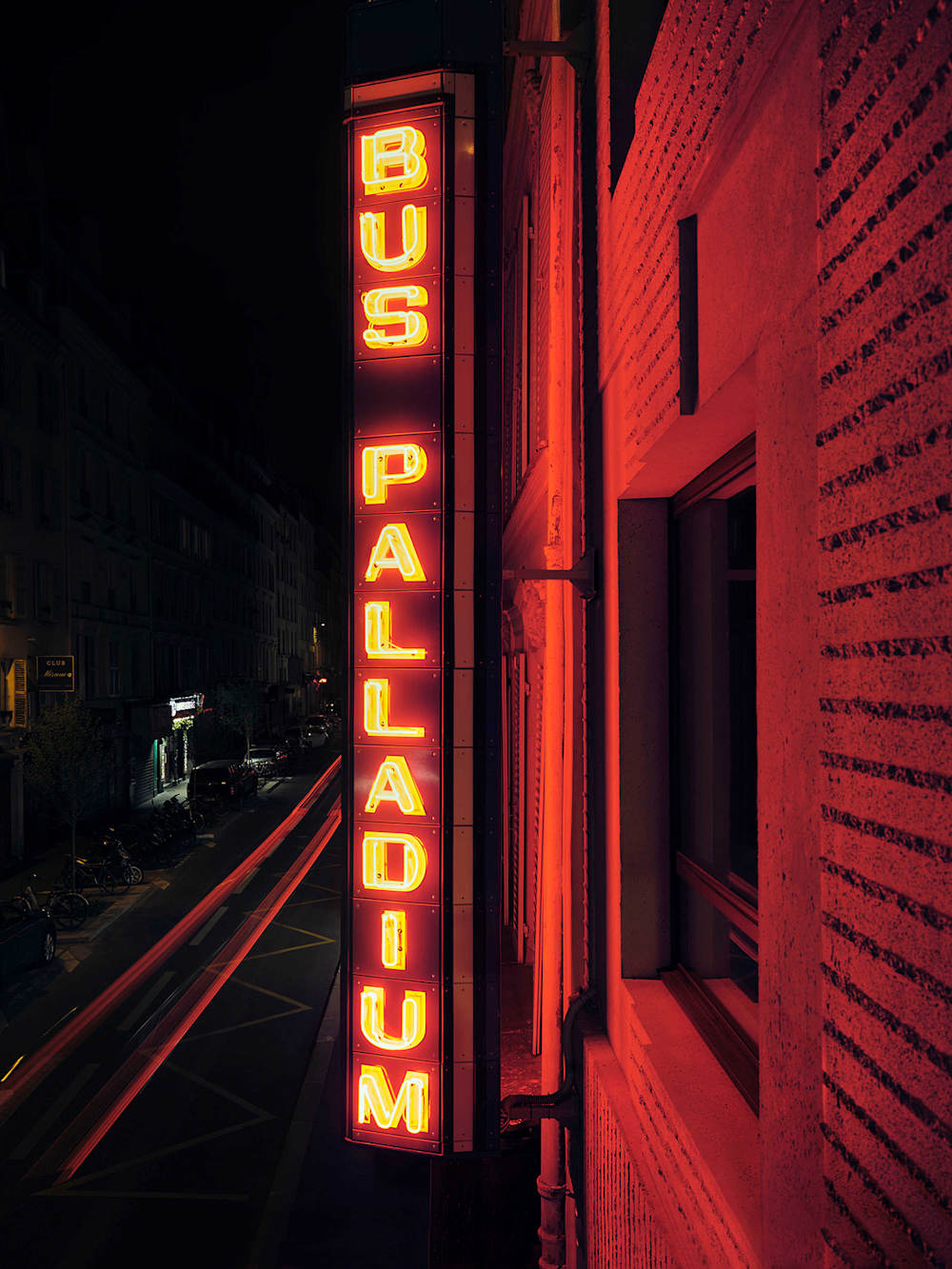
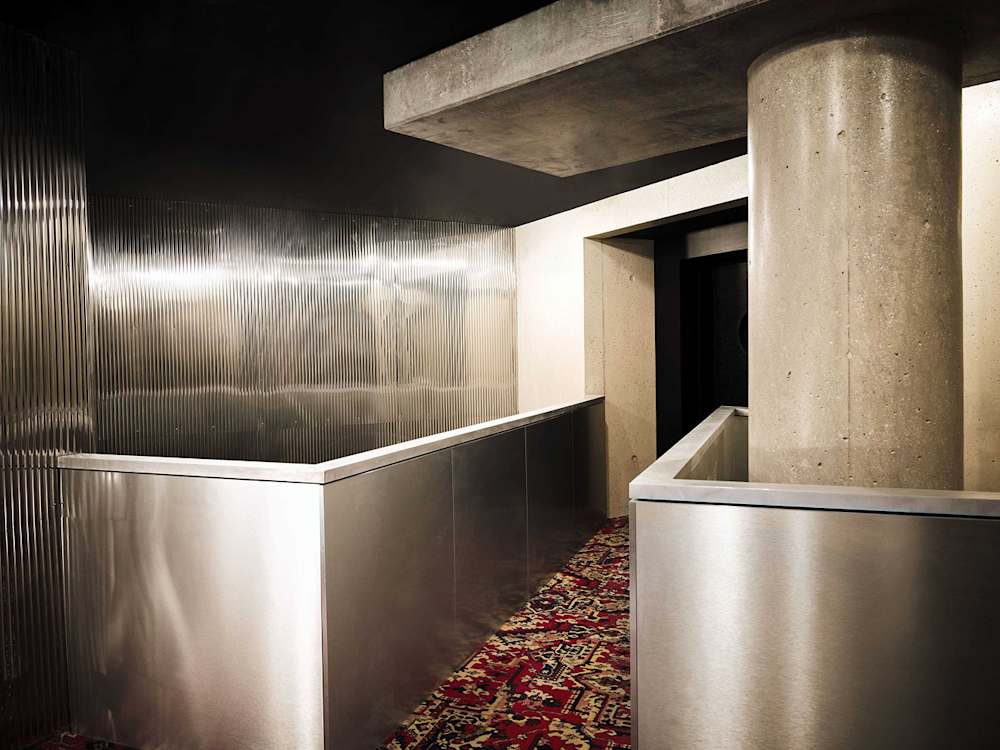
Luckily Smith’s name was on the list to see the impressive four-year renovation project for which Studio KO (visionary architect-designers Karl Fournier and Olivier Marty, who were behind projects such as Marrakech’s Yves Saint Laurent Museum, London’s Chiltern Firehouse and Chateau Marmont’s revamp) excavated four-storeys below ground to keep a club at the building’s heart, sandblasted the façade, and hauled in marble, cork panelling and dazzling disco lights. It’s not the Bus Palladium, but like the dying whine of a dropped mic, a whiff of Gitane smoke or the swish of a Courrèges miniskirt in the throes of Le Bus’s famous ‘jerk’ dance, there are potent traces of what it once was.
Even sandblasting can’t erase its star-speckled notoriety. The original Bus was founded by James Arch, a 22-year-old dancer and assistant to French New Wave directors, who had a keen sense of social alchemy and named his hangout after Warholian New York hotspot Palladium, hoping for a similar lightning strike. Yes, the likes of the Rolling Stones and Serge Gainsbourg became repeat visitors, but Arch added youthful rocket fuel by sending a bus out to the suburbs to pick up cash-poor, swagger-rich young adults for a mere two Francs (which included a return journey in the wee hours). Hence the ‘Bus’ addendum to the name.
This boundary-less mingling made nights thrillingly unpredictable. ‘You like nitroglycerin? The Bus Palladium is where you go to hear it,’ Serge Gainsbourg sang in Qui est ‘in’, Qui est ‘out’, his song immortalising the club. He may have been referencing The Beatles or Stones, French rock band Téléphone or, ahem, Johnny Hallyday, who all took to the stage; but it seems the atmosphere could be equally explosive. God knows what the suburban teeny-boppers made of the pet panther Salvador Dalí once walked in on a leash.
French pop singer Hervé Vilard DJ-ed there at 17 to pay for singing lessons; acts as diverse as Patti Smith and Gloria Gaynor tore up the stage; you might have found De Niro and Pacino dancing alongside John McEnroe. The Strokes, Razorlight and Pete Doherty ushered it into a new era of loucheness; and porn star turned chanteuse Rita Winger (who played the closing show in April 2022) was allegedly so overcome by her emotional performance that she flung something very intimate into the crowd (we’ll spare you the gory details).
It’s a little less democratic nowadays, and perhaps a touch more restrained. The bouncers are rumoured to be more selective, and while guests get guaranteed entry, room rates start from around £340 a night. However, I do feel quite smug as I dangle my red-leather key fob at the club door, which was swiftly opened (there’s also a discreet guest entrance staff will escort you through on request). You’re here to breathe rarefied creative air, but this is also new and novel, with rock-star charisma in-built.
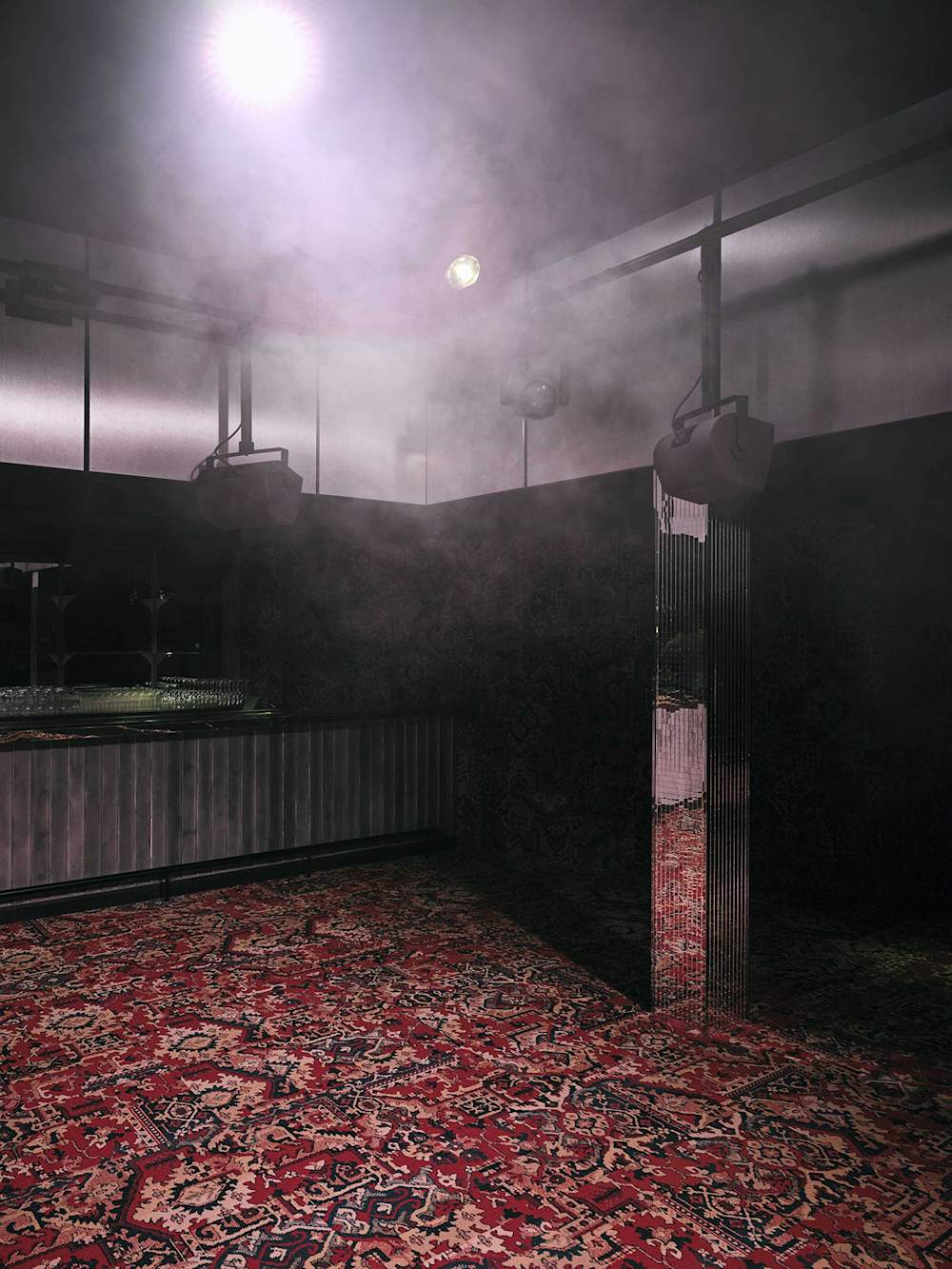
Having run around Paris all day in searing summer heat, I’m more tempted by the Ojas sound-system in my room than whatever the DJ’s serving — but who can resist a dose of disco glitter, under the enormous, original mirror ball, no less. Christian Casmèze, inheritor of Le Bus’s building, pitched its reawakening to Chapitre Six hotel-group founder and CEO Nicolas Saltiel as a ‘laboratory of creation’, echoing Jane Birkin’s assessment of the original as ‘a mental laboratory…where artists feel inspired without quite knowing why.’
I have some idea, as I join those moving on the psychedelic Persian carpeting that runs up the walls, too; crowding conspiratorially on blue-velvet banquettes and slipping out to the mirrored annexe room for cheeky indoor-outdoor cigarettes. Sipping a Pét-Nat, I realise this isn’t just an homage to what came before — life has been breathed back into a capital-M Moment and with it a potent sense of possibility.
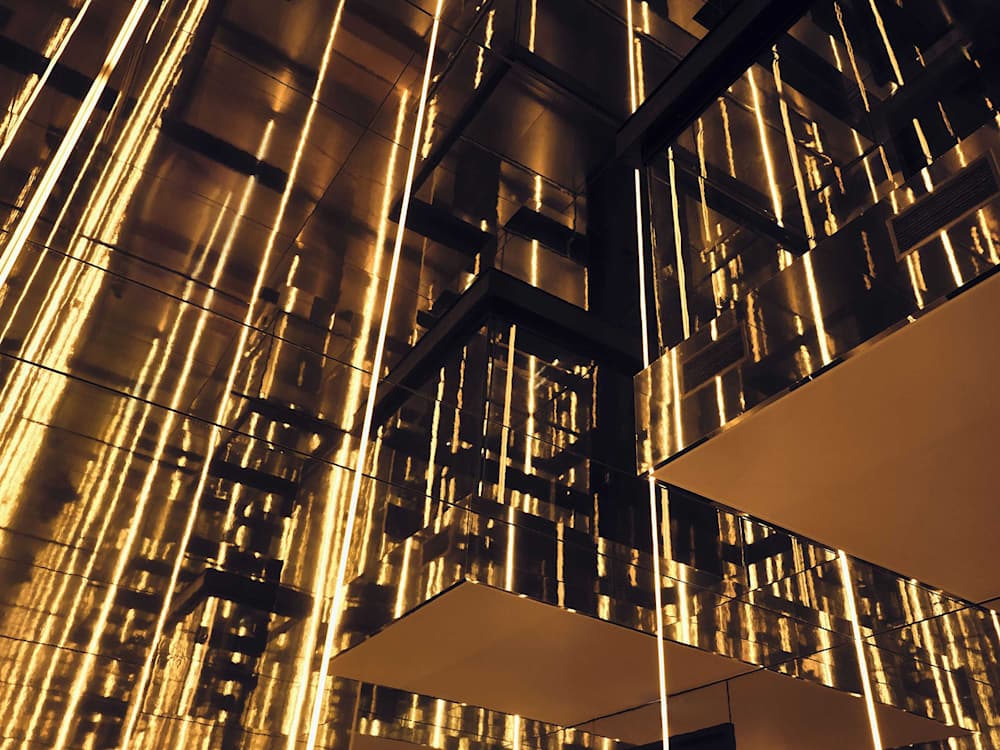
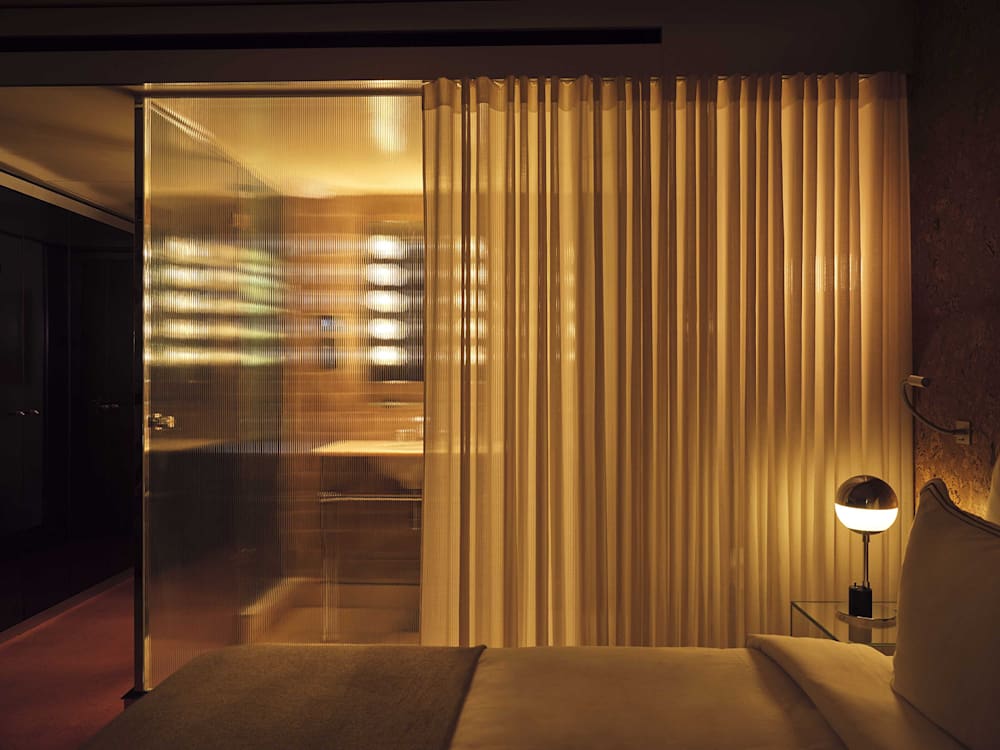
Do I make it to the club’s 5am closing time? Non. That was never on the cards when there’s a hotel bed to fall into. But don’t pity me too much — as Front Office Manager Sofiane Larras (or ‘redbeard’ as he asks fellow guests to call him) tells me, ‘We have 36 clubs.’ That being the one in the basement and each of the 35 rooms, where there’s much potential for the after-after-party. Model turned artistic director Caroline de Maigret’s curated playlists for Le Bus include one named Boogie Nights (alongside In the Mood for Love and The French Connection); the minibar has full-size spirit bottles (at just over supermarché prices, très bien); the lighting options run from a strip designed to look like sunrise to bar backlighting to dimmed and seductive. Even the doorhandles have a textured, microphone-like grip and light-switches resemble those on amps, all purposefully designed.
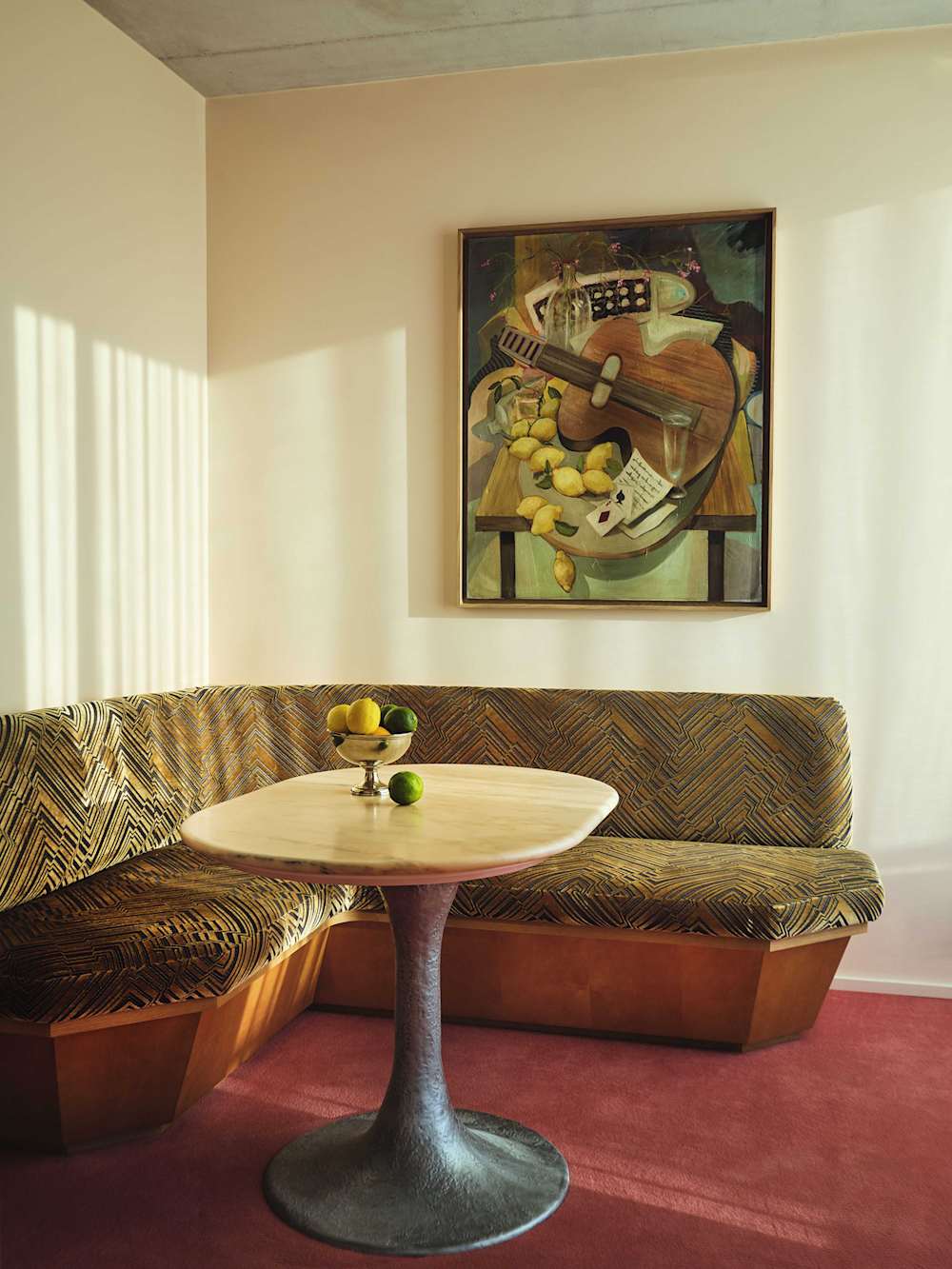
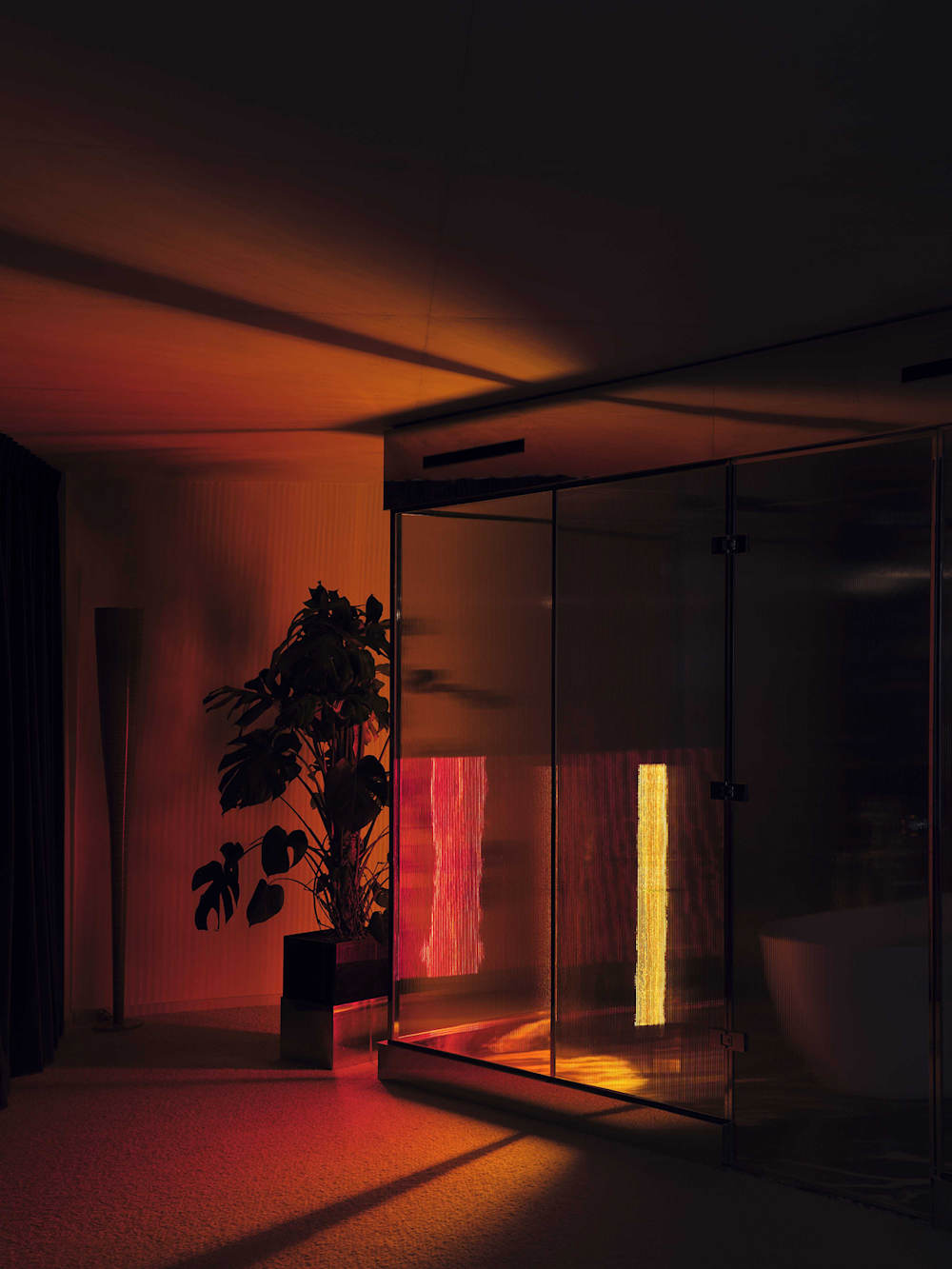
This dials up to 11 in the Dalí Suite, a sprawling space with a fluid nature (the Murphy-style bed can be packed away in its leopard-print alcove). It has the only balcony, behind the glowing sign, a sci-fi-esque bath tub, the most elaborate sound-system and spectacular vintage furnishings (can I please have De Sede’s conversation-pit-style, DS-600 Snake sofa for my home?).
Le Bus‘s decor might not immediately read luxury to everyone — although the downstairs bar is draped in just as much velvet as a Belle Époque salon. Consider its incongruous mix of utility and indulgence: concrete and chipboard with bubble-gum-pink carpet and chintz; reeded-glass walls obscured by muslin net; plexi-glass bedside tables displaying either vintage cassettes (sourced at nearby record store, Balades Sonores) or curated artworks you can buy with a QR code, set alongside high-gloss finishes and plush banquettes. Hang on: a nerd-alert level of tech? Sound-absorbing deep-pile? A dishevelled utility to it all? This feels like the backstage area. There’s certainly that frisson of building momentum, and even the staff’s smart corduroy blazers were based on roadie outfits. Apt, as they do their best to fulfil any rider requests I might have.
If you make it to 5am, morning-afters are salvaged by slipping into a velvet booth beside the visual Vicodin of the restaurant’s central terrarium, and ordering the larger ‘Palladium’ breakfast for its hash-browns with a Gwell Breton cheese dip and Japanese soufflé pancakes.
Dalí once told Le Bus’s former owner, ‘Whatever you do, don’t change a thing. You have here an exceptional work of kitsch art.’ Who knows how he’d feel about this self-referential iteration, but this place of sensual shabbiness doesn’t feel like the lights coming on after the music’s stopped, but more like a winking scarlet glow in the dark, signalling your next best night out.
Join the cool crowd at Bus Palladium or read about more hotel legends