



For all the fame of its summer festival, Edinburgh comes into its own during the darker, chillier months. Blackened spires clawing at the clouds; ‘haunted’ vaults lurking beneath cobbled pavements; a mediaeval castle glowering atop craggy volcanic rock; and a blood-stained backstory to practically every street corner.
It’s a cityscape that has stirred many a Gothic creative, from Robert Louis Stevenson to Mary Shelley. So, with Halloween just around the corner and Guillermo del Toro’s eagerly awaited take on Frankenstein arriving next month, I boarded the Hogwarts Express (read: the LNER Azuma) to Waverley Station, packing a copy of Scottish ghost stories and a highly suggestible imagination, to explore Edinburgh’s spookiest corners…
What to see
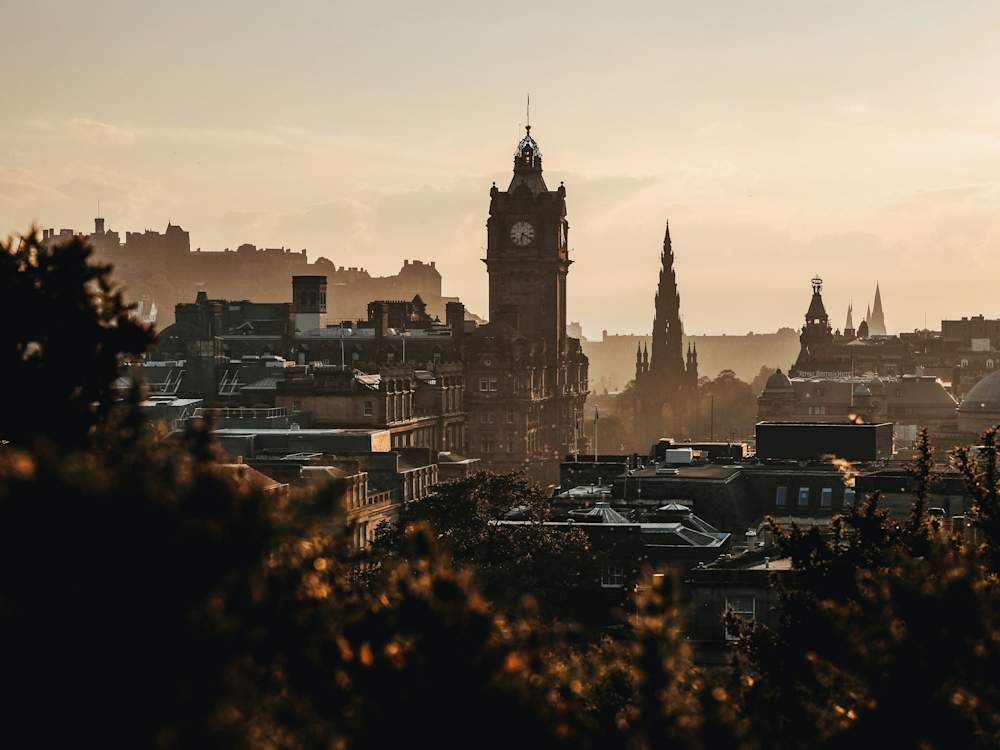
Where better to begin summoning some Gothic gloom than a graveyard? Greyfriars Kirkyard isn’t your standard parish burial ground. Skulls and crossbones leer from hulking mausoleums and monuments; iron mortsafes hark back to when graverobbers looted crypts to supply the university’s fledgling anatomy school with cadavers; and various tombstones bear names that made their way onto the pages of Harry Potter: Riddell, McGonagall, Moodie, Scrimgeour.
The bravest of tourists can visit after-hours with City of the Dead Tours. By torchlight, guides kitted out in period garb recount tales of sinister figures such as Bloody Mackenzie: a ruthless 17th-century lawyer whose poltergeist is said to haunt the Kirkyard’s Black Mausoleum. So many unexplained, allegedly spirit-led attacks have been reported there that the tomb’s now locked to the public.
Close by, there’s the Royal Mile, where reminders of a grim and gory past lurk between the bagpipers and souvenir shops. Along this thoroughfare — which runs like a spine through the Old Town, with the castle at the head — you can pay your respects at the Witches’ Well: a tiny, cast-iron fountain commemorating the women wrongly executed during the witch trials; and at Mercat Cross, where a massive guillotine and gallows once stood to mete out yet more tough justice. This is the blackened stone backdrop that Guillermo del Toro selected for his upcoming Netflix adaptation of Frankenstein; look out for the familiar sights when watching Jacob Elordi — who plays an absurdly handsome version of the Creature — and co on screen in November.
In the original novel, Edinburgh, in fact, gets rather short shrift — it briefly appears as a waystation on Victor Frankenstein’s journey to the Orkney Islands, dealt with in a paragraph. But it’s thought the city’s mix of cutting-edge medicine and the macabre made an impression on a young Mary Shelley during her time living in Scotland, as it did for local literary luminaries Robert Louis Stevenson and Sir Walter Scott. Bookworms can pore over this pair’s manuscripts, portraits and first-editions at The Writers’ Museum, which sprawls higgledy-piggledy over a 17th-century townhouse just behind the Royal Mile.
More chills await when you descend to The Real Mary King’s Close. Although this warren of cobblestone alleyways and the surrounding, cramped living quarters have appeared on Most Haunted and Ghost Hunters, its tours make a point of following facts rather than the fantastic — or as the guide on my visit announced: ‘Edinburgh’s full of myths, but we give you the real stories, real people.’ Prepare for tales of plague outbreaks, the street’s eponymous proto-feminist resident and another notorious local, Deacon Brodie — respectable businessman by day, gang leader and burglar by night — whose duplicity is said to have inspired The Strange Case of Dr Jekyll and Mr Hyde. Proof that in this city, truth’s often stranger than fiction.
Where to shop
Scour for well-thumbed Gothic masterpieces at Armchair Books, a labyrinth-like shop on the Grassmarket that’s packed to the rafters with second-hand and antiquarian reads.
Keeping things weird over in the New Town, Black Moon Botanica bills itself as a ‘purveyor of magickal [sic] and esoteric goods’. This boutique has the feel of an old apothecary, with its husband-and-wife team crafting soy-wax candles in bell jars, wax melts and perfume oils in the on-site workshop. There are walk-in tarot readings, too. Its scents and ritual kits shift with the seasons: a mist of Dark Academia’s sandalwood and rose notes is spot-on for wandering the university’s Anatomical Museum and Old College Quad, or you can spice up Samhain (the pagan end-of-harvest festival, which coincides with Halloween) in a cloud of clove- and nutmeg-laced Bonfire.
Where to eat
Unsavoury (or indeed downright nauseating) as some of Edinburgh’s heritage may be, don’t let it deter you from a good dinner — especially when this city’s restaurant scene is going from strength to strength. Just around the corner from Black Moon Botanica, and reached via a creaky wooden staircase, Tipo’s pastas and Italian picky-bits will keep the cold at bay: burrata on a bloody pool of romesco sauce, shards of white truffle stirred through buttery tagliatelle, a fat-flecked salumi platter, and — best of all — the alarmingly named strozzapreti (‘priest stranglers’ in Italian). As legend has it, these chunky, coiled noodles, here served in a rich duck ragù, were used to punish gluttonous priests.
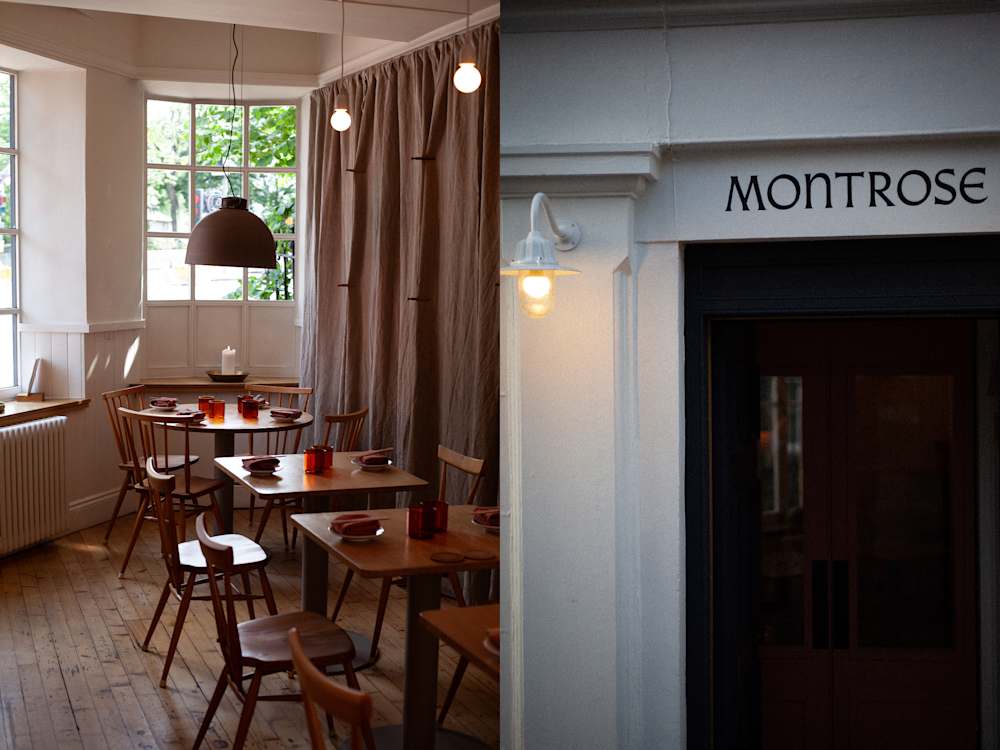
The younger sibling of Michelin-starred Timberyard, Montrose conjures the right atmosphere for cosy autumnal evenings. Housed in a 19th-century coaching inn, it’s ethereally lit with Copenhagen streetlamps, and pumpkin-hued glassware casting an amber hue over table linens set beneath heavy oak beams. Whether opting for some small plates or the rather reasonable tasting menu (£85), expect an exciting line-up of foraged seasonal delicacies and ferments — this year’s harvest, for instance, ushered in skate with kabocha squash and sage; and grilled corn with smoked butter — paired with an offbeat selection of low- intervention organic wines.
Tucked in the castle shadows, The Witchery beckons diners into a 16th-century merchant’s house for some no-expense-spared fine dining. There are two equally atmospheric settings to choose from: The Secret Garden, set down a stone staircase carved with mediaeval coats-of-arms, where tarot symbols scroll across the painted ceiling; or the Original Dining Room, dressed dramatically with oak-panelling, tapestries and antique, silver candlestick holders. The same decadent, old-school menu is served in both spaces, which raids Scotland’s larder for Ayrshire oysters, hand-dived Orkney scallops and 28-day-aged Borders beef.
Where to drink
Night owls could flit onto Edinburgh stalwart The Banshee Labyrinth for live music, drinks or maybe a horror-movie screening. Many claim to have heard supernatural shrieks from within this sprawling, vaulted venue, although today the soundtrack is more guitars than ghostly wailing. Depending on your tolerance levels for kitsch themed bars (where the tipples are called Monster Martinis and Corpsey Coladas), Frankenstein & Bier Keller is a riot. Imagine a mash-up of Oktoberfest meets The Rocky Horror Picture Show, set within a deconsecrated church, which — spoiler alert — tips off evening theatrics with an animatronic Creature that descends from the ceiling each hour.
For digestifs that err more chic than trick-or-treat, skip into a banquette at Vivien. Taking its cues from a Parisian Belle Époque bar à vin and its name from famous lesbian poet Renée Vivien, this decadent, subterranean cocktail den has launched just in time for Halloween. Pick your poison from a tightly-edited, craft-cocktail list — the house freezer martini is as dry as a bone, cut with artichoke, and basil and rosemary brine; or there’s a coffee-infused aged rum with mallow syrup providing a caffeine kick for late-night ghost hunts.
Where to stay
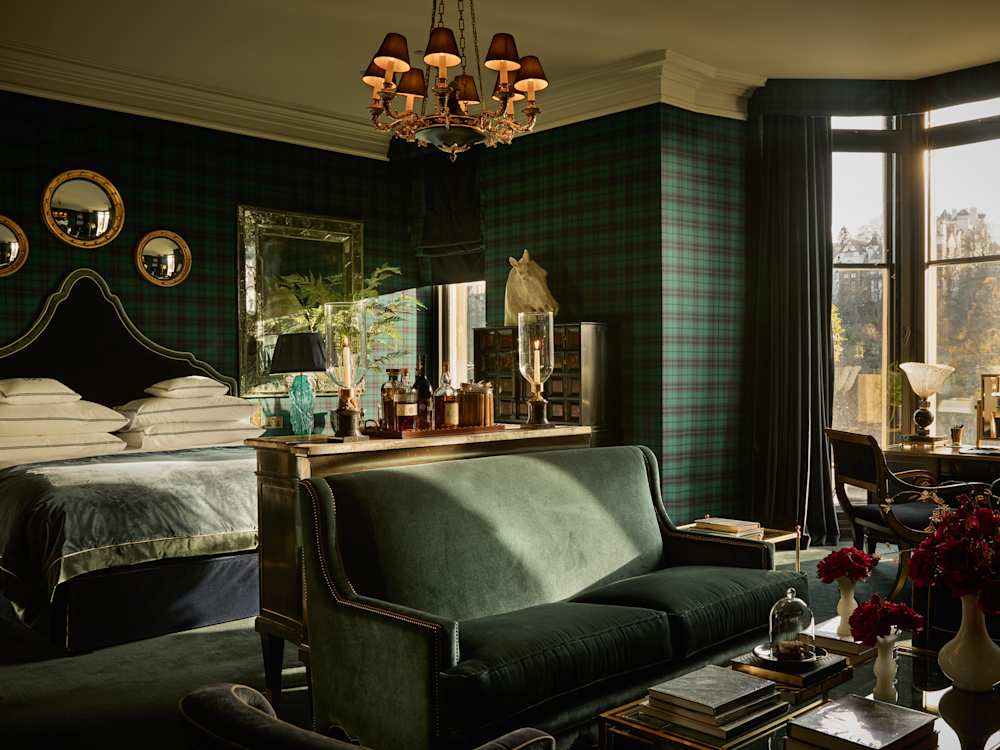
100 Princes Street is a darkly dramatic, curio-filled bolthole to bed down in. Behind its heavy, black-lacquered doors, lashings of inky marble, jewel-toned velvets, vintage globes and oil paintings of storm-lashed seas await. The whisper-quiet interiors belie its location on Edinburgh’s busiest thoroughfare — although a peek out the window will immediately reorientate you, revealing a view of Edinburgh Castle that any Gothic-hearted film director would swoon over.
While the slick, tartan-attired team might have you fooled that this place has been a five-star hotel for eons, 100 Princes Street has had many previous incarnations, from a Georgian noblewoman’s townhouse (Sir Walter Scott was apparently a regular at soirées here) to members’ club for the Royal Over-Seas League. It’s these Scottish explorers and botanists, rather than Gothic literary greats, after whom the sumptuous, high-ceilinged suites are named, and their endeavours that are depicted on hand-painted murals unfurling up the staircase. The plump Tempur-Pedic beds are absurdly comfy, so no nightmares after all that spooky sightseeing. But if you are feeling restless, a private whisky tasting in the Ghillie’s Pantry, where the barman’s armed with 300 different drams, may help to banish those demons.
Over in West Coates, The Roseate has the airs of a Victorian country manse, an impressive pile of glowering granite with ornamental gardens, tucked among similarly respectable neighbours. Tweed and herringbone give a modest nod to Scottish craft in its smaller bedrooms, but the suites have more of a flair for the dramatic — a copper bath tub, or perhaps a peacock-patterned Morris & Co wallpaper or four-poster with a mirrored ceiling — as does the midnight-blue Dunstane Bar.
See a less occultist side of Edinburgh with our more orthodox weekend guide to the city, or browse our collection of hotels in Scotland