


Seville is a city of micro-barrios, each extending from Casco Antiguo, the Andalusian capital’s old town. Some of these neighbourhoods are scrappier, livelier and less well-trodden than others. First-timers usually stay in Santa Cruz, the postcard-worthy former Jewish quarter, home to the city’s main iconic sights.
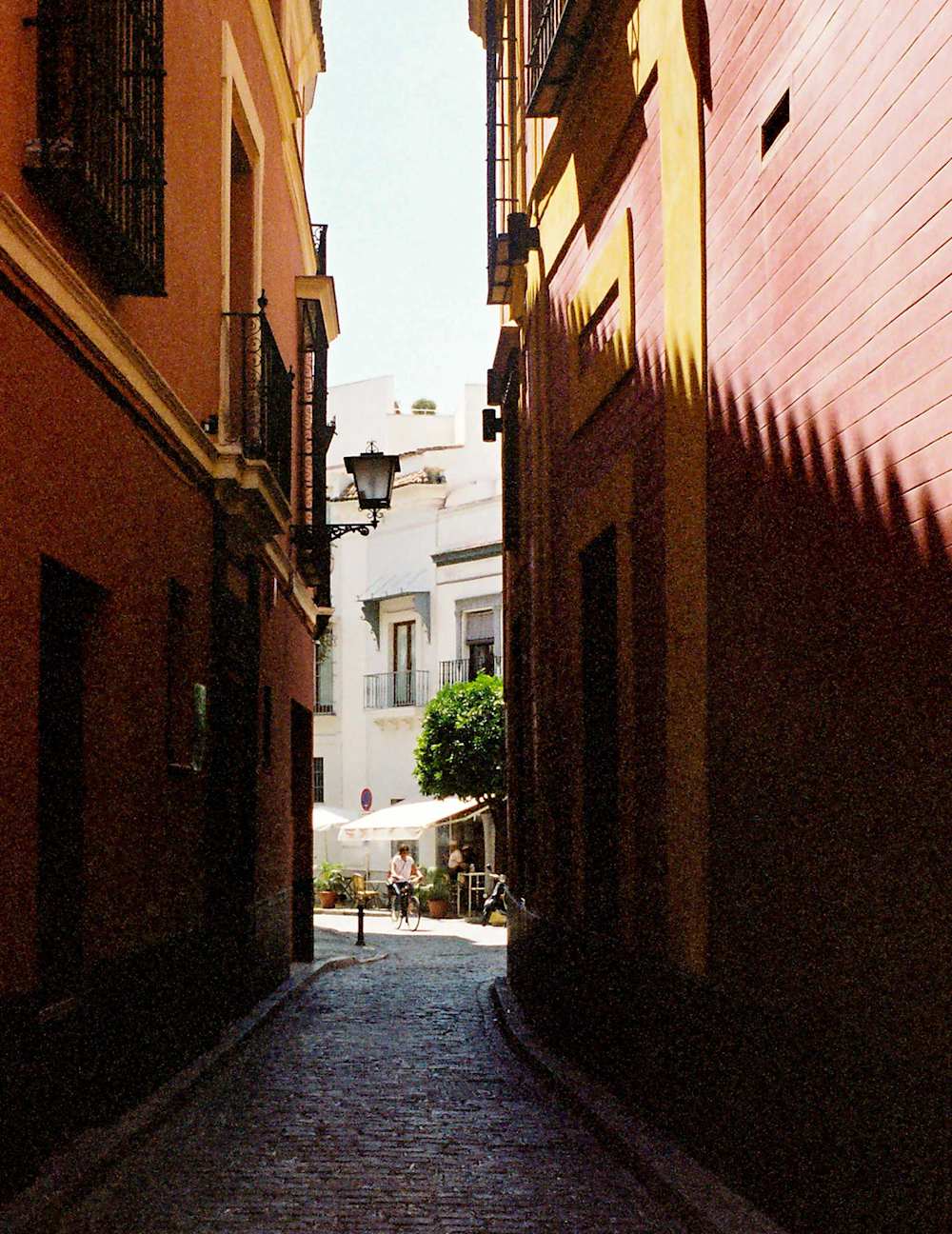
Return visitors base themselves a little further afield — perhaps in Triana, set on the other side of the Guadalquivir River, prompting some locals to joke that visitors need a passport to enter. This less polished, former seafaring neighbourhood has flamenco dives, riverside bars and food markets. Somewhere in between will place you in or around Alfalfa and Encarnación: close enough to the sights, far enough from tour guides and snap-happy holidaymakers. The good news is that almost nowhere in Seville is more than a 15-minute walk away from anywhere else. We did the leg work to cover all bases. Here’s our guide to Seville’s best neighbourhoods.
Santa Cruz
Seville’s former Jewish quarter is home to two of the city’s big-ticket monuments: The Royal Alcázar, a fortress with Moorish origins, and Seville Cathedral, the world’s largest Gothic cathedral. Santa Cruz is a popular base for first-timers, where you’ll find yourself happily lost in maze-like cobbled streets that wind up in picturesque plazas sporting water fountains and orange trees.
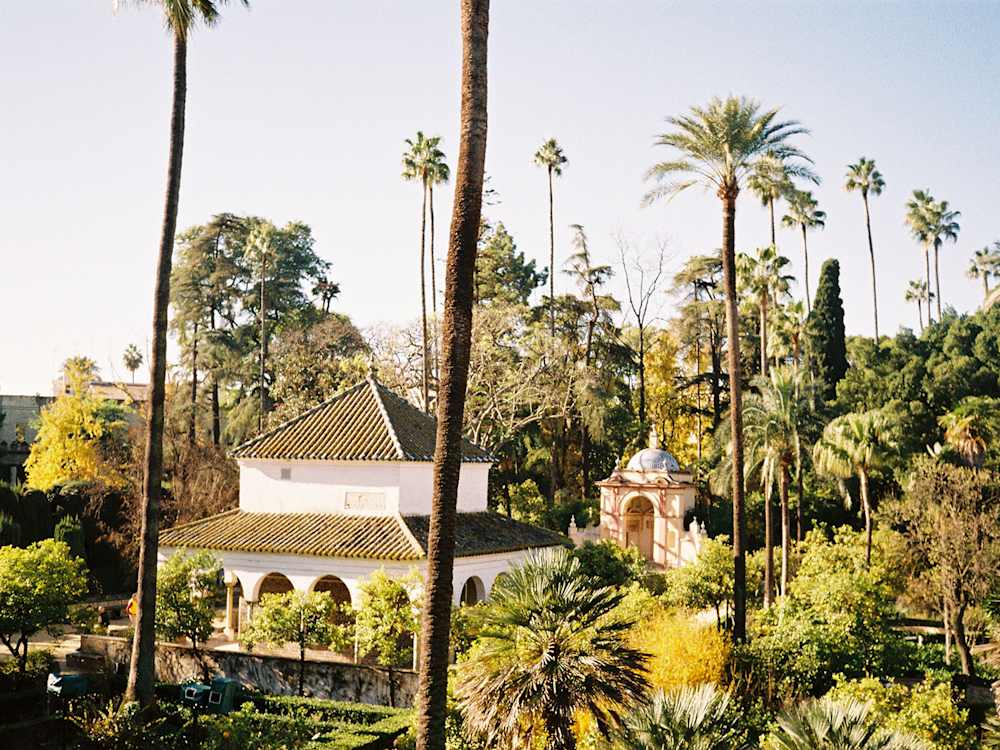
What to do: Wander among roaming peacocks in the manicured gardens of the Royal Alcázar, which famously represented the water gardens of Dorne in Game of Thrones (book tickets online well in advance to avoid queues). Then make a beeline to the top of La Giralda, Seville cathedral’s minaret-turned-bell-tower, for sweeping city views. Just across the way, Plaza del Cabildo is a place of peaceful contemplation away from the crowds.
Where to shop: It’s hard to dodge souvenir shops selling castanets and fridge magnets in this barrio. For soaps, incense and perfumes inspired by the city’s iconic aromas, drop into Luz de Sevilla — people rave about the orange blossom soap.
Where to eat: Avoid the many tourist traps and head to Bodega Santa Cruz Las Columnas for a pringá (meat-stew sandwich) washed down with a frosty glass of Cruzcampo lager — don’t let a Sevillano see you drinking anything else. Or dine on the cobbles outside Las Teresas, where the pork cheeks (carrillada) are softer than a Seville orange caught under a flamenco dancer’s heel.
Where to drink: This is tourist town, so Santa Cruz has many rooftop bars to ascend to. La Terraza del Eme is an upmarket cocktail bar set close enough to Seville Cathedral that you could hit it with a croqueta, should you wish to. Or the more low-key Pura Vida consists of a sprawling terrace, upcycled furniture and a pool set atop hotel Los Seises Sevilla. Back on the ground, Naked and Famous is a late-night bar serving inventive cocktails in a distinctly un-Seville-like setting: three sci-fi-esque, LED-lit rooms.
Good to know: Visitors can visit Seville Cathedral and La Giralda for free on Sundays from 4.30pm to 6pm (except on public holidays), subject to availability and if they book in advance online.
Where to stay: Tayko Sevilla is on the quiet fringe of Santa Cruz, just steps from the Guadalquivir River. This petite boutique hotel has whimsical wallpaper, bright rooms with high ceilings and a small rooftop plunge pool.
Alfalfa
The Alfalfa barrio nudges up against Santa Cruz, stretching between Seville Cathedral and the striking architecture of the Metropol Parasol pavilion. It’s not too far from the sights but removed enough from the crowds seeking them out. Sevillanos hang out here, too (always a good sign), usually sipping cortados outside cafés in Plaza de la Alfalfa while their kids play in the square’s park.
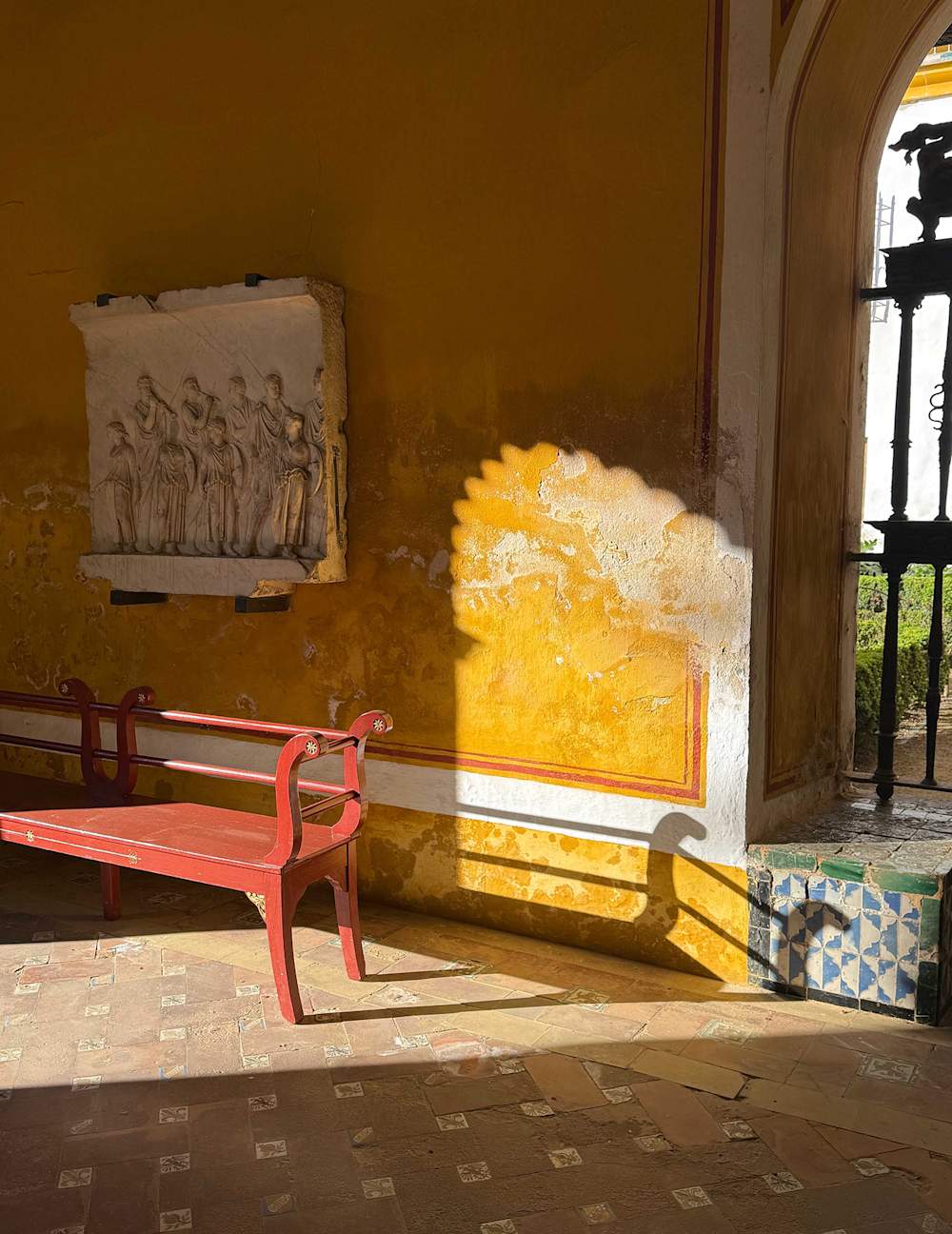
What to do: For a less-busy alternative to The Royal Alcázar, hit Casa de Pilatos, an opulent palace with gleaming tiles and a peaceful plaza. Built in the 15th and 16th centuries, it showcases some of Seville’s most prominent architectural styles: Mudéjar, Gothic and Renaissance.

Where to shop: Drop into Tenderete, an artisan-led store that shows off Seville’s crafts, from baskets and carpets to glassware and pottery. A little further away, on Calle Sierpes, Seville’s oldest hat shop, Sombrerería Maquedano, is worth the short walk. From Panamas and pork-pies to fedoras and flat caps, the almost 120-year-old landmark is a go-to for Sevillanos for special-occasion headwear to honour weddings, religious events or La Feria, the city’s annual spring fair, held every April after Semana Santa (Easter’s Holy Week).
Where to eat: Alfalfa is prime tapas-bar-hopping territory. Bar Alfalfa, a teensy corner vinoteca, offers twists on Spanish small plates alongside a superb regional wine list. Nearby, Los Coloniales is a proper traditional tapas spot with a busy terrace spilling out onto the tree-lined Plaza Cristo de Burgos. Its food is cheap and cheerful but the tarta de queso (cheesecake) is moreish beyond measure.
Where to drink: Regardless of the season, Bar Garlochí is a must. Seville’s weirdest late-night haunt is dedicated to Semana Santa, so imagine framed photos of the Virgin Mary, sorrowful music and a bunch of madcap punters swilling ‘Blood of Christ’ cocktails until La Madrugada (Holy Week’s most sacred night).
Good to know: Art-lovers should seek out the childhood home of noted painter Diego Velázquez (of Las Meninas fame). It’s tucked away off Plaza Cristo de Burgos on Calle Padre Luis María Llop, for a glimpse into his past.
Where to stay: Set in a former 17th-century palace, Corral Del Rey is a hideaway of vaulted ceilings, Romanesque marble columns and Mudéjar furnishings, plus modern comforts, in the thick of Alfalfa, just a gentle stroll from all the monuments.
Encarnación
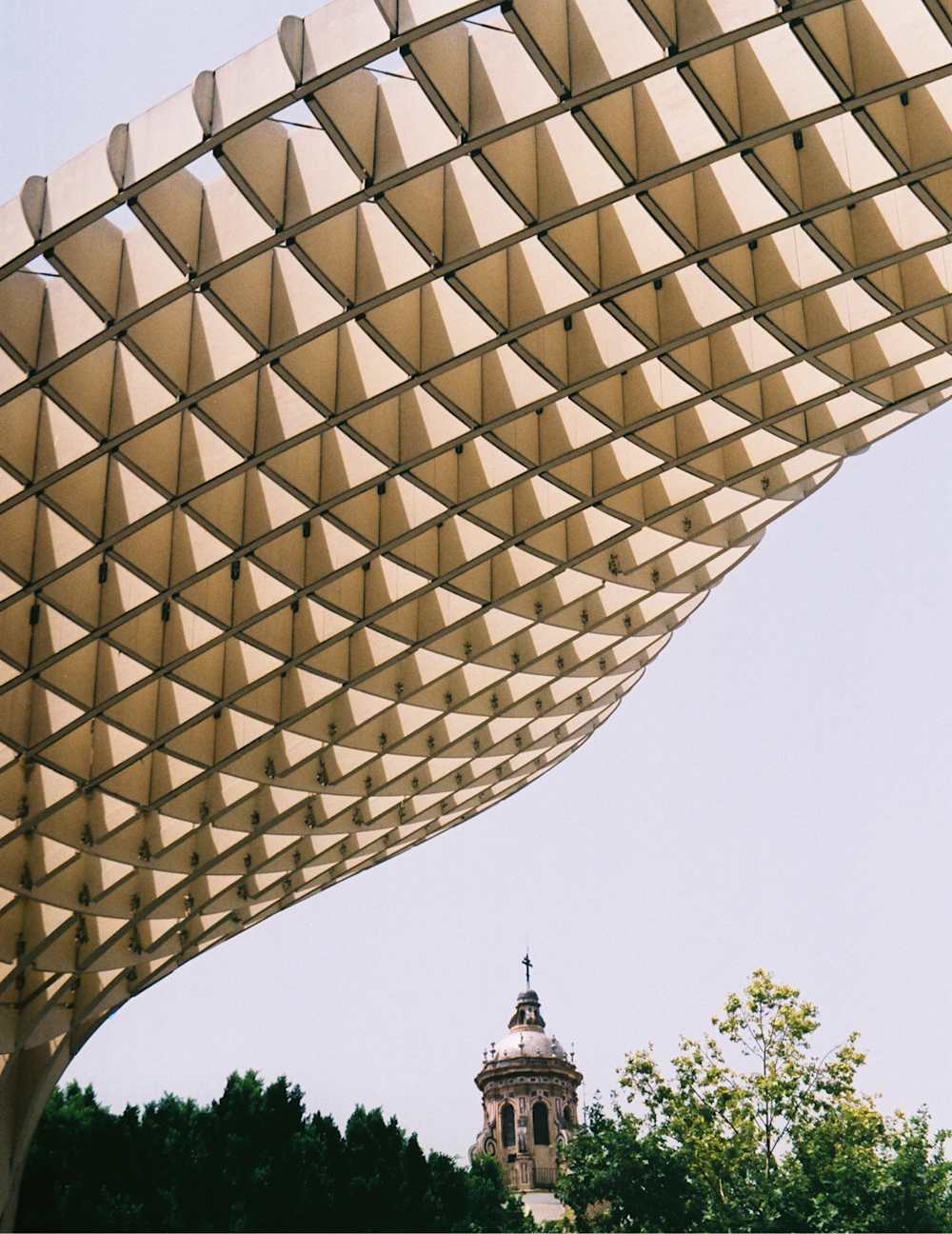
Centred around the wooden, waffled structure of Metropol Parasol — a striking pavilion designed by German architect Jürgen Mayer — known to locals as ‘Las Setas’ (the mushrooms), Encarnación sits at the end of Seville’s main shopping artery of Calle Sierpes. Slap-bang in the heart of Seville, this neighbourhood is only around a 10- to 15-minute walk of anything worth visiting, whichever direction you head in: the Guadalquivir River, the Jewish Quarter or Alameda de Hércules. It’s a good base for those seeking modern hotels, and easy access to Seville’s shops and sights.
What to do: Start at Metropol Parasol itself — it’s the world’s largest wooden structure, home to a bustling fruit-and-vegetable market and ancient Roman ruins. Head up to its panoramic walkway to tiptoe along its undulating timber frame while counting the church steeples protruding from Seville’s skyline.
Where to shop: This is the funnel into Seville’s main shopping district. Peruse handmade flamenco dresses at Lina Sevilla, get acquainted with independent brands at concept store Isadora or pick up original prints from the avant-garde exhibition space and gallery, Delimbo.
Where to eat: The intimate fine-dining spot, Cañabota, caters to diners with deep pockets and a penchant for fresh fish caught on the Atlantic coast. The Michelin-starred restaurant — one of two in Seville — has an open kitchen, fish counter and top-class wine list. On the more budget-friendly end, Taberna Zurbarán is a sweet, jewel-box of a tavern with affordable, vegetarian-friendly tapas options: the espinacas con garbanzos (spinach and chickpea stew) and tortilla are especially good.
Where to drink: Tables at the no-frills Café Santa Marta Bar in Plaza San Andrés are hard to come by — the little square is chock-a-block with Sevillanos sipping vino blanco every weekend. Bohemian jazz joint Gallo Rojo is where cool kids go, and rooftop bar Indiano Plaza overlooks Las Setas, which is especially enchanting when lit up at night, making it a decent spot for a glass of tinto de verano.
Good to know: For the best churros con chocolate in town, pull up a chair at Bar El Comercio on Calle Lineros — the dough is crispy and you could stand a spoon in the thick, indulgent chocolate.
Where to stay: In a city rich in old-world charm, Ocean Drive Sevilla hotel offers something new: clean-cut contemporary interiors, eye-catching spiral staircases and even a co-working space. Most come here for reach-out-and-touch-me views over Metropol Parasol.
Feria
Home to two of Seville’s most well-known markets, yet too often overlooked, Feria and its surroundings are where those intimately acquainted with Seville tend to stay. The local mercado is the neighbourhood’s beating heart, where people linger around eating salt cod and clinking glasses. The once dodgy, now bohemian Alameda de Hércules — Seville’s main LGBTQ+ hub — is a short saunter away, and there’s a healthy mix of timeworn tapas joints and international restaurants to keep visitors well-fed.
What to do: Blend in with locals at Mercado de Feria — Seville’s oldest market. Perch at Bar Catalina, utter the words, ‘¡Buen día! Una caña, porfa,’ in your best Spanish accent, and settle in with a cold Cruzcampo to watch the Andalusian day-to-day unfold: abuelas shopping for fish, artists strumming flamenco guitars and well-dressed kids playing. Not church-fatigued yet? Say your prayers at Omnium Sanctorum, one of the city’s oldest iglesias, dating back to the 13th century.
Where to shop: Get your EVOO and olives from Doña Aceituna deli, next to Feria market, then mooch around the 100-odd vendors. And — while it’s not an original shout — everyone has to check out El Jueves (literally, ‘the Thursday’) market for souvenir trinkets: Franco-era coins, vintage stamps, sunglasses and books.
Where to eat: Everyone knows you didn’t come to Seville to eat pizza. That said, the thin slices of dough at La Tradizionale are top-class. For a classic breakfast of pan con tomate rinsed down with the sweetest fresh orange juice, the yellow-fronted Café Hércules has you covered — always go for an alfresco table. Nearby Contenedor is an artsy dinner spot serving local, organic, seasonal produce at a deliberately sedate pace — it’s one of the spots that pioneered Seville’s slow-food movement.
Where to drink: After joining the veterans at spit-and-sawdust joint Casa Vizcaíno, nip down to Lola Por Dios for a goblet of gin and tonic then finish the night dancing at the football-pitch-sized Plaza Alameda de Hércules, where Seville’s gay community and resident creatives clutter the tables overlooking the square. Veneranda Café or El Viajero Sedentario are also solid choices.
Good to know: Los Corralones on Calle Castellar is a tucked-away sanctuary for rebellious artists and artisans, filled with workshops from which they occasionally sell their wares and run events. It’s under threat, but one of the best places to see talented, down-to-earth Sevillanos — painters, sculptors, musicians — practising their crafts.
Where to stay: It makes geographical sense to hang your hat at the romantic, neo-Mudéjar theatre-turned-boutique hotel Cristine Bedfor, located close to the Alameda. In a nod to the city’s past (Seville was a prominent, wealthy inland port in the 16th century, where goods from the Americas were taxed), influences from bygone eras are expressed everywhere via ship motifs, rich textiles and regal floral patterns.
Triana
The good people of Triana don’t take kindly to being called Sevillanos — they’re Trianeros, thank you very much. That’s worth remembering as you cross the Guadalquivir via the Puente de Isabel II. This is one of Seville’s lesser-explored neighbourhoods and deals in rustic, tiled tapas bars, a stellar food market and no shortage of flamenco haunts.
What to do: They say Triana is the home of flamenco — a contentious and hotly disputed claim in Andalusia. Wherever you stand on the issue, you should definitely sit in the middle to back rows of the Teatro Flamenco Triana — occasionally full-throated performances spritz those watching with dancers’ sweat. Taberna La Quedá de Triana is a good shout for a more off-the-cuff experience. Here, join the regulars clapping the off-beat and shouting ¡Ole! Triana also has a long history with clay; residents have used mud from the riverbanks of the Guadalquivir to make tiles for centuries. Book a workshop at Centro Cerámica Triana on Calle Callao to learn the ancient craft.

Where to shop: Do as the locals do and shop for fresh fruit and vegetables at Mercado de Triana or Plaza de Abastos (where you’ll also find The Castle of São Jorge, a mediaeval fortress that formerly served as the headquarters of the Spanish Inquisition). Then pop by Cerámica Ruiz, where the decorative tiles — some replicating 16th-century designs used in the Royal Alcázar — make bueno keepsakes.
Where to eat: Triana was once the city’s seafaring neighbourhood and still dabbles in seafood. Join workers for a cold caña and a small complimentary plate of gambas at Cervecería La Grande. Or head to Triana classic Bar Las Golondrinas. It has two locations, but the best is on Calle Antillano Campos — easy to spot on account of the glowing neon-green sign. The traditional mezzanine-style restaurant, clad in azulejo tiles, is usually brimming with boisterous Trianeros. Order zanahorias aliñadas (marinated carrots) and champiñones con alioli verde (mushrooms in parsley aioli) with a glass of Fino sherry or Cruzcampo. Always Cruzcampo.
Where to drink: Santa Ana, beside the church of the same name, is the tapas bar of an Iberophile’s dreams: napkins on the floor, bullfighting memorabilia, religious artwork and locals chatting loudly over vermouth and de-shelling altramuces (lupin beans). For something fancier, María Trifulca is a terraced restaurant by Puente de Triana with a well-heeled crowd and the best river views in town.
Good to know: For a sunset picnic, plant yourself on the flagstones opposite the famous pastel-hued houses of Calle Betis on the Guad. After crossing the Puente de Isabel II bridge back towards Seville’s old town, take an immediate right down the steps.
Where to stay: Designer Amaro Sánchez de Moya doesn’t do things by halves. Triana House Boutique Hotel, a tiny, seven-room property on a quiet street near the river, is where maximalists will sleep soundly. Clashing patterns, lavish four-poster beds, velvet curtains and gold-framed watercolours all vie for attention.
Need to know
Transport: You’ll land at Seville Airport, around a 15-minute drive from the city centre. Taxis cost between €25 and €35.
Getting around: Seville is flat and compact with the kind of winding, narrow streets that sat-navs hate, so explore on foot. The city also has 111 miles of bike lanes, so utilise the public rental provider Sevici to get around on two wheels.
When to go: Spring is the best time for fiestas, including the colourful country fair of La Feria and the religious processions of Semana Santa. However, autumn is the prime time to visit Seville, with its cooler temperatures and quieter streets.
How many days do you need? To get a feel for the city, two or three nights is more than enough. To know it more intimately or to use it as a hop-off base to explore nearby cities like historic Cádiz or sherry-sloshed Jerez de la Frontera, four or five nights will do the job.
Good to know: If you want to feel like a local, get down to the Guadalquivir River to cycle, paddle, eat or drink, then, at the weekend, join fellow Sevillanos at Lonja del Barranco Market, where the street food is average, but the atmosphere is fun.
Is Seville expensive? No. It’s an affordable city break destination with tapas starting at €3 to €5 a dish and a glass of vino or a caña from around €3 to €4.
See our full collection of hotels in Seville or find out how to maximise your city break with our 48-hour guide
Adam Turner is an award-winning freelance travel writer who traded Middlesbrough’s slate-grey skies for sunnier climates, living in Seville, Barcelona, Lisbon, Stockholm, Thailand, and Sri Lanka over the past decade. Swapping rainy camping holidays to the Lakes for five-star stays, from Bhutan and Barbados to Tokyo and Toronto, is one of his finest achievements. He formerly worked in hospitality, so he can make a fine Old Fashioned and has a healthy dislike of hotel rooms with open-plan bathrooms. His beat is luxury hotels, slow travel, gastronomy and wellbeing; and having lived in southern Spain for years, he’s an expert on all things Andalusia.