





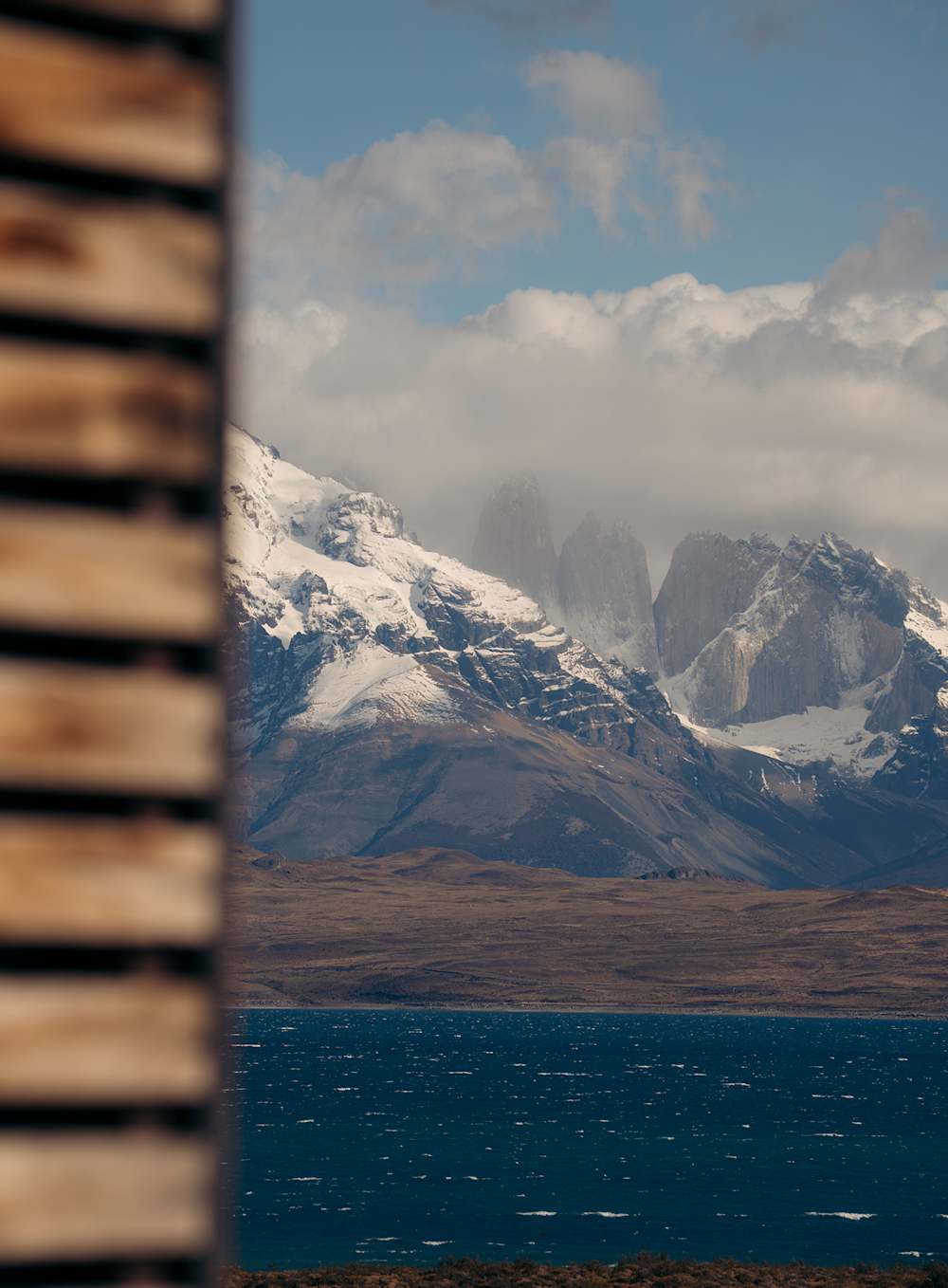
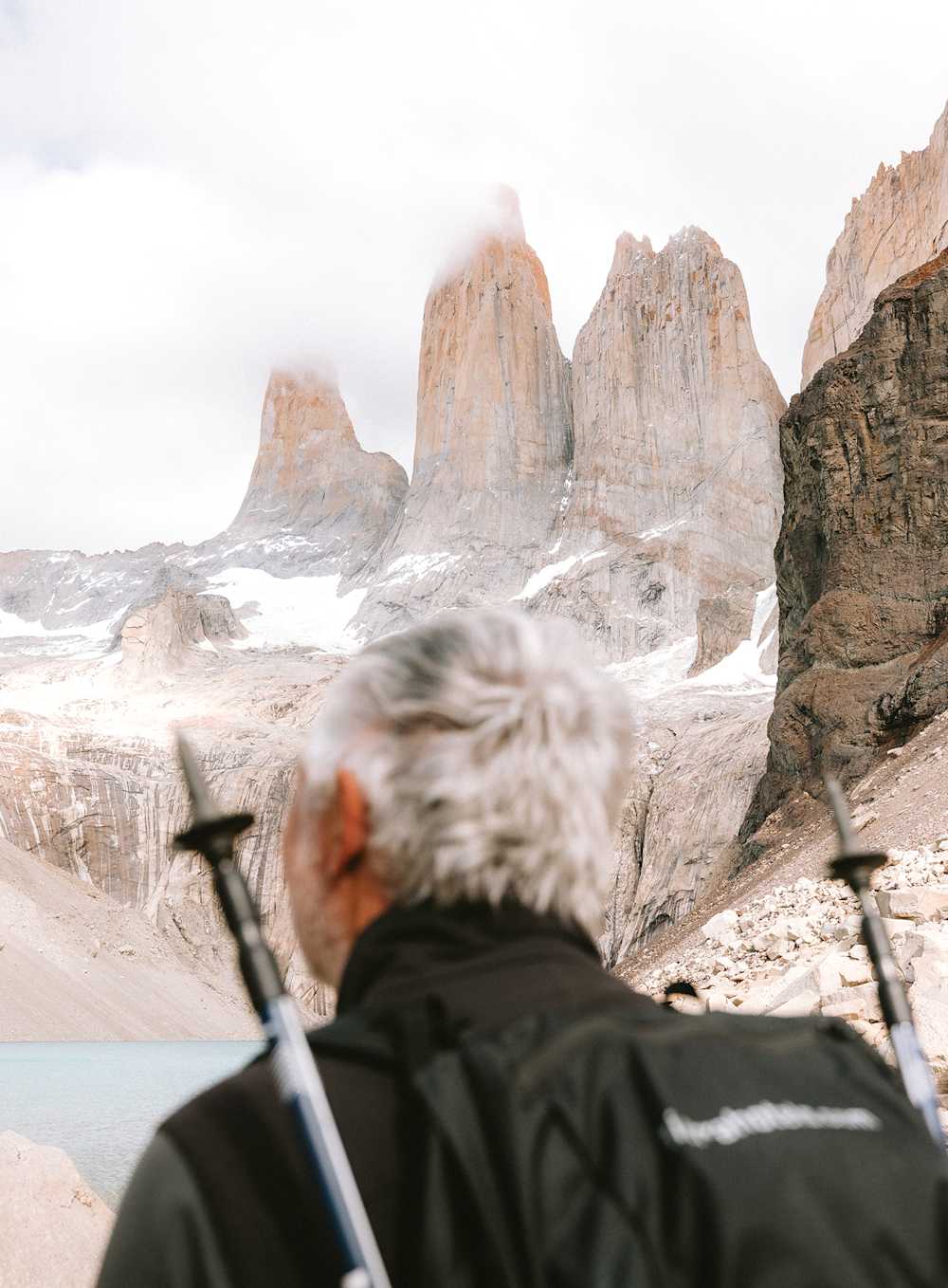
In Patagonia, nature doesn’t do things by halves. Mountain ridges like jagged teeth take bites out of the clouds, 100-mile-per-hour winds sweep across the Steppe’s vast grasslands, and through deep valleys comes the occasional cannon-like boom of avalanches cascading from hanging glaciers. Spotting wildlife in such a setting — even an eight-foot-long apex predator like the puma — can feel like finding a needle in a haystack of colossal scale. And although Chile’s Torres del Paine National Park is said to boast the densest population of these felines on the planet, tracking them down calls for great patience, a practised eye and a willingness to get out of bed at an ungodly hour.
Fortunately, Tierra Patagonia, Beckons has just the man for the job. ‘The landscape is constantly giving you information,’ explains Eduardo Arrieche, a guide and wild-cat specialist at the lakeside luxury lodge. ‘You just have to learn how to read the signs.’ Clues can come from shifting light, changeable weather, the alarm calls of guanacos (the puma’s llama-like principal prey), or the remains of a recent kill. ‘A big part of tracking is learning to notice the smallest details: a silhouette along a ridgeline, an unusual shape on a hillside or what appears to be a rock that suddenly moves.’
Asked whether he remembers his own first puma sighting, Arrieche doesn’t skip a beat: ‘1 September 2020. The day Torres del Paine reopened after its pandemic closure.’ Determined to be first through the gates, he arrived two hours early. Driving near the park’s eastern boundary, he happened upon a pair of large pumas playing in the middle of the road. ‘I was overwhelmed with excitement,’ he remembers. ‘There’s something unforgettable about observing such a powerful animal moving freely through its natural habitat. But I was so nervous I made sure to keep one hand touching the vehicle at all times, just in case I needed to jump back inside.’
At the time, he was a hobbyist wildlife-watcher, remote-working in digital marketing from the nearby hub town of Puerto Natales. Six years on, having swapped his desk job for guide training, he’s considerably calmer in the company of big cats. He’s followed the fortunes of several local characters, including Blinka: a hardy matriarch who’s survived a broken leg and the loss of a canine tooth while raising multiple litters.
For all the delight of Arrieche’s encounters, the relationship status between Patagonia’s most iconic predator and its people has long been: ‘it’s complicated’. Ranchers losing livestock to hungry pumas historically turned to specialist bounty hunters known as leoneros. Although Chile introduced legal protection for pumas in the early 1980s, illegal killings continue to this day.
It’s an issue Tierra Patagonia is helping address through its support of international wild-cat conservation charity Panthera, which works with two local ranches to test non-lethal livestock-protection methods. These include guardian dogs and mules, as well as devices that use lights and sounds to discourage pumas from approaching livestock. As Arrieche sees it, ‘The future of puma conservation isn’t just about protecting these animals within national parks; it’s also about finding ways for communities and wildlife to coexist in the landscapes they share.’
There are already signs that efforts to protect pumas are paying off. After being nearly eradicated 40 years ago, the latest estimates put the population in and around Torres del Paine as high as 200 individuals.
Yet their increasing visibility has ushered in a different sort of human-wildlife tension: tourism. Footage of these charismatic big cats in documentaries like the BBC’s Dynasties and across social media has turned the region into a magnet for camera-wielding visitors, and created a host of new tour operators in turn. Arrieche dubs it ‘puma mania’.
So, how do you ensure curiosity doesn’t become an intrusion? ‘For me, ethical wildlife tracking is about understanding that we’re entering their home, not the other way around,’ says Arrieche. And as any good house guest understands, there’s an art to knowing when to make yourself scarce. ‘That means respecting their space, observing their behaviour carefully, and recognising when it’s time to move away.’ Snapping that close-up, Instagram-ready photograph is secondary to seeing a puma going about its business, blissfully unbothered by an audience.
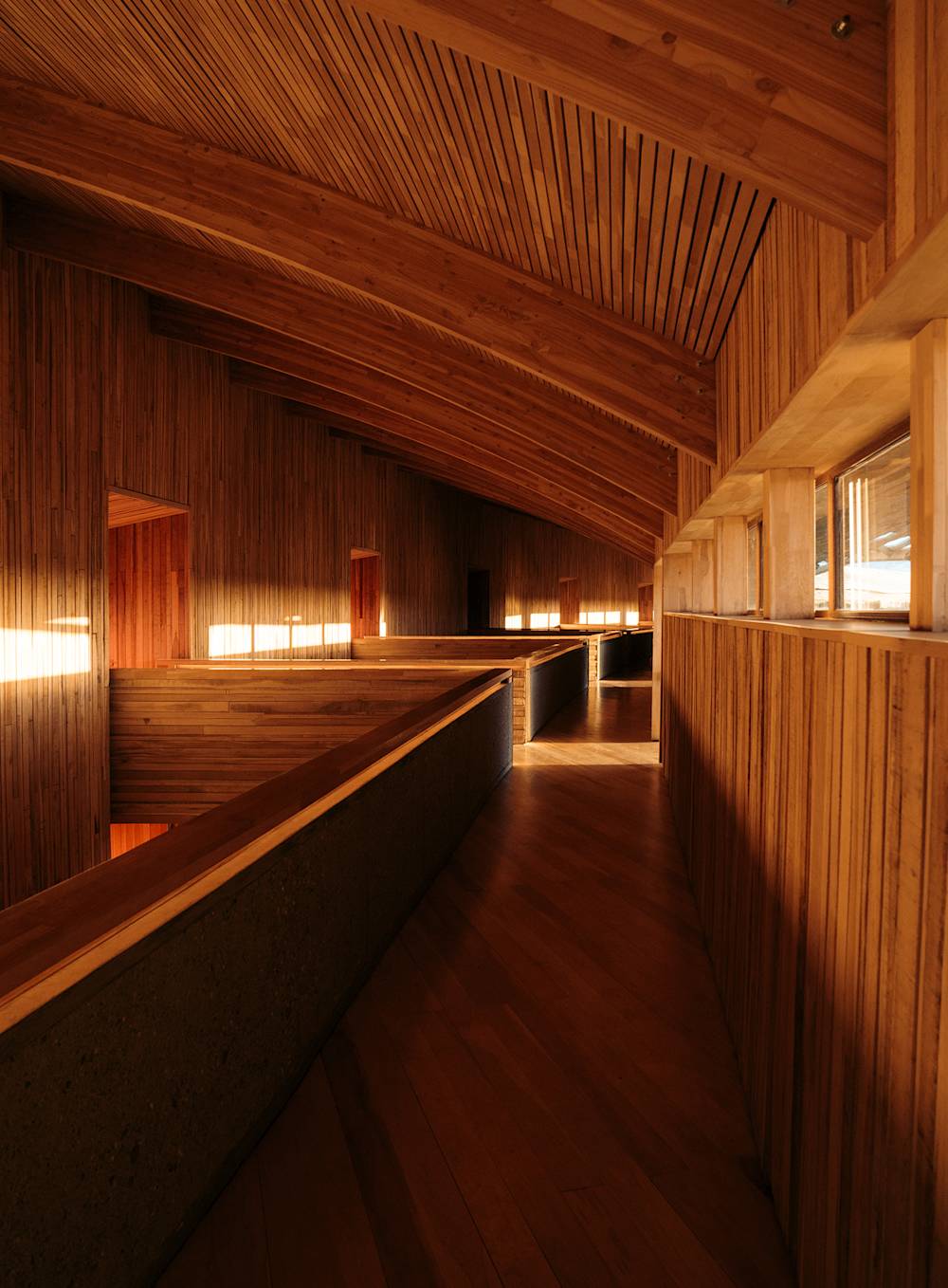
Taking your cues from nature and treading lightly on the landscape is all part of Tierra Patagonia, Beckons’ ethos. An undulating, low-slung structure on the fringes of Torres del Paine, the silver-grey patina of its native Lenga-wood cladding blends into the surrounding pampas. From certain angles, the building all but disappears. Not unlike those elusive pumas, in fact.
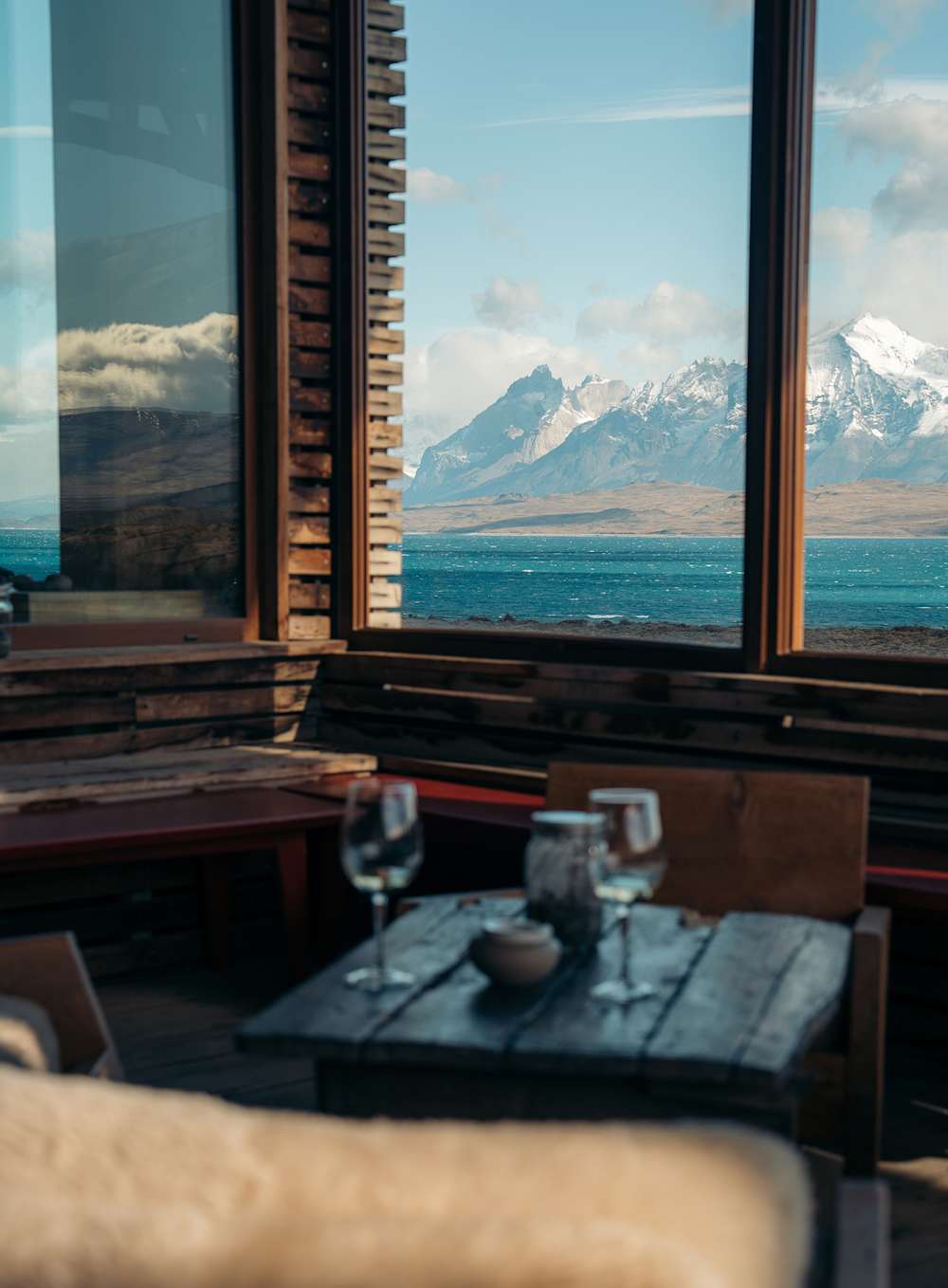
During construction, any native vegetation in the hotel’s path was carefully gathered, nurtured in a greenhouse and replanted around the grounds. Evidence of how seamlessly integrated it is: a variety of wildlife wanders through the fence-free property — ostrich-esque flightless birds called Darwin’s rhea pecking at the shrubs, a herd of guanacos casually grazing feet away from the dining room and a solitary Andean fox scurrying past. Excitingly, a female puma with four young cubs has been spotted nearby in recent weeks, while a well-known bachelor named Dark swaggered through last season.
Still, even with signs of improving human-wildlife tolerance, a revived puma population and expert guides, Arrieche stresses that sightings are never guaranteed on guest excursions. As stealthy ambush hunters, the cats are partial to concealing themselves among rocks and thorny bushes, and they roam territories of up to 120 square kilometres, indifferent to the hopes of visiting humans.
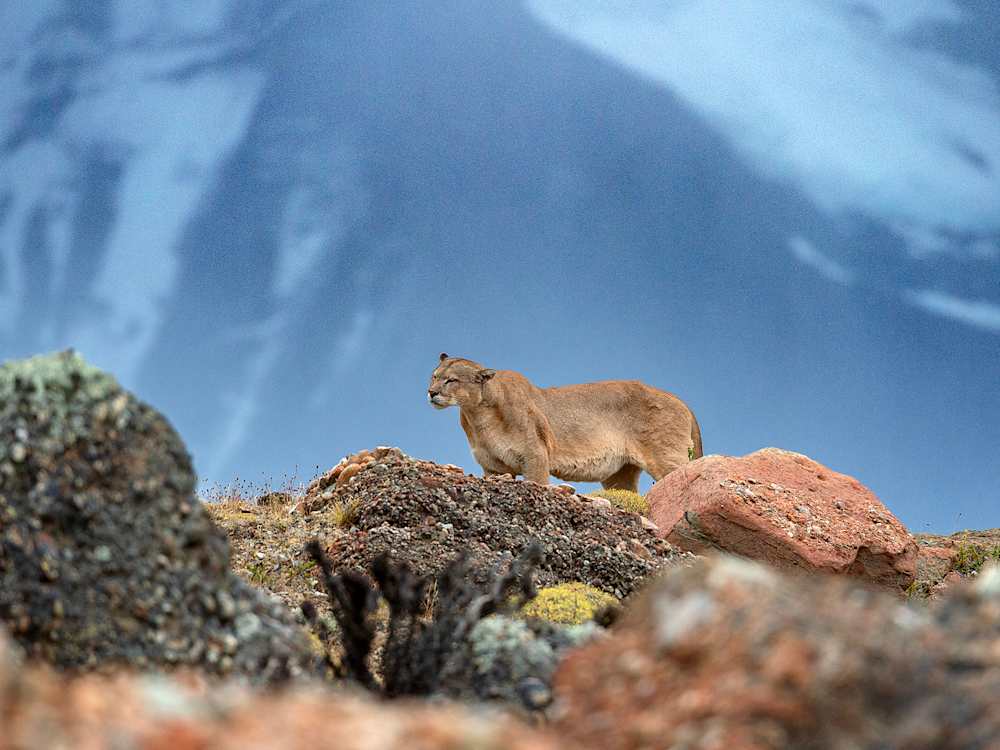
That’s all part of the thrill — and the potential reward. Even when the star attraction proves elusive, there’s an entire ecosystem to discover. Pumas are a keystone species, keeping populations of guanacos and other prey in check, while the remains of their kills feed an assortment of scavengers, from condors to skunks and armadillos. As Arrieche points out: ‘By protecting one magnificent animal, we’re preserving the balance of an entire landscape.’
For him and his fellow guides at Tierra Patagonia, Beckons, the real goal of responsible wildlife tourism is getting visitors to appreciate this bigger picture and the complex web of relationships that exists on the windswept Steppe — a perspective shift that lingers long after the binoculars and camera lenses have been packed away.
Check out our hotels in Chilean Patagonia, or read another Revival Story from South America
Imagery by Pedro Carreira, Nick Stirbis, Victor Fernandes and Pia Vergara