


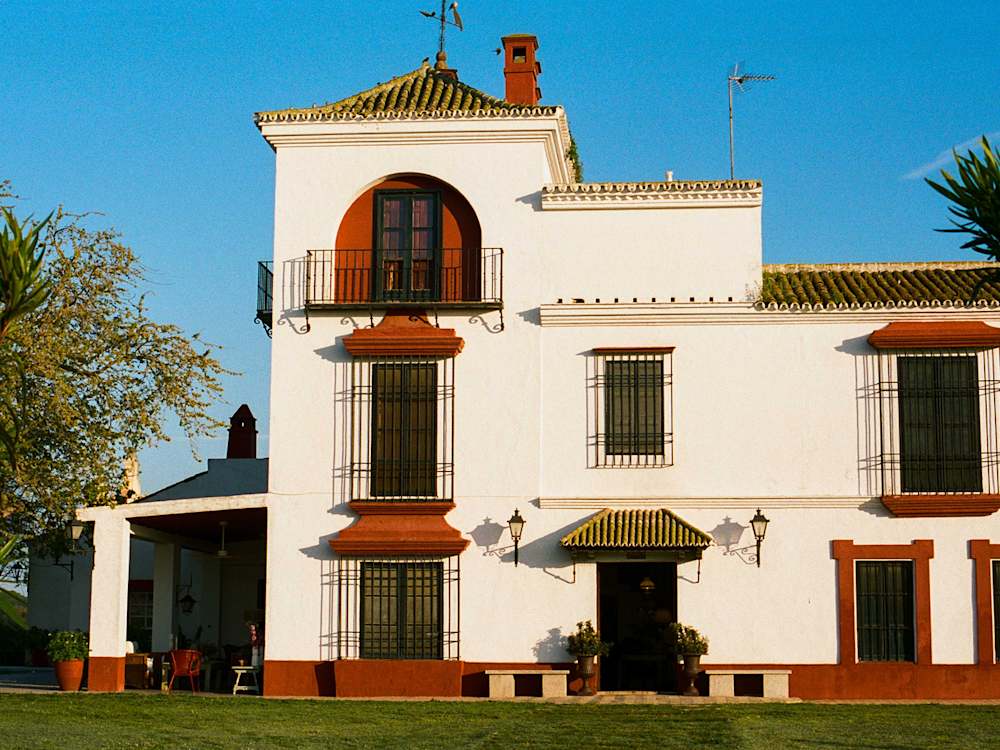
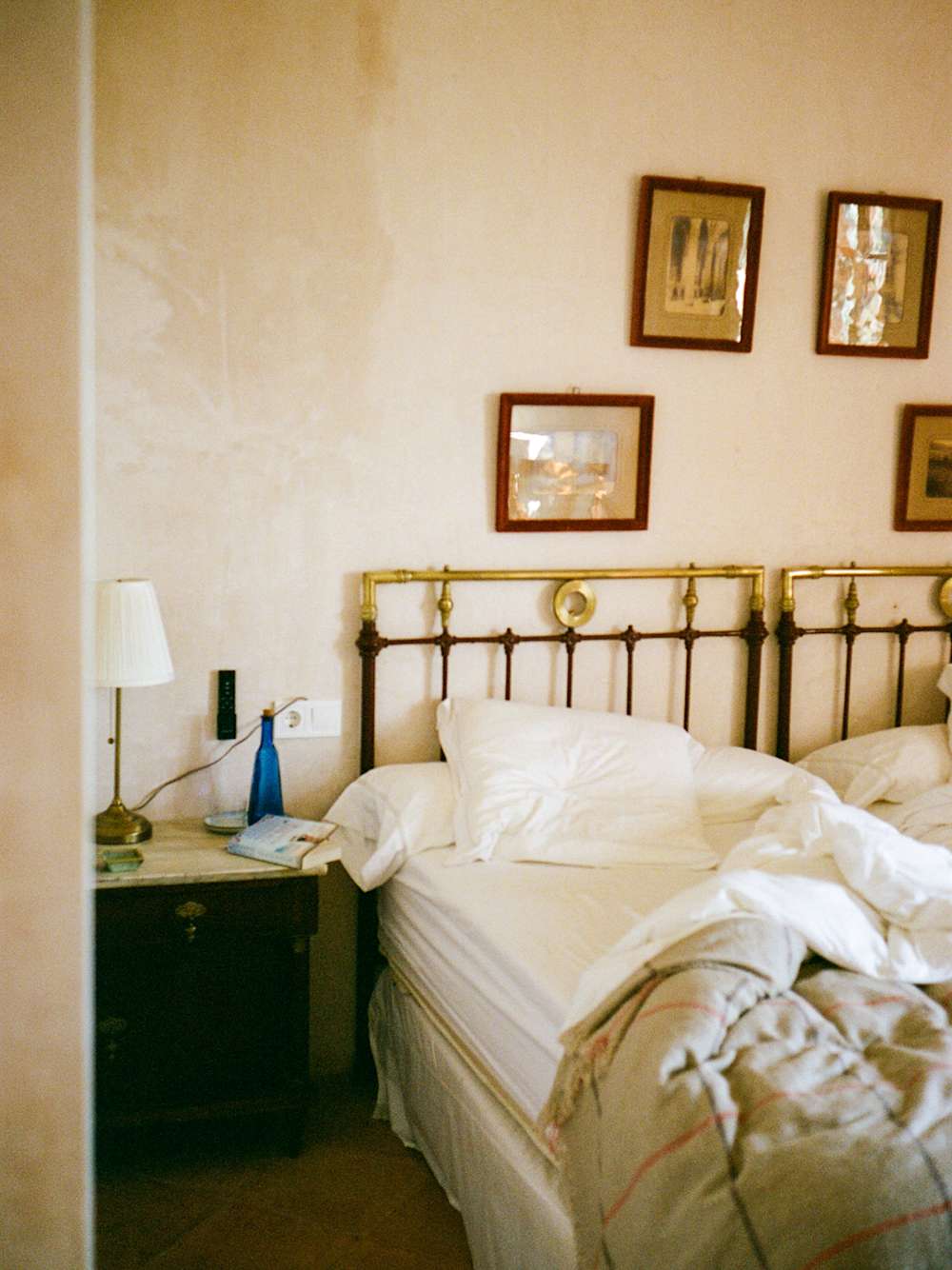
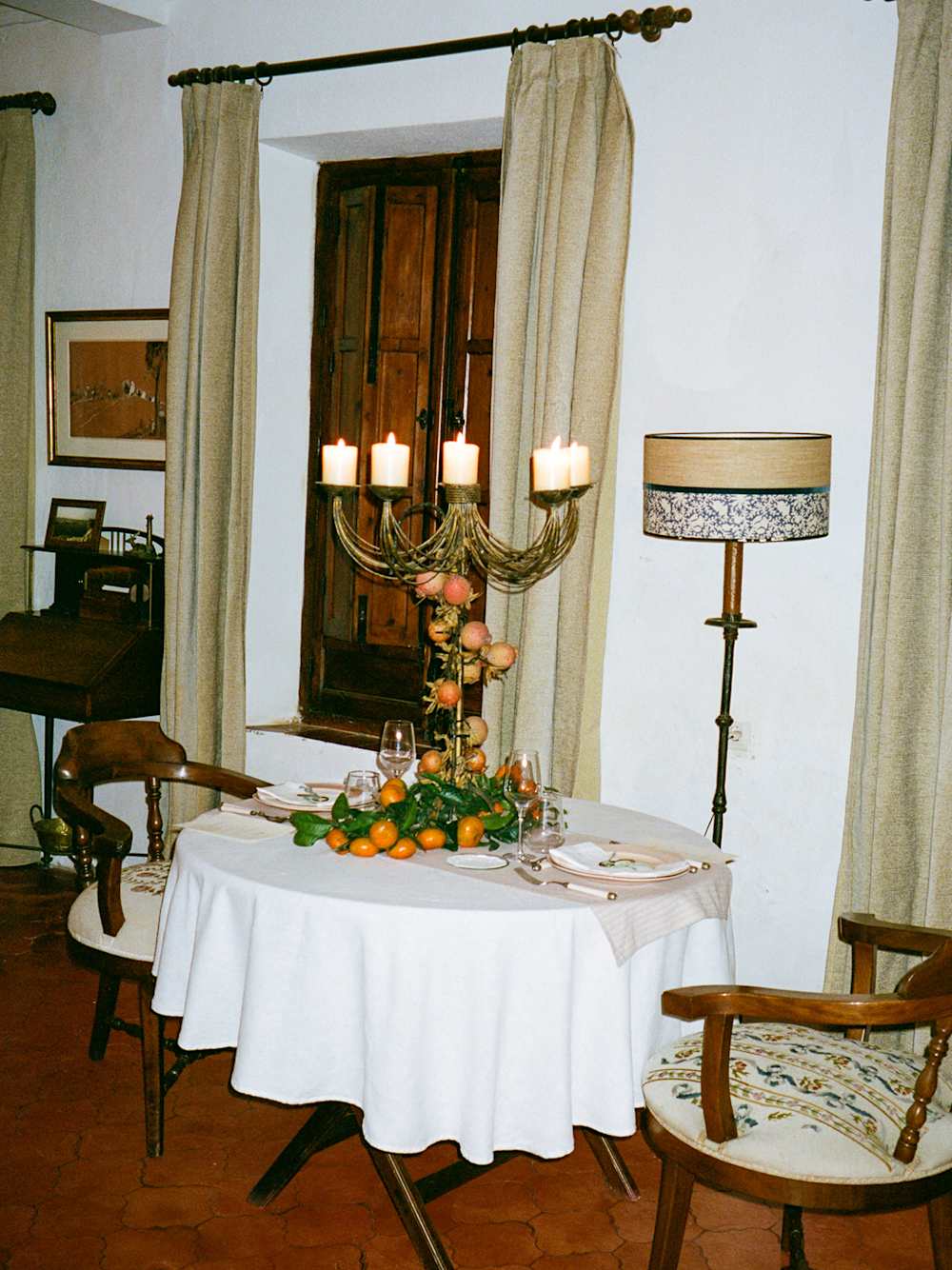
It’s an unusually drizzly spring morning in Seville when a charming young man named Manolo pulls up to our hotel in a mini SUV to whisk mi madre and I south of the city to the fringes of Doñana National Park. This is one of the most important ecosystems in Spain, located near the mouth of the Guadalquivir River, the embarkation point for expeditions to the Americas centuries ago. Our destination is Kukutana, a cortijo (typical Andalucian farmhouse) at the edge of the reserve that was built in 1919 and is perfectly preserved with antiques, a glass-topped map of the park, dark-red shuttered windows and seven bedrooms upstairs.
After a misadventure in Chilean Patagonia eight years ago, in which I was unceremoniously thrown from a horse, I have wisely decided not to partake in the equestrian programme on offer here at the homestead. On the eve of her 76th birthday, my mother is sagely planning on sticking to terra firma with me. But should we be budding cowboys, we’d have a great time here, with French Trotters, Anglo-Arabs and mules all forming the band of horses in residence, and a wild landscape to explore at a steady clip.
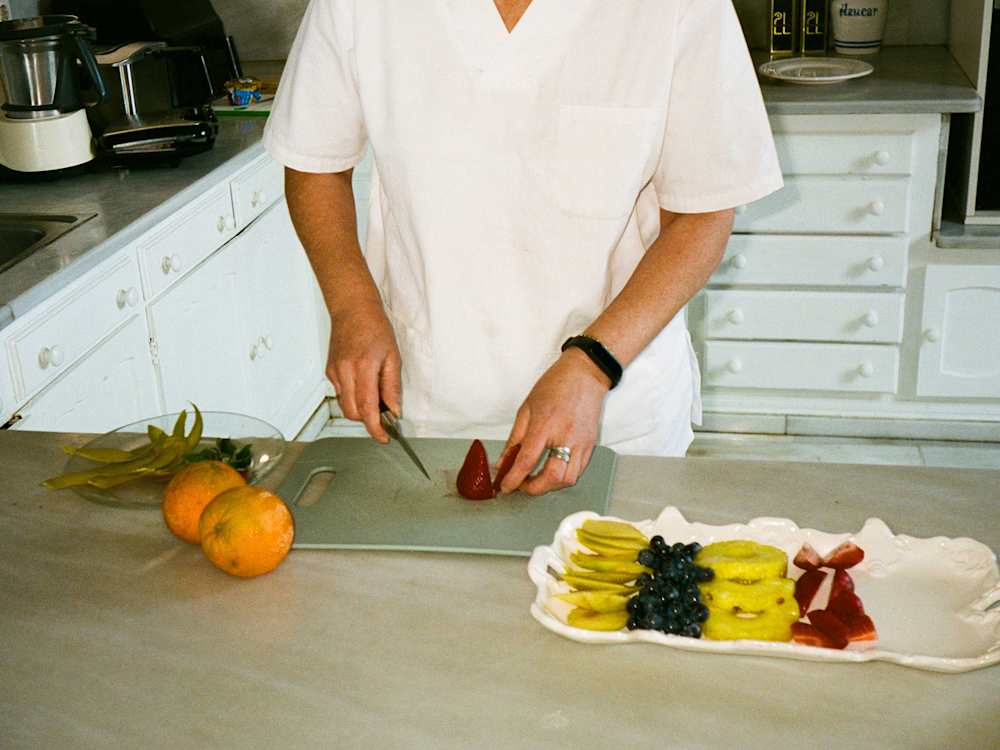
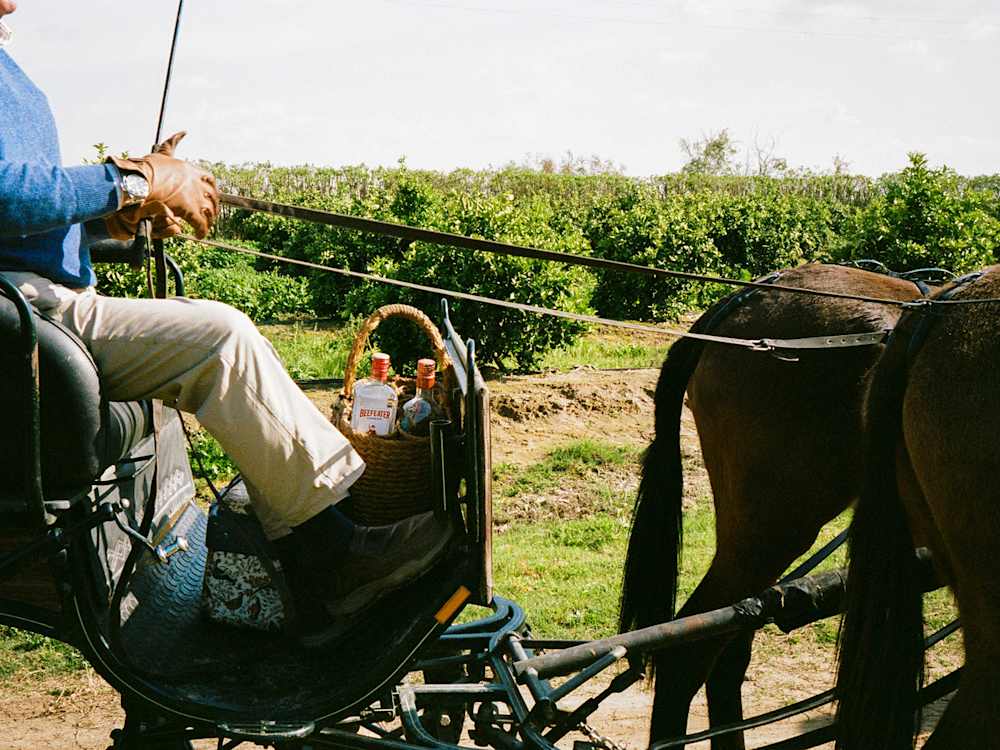
After a lunch of roast chicken and potatoes followed by just-picked strawberries on the veranda (all prepared by Isabel, the finca’s cook), we set off to explore our surroundings by horse-drawn carriage. We pass endless fields growing more of those strawberries, plus organic blueberries and oranges destined for marmalade factories. We learn that some of the berries are bound, less romantically, for Tesco. We trot to a nearby manor house, with our faithful assistant Manolo whipping out snacks on the way — he’d clocked that my mum had enjoyed the sparkling local wine served with fresh mint at lunch, so there was plenty of that, along with nuts, nougat and chunks of dark chocolate.
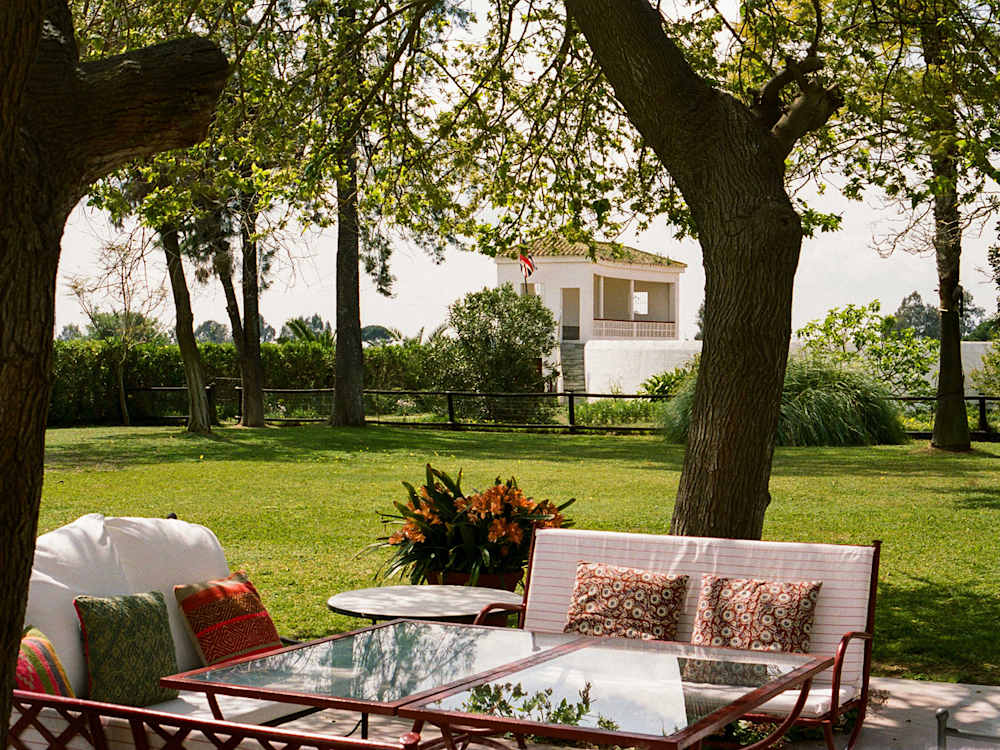
Back at the ranch later, we meet Bianca Llorente, the daughter of the current custodians, who took over the deeds in 1988. She tells us that Kukutana means ‘encounter’ in Swahili, and the family’s plan for opening up their country manor was to provide a chance for their guests to have various encounters of their own — to connect with this diverse, special environment, encounter their true selves and make quality time for the people they’re sharing their journey with. In my case, it’s my admittedly lovable mum, who Manolo seems to be quite enamoured of. There may be an age gap of 54 years, but he’s smitten and tells me he’s not sure what he’s going to do without her when we part ways at the end of the evening.
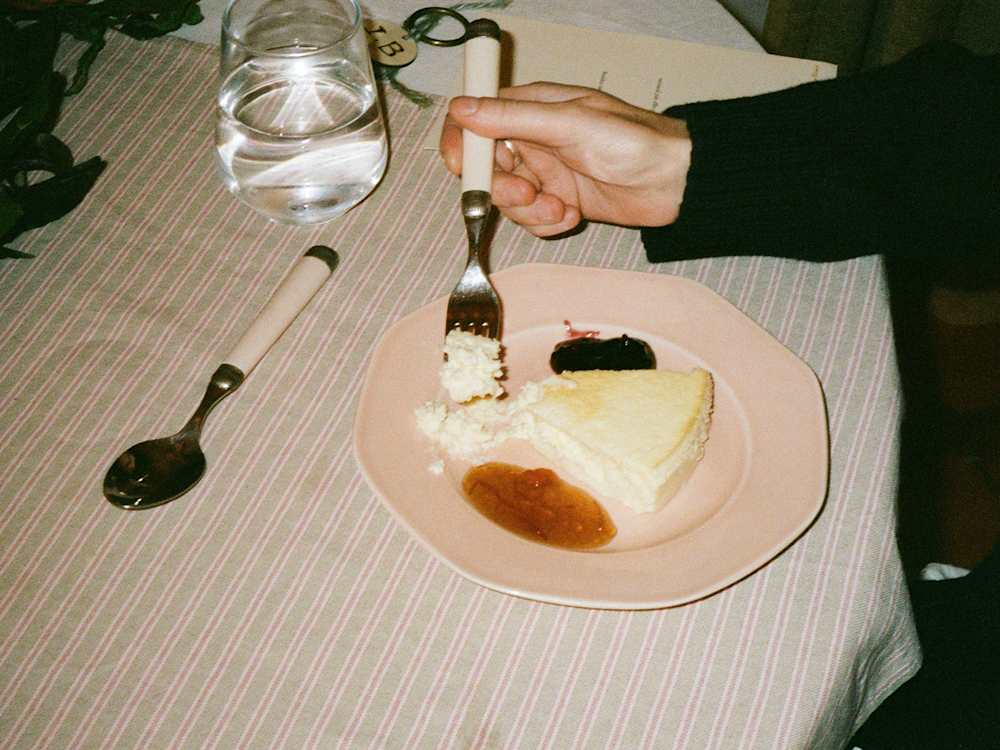
Before we leave him languishing overnight, Manolo takes us over to the bullring to watch the sunset and reveals that he moonlights as a matador. I am amazed at the many talents of this child (born in 2003). We sit for an apéritif in the garden and are joined by a friendly black labrador and yet more snacks: crisps, olives and a bread roll filled with melted cheese. As Brits, we’re naturally inclined to eat outdoors wherever possible, but relent given the nip in the air — a little too cold, despite the ponchos provided — and are taken indoors to a setting with a starched tablecloth and two gothic silver candelabras. Isabel has made courgette cream with garlic prawns, roast Ibérico pork loin with vegetables, and lemon cake for us. It’s silver service and she graciously comes round serving seconds of everything, which we gladly hold our plates up for.
The next morning, we rise to another feast from Isabel, a simple Continental spread enhanced by eggs made to order. Manolo is taking us out for the day, and our first stop is Villamanrique de la Condesa, a tiny neighbouring town, where we meet an embroiderer called Angeles Espinar. She shows us her craft, which is sadly dying out — there are just a handful of skilled embroiderers of mantones y mantillas left working in the village. Her shawls are works of art, stitched so meticulously that the flowers look the same on the underside as they do on top. She has created shawls for Dior catwalk shows and embellished a pair of winged pink shoes for Balenciaga. Her dedication to her craft and its heritage was recognised by the King of Spain in 2007.
Our next stop is El Rocío, which is Andalucia as you’ve never seen it before. I’ve travelled more extensively in South America than I have in southern Spain, and it reminded me of the colonial towns you find there, with dusty squares, low-slung buildings, a grand centrepiece church and a deeply rooted horse culture. The houses were built with stables and when the brotherhood is in town during the El Rocío pilgrimage (which takes place 50 days after Easter every year), the steeds will all be tied up outside them. Manolo points out his family’s casa and tells us how there will be 40 of his relatives inside during the festival. The village is built on the edge of La Madre marsh and lagoon, known as the national park’s lung. El Rocío’s sandy streets feel truly timeless — you might even see some children riding to school in a horse-drawn carriage.
After admiring the dazzling gold altar inside the church, where the most recent cohort of girls are posing for a photograph ahead of their First Holy Communion, we have lunch at La Malvasía hotel’s La Boca restaurant, settling onto the veranda for a tomato and mackerel salad, a hearty duck stew (most of which goes to the grateful local dog joining us), and a delicious Spanish version of a bread-and-butter pudding with cinnamon and ice-cream.
Eventually, we make it to Doñana — a landscape of marshes, pine forests, lagoons, towering dunes and unspoilt beaches — where Kukutana really shows off. The tide is in as we traverse the wild, 30-kilometre stretch of sand leading into the national park, passing the odd fisherman’s hut and lone swimmer. People used to live permanently within the confines, but with this lengthy route the only way in and out, it took them a while to get around. Deep in the park, we come across thatched huts that were gradually abandoned by the 1980s, along with a deserted ranger’s residence and the palace, built by King Alfonso X in the 13th century and now a summer residence for Spanish presidents. Thyme and juniper scent the breeze. The lynx remains elusive, but the flamingos, migratory birds, mongooses, boar, even a cow casually giving birth, more than make up for the wildlife-wonders quota. On the way back to the park entrance, the tide is out so we can drive faster along the sand, keeping an eye out for dolphins in the Atlantic Ocean as falcons swoop overhead.
We return to our family finca to rest our heads after an action-packed day exploring this unspoilt part of southern Spain, far from the residential developments and manicured golf courses of the Costa del Sol. The saying ‘Mi casa es su casa’ could not ring truer than it does at Kukutana, even if it is only on loan. As we bid adios to Manolo, he invites us to come and watch him in his next bull fight. My mum and I have grown rather fond of him, so will be rooting for him as he takes on the bovine beast, but I don’t think I could stomach the gore.
I won’t be climbing into a saddle anytime soon, but I will be dreaming of the unhurried, untroubled cortijo life in deepest Andalucia for a long time to come.
See our weekend guide to Seville, or head to the Andalucia coast and Sotogrande