



By day, Bairro Alto is an old, artistic soul — drowsing in the sun, its peeling palácio windows shuttered, and only the occasional footstep echoing along its steep, cobblestone streets. Perhaps it’s sleeping off a hangover, because as dusk falls, the ‘upper district’ stirs and those same laneways fill with laughter, music and mischief.
Leave the headline tourist sites to other neighbourhoods — Bairro Alto’s about bohemian hangouts, indie boutiques and tiled backdrops that have graced many a social-media feed. And while its looks may now seem romantically ramshackle, its grid layout was seen as trailblazing back in the 16th century, when it was the first quarter to be built outside Lisbon’s mediaeval city walls. Since then it’s been through various incarnations: dockworkers’ digs replaced by nobles’ palácios, then a stomping ground for painters and poets, whose garrets perched above the printing presses hammered out Portugal’s first newspapers.
With its enduring reputation for creativity and hijinks, Bairro Alto always leaves a mark — usually on your heart, occasionally on your head the next morning. We give you this neighbourhood guide for the best places to eat, drink and be merry there during your next weekend break in Lisbon…
WHERE TO GET BREAKFAST
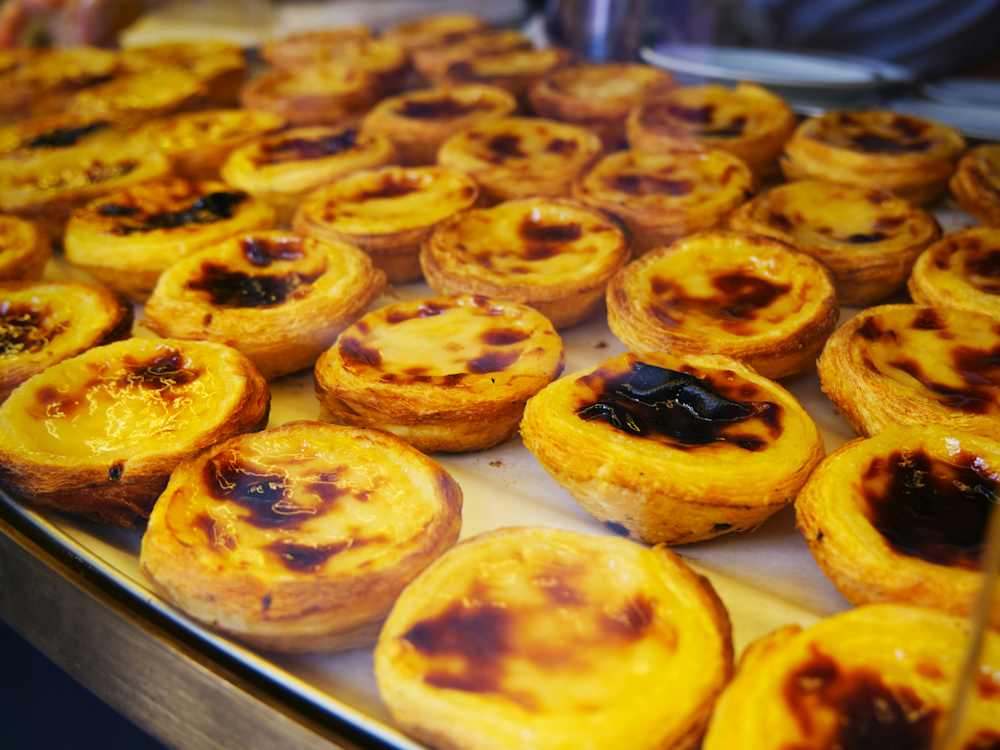
The Portuguese don’t traditionally go in for big breakfasts, especially not lie-in loving Bairro Alto, but baked goods from local padarias are on-point. Try Marie Blachère for fresh loaves and flaky pastries, or pastel de nata emporium Manteigaria, which bakes the custard-filled delicacies before your eyes. For a more international (specifically, Antipodean) brunch affair, The Mill has all your avo-toast, ricotta-pancake and matcha-latte needs covered in an airy, Scandi-chic setting.
SHOPPING GUIDE
The quarter has many quirky concept stores to hunt out. Case in point: Oficina Marques, a studio/gallery/shop hybrid in a former newspaper printworks. Its wares are curated (and mostly made) by local artist duo, Gezo Marqués and José Aparício, and its handpainted pottery, upcycled wooden sculptures or framed prints are a cut above your usual souvenirs.
Resembling a tiny chapel, Caza das Vellas Loreto is one of the oldest candle shops in the world (established 1789, according to its own gilded sign). Almost too gorgeous to melt, its handmade beeswax beauties are sculpted into weird and wonderful forms, including hyper-realistic fruits, while traditional tapers come in every conceivable hue.
Or how about taking home your own little fragment of those handsome Bairro Alto buildings? Tile atelier Solar Antiques offers handpainted azulejos, some of which date back to the 15th century, plus international shipping, should your taste for mediaeval ceramics exceed your suitcase allowance.
WHAT TO DO
First get your bearings at the Miradouro de São Pedro de Alcântara, one of Lisbon’s most beloved public viewpoints. From this palm-lined terrace, the terracotta rooftops unfurl towards São Jorge Castle on the opposite hill. Take in the panorama with uma cerveja (beer) from the handily placed kiosk.
A short trot down the same road, some serious Baroque bling lurks behind the Church of São Roque’s unassuming exterior. Savour the cool, quiet interiors while marvelling at gilded altars, intricate marble inlays and an 18th-century side chapel shipped all the way from Rome, piece by precious piece.
The famous, marigold-hued Tram 28 skirts its north-east edges, whisking visitors up Rua de São Pedro to the miradouro of the same name, for one of the city’s finest panoramas. Another novel way to reach this lofty locale is the Bica funicular, a graffiti-tagged relic that grumblingly hauls its rapt passengers uphill. The rest is best explored on foot (in flats, mind), letting the chorus of clinking glasses and whine of soulful Fado guitar lead you to yet another alleyway tasca or speakeasy.
WHERE TO EAT
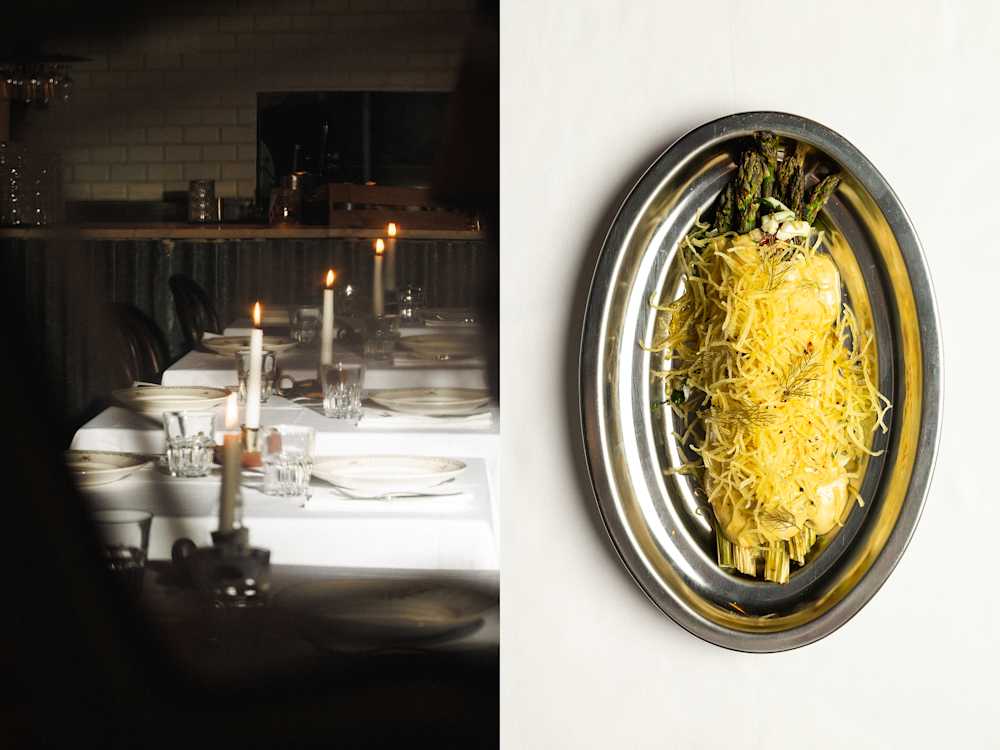
When the city swelters, there’s no smugger place to be than on the terrace of Bahr, enjoying a languorous lunch with sweeping river views. Dishes such as suckling pig with toasted corn, codfish ‘à brás’ style or smoked barnacles may sound reminiscent of dishes served at rustic Portuguese tascas, but here they’re taken to refined new heights, partly thanks to scrupulously sourced local produce. Be sure to conclude with the pineapple-miso pudding.
There’s the feel of a clandestine house party at Gandaia Club, where a red-velvet-swagged entranceway leads to a rambling series of candlelit, vintage-furnishing-decked rooms and a convivial courtyard. Live-fire cooking adds to the theatre, while high-low ingredient combinations (steak sandwiches, cataplana seafood stew, fried chicken) show this place is about flavour and fun, not pretension. Part of a much-loved Barrio Alto building that’s been through many incarnations, it was formerly The Decadente Restaurant, and fittingly houses a cocktail bar, too (more on that below).
Rosamar is possibly Lisbon’s sexiest seafood spot, with a dash of Latin flair. Work your way through the oyster and ceviche menus, paired with the Just Sea cocktails (a sort of spicy Margarita with added botanicals and clam essence), before tucking into sharing plates of octopus tostadas and scallop skewers. The whitewashed walls, patterned terrazzo and lush plants will make you feel like you’re in an Iberian beach club.
For a blow-out meal, 100 Maneiras is a moodily lit, Michelin-starred refuge where chef Ljubomir Stanisic channels his Balkan-Portuguese punk spirit into a tasting menu comprising 13 ‘moments’. The whole experience feels like stepping into someone’s surrealist dream — one in which foie gras might be served in a cigar box.
WHERE TO DRINK
Reaching The Hidden Rooftop is an experience in itself, where you’ll ascend (slowly) in Lisbon’s oldest working lift. You then find yourself in a buzzy eyrie that looks down on even Miradouro de São Pedro de Alcântara. With Ginjinha Sours (a twist on Lisbon’s classic cherry liqueur) on tap and a chilled house soundtrack, this terrace might just be Lisbon’s best new sunset-watching spot (shh, don’t tell).
Back on terra firma, sophisticated drinking spot Bico will convince you that Portuguese winemakers can rival any of their European neighbours (yes, even France). Sample hard-to-source bottles, such as rosé from the Azores’ volcanic vineyards or orange wine from the Trás-os-Montes highlands. Did Lisbon need another trendy natural wine bar? The answer’s yes, when it’s done this well.
WHERE TO STAY
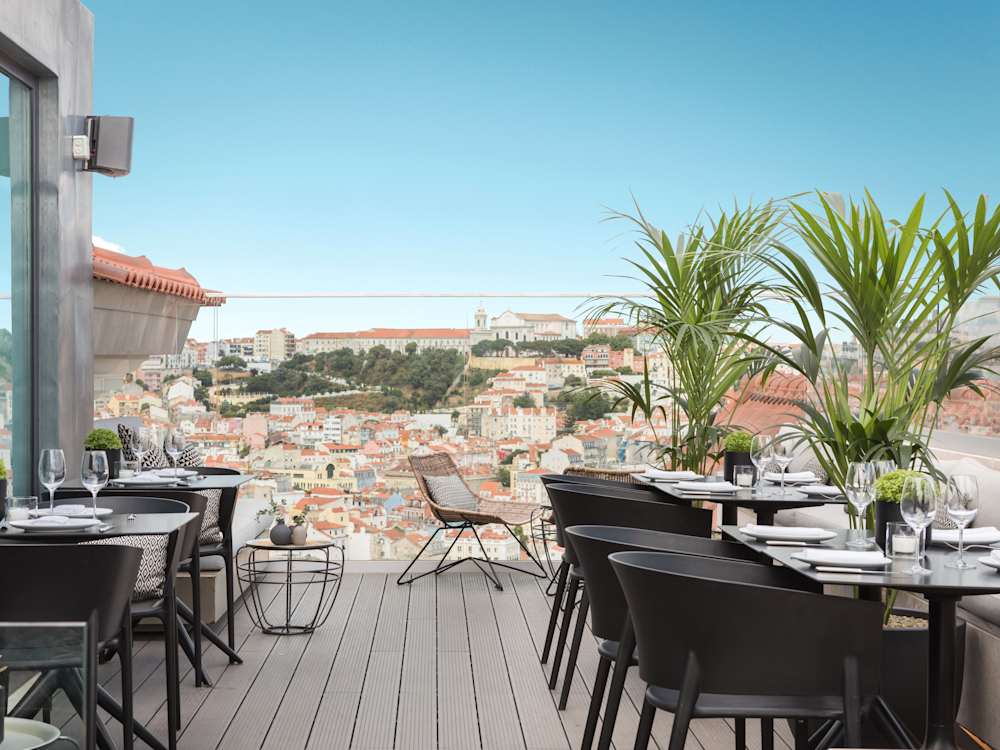
Staying true to the building’s past life as a typography workshop, aparthotel Raw Culture Bairro Alto puts art centre stage. There’s a ground-floor gallery, sets from local musicians and comedians in the laidback bar, and vintage motorbikes propped around. Upstairs, 13 industrial-chic lofts display pieces from the owner’s private collection, and design aficionados will clock mid-century furniture by the likes of Verner Panton. Very much embodying the neighbourhood’s gritty-yet-graceful spirit, this bolthole hides in plain sight along a restaurant-lined lane.
The Lumiares also offers spacious apartments within a restored heritage building — in this case an 18th-century aristo’s townhouse, complete with sweeping double staircase. While the Art Deco-style lobby and spa — all monochrome marble and gold leaf — may look straight out of Manhattan, Portuguese artisans get a strong showing across its 47 rooms, from the Burel Factory’s woven bed-throws to photography by Algarvian photographer Vaseo Célio. And with Smeg appliances and a supply of free wine in your sleek kitchenette, self-catering suddenly becomes a more appealing prospect.
On the border between Bairro Alto and elegant, residential Príncipe Real, Patio do Tijolo embraces a slower rhythm, its palm-shaded patio garden and rattan chairs beckoning guests to spend slow mornings with a book, or perhaps a spot of remote working. Many of the modern, minimalist bedrooms have impressive river views through their floor-to-ceiling windows, and environmentally minded travellers will also love the fact that this biophilic bolthole is solar-powered.
See more of the city with our weekend guide to Lisbon, or switch allegiances to Porto