


If you’re thinking of arriving at The Newt in Somerset with an itinerary in mind… Don’t. Or, at the very least, leave room for a lot of alterations. You may be looking forward to a semi-sedentary weekend of late breakfasts, wanders through the gardens and martinis before dinner, but you’ll somehow find yourself setting an alarm for dawn to follow deer tracks through the woods, or learning the finer points of dry-stone walling. The Newt will lure you in and turn your best-laid plans inside out — and Arthur Cole should shoulder a lot of the blame.
One of the founding members of the team since 2019, Cole’s position as Head of Programmes means he has spent many years turning ‘wouldn’t it be nice if…’ conversations into some of The Newt’s most memorable experiences. Whether it’s the bee safari, a foraging expedition or hundreds of other moments of horticultural theatre, Cole’s influence can be felt across every corner of the estate.
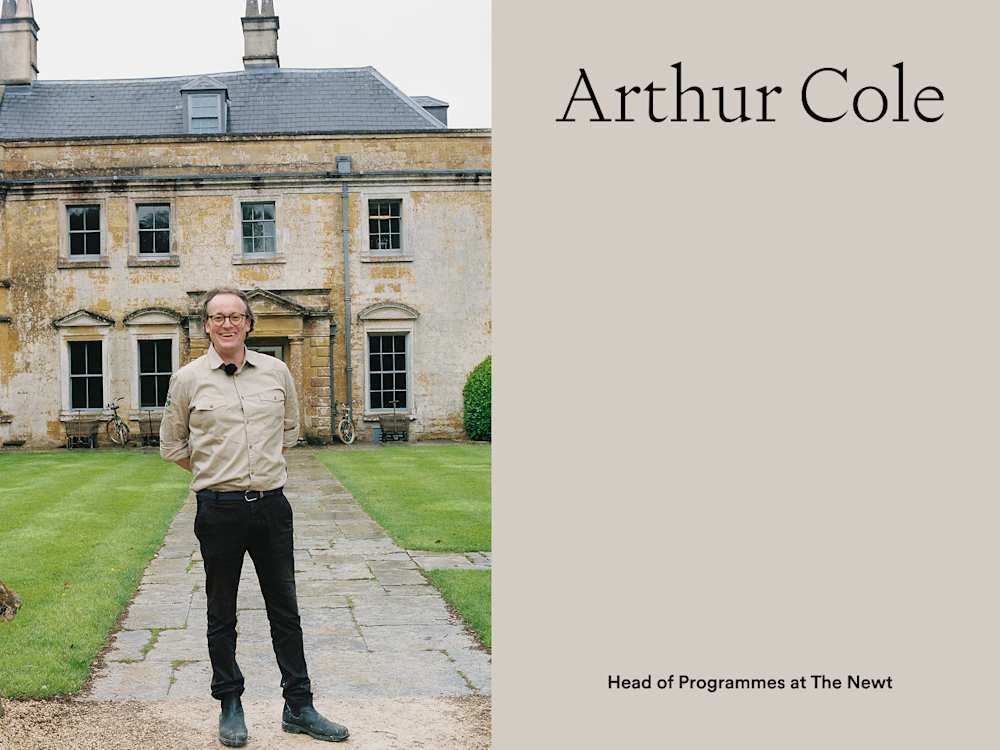
For the uninitiated, The Newt is less a hotel than a very cultivated, very beautiful little empire — 800 acres of Georgian parkland, working farm, apple orchards and edible gardens, all built around the premise of feeding you, teaching you and slightly ruining every other countryside stay for you. We spoke to Cole about what it takes to be the glue that keeps an enterprise of that scale together, and how The Newt continues to persuade perfectly sensible adults to get excited about walls, worms and waking up before sunrise.
You described The Newt as still an ‘eft’ — a baby newt — when you joined. What did you believe it was going to become versus what it is today?
What drew me to The Newt initially (or ‘Emily Estate’ as it was called back in 2018) was the sense that something extraordinary was at play. The estate office wasn’t the archetypal, repurposed Victorian building, so often found on period estates; rather it was a modern, glass-fronted building, and the managing director was a man in his thirties dressed in a black T-shirt who resembled Steve Jobs.
I knew it was going to be one of the most exciting hospitality projects in southwest England, but little did I know that our reach would extend globally and our guests would be travelling in from the Americas, Asia and Oceania. Sometimes I pinch myself [thinking back to] that first May at The Newt in 2019, finishing work and joining the gardeners down on the staff rounders pitch. [Which is] now the helipad. How times have changed…
‘Head of Programmes’ isn’t a traditional hospitality role. What does it demand of you that you didn’t anticipate?
I intended the title and description of ‘Head of Programmes’ to be deliberately opaque when I wrote it. The reason being that we were about to launch a start-up, and they thrive on teams that are agile, multi-skilled, quick on their feet, confident in making decisions, driven by the project, and not constrained by limiting job titles and descriptions.
The position has evolved over time: as well as creating the annual programme of workshops, courses and experiences, I have also led the garden team, the Visitor Attractions [area] and developed its membership model. And, of course, dressed up in Civil War-period clothing and fired cannons for our annual wassailing event… Could I have anticipated the varied responsibilities? I think I may have quietly engineered them — life is bland without variety.
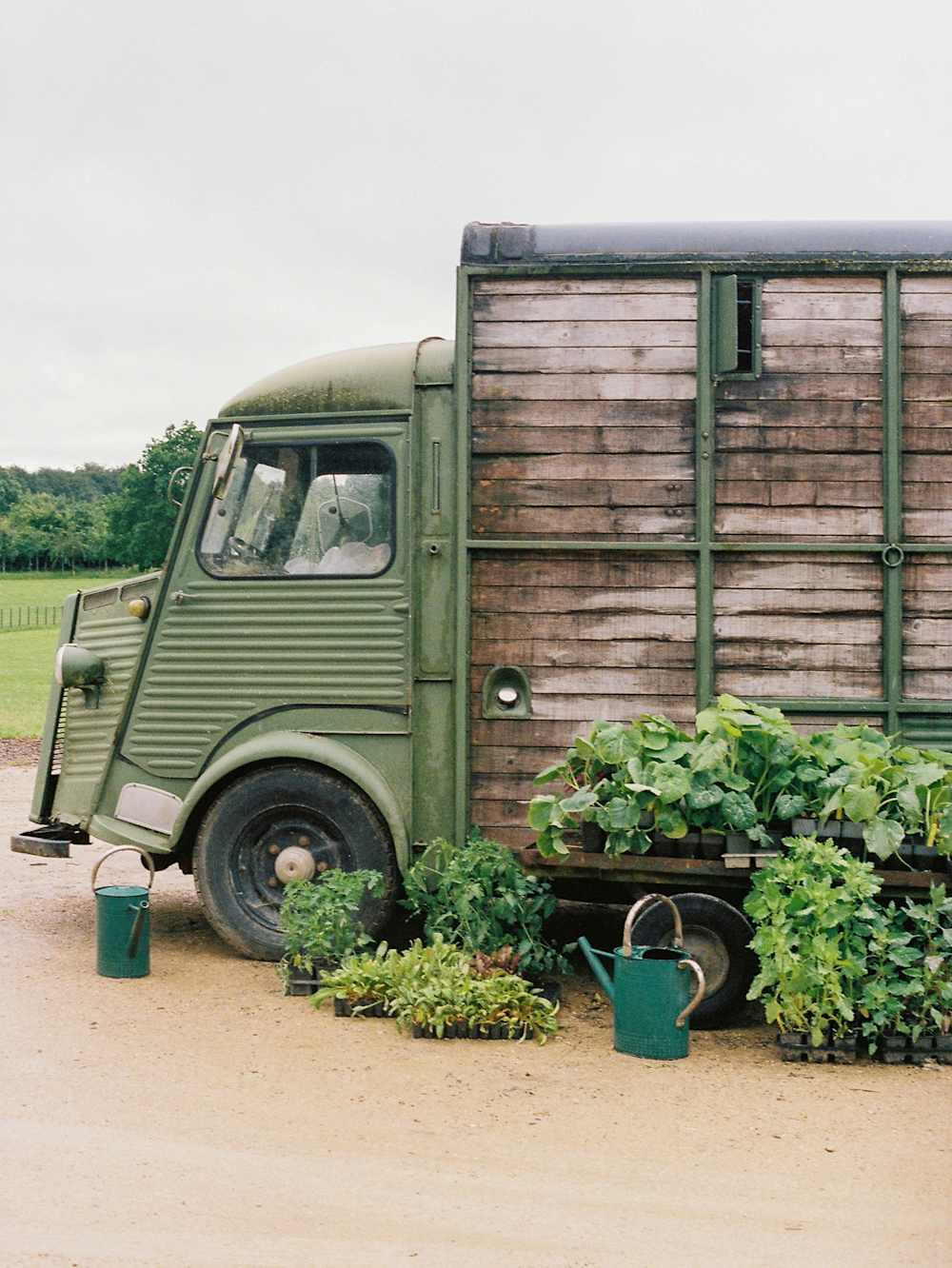
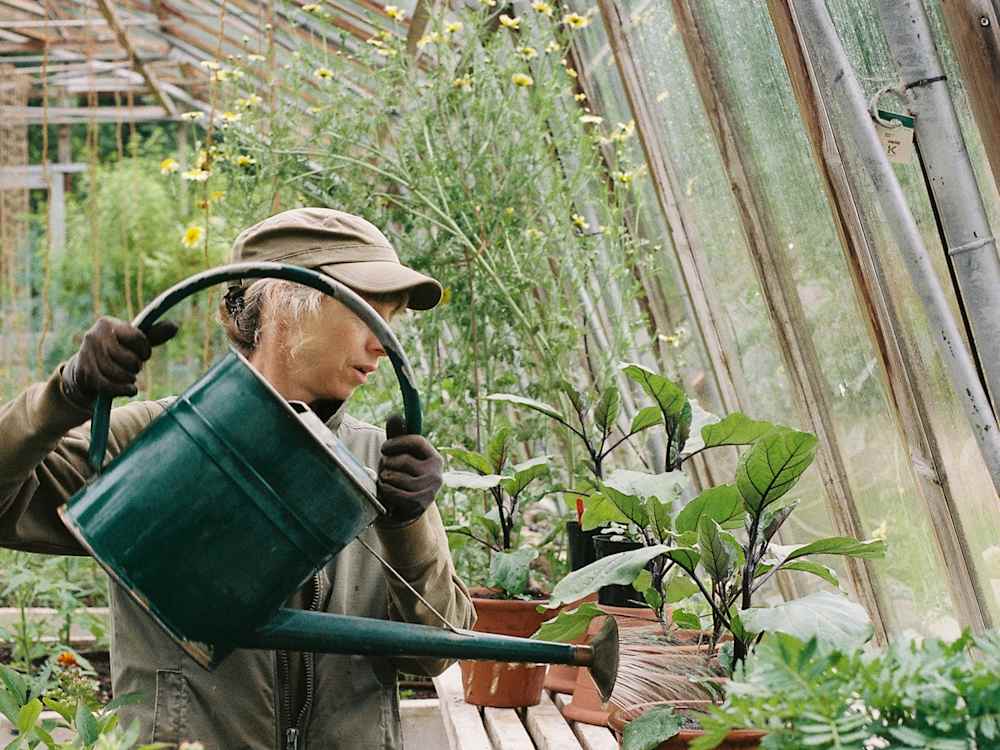
The Newt calls itself a ‘working estate’, serving a purpose beyond a hotel. How do you protect the estate’s integrity as the hospitality side of the business grows?
Integrity is everything. You can have the most beautiful property, with the most luxurious bedsheets, the cleverest chefs, the most engaging programming… but without integrity the discerning client will drop you like a stone. Adding new features and expanding into new markets will be successful provided the core of what you stand for, who you are and why you do what you do remains the unwavering truth and your guiding light.
You lead dawn walks across the grounds before the estate fully wakes. What do you see and hear from the land at that hour that guests don’t often get to experience?
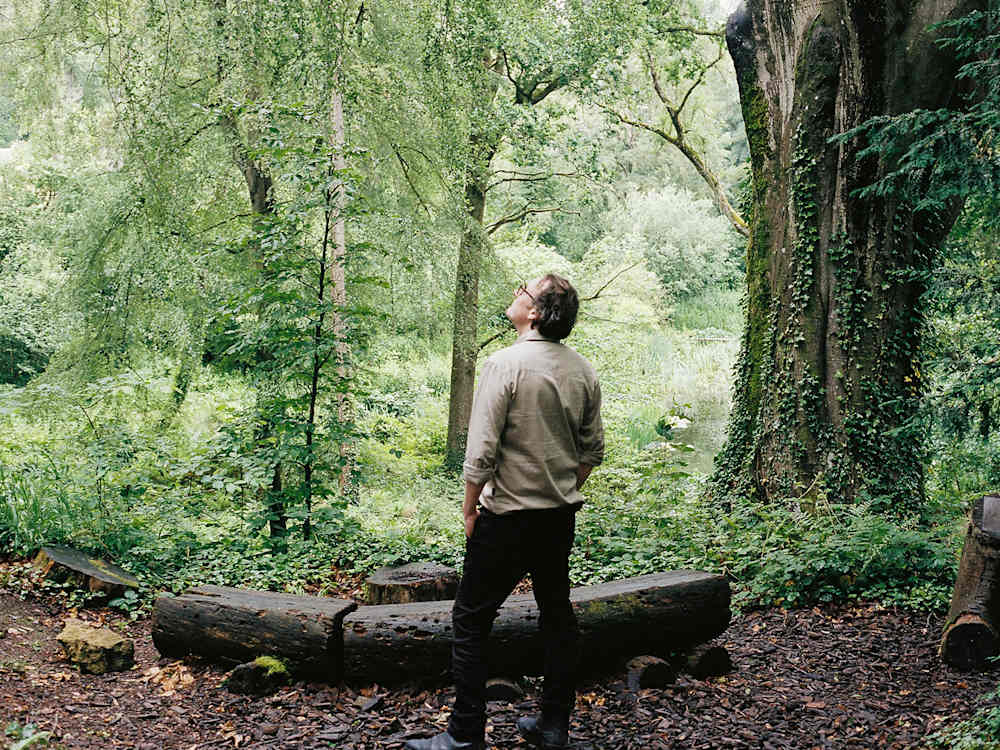
The dawn and dusk walks are ultimately about connection: with the sun, the revolving Earth, the landscape, the wildlife, ourselves and the space we are in. Dawn also gives us a great opportunity to encounter the wild things before noisy humans wake up. The dawn chorus on the estate is particularly rich in diversity. The deer are easier to approach and get close to. Dusk walks offer a great opportunity for encountering curious species: the buzzard circling just above your head, the bats catching insects on the wing, and the ethereal illumination of the glow-worms in the undergrowth.
Food is the thread tying everything together at the estate. Now that the farm-to-fork narrative is ubiquitous in luxury hospitality, how do you stay true to The Newt’s food story?
This comes back to authenticity — don’t try to mislead your guests with opaque marketing guff. Say what it is: we have three productive gardens growing seasonal produce, rare-breed-beef cattle, a flock of sheep, a herd of water buffalo and a cyder orchard…lots to play with when it comes to the four kitchens on the estate. When we can’t supply [an ingredient] directly from the estate, we lean on our sister estates in South Africa and Tuscany. For everything else, form strong relationships with trusted local suppliers and let [their] ingredients tell the story of ‘soil-to-spoon’, or ‘field-to-fork’.
You’ve spoken about looking to the future while honouring the estate’s history with new programming. How does that play out in this year’s agenda?
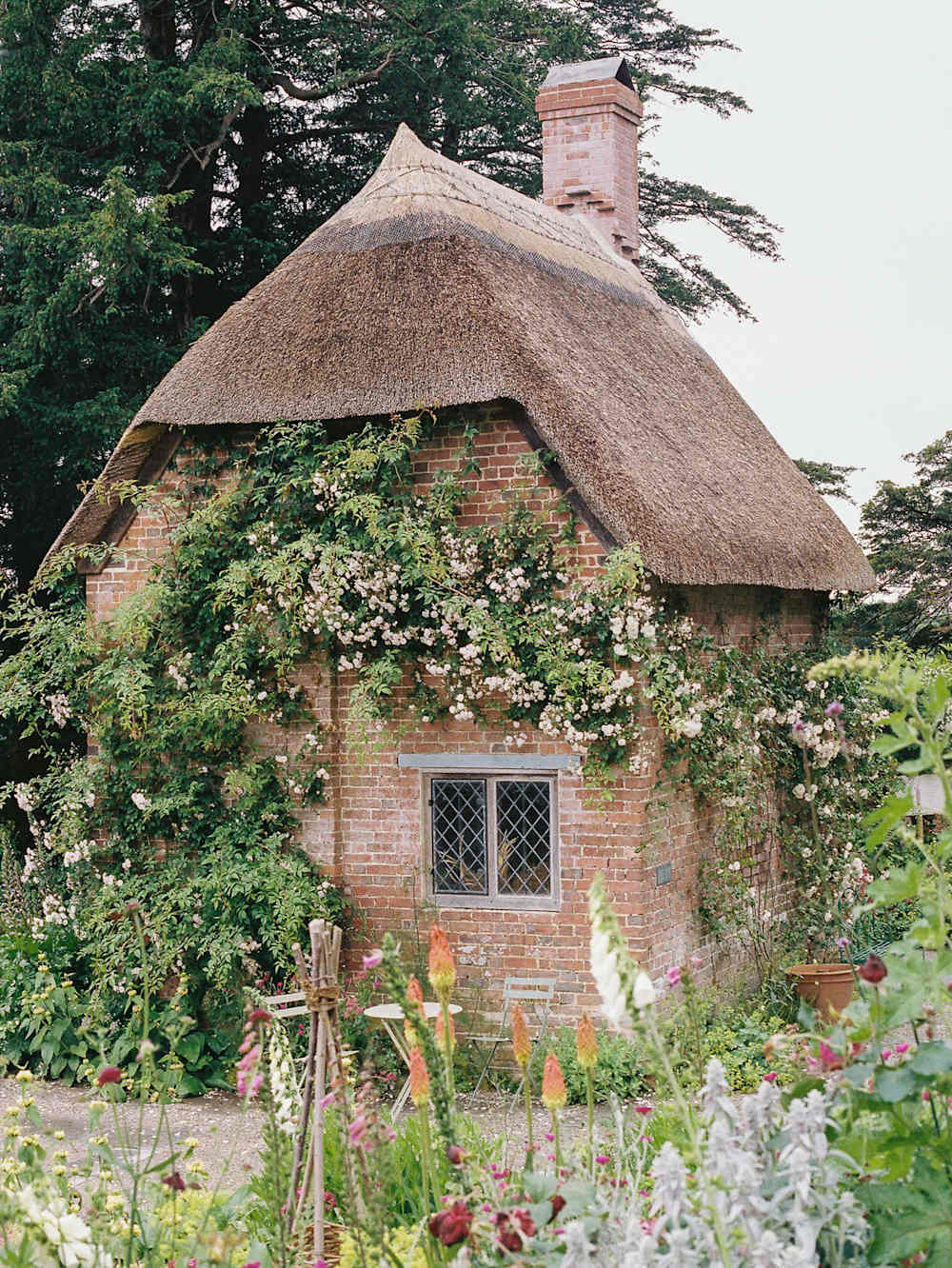
There are two experiences that I’d highlight: dry-stone walling and willow weaving. These are full-day, immersive courses that tell a story of Somerset’s heritage craft, turning raw materials into something beautiful. We’ve realised the appetite for these ancient crafts; places book up very quickly. These skills remain relevant, and I suspect they shall do long into the future.
How much of The Newt’s programme reflects your own taste and interests?
Busted, you got me! Yes, there is a modicum of self-indulgence when it comes to the programme. I’m fascinated by the skills our team have, and how they can be taught to our clients. I hadn’t the first clue on how to build a dry-stone wall, and the prospect was rather daunting, but just one day spent with master of stone Tom Trouton was enough to dispel my fears. I now look at dry-stone walls the length and breadth of the country with a newfound respect.
The programme is designed to reflect the character of The Newt, to draw on the skills of the team, and stay true to [our ethos]: horticulture, lifestyle, learning, heritage, food, drink and creating memories to dine out on for years to come.
The Newtlings programme offers forest school and nature-based sessions for children from age three. What do children engage with instinctively that adults tend to overlook?
Every child is different, [but] what we’ve realised is that children learn so much through touch. And yet we are constantly telling them, ‘don’t touch!’. Neurological pathways are formed as the child interacts with their environment through the tips of their fingers. As a result, our exceptional Education Officer, Martha Hemmet, makes the activities as interactive and tactile as possible, leaning into physical experience over the spoken and written. Although, our storytime reading of ‘Spitting Toads’, by the author Emma van Zeller, is one of our most popular activities.
What doesn’t exist yet in the programme that you’d like to put in place?
I would love to have a teaching kitchen somewhere on the estate for evenings and the winter months. Our produce is of such exceptional quality and our chefs beautifully talented; it would be good to have a winter cookery programme.
I’d also love to have a music-festival programme, from classical to electronic. [But] we wouldn’t be competing against Glastonbury; ours would be quite different.
Do you ever feel overwhelmed when putting The Newt’s cultural calendar together? How do you balance it with those guests who want to do nothing?
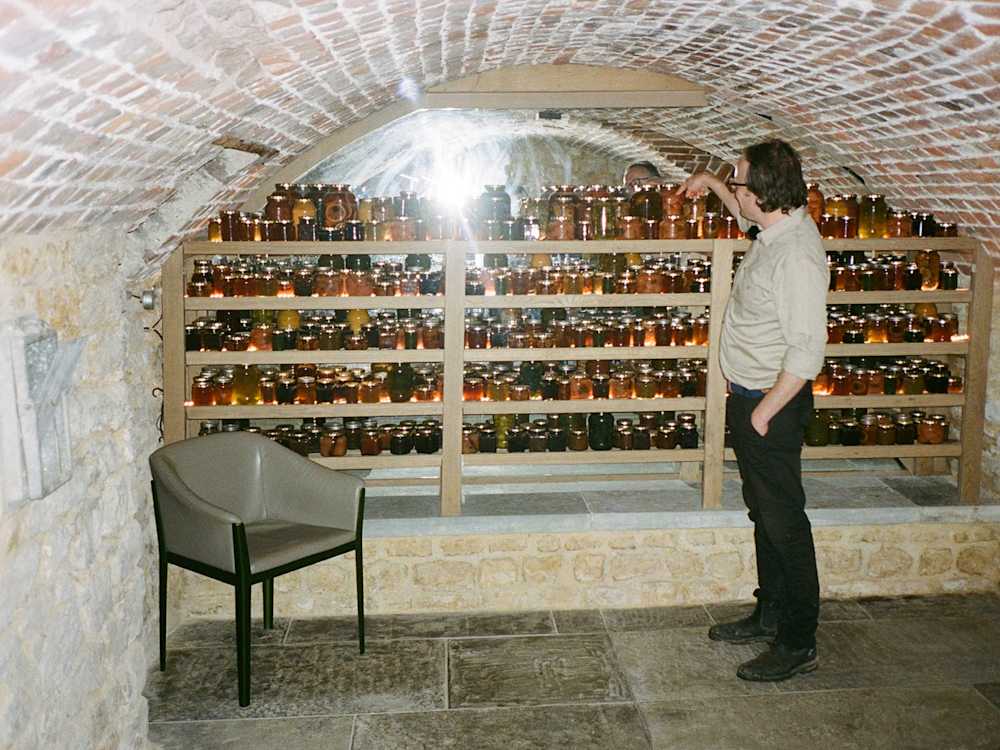
In the past six years the programme has grown exponentially in both its scope and its reach. The pressure begins to mount halfway through the year when we’re getting close to the deadline for publishing [next year’s calendar] — but it is often under pressure that we do our best work. One of the great benefits to staying at The Newt is that you have a banquet of experiences to indulge in, and if you wish not to engage with the programme then sit back, relax and sink a martini.
The Newt straddles the town and country line well, with the recent collaboration with Claridge’s and the likes of welly-wanging and ferret racing at this year’s first Summer Farm Show. How eager are cosmopolitan guests to pitch in and get their hands dirty?
Country chic has been a thing for decades, but I think we offer something different from our would-be-rivals of the Cotswolds and the Shires — we don’t take ourselves too seriously in Somerset. I would challenge anyone arriving from the city not to feel intoxicated by the clean air and scent of the roses in bloom, not to hug the ancient Druid Tree, not to feel the soil between their toes, and not to graze in the kitchen garden with a glass of something refreshing after hours. It doesn’t take much convincing to have our guests plunge into the estate’s experiences.
What do guests assume about The Newt before they arrive, and what changes after a stay?
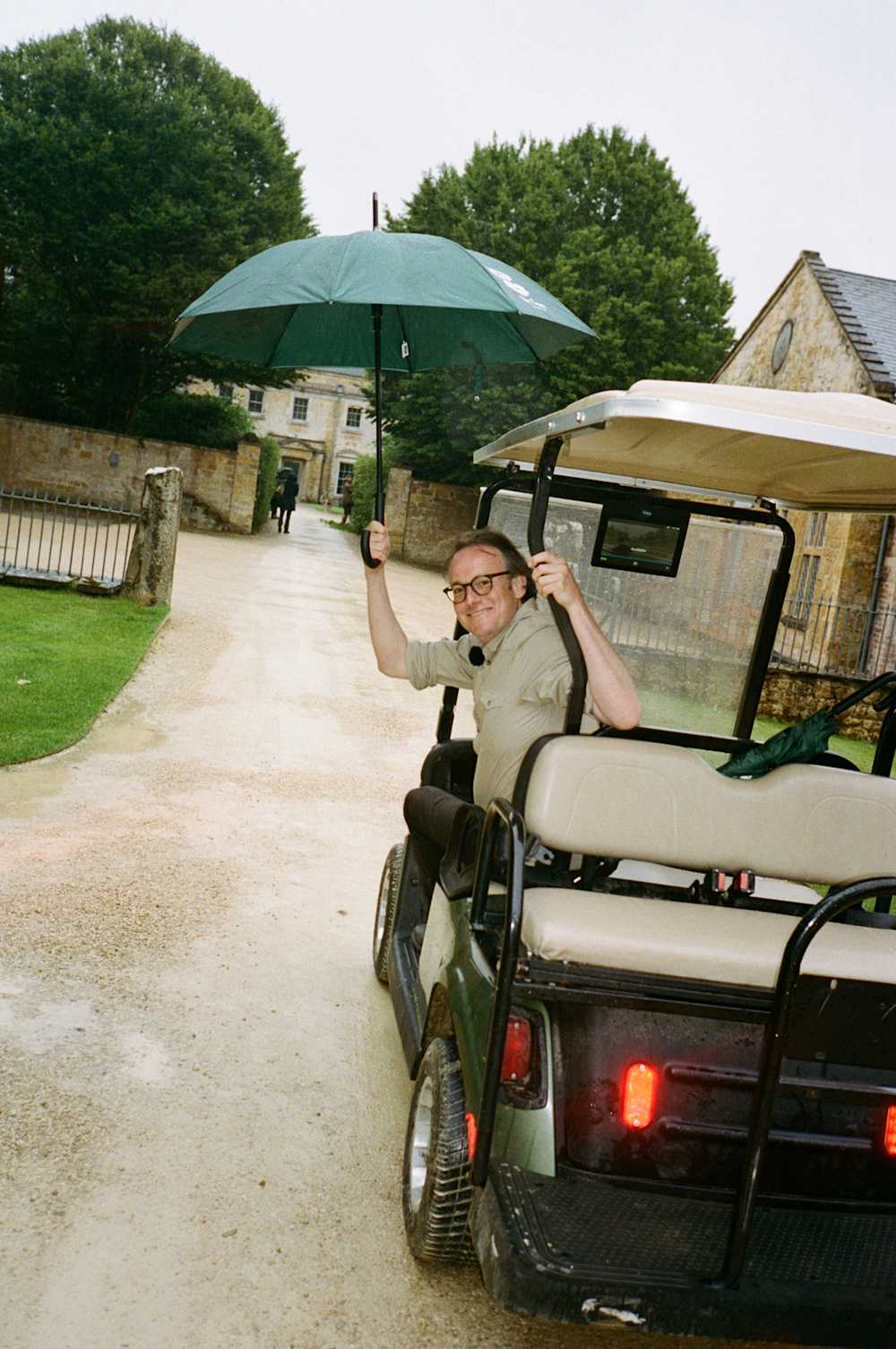
Many guests assume we’re just a world-leading country-house hotel — which we are, but when they arrive and go on an Estate Tour, they learn about the 125 acres of formal gardens and woodland walks, three museums, four restaurants and three shops. They discover the regenerative farm with the largest herd of rare-breed British White cattle, the water buffalo, The Creamery, the hydroponics house, the Market Garden, the state-of-the-art butchery, red-squirrel breeding program, the talks programme (welcoming speakers as diverse as Professor David Nutt, the world’s foremost neuropsychopharmacologist, Alan Titchmarsh, Alice Vincent…). And then there’s the schools programme, the soil trials, the podcast… and yet more projects in the pipeline (here’s a hint: biodomes, think Eden Project!). All this alters guests’ perceptions of who we are, what we do, and why we do it. It’s the Newt way.
Indulge your curiosity with a stay at The Newt in Somerset or explore further in Somerset