



Scattered off the west coast of Africa but part of Spain, the Canary Islands have always been a magnet for winter-sun seekers, one of the few places in Europe where the chill barely registers. Look beyond the obvious resorts, though, and every island has its own personality and pull.
The largest, Tenerife, spreads out around mighty Mount Teide, Lanzarote has dramatic volcanic scenery and a bohemian feel, and Fuerteventura’s winds whip up impressive dunes and scoot adventurous kitesurfers along. But which is the best Canary Island for your trip? Here’s a guide to help you find your island match made in subtropical heaven.
Go to Tenerife… if you’re food obsessed
Best for: Travellers who book the restaurant before the flight.
The island: Tenerife’s north is green and has many significant buildings with carved wooden balconies; the south is sunnier and resort-central.
The vibe: Loud, generous and bustling, with good food all around.
The hotel: In northern Tenerife, book into Hotel Boutique San Diego, right in the centre of San Cristóbal de La Laguna, a historic city whose colonial grid layout served as the blueprint for New World capitals like Havana. This homey bolthole, with its palm-shaded honesty bar, is an ideal base from which to explore and attracts an artsy crowd. If you’re headed south, try to sidestep the coastal-resort crowds and stay at adults-only Royal Hideaway Corales Beach or its family-friendly sister, Corales Suites, where the touristy feel is tempered by stylish accommodation and two-star Michelin dining.
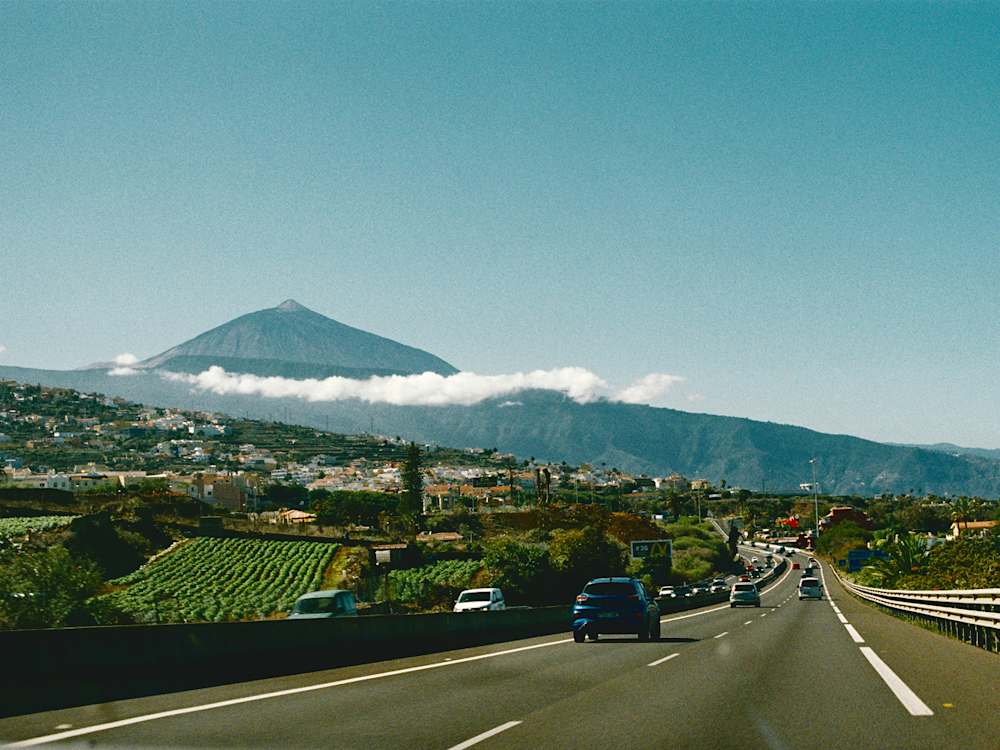
The must-do activity: If you only do one thing while on Tenerife, it should be summitting Mount Teide, a volcano whose peak stands at 3,718 metres. The indigenous people of the Canary Islands, the Guanches, considered it sacred and believed it literally held up the sky. You’ll be in awe too once you zip up in the cable car and ascend the last 200 metres to the crater rim on foot. Be sure to get a permit ahead of time, as it’s required to enter. These are usually released every Monday at 7am (local time) and give you a two-hour slot at the top; book through Tenerife ON.
The restaurants: The thing about Tenerife is, while it has an abundance of Michelin stars (11 in total), it’s also got the ‘three Bs’ that Spanish diners love: bueno, bonito y barato (good, pretty and cheap). So, while of course you’ll want to have a starred meal (like the two-star M.B, famed Basque chef Martín Berasategui’s celebrated outpost), you should also visit some of the notable spots where they serve tasty papas arrugadas (salted and boiled potatoes with mojo rojo) and grilled meats. Chamachete is another wonderful option, on the highway between Adeje and Guía de Isora. And try cocktails with a Canarian twist (all ingredients are island-sourced) at Royal Hideaway’s Maresía Atlantic Bar.
Go to Lanzarote… if you’re a design lover
Best for: Aesthetes who travel for wine and design.
The island: In the 1730s, volcanic eruptions covered a large percentage of Lanzarote in black lava; now it’s a study in what happens when a place works the cards nature dealt to its advantage. Vines are famously grown in the crater-shaped holes of volcanic ash to produce highly valued Malvasía, and native architect César Manrique’s insistence on embracing organic shapes created a signature white-on-black Lanzarote style.
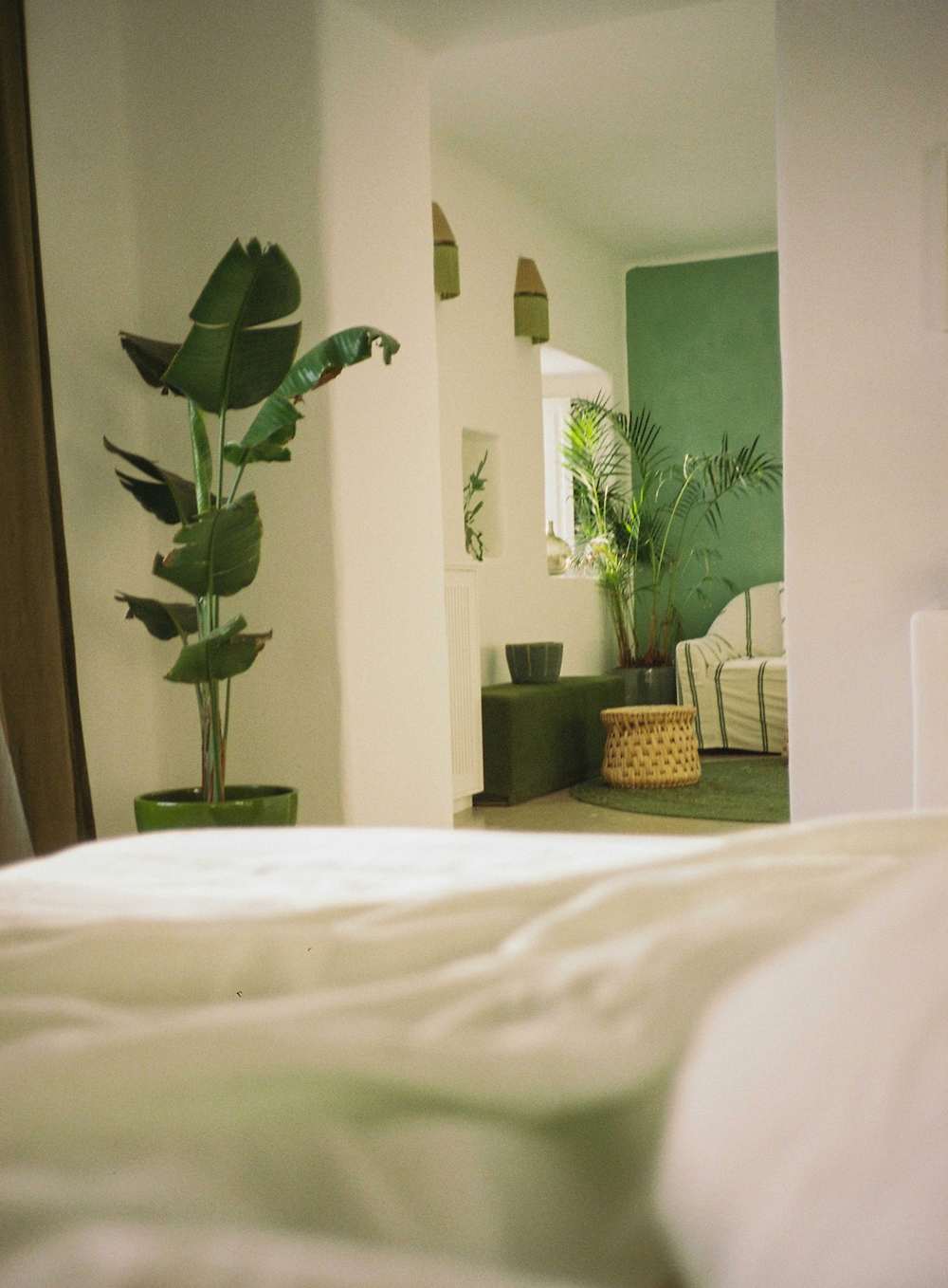
The vibe: Hushed and art-directed, almost monastic in its beauty.
The hotel: Manrique’s legacy shapes the whole island, and César Lanzarote hotel, set among vineyards in La Asomada, was once his father’s house. It still has original wooden beams and stonework, with a new addition of a curvy heated pool edged in black sand and cacti. Up north in Haría, the ‘Valley of a Thousand Palms’ where Manrique spent his final years, the scent from dozens of orange trees reaches you as you approach La Casa de los Naranjos. Inside this 200-year-old manor, owner José has filled eight rooms with his antique finds, and dinner comes by candlelight to the tick of a grandfather clock, with the island’s oldest library just down the hall to retire to after.
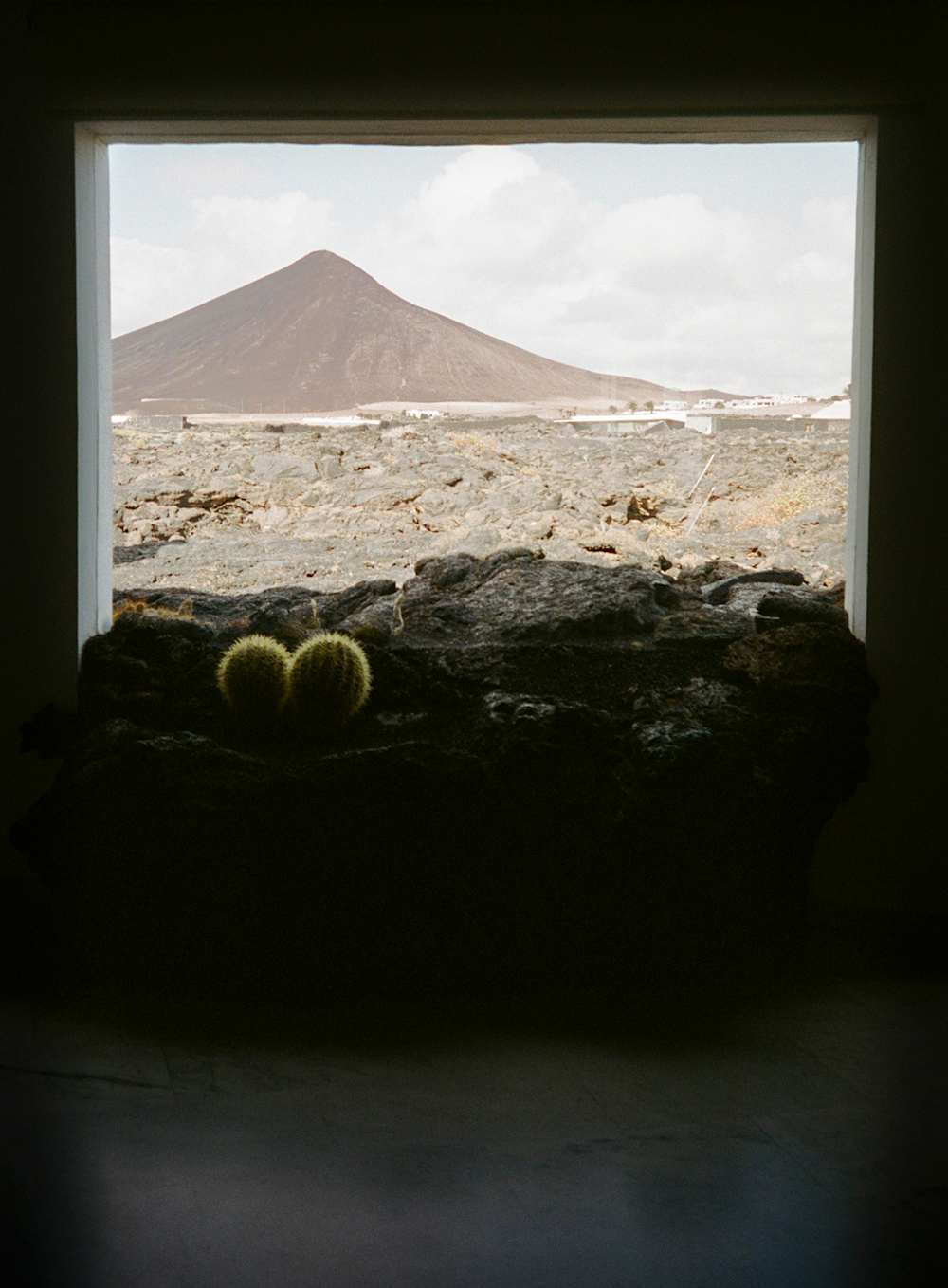
The must-do activity: Manrique is the big man on Lanzarote, and his architecture is whimsical enough to enthral the most blasé. The must-see of the Manrique oeuvre is the Fundación César Manrique, the artist’s home built into five volcanic bubbles, which looks especially striking against the black ground. There’s more of his work across the island, such as the volcanic cave system, the Jameos del Agua, or the Monumento al Campesino sculpture in Mozaga.
The restaurants: Drive into wine country for a sunset glass of Malvasía at El Chupadero, a rustic cantina that has served drinks amid the vineyards of La Geria’s ash-bowl valley for 40 years. Back in the capital, Arrecife, La Lapa serves tapas made using island produce, with speciality coffee in the morning, natural wine in the evening and music on weekends.
Go to Fuerteventura… if you’re a surf devotee
Best for: Surfer types and barefoot-luxury seekers.
The island: Fuerteventura is the oldest of the Canary Islands, and the closest to Africa, with blustering winds year-round that sweep the beaches and dry inland terrain. Betancuria was the first capital in the island group, and it was hidden inland to avoid pirate attacks. These days, Fuerteventura is more of a magnet for fans of wind sports — kitesurfers are particularly fond of it.
The vibe: Swim, read, surf and repeat.
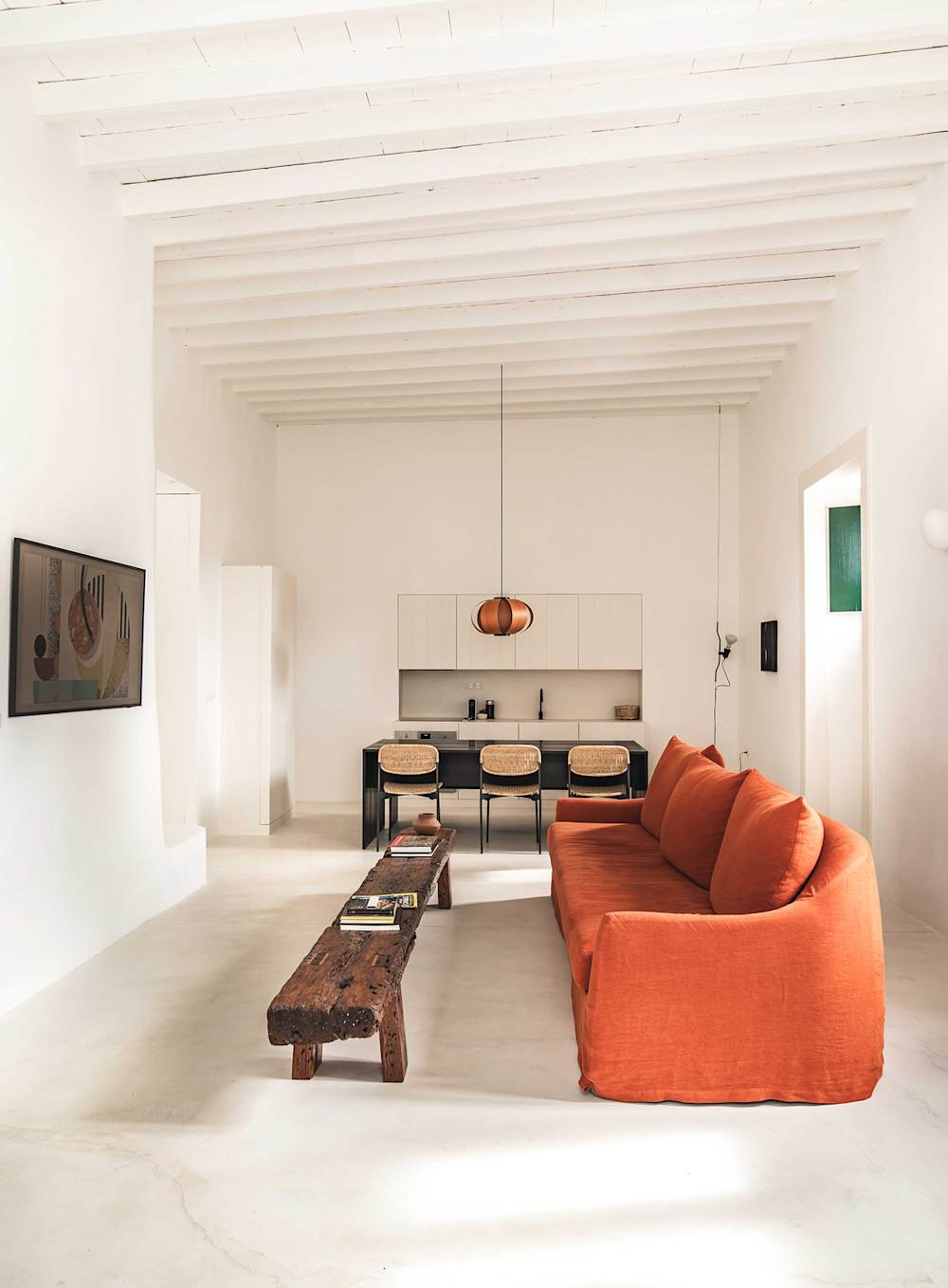
The hotel: In the sleepy village of La Oliva, Casa Montelongo is the former home of a prominent family that’s now a design-forward hideaway with just two whitewashed suites, each built around a sculptural sunken bath tub. With its white walls and statement furnishings, it feels as much a gallery as a hotel. Its owners even staged a short film there recently, in which a dancer moves through the rooms. You’ll likely act out the same meditative show from a day-bed by the courtyard pool, where an iron sculpture and cacti enhance the aesthetic.
The must-do activity: If your kitesurfing skills have never been put to the test, the shallow lagoons left by low tide at Playa de Sotavento form a training pool that’s perfect for a first-timer. Peak trade winds arrive almost violently from June to August, so the best time to pick up the sport is in spring or autumn. Schools run beginner courses right on the beach, and most newbies are on the board after just a couple of lessons.
The restaurants: Casa Marcos, in Villaverde, is a standout for chef Marcos Gutiérrez’s Majorero classics like carne compuesta, a slow-cooked goat stew, a house goat-liver pâté and goat cecina (air-dried meat), which uses a traditional island method. Or drive the dirt road to Restaurante Cofete, a simple yet magical bar near the beach, which doesn’t take reservations and serves homemade everything, from the caldo de pescado (fish soup) to the wine.
Go to Gran Canaria… for the best all-rounder
Best for: Adventurers, couples, families, big groups, those who want off-season sun
The island: Gran Canaria calls itself a ‘miniature continent’, which is fair for an island where you can wake up in a real city, walk the Maspalomas Dunes around lunchtime and finish the day in a mountain village beneath the volcanic monolith Roque Nublo.
The vibe: Gran Canaria is the lived-in island with zero pretensions, which feels the most like mainland Spain.
The must-do activity: The Maspalomas Dunes are the must-see sight. For the most unforgettable aspect, go at sunrise, before the day-trippers, while the sands are cool and combed into fresh ripples by overnight winds. Start at the lighthouse and walk along the shore to Playa del Inglés before doubling back via La Charca, the brackish lagoon at the reserve’s western edge, where herons and sandpipers feed in the reeds.
The restaurants: In Las Palmas, one of the Canary Islands’ two capitals, reserve a seat at Camino al Jamonal, a family-run spot on the beach that offers something for everyone, much like the island itself, from tiny baguette sandwiches to the caramelised Russian potato salad. Near the Agaete Valley, try Casa Romántica, a project by young chefs who are championing slow food and wine, which has lovely views.
Go to La Palma… for the dark skies
Best for: Stargazers and hikers.
The island: Its proud nickname — in an archipelago, no less — is La Isla Bonita (‘the beautiful island’). La Palma is home to Europe’s darkest night sky, which is protected as a world-first Starlight Reserve, with regulations on the brightness and colour of street lighting.
The vibe: Slow, green and seriously mindful.
The must-do activity: On La Palma, the MO is staying active all day and turning your eyes to the sky at night. Roque de los Muchachos, the island’s highest point, rises above a sea of pink and orange clouds and white telescope domes at sunset. After dark, it gets a little chilly, but if you want to stargaze, there are plenty of lower miradors, like the Llano del Jable. Local astronomy companies offer guided sessions, complete with telescopes and hot drinks; we recommend La Palma Natural’s sunset and stargazing experience. For the most spectacular celestial sightings, time your trip around a new moon.
The restaurants: El Jardín de la Sal’s setting, above Fuencaliente’s white salt flats edged by black lava, makes for memorable meals, especially post-sunset. The menu uses modern cookery techniques to update traditional Canarian food. In Los Llanos de Aridane, El Duende del Fuego serves some of the island’s best produce, from cheese made using milk from free-roaming goats to organic fruit and vegetables on a menu that’s almost entirely allergen-free.
Go to La Gomera… for relaxation
Best for: Those who want to totally switch off.
The island: La Gomera is the second-smallest island in the Canaries, which can be reached from Tenerife by ferry in around an hour. It has a landscape so mountainous that locals invented a whistle-only language called Silbo Gomero for communicating across ravines.
The vibe: Quiet, with off-grid adventuring.
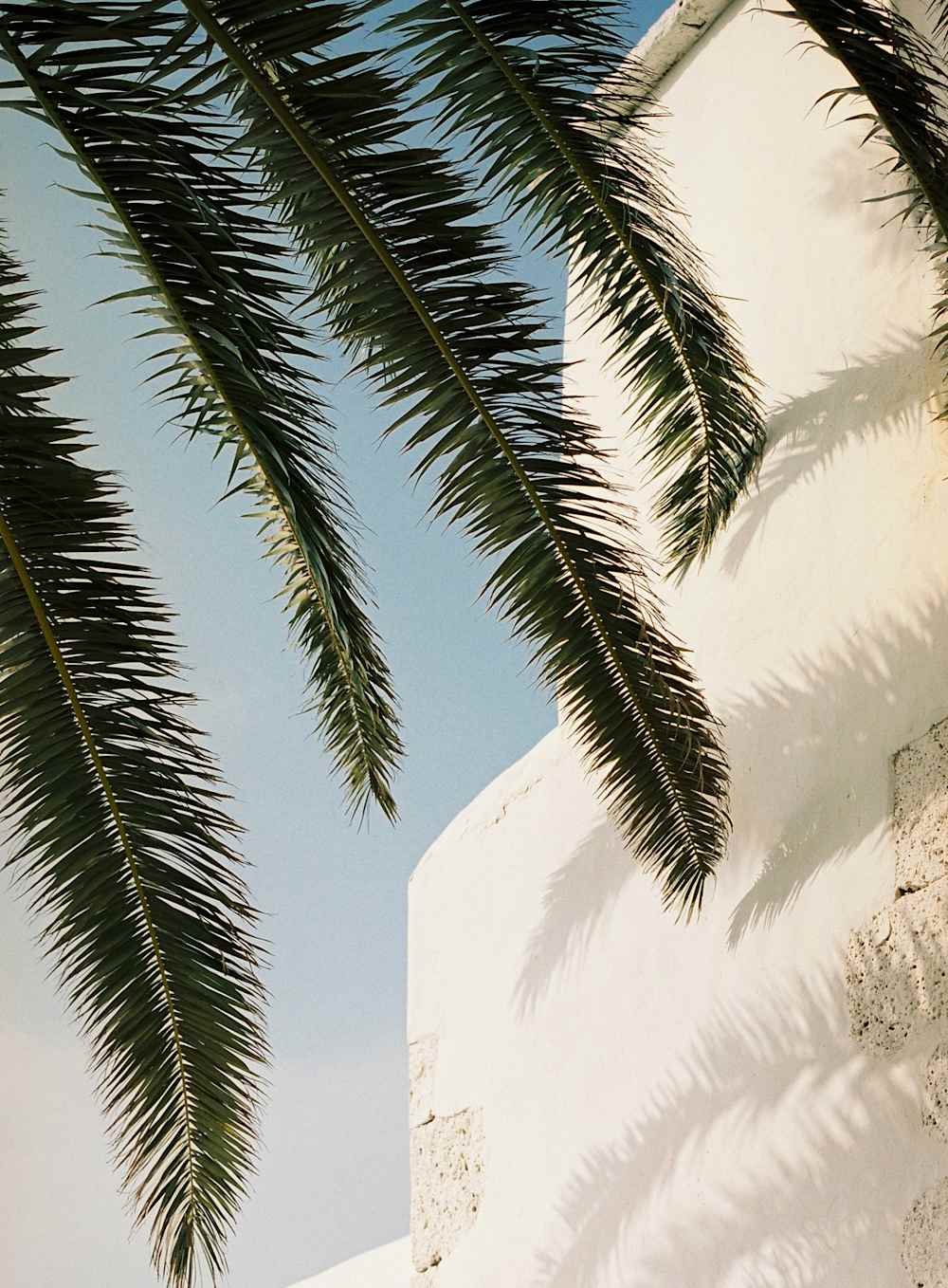
The must-do activity: La Gomera is famous for its pottery, still made in the pre-colonial way, where massapé clay is shaped into all manner of vessels without the use of a wheel. Make your way up to mountain village El Cercado, which sits 1,000 metres above sea level in the Garajonay National Park, and is famous for the craft. To learn more, tour the museum dedicated to las loceras (female potters).
The restaurant: Near the park, you’ll find Casa Efigenia, a decades-old institution that leaned into vegetarianism because it was necessary to keep the owners’ goats alive for cheese and milk. Nowadays, it’s the place to try the hallmarks of Canarian cuisine: watercress stew, spicy almogrote cheese pâté and lemonade sweetened with palm-tree sap. For meat and fish options, try the creative cuisine at Tasca Enyesque in Playa Santiago.
Need to know
How to get to the Canary Islands: There are frequent direct flights to Tenerife, Gran Canaria, Lanzarote and Fuerteventura from the UK. Some carriers offer seasonal flights to La Palma; but to reach La Gomera you’ll need to ride the ferry or catch a short flight from Tenerife.
How to get around the Canary Islands: Island-hopping is easier than it looks. Binter is the official Canarian airline, with short propeller flights that link all the main islands. A ferry is a good option for certain connections, such as Tenerife to La Gomera, or Lanzarote to Fuerteventura; both journeys are under an hour by boat. It’s highly recommended to hire a car — the best of each island is up winding mountain roads.
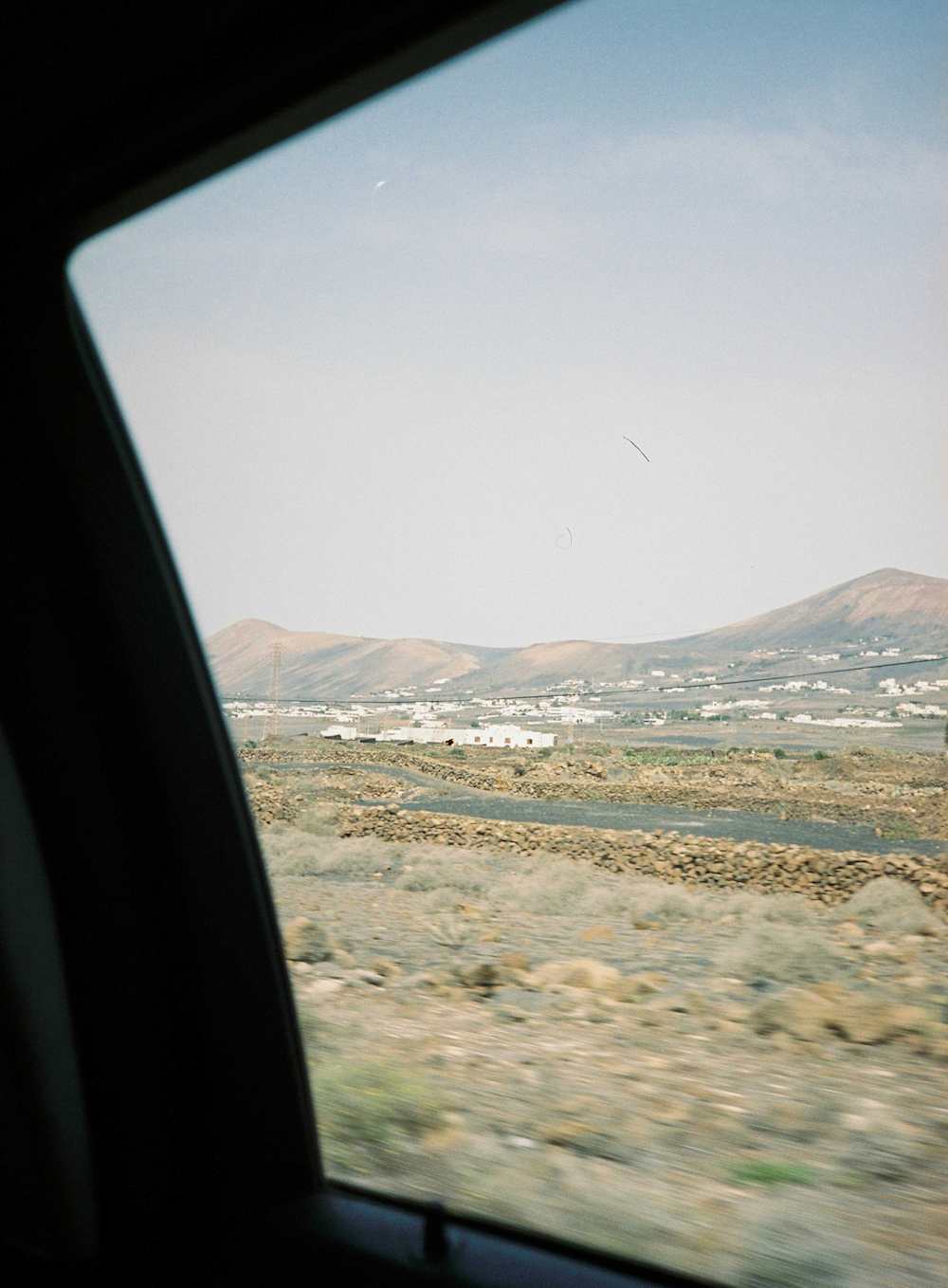
When to visit the Canary Islands: Any time is a good time to visit the Canaries. Even in the depths of winter, temperatures hover around the low 20s Celsius, and trade winds keep summer days breezy. The Carnival de Santa Cruz de Tenerife is the second largest in the world and takes place across January and February.
What to buy: It shouldn’t surprise you that the Canary Islands, the link between Spain and the Caribbean, have a larder-full of ingredients that are hyper-local to each island. Jars of the special Canary sauce, mojo, come in red or green. Pick up Majorero goat-milk cheese if you’re in Fuerteventura, Malvasía wine if you’re in Lanzarote, and ron miel, a sweet rum made with molasses, wherever you are.
Good to know: Keep an eye out for the calima, a dusty Saharan wind that brings in a hazy sky for a couple of days each winter; you’ll want to plan around it. Across the islands, there’s a laid-back attitude, so activities don’t require too much planning, unless you want to climb to the summit of Mount Teide — book your free national-park permit a few weeks before arrival.
Discover some of our favourite off-the-beaten-track holidays in Spain, or find your ideal Italian lake next