


London really comes alive in the spring. The sun is finally here, the rain has mostly taken its leave and Londoners simply cannot wait to get outside — we just want to go on a good long walk and feel nature waking up around us. And since 20 per cent of London is public green space, we’re spoilt for options right here in the city.
I’ve lived in London for more than 20 years, and each spring I’m amazed to find new routes for exploring my city on foot. Here are some of my favourites.
Richmond Park
Deer, bluebells and wide open spaces
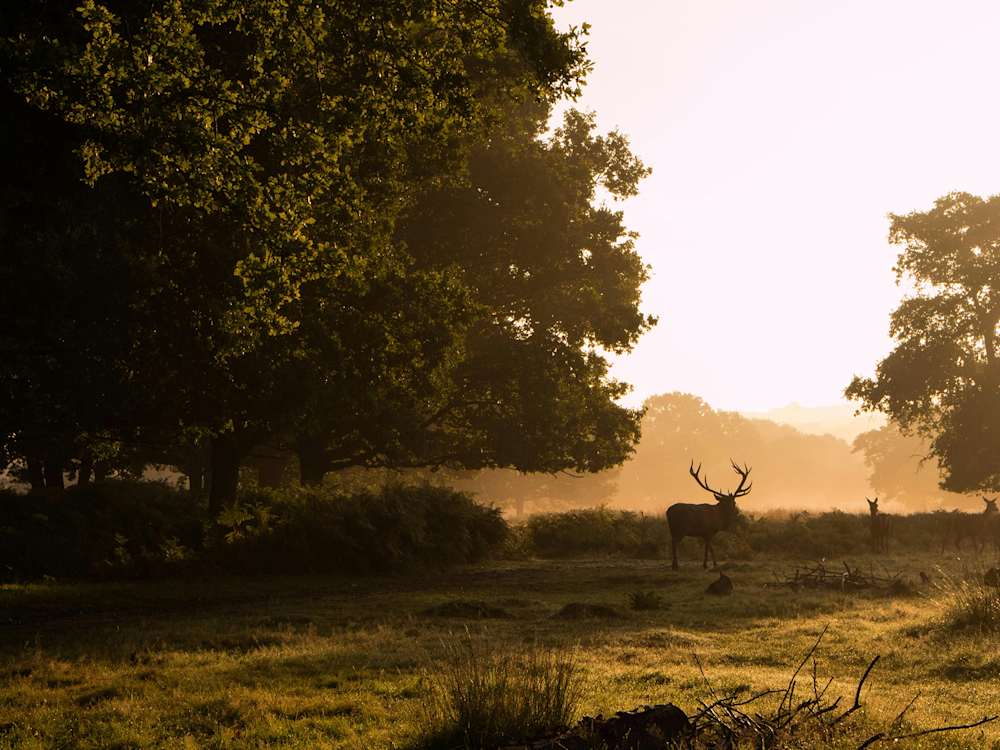
Everyone knows Richmond Park is one of London’s greatest green spaces, but with its more than 2,000 acres, where exactly in this Royal Park should you go? The most remarkable sight is the 630-strong herd of wild red and fallow deer that make their home in this West London park. At dawn and dusk, they congregate at the sports pitches and nearby open fields — remember to keep your distance, especially during rutting season (September to November) and birthing season (May to July). I’d suggest bypassing the main entrance on Richmond Hill and instead follow the Thames a bit longer and enter via the Petersham Gate. This puts you right next to King Henry’s Mound with its protected view to St Paul’s Cathedral — there’s a telescope for a closer look. My favourite spot in Richmond Park is the Isabella Plantation, with its evergreen azaleas and the fields of bluebells that cover the ground in the springtime.
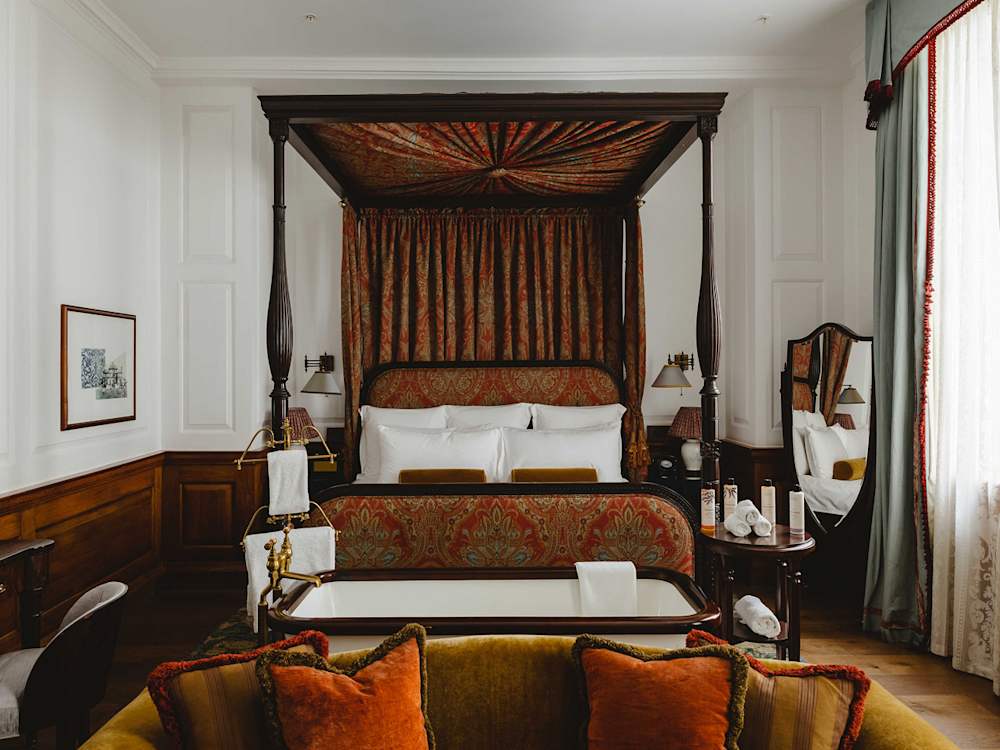
Where to stay: At Bingham Riverhouse in Richmond, with its library-style interiors and country-house getaway feel. Here you’re perfectly placed between the water and the park. With foraged, seasonal, often locally sourced ingredients, the restaurant complements a day spent in nature.
Start: Richmond (Richmond station)
End: Kingston (Kingston station)
Terrain: Leisurely walking on sometimes-paved roads, with a few hills
Length: Anywhere between 3 miles and a full day’s walk
Highlights: Getting so close to nature and free-roaming animals in a park that’s so well cared for. Stand next to the Pen Ponds and you’ll feel the city’s all but vanished.
Urban walks
The Canal Towpath
The waterside trail
If there’s one London walk I never tire of, it’s the towpath of the canals that cut along the northern edge of central London: the Grand Union and Regent’s waterways. From the start of the walk at Little Venice, follow the canal, with its colourful houseboat community, as it slopes north-east through Regent’s Park. Look for paving stones marked ‘Jubilee Greenway’ as you make your way up to Camden, where you can detour to rummage for vintage pieces and arts and crafts in the neighbourhood markets. Finish the walk in King’s Cross with a drink overlooking the water at trendy Coal Drops Yard, or — my local recommendation — the King Charles I pub.
Where to stay: Base yourself at Dorset Square Hotel, close to the start of the walk at Little Venice. Like the towpaths, this hotel has its origins in the Regency era, a legacy still felt in the colours, fabrics and quirky British decor.
Start: Little Venice (Paddington station)
End: King’s Cross (King’s Cross station)
Terrain: Mostly flat and paved, on a path shared with many cyclists
Length: 4 miles, or you can choose to continue along all the way to Hackney
Highlights: Camden’s cheery ‘Punk’s not dead’ flags, and the restored Gasholder Park in King’s Cross, the wrought-iron frame that’s now a throwback to the area’s industrial past.
The Parkland Walk
High above the city
This North London walk feels like wandering along an elevated avenue, which it kind of is — the Parkland Walk used to be a railway line. There’s still some evidence of this former life, as you’ll come across several abandoned platforms that sit curiously in the landscape, a bit like the lamppost in the woods of Narnia. A route highlight is Highgate Wood, a much-loved favourite for many Londoners — this ancient woodland somehow feels moody and mystical despite being surrounded by the city. If you want a longer hike, the Parkland Walk’s northern extension runs from there to Alexandra Palace — there’s no better view of London than from the very top of the city.
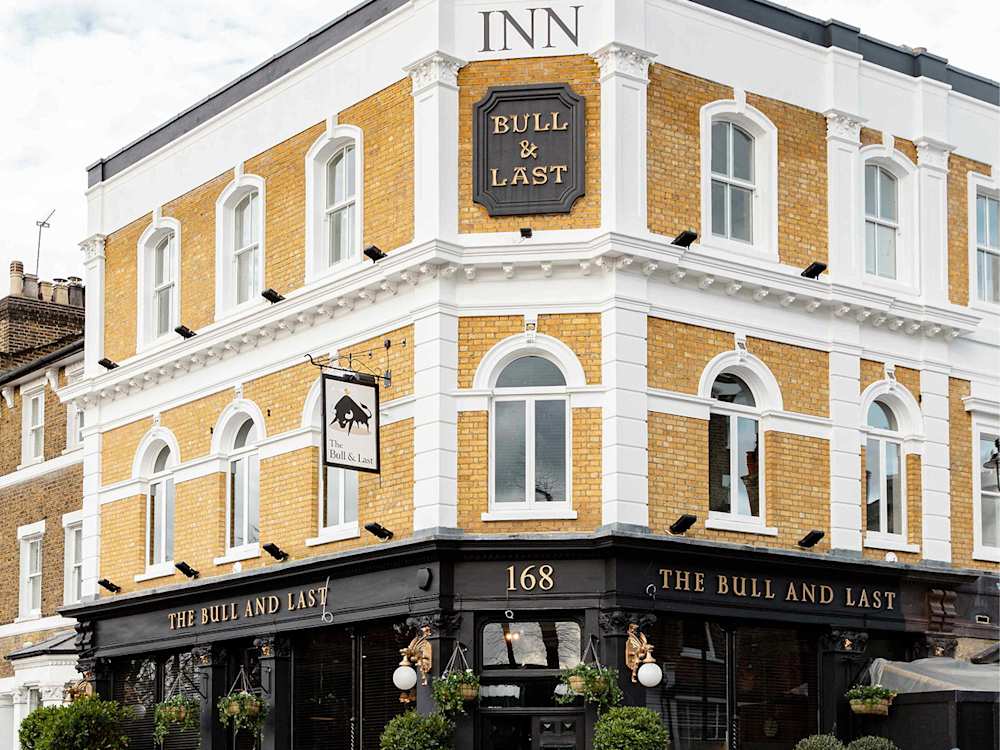
Where to stay: Book in at beloved gastropub The Bull & Last, beside Hampstead Heath, where stories of famous and infamous characters inspire the decor of seven immaculate rooms. It’s a short bus ride from where the walk starts in Highgate.
Start: Highgate Wood (Highgate station)
End: Finsbury Park (Finsbury station)
Terrain: Relaxed walking on coarse gravel paths with a few hills
Length: 4.5 miles, with the option to carry on
Highlights: The moody street art along the abandoned rail arches — look out for the Spriggan, the sculpture of a Cornish sprite bursting out of the brickwork — and spring bluebells in Highgate Wood.
Green walks
The Brent Valley
Verdant and serene
The charm of this stretch of the River Brent is still a secret many Londoners haven’t discovered yet. This Thames tributary didn’t always look so good, but following focused efforts to clean and rewild this little river, Brent Valley has become my favourite green walk in West London. Kick off the adventure at Brent Meadow where you’ll find the showstopper sight of this walk: the imposing Wharncliffe Viaduct, designed by Isambard Kingdom Brunel. The path goes through its arches, and from there follow the River Brent until you reach Perivale Park — poke around until you find the orchard, which has freshly planted pear trees. If you want to continue into the woods, follow the posts marked ‘Capital Ring’, which will take you to Horsenden Hill. There you’ll be rewarded with sweeping views across London; and on a clear day, you can see out to the Chilterns and even Windsor Castle.
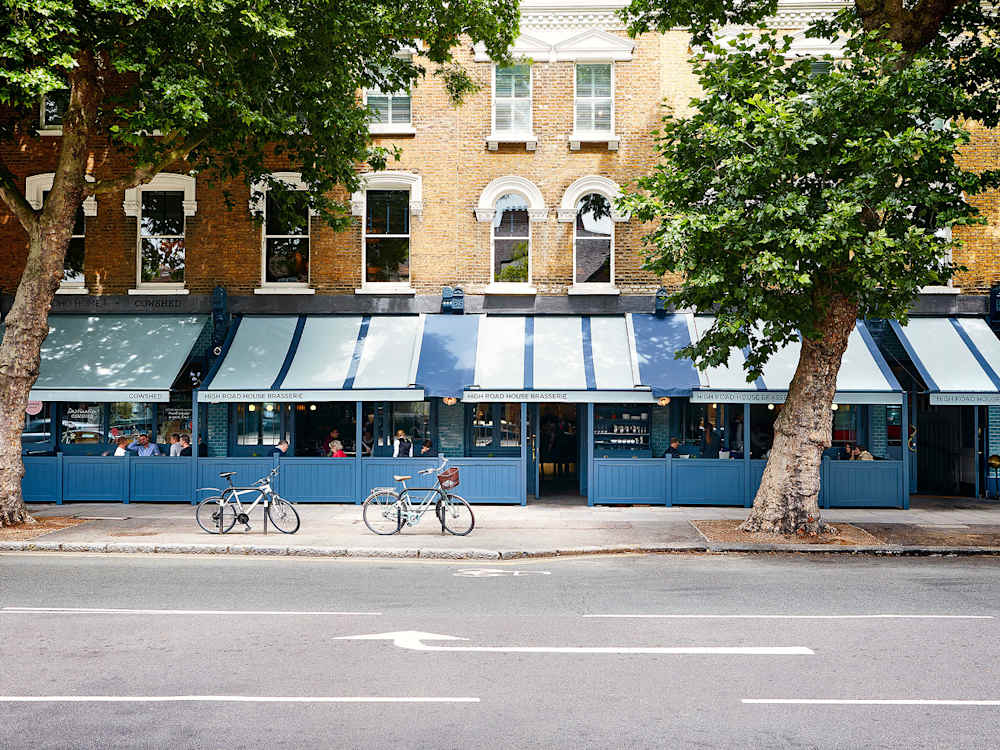
Where to stay: At High Road House hotel in Chiswick, an intimate hideaway decked out in art deco brass and brick accents,from which you can enjoy West London’s chic shops and cafés, before grabbing a 20-minute taxi out to Brent Meadow.
Start: Brent Meadow (Hanwell station)
End: Perivale Park (South Greenford station)
Terrain: Easy walking on uneven and narrow nature paths
Length: 3 miles, with the option to continue uphill
Highlights: The peaceful trickling of the clear shallow waters of the River Brent, and the wildflowers and pale roses of Horsenden Hill.
Historic walks
The Wapping foreshore
A Thames encounter
This East London trail is less a walk and more of a wander, or maybe even a ramble. Before heading out, make sure to check the Thames water level — the Wapping foreshore is only accessible at low tide. I love nipping down the narrow alleys and stairways of this peninsula at the edge of the City of London — it feels like a secret that’s revealed only to those lucky enough to be there at exactly the right time. London was built on the Thames, and every day new objects once dropped into the river resurface on the foreshore. You need a permit to join the ‘mudlarks’ hunting for treasure, but anyone can watch and wonder. No visit to Wapping is complete without a drink at the Prospect of Whitby, the pub from 1520 where a noose still hangs over the river as a memorial to those who met their end there.
Where to stay: The Ned City of London is a grand hotel that recalls old-city glamour — it’s also a members’ club with a huge wellness centre that’s ideal for easing up any tired leg muscles. It’s a short walk from where the route ends at the Tower of London.
Start: Shadwell Basin (Shadwell station)
End: Tower of London (Tower Hill station)
Terrain: Sandy and rocky by the water, with uneven stairs
Length: 1.5 miles, plus rummaging
Highlights: Peeking back through London’s 2,000-year history by wondering what these pieces of brick and ceramic were once part of, and the red bascule bridge at the entrance to Shadwell Basin.
The River Lea
Explore East London’s past and future

The River Thames is the undisputed king of London waters, but if you’re looking for something a little different there’s the River Lea, London’s other river. The Lea Valley Walk technically starts further up but for the highlights I suggest starting at Tottenham Lock and following the river south from there — this skips the uneventful reservoir and drops you straight into East London’s vibrant riverboat community and sprawling green spaces. This walk takes you through one of my favourite — albeit slightly grittier — areas of London, including Hackney Wick, London’s most expressive creative hub. There you can stop off for a drink at Grow to admire the street art by the water and maybe catch some live music; or detour to the Lord Napier Star to enjoy the roof terrace. From there the path is green and peaceful again, as the River Lea remains an intriguing reminder that no matter how busy London gets, there’s always more urban wilderness left.
Where to stay: The cosy and inviting, yet extremely stylish, Redchurch Townhouse in Shoreditch is the place to carry on exploring East London’s street art and creative scene. Located on one of Shoreditch’s most colourful streets, it’s just a few hops on the Tube from the end of the walk at Bow Locks.
Start: Tottenham Lock (Tottenham Hale station)
End: Bow Locks (Bromley-by-Bow station)
Terrain: Gravel paths and sturdy stairs
Length: 6 miles, or for the whole River Lea Walk from Waltham Abbey to East India Dock it’s 16 miles
Highlights: Watching a narrowboat operate the old-school locks that enable vessels to make their way up or down stream, and Paula Haughney’s ‘Nature’s Throne’ sculptures at Middlesex Filter Beds Nature Reserve.
Hotfoot it to our full collection of London hotels
Jessica Furseth is a culture journalist living in London. She writes about the city, wellbeing, belonging, and how we live now. Read more of her work on www.jessicafurseth.com or follow her @jessicafurseth on Instagram.