


Every summer, there comes a point when Copenhagen quietly empties. The pace softens, offices are deserted a little earlier on Fridays and conversations turn to one question: ‘When are you heading north?’
For generations, Copenhageners have escaped to North Zealand’s coast, where pine forests meet wide sandy beaches and seafood lunches stretch into the afternoon. Among the fishing villages and seaside towns, Tisvilde has long held a special place. It first became known as an artists’ colony, where painters and writers sought out its extraordinary light, forests and wild coastline. During Scandinavia’s long summer evenings, daylight lingers over the Kattegat sea until late, bathing the landscape in the shifting light that has inspired many to pick up a brush and palette.
For visitors, this tradition makes for the perfect itinerary: spend a few days immersed in Copenhagen’s galleries, restaurants and design scene, then follow the locals north for a slower rhythm of forest walks, coastal cycling and dinners by the water.
In the city
Copenhagen: design, culture and long lunches
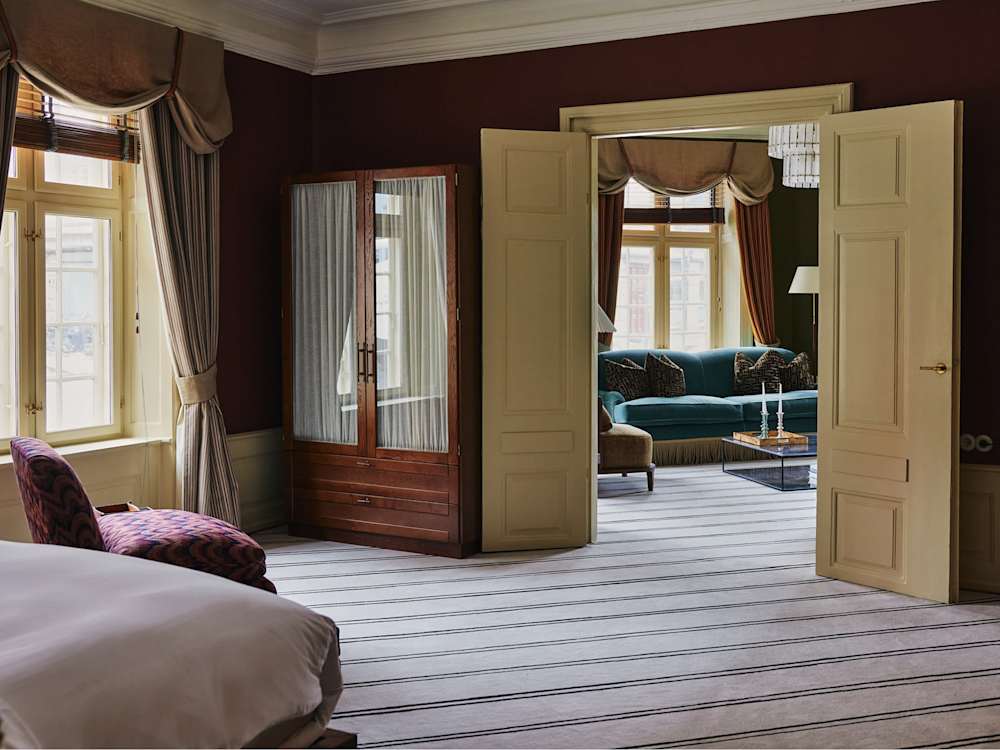
Hotel Sanders
Base yourself at Hotel Sanders, which is tucked away on a quiet street behind the Royal Danish Theatre. It feels worlds away from the crowds despite sitting in the very heart of the capital, making it a good starting point from which to explore Copenhagen on foot.
Leave the hotel early and head towards Amalienborg Palace, home to the Danish royal family. It actually comprises four identical rococo palaces that frame an octagonal square, which are open to the public, allowing visitors to nose around one of Europe’s few in-use royal residences. Beyond, the copper-green dome of Frederik’s Church (better known as the Marble Church) rises above the rooftops. Despite its royal setting, the square feels remarkably accessible, with locals cycling across it and daily life carrying on in close proximity to one of Europe’s oldest reigning monarchies.
Continue through the elegant streets of Frederiksstaden to Frama Studio Store, housed in the former St Paul’s Apothecary. The beautifully restored 19th-century pharmacy is now home to both the homegrown furniture and lifestyle brand and Apotek 57, a café that has become one of Copenhagen’s favourite morning spots, thanks to its exceptional coffee, buttery pastries and simple, seasonal breakfasts.
From here, you’re a short walk from The David Collection, one of Copenhagen’s best-kept cultural secrets. While renowned for its remarkable collection of Islamic art, the museum is also a showcase of well-preserved Danish interiors that provide an intimate glimpse into the city’s past. Afterwards, drop into nearby Etage Projects, whose programme of contemporary exhibitions is a fresh counterpoint to the morning’s history. Then continue around the corner to Koné to shop for beautifully crafted leather bags and accessories.
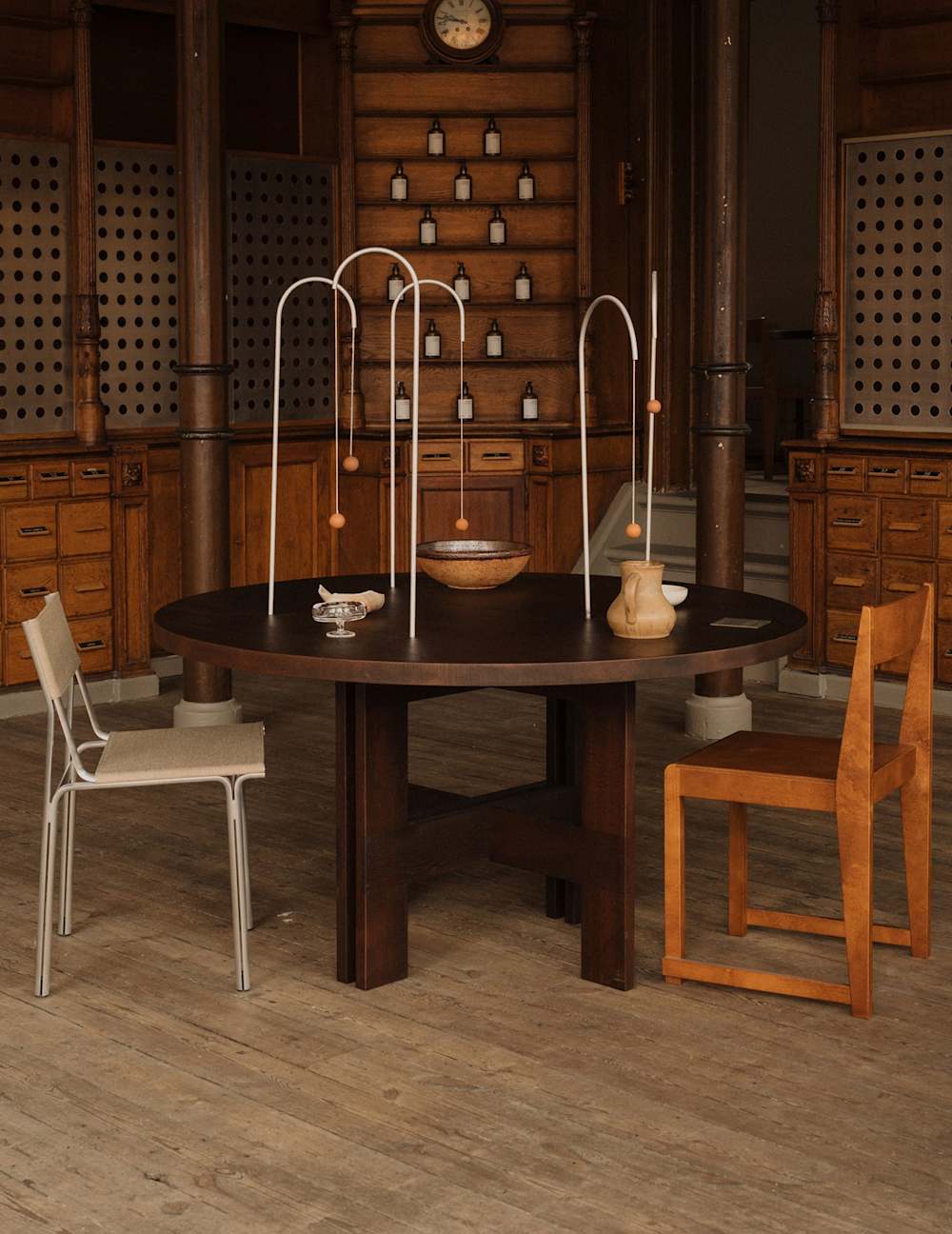
Frama Studio Store
By now it’s time for lunch at Bottega Barlie. On warm days, you’ll find the most sought-after tables outside, overlooking the ochre-hued houses of Nyboder. Order seasonal sharing plates, add a bottle from the thoughtfully curated wine list and linger over a couple of vermouth and tonic digestifs.
Spend the afternoon exploring the charming Store Strandstræde, a drag lined with independent boutiques that capture Copenhagen’s understated sense of style. Browse MKDT Studio’s minimalist womenswear and the impeccably made bed linen, towels and sleepwear at the longstanding Copenhagen institution Geismar’s.
Then hit colourful Nyhavn, where historic merchant houses line the canal, before returning to the calm of Hotel Sanders, pausing in its intimate cocktail bar or leafy courtyard with a martini or a glass of champagne before dinner.
Round off the day at Locale 21. Its dining room is intimate, the menu changes with the seasons and the cooking is precise without ever feeling overworked. It’s the sort of restaurant you’ll wish you had in your own neighbourhood.
On the coast
Tisvilde: where Copenhagen spends its summers
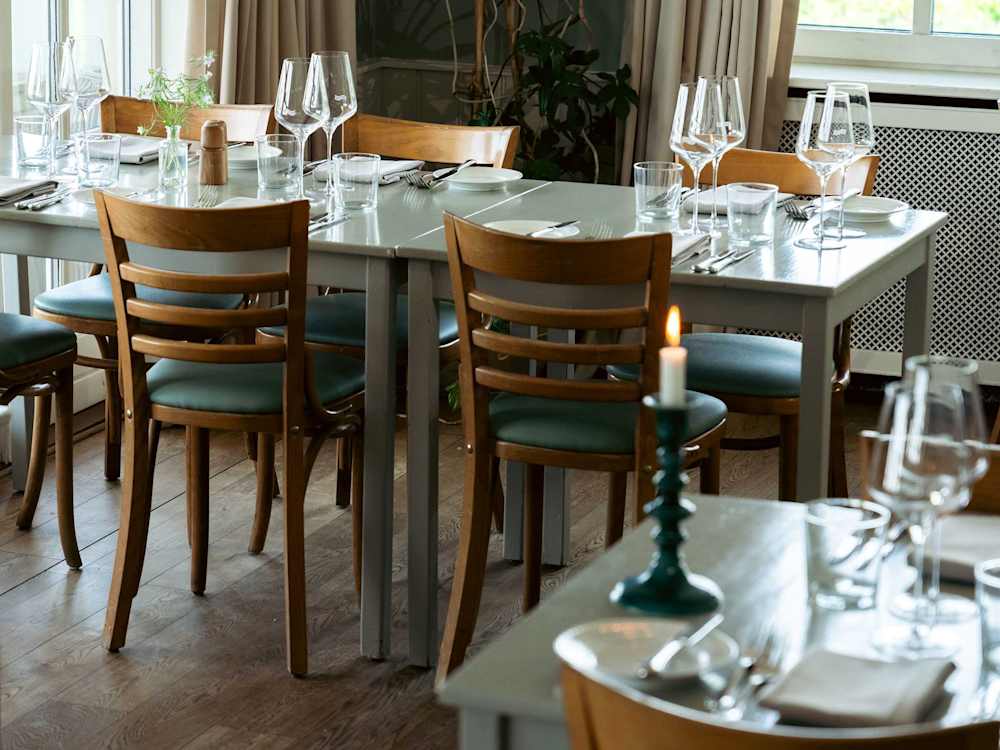
Helenekilde Badehotel
Now do as the Copenhageners do and head north. In just over an hour’s drive, the city gives way to pine forests, sandy beaches and the Kattegat waters between Denmark and Sweden. Few places capture the atmosphere of a Tisvilde summer better than Helenekilde Badehotel. Overlooking the sea, the 19th-century hideaway has welcomed summer guests for more than a century and remains one of the town’s natural gathering places. It’s as much a destination for locals as it is for hotel guests — you’ll see both at lunch, sipping wine on the terrace or enjoying dinner by the water.
A staircase leads directly from the hotel to the beach, so start your day with a swim before breakfast. Afterwards, pull on your walking shoes and head into Tisvilde Hegn, one of Denmark’s largest coastal forests. It was planted centuries ago to stop drifting sand dunes from swallowing nearby villages. Today, its winding trails weave past pine trees and silver birch, and over heath, before reaching the coast.
What began as an artists’ colony has evolved into a creative summer community, where architects, fashion designers, chefs and ceramicists (and the odd Hollywood actor) return year after year.
If you’re exploring by car, continue east to Rudolph Tegners Museum. Tegner, one of Denmark’s leading Symbolist sculptors, designed the monumental concrete building himself, setting it in protected heathland, and surrounded it with many of his own sculptures. The building is striking enough on its own, but the vast sculptures inside make it one of the country’s most memorable sights.
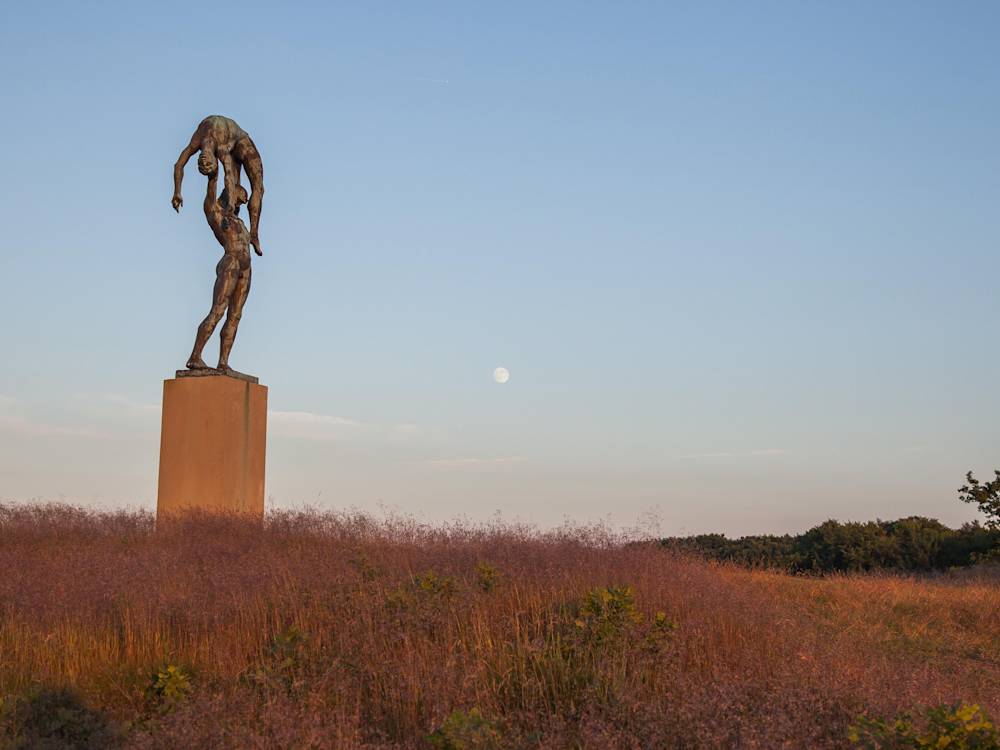
Rudolph Tegners Museum, by Henrik Sylvest
Back in town, rent one of the hotel’s bicycles and cycle over to Rabarbergården for lunch. It’s set on an organic farm in nearby Holløse and attracts a clientele that values good ingredients over white tablecloths. Much of what’s served comes from the neighbouring fields or the on-site bakery.
Stop by The Little Café for a kaffehygge stop (the Danish equivalent of a fika), then wander through the small streets that lead back towards the sea. Tisvilde has become more fashionable in recent years, but it still feels noticeably less polished than some of North Zealand’s other seaside towns. By late afternoon, bicycles outnumber cars. People stop for an ice cream on the way back from the beach, pick up strawberries and new potatoes from roadside stalls, and move at an unhurried pace.
Dinner is at the hotel’s Restaurant Kilden, where local produce is used in Scandi-leaning comfort eats: potato croquettes with gammel knas cheese and truffle, lobster rolls and elderflower tarts, plus flødeboller, the Danish marshmallow treat. By late evening, Helenekilde’s terrace becomes the town’s dress circle as conversations continue beneath the late Nordic summer light. Spend an evening here and it’s easy to understand why, every summer, Copenhagen heads north.
Need to know
Getting there: Fly into Copenhagen Airport and follow the locals in taking the Metro straight to the city centre (a 20-minute journey on the M2 line); from the Kongens Nytorv stop, Hotel Sanders is about a five-minute walk away. To reach and explore Tisvilde, renting a car gives you the most freedom, particularly if you want to cruise along the north coast of Zealand. However, public transport is user-friendly; you can take the train from Copenhagen to Hillerød, then change for Tisvildeleje.
Getting around: Copenhagen is compact and everything on this itinerary is within walking distance. In Tisvilde, go on foot or rent a bicycle. In summer, don’t be surprised to see Danes pedalling through town in swimsuits and bathrobes on their way to or from the beach.
When to go: June to August is the classic Danish summer season, with long, light evenings and a high chance of warm weather. May and September can be particularly lovely, too, with mild, sunny days.
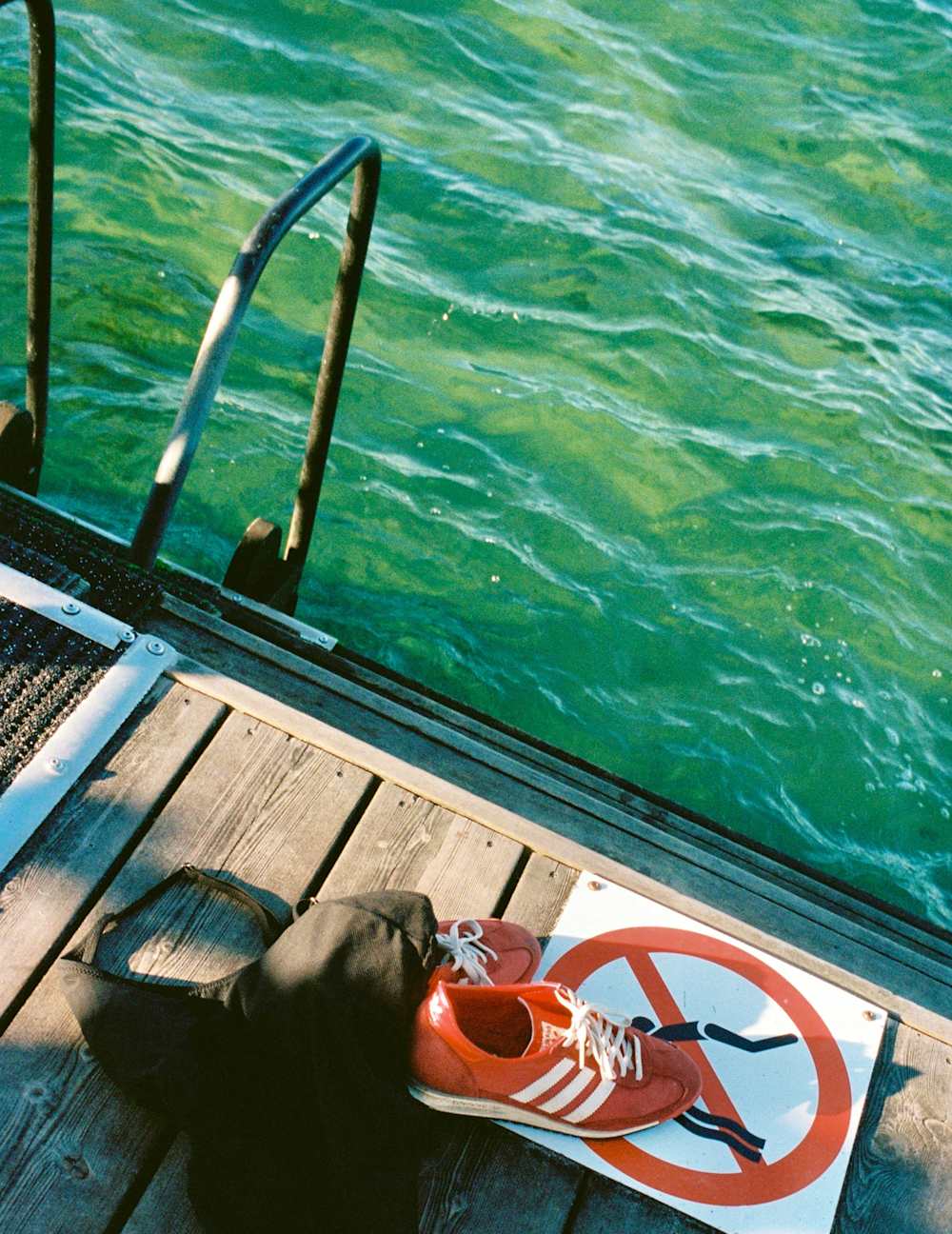
Pack your swimsuit: Even in Copenhagen, swimming is part of everyday life. On a warm day, locals jump into the harbour between meetings, shopping and lunch. In Tisvilde, the Kattegat is a popular swimming spot.
Eat with the seasons: Try the great sourdough bread and pastries from local independent bakeries. In summer, there’ll be new potatoes with plenty of cold butter, as well as fresh peas and sweet strawberries. These simple seasonal staples are among the highlights of a Danish summer.
Don’t over-plan: Follow the weather and your mood. A sunny morning is for swimming; a cooler afternoon might call for a museum, a long lunch or a walk through the forest. Leave room for an extra coffee, another swim or a dinner that lasts longer than expected.
Discover our guide to the ideal weekend in Copenhagen, whatever the season; eat your way around the Danish capital or get on your bike
Anne Christine Persson is an editor and journalist covering fashion, art, design and travel. She’s also the host and editor of the Skin Community podcast, and the author of Danish fashion-reference book Dansk Modeleksikon.