


Those living in Lisbon know how to drink well; so much so, the city feels calibrated for easily sipping your way from neighbourhood to neighbourhood. Its best wine bars feel intimate, offer delicious, paired snacks and small plates, have walls lined with bottles, and often tables and chairs spilling out onto cobbled pavements, where the tell-tale sign the bar is worth its salt is the hum of local accents.
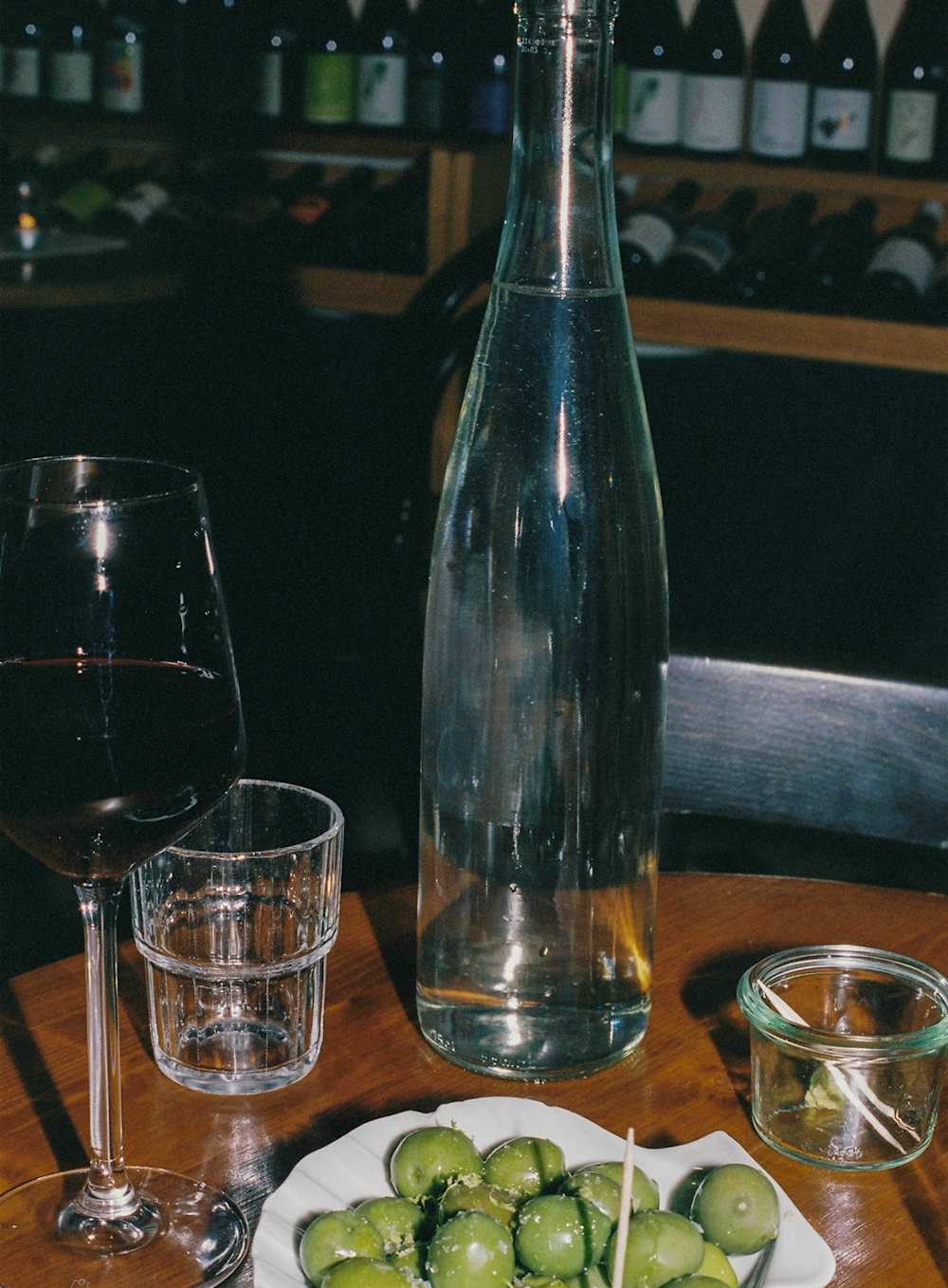
Portugal’s long tradition of small-scale winemaking paved the way for the capital to become a forerunner in the natural-wine scene, and its bars are part of its cultural DNA. It’s through the bottom of its many glasses that you’ll get to know the city best. From candlelit neighbourhood hideaways to all-day bottle shops that turn into impromptu parties, this guide shows you the Lisbon wine bars worth building a weekend around.
Insaciável
The wine: There’s no menu here, instead staff ask your wine preferences and the varietals you usually go for, then select some to taste. It favours small-batch wines, largely Portuguese low-intervention sips such as TAU! Curtimenta’s savoury, skin-contact wine from the Vinho Verde region, made using spontaneous fermentation (using both the seeds and skins). Wine by the glass starts from about €6, and there’s also a special focus on Bordeaux, where owners Caroline Bos and Arnaud Quinty hail from.
The food pairing: A short but well-formed small-plates menu is written on the chalkboard outside. A must-order dish is the roasted baby potatoes doused in chimichurri, chilli and olive oil and umami-rich jamón ibérico slices; but the charred padrón peppers, briny oysters and crème brûlée make tasty additions.
Good for: The bar’s not just a tourist tick-off spot. It’s where the locals hang out. It’s busy with people who likely stopped for spontaneous drinks that quickly eat into the evening, sitting at tables sprawled across the wide pavement.
The neighbourhood: Artsy Santos has a bohemian feel. It’s not dominated by landmarks, but the area itself is an attraction. Here, tall mansions, once lived in by wealthier Alfacinhas (Lisbon dwellers) are clad in the city’s signature azulejo tiles, and the streets are full of shops selling homewares and speciality coffee shops.
The hotel: Just an eight-minute walk away is The Verse, which from the outside looks like a grand hotel, but is actually a collection of 15 apartments with the feel and detailing of a luxury hotel.
Locals & Nomads Natural Wine Bar & Shop
The wine: The team here champions low-intervention and emerging producers (and often female winemakers) from Portugal and beyond — there’s a very strong by-the-glass selection. On ‘Winesdays’ they uncork something rare not usually offered by the glass. If you find something you love, you can buy a bottle to take home.
The food pairing: Cheeses and meat plates with bread and olives that encourage grazing between glasses.
Good for: Day drinking that rolls gently into a sunset aperitivo; or head here for post-dinner drinks.
The neighbourhood: Graça is one of the city’s highest regions, and so is gloriously filled with miradouros, Lisbon’s famous viewpoints dotted around the city. Locals & Nomads has harnessed the views, and this part wine bar, shop and neighbourhood hangout has become known for good value, with glasses starting at €5, and for its sunset views.
The hotel: Stay at Memmo Alfama, a former shoe-polish factory, which has sophisticated yet low-key interiors, cinematic views from its rooftop and is within easy wandering distance to Lisbon’s more historic neighbourhoods.
Parra Bistro
The wine: The thoughtful drinks list changes regularly at Parra, with wine bottles divided by terroir. Expect skin-contact whites from the Azores and elegant Bairrada reds. For an exciting, sparkling organic, go for the Con Altura pét-nat, a vibrant apricot-coloured wine, with notes of orange blossom and juicy stone fruit that are intensely aromatic.
The food pairing: Wonderfully moreish small plates — like pork-cheek croquetas or tuna ceviche in an orange dressing to share — sit alongside larger plates such as corvina (white fish) with green asparagus or Alentejan black pork. Flavours are big and complex.
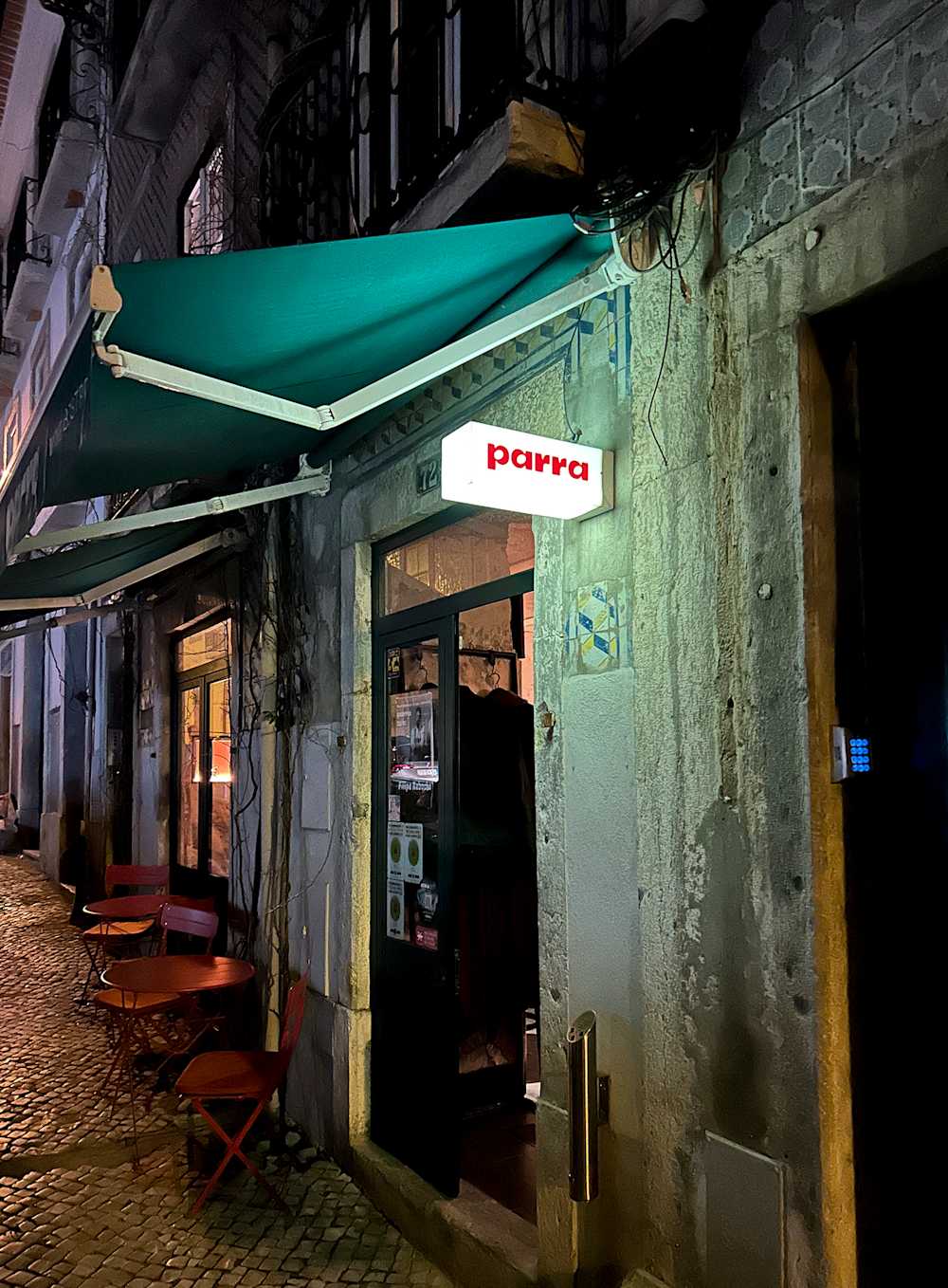
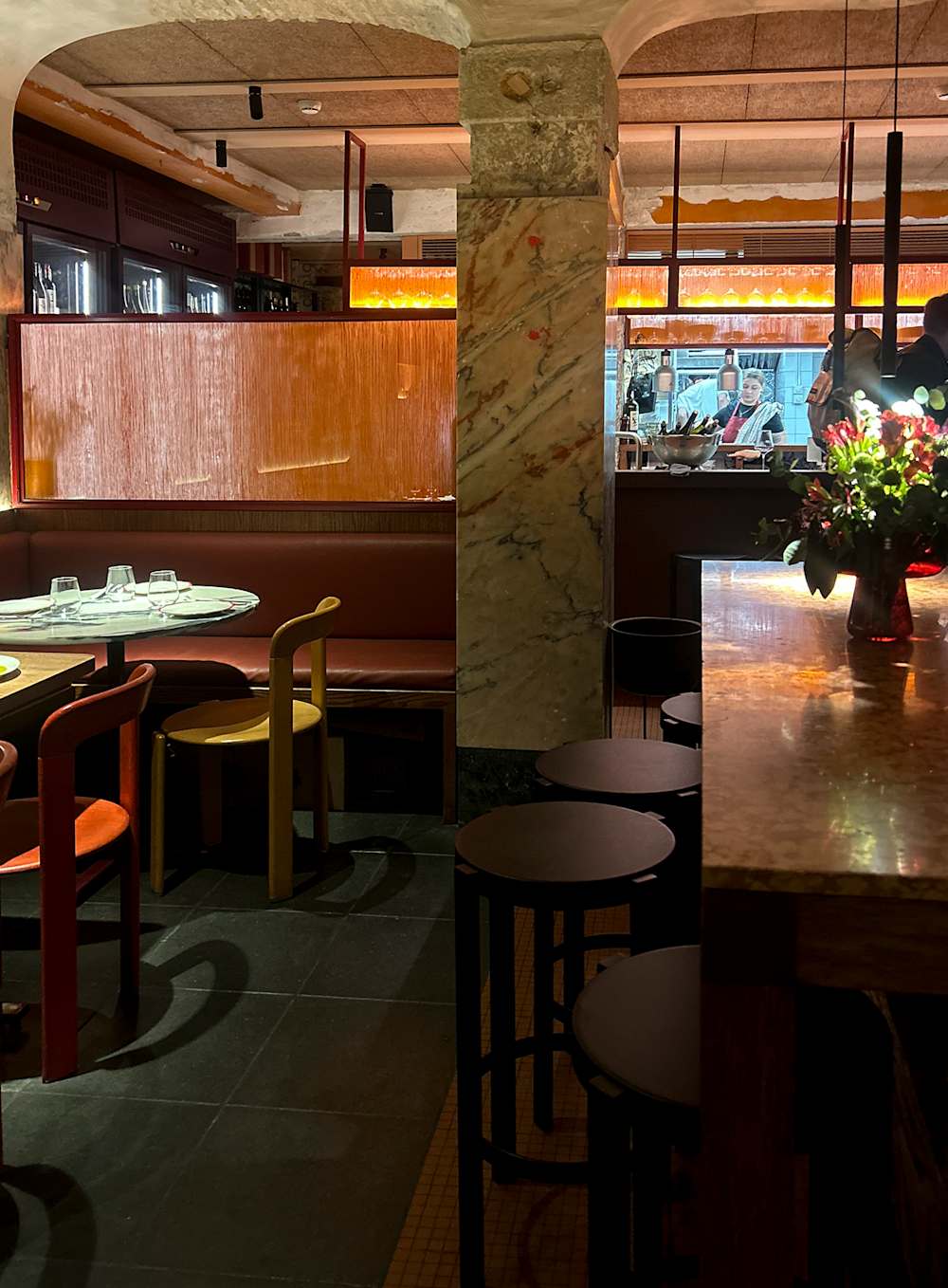
Good for: Popping in without a reservation for a few glasses and some small plates; or settling in for a longer date-night dinner.
The neighbourhood: The historic Madragoa neighbourhood is a quiet residential part of the city, with buildings that have peeling pastel façades and cafés where locals linger late into the evening. It’s close enough to Lisbon’s nightlife to feel lively, but just removed enough to escape the crowds. Inside, Parra is moodily lit with seductive red-marble accents and clay walls lined with bottles.
The hotel: The Lumiares hotel is a 20-minute stroll away. A minimalist, apartment-style stay with plenty of locally sourced and Portuguese-made furniture inside, its rooms have kitchenettes, or you can dine and drink at its two restaurants and a rooftop bar.
Prado Wine Bar
The wine: The wine list is dominated by Portuguese organic and biodynamic viticulture, with bottles sourced from small producers. Try the Cabeças do Reguengo Equinócio Branco, an intense white field blend made from ancient vines grown 1,000 metres above sea level; or a jammy yet silky 2020 Phaunus Amphora Vinhão red wine from Vinho Verde that’s been fermented and aged in traditional amphorae clay pots.
The food pairing: This is the sister bar to Prado Restaurant, so the food isn’t an afterthought. Seasonal dishes might feature cod with creamy chickpeas, or oyster mushrooms with pickled mustard seeds.
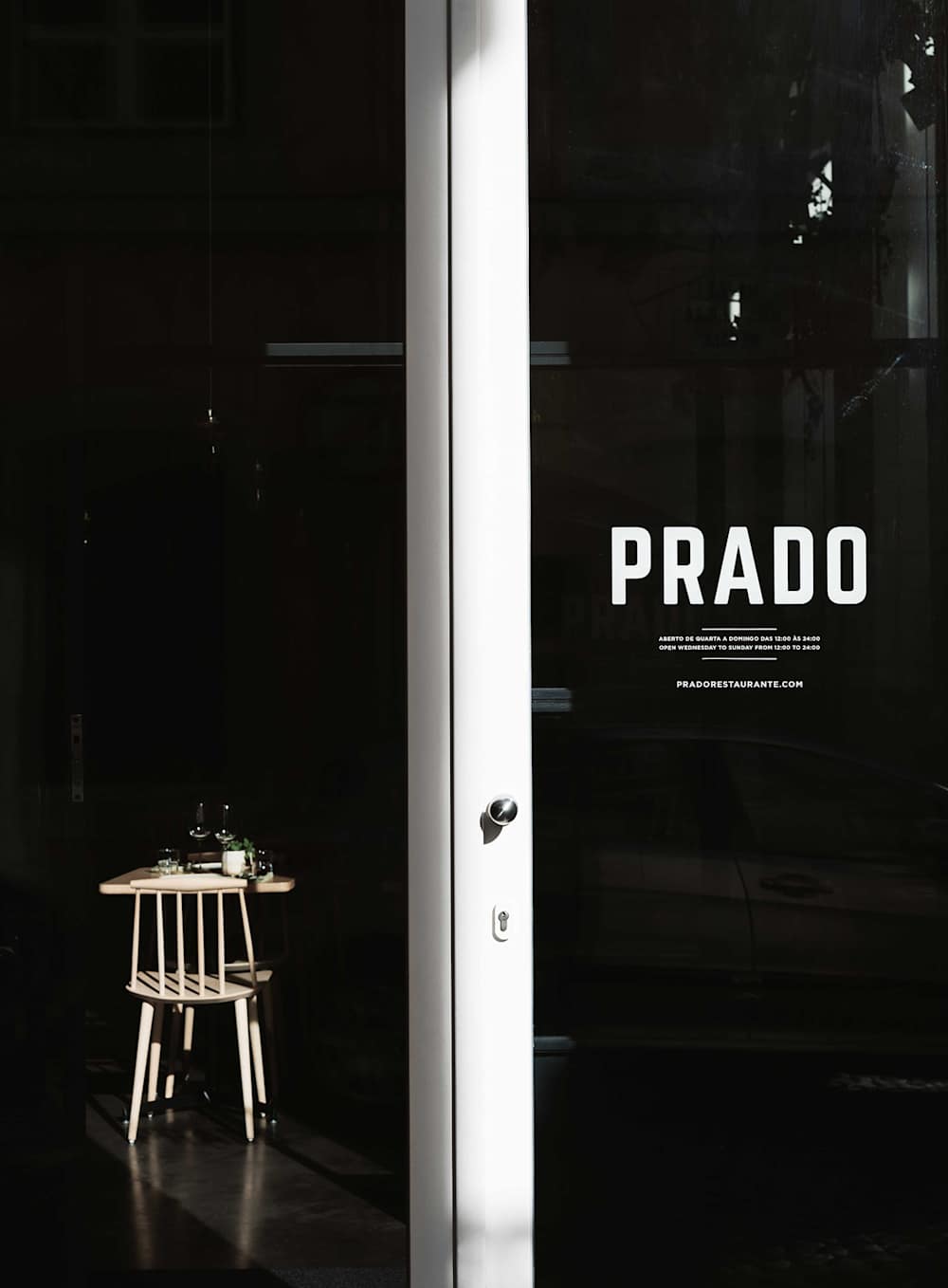
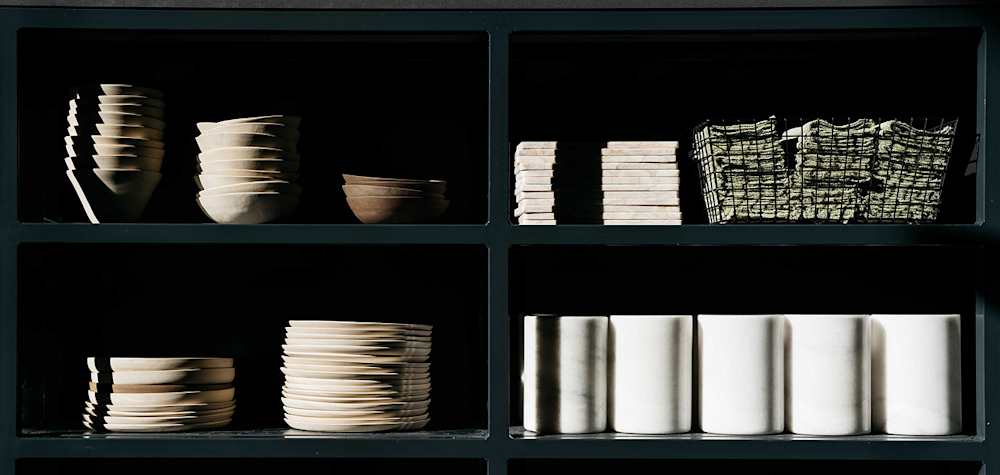
Good for: A large communal table makes it an easy place for solo glasses of wine, while smaller tables suit laid-back nights. It’s advisable to book ahead, but walk-ins might get lucky.
The neighbourhood: Prado sits in the historic Baixa region, right in the heart of the city, which is one of Lisbon’s oldest neighbourhoods. It’s surrounded by centuries-old architecture and the city’s main sights.
The hotel: The Lisboans aparthotel is part of the same group that owns Prado. Its stylish residences sit above the restaurant in a vast, former factory building with original industrial features. And the wine bar is just a few steps away.
Holy Wine
The wine: Holy Wine champions indigenous Portuguese grape varieties; there’s no menu, but the knowledgeable staff can be trusted to pick something delicious for you. Many of its wines are wild fermented or unfiltered; if it’s available, try a glass of Chavost champagne, from an organic vineyard in Épernay, which has apple and pear notes and a chalky minerality.
The food pairing: Holy Wine mostly serves casual bar snacks; think dinky Neapolitan pizzas, charcuterie or cheese plates, Cantabrian anchovies and sourdough focaccia; for dessert the cheesecake is the must-try.
Good for: Late-night drinks as it’s open until midnight on weekends.
The neighbourhood: Estrela is one of the city’s prettiest areas, with wide boulevards lined with jacaranda trees and old trams rattling past. Holy Wine is the kind of place you could easily walk past, as its sign is discreetly spelt out in tiles by the door, but the group of people drinking outside will give you a clue to its whereabouts.
The hotel: Elegant, adults-only hideaway Montecarmo 12, in the nearby Príncipe Real neighbourhood, is just a 15-minute walk away. The traditional townhouse’s renovations are Scandi-inspired but plenty of original Portuguese features have been retained.
Red Nose
The wine: At Red Nose, you’re as likely to discover a Portuguese pét-nat from the Alentejo region as an unexpectedly brilliant chilled red from the Douro region’s Boina Tinto winery. Plus there are many selections from beyond Portugal: L’Écailler from France’s Loire Valley, a complex white with a naturally high acidity; or perhaps Grecian bottles from Kamara Pure’s natural vineyard in Thessaloniki.
The food pairing: Grazing plates of French cheeses and charcuterie are the order here but keep an eye out for regular pop-ups that might include Kurdish tapas or Brazilian-inspired dishes.
Good for: This is a relaxed hangout away from the tourist circuit. Plan your visit around one of its many themed, expert-led tasting events, or book your own private session.
The neighbourhood: In Campo de Ourique, one of Lisbon’s most liveable and least touristy neighbourhoods, Red Nose feels entirely local in the best possible way. The area has many independent shops and green spaces, like Jardim da Estrela, and feels like a stripped-back version of the Lisbon most visitors know.
The hotel: The Vintage Hotel & Spa is a short taxi ride away, which has a fun take on retro-glam interiors, with plenty of velvet textures, warm lighting, mid-century details and bold colours.
Still thirsty? Get your sips in with the world’s best wine hotels, or skip the hangover with a spot of vinotherapy