


A few weeks ago, taking inspiration from the late, great celebrity cook Keith Floyd and his seminal series Floyd on France, I decided to follow his example and set off on a road trip from Calais to Brittany, via various gourmet hotspots. The plan: to explore regions I had never properly visited in search of memorable meals, wonderful wine and places I had heard reverent whispers about over the years.
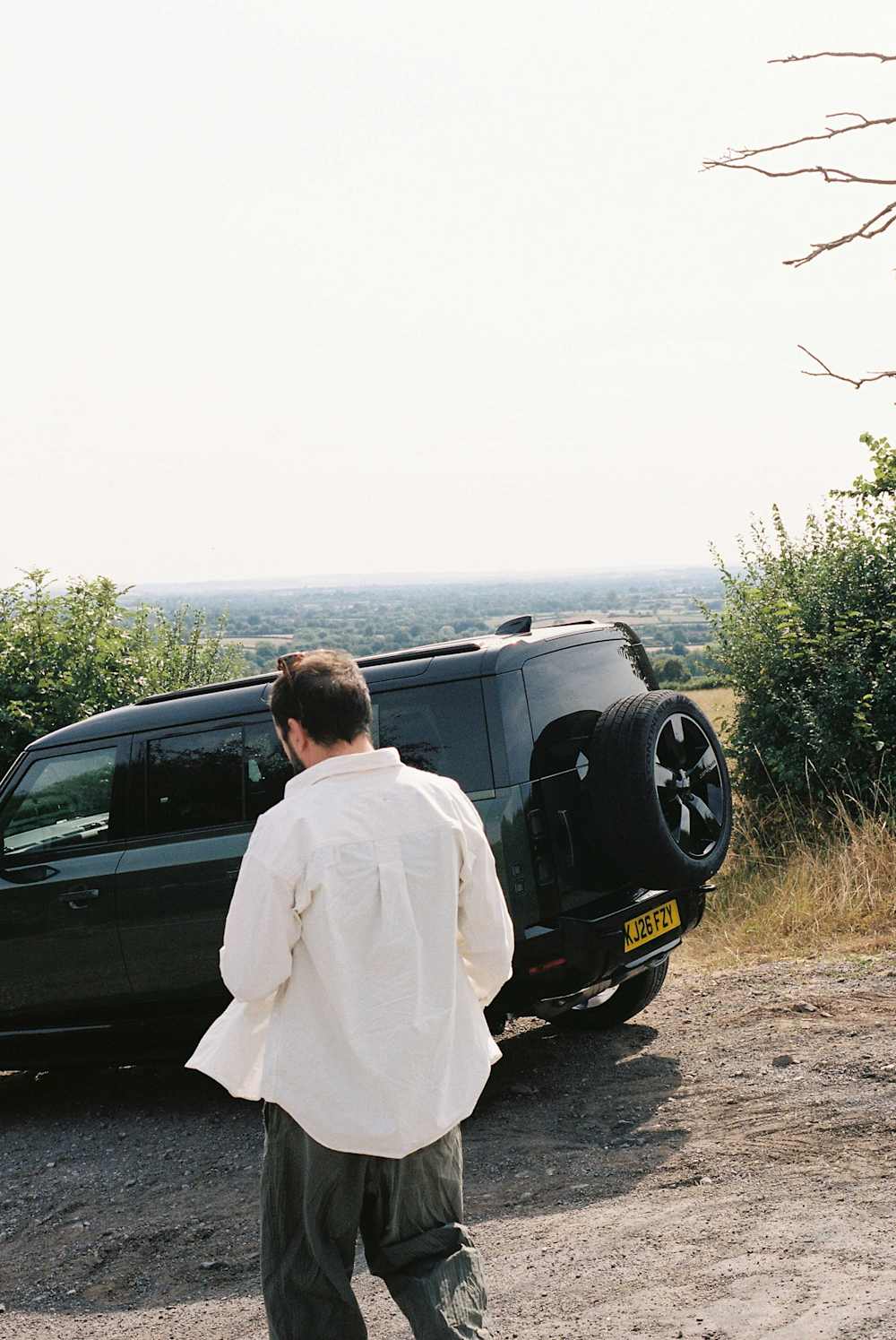
As luck would have it, The Out — a car-hire company specialising in luxury vehicles (with whom Mr & Mrs Smith members can get a discount via Smith’s member-benefits hub [see our hub for offer terms and conditions]) — agreed to lend me a new ride, which they duly dropped off at my restaurant Osip in Somerset. This set the wheels in motion (so to speak), and with a full tank of petrol, very few sensible ideas and a lot of driving on the right-hand side of the road, what followed was a wonderful adventure.
Days 1–2: Somerset to the Opal Coast
Drive time: Just under five hours, including a 35-minute Folkestone-to-Calais transfer on Le Shuttle.
It was convenient that my favourite restaurant in the world is just a 40-minute drive from the Calais terminal of the Eurotunnel. And so, the trip kicked off — as all great ones should, in my opinion — with an outstanding meal at two-Michelin-starred La Grenouillère. This farmhouse eatery offers authentic yet bold French cookery by lauded chef Alexandre Gauthier in an idyllic setting. It made a wonderful first stop; surrounded by streams and greenery and set close to the picturesque village of Montreuil, it felt well worth the long drive from Somerset.
It was a very hot day, and when we arrived at the restaurant and auberge, we were taken across a bridge to the garden, where we enjoyed a cooling glass of herbaceous lemonade, a buttery sablé biscuit and a paddle in the river. We were staying in one of the wooden huts in the garden, partly buried below ground and camouflaged amid the foliage, with straw covering the roof. Inside, the rooms were beautifully minimal in design, with a bed, a hidden bath tub, a wood-burning stove and a bathroom made from natural stone.
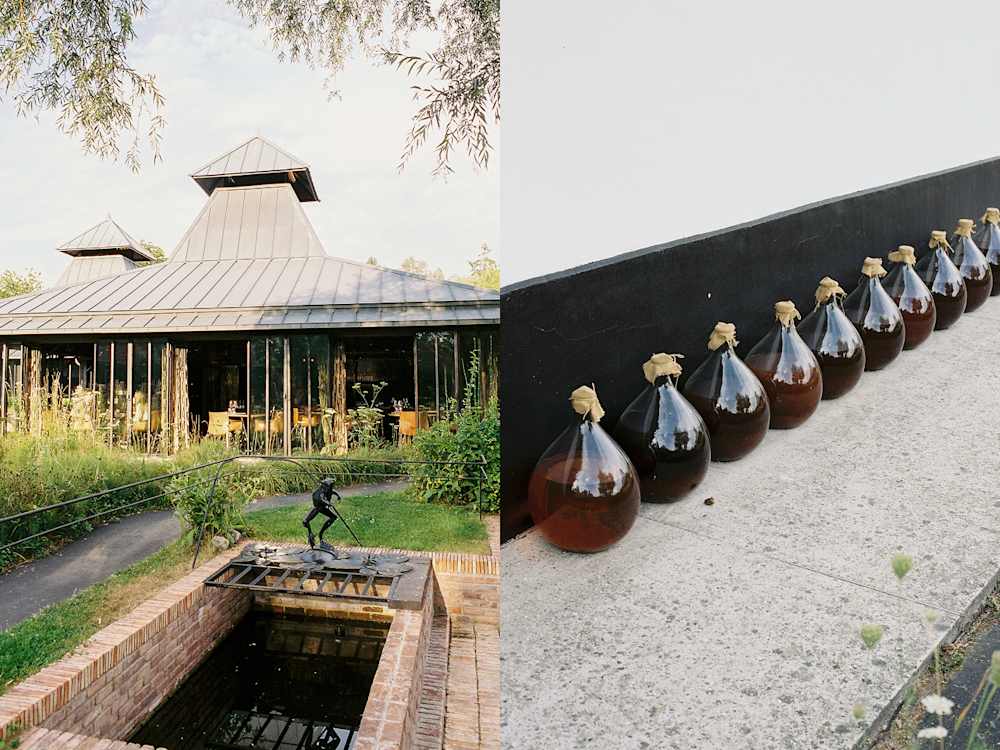
La Grenouillère
After freshening up, we enjoyed a Negroni in the courtyard, made with the auberge’s own gin, walnut wine, Amaro and a little sea salt. This was followed by a three-and-a-half-hour dinner. It’s difficult to describe the cooking of Alexandre Gauthier without comparing it to poetry or theatre. But it is exquisite modernist cooking that remains completely rooted in its surroundings: an immersion in the world of the chef that could only exist in one place and could never be replicated.
It feels pretentious to describe it in such a way, but in reality, La Grenouillère is an honest restaurant. The staff are generous, charming and incredibly warm and welcoming; everyone is having a nice time; and there’s a magic that permeates every encounter.
We slept well that night and enjoyed a leisurely breakfast the following morning before packing our bags and returning to the road, this time in the direction of Reims and Champagne.
Days 2–4: onwards to Champagne
Drive time: Three hours.
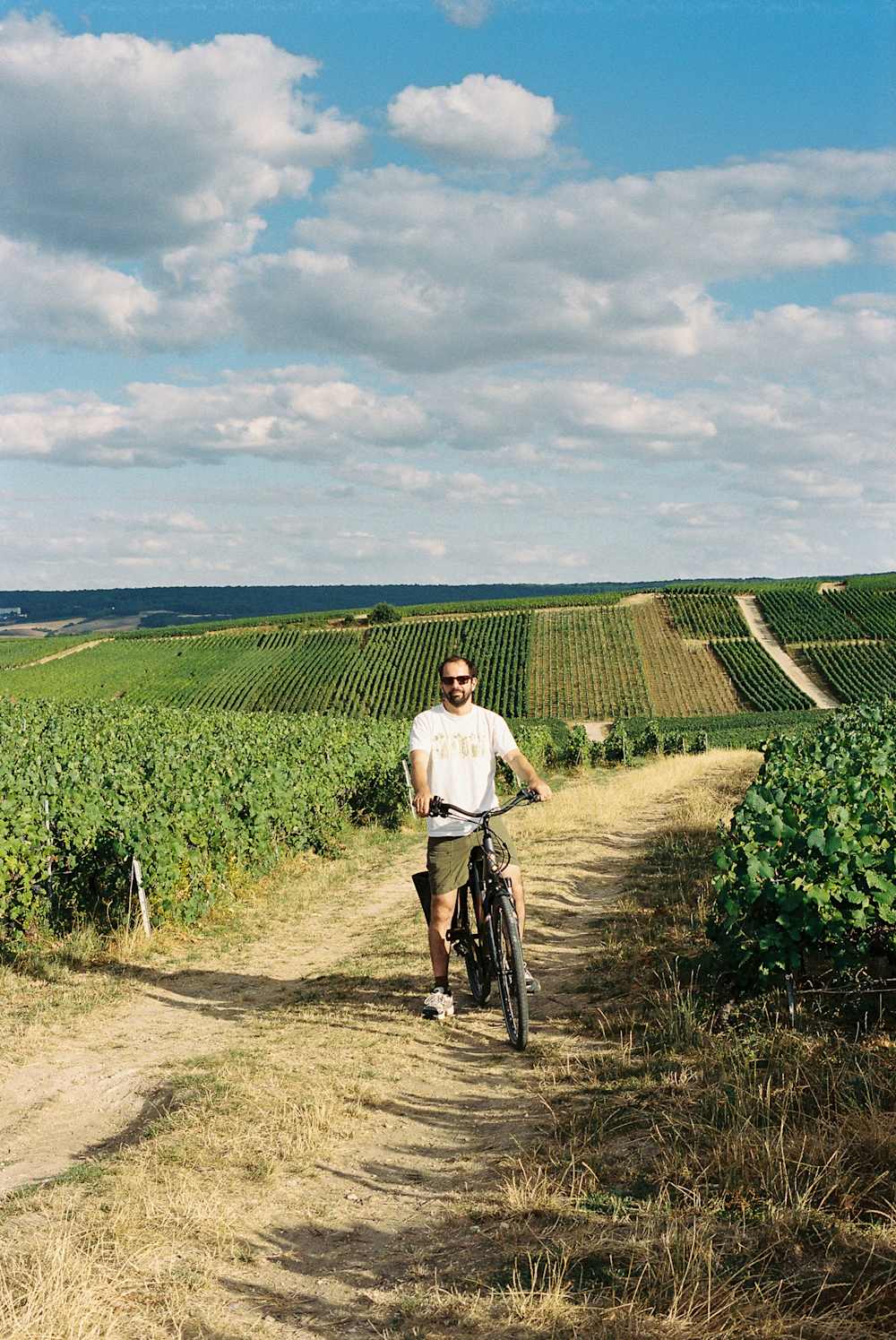
The drive from Calais to Reims is not the stuff of road-trip legend, but it is quite unexpectedly beautiful. The coast disappears and the landscape opens into the broad, cultivated plains of northern France. Mile after mile of wheat fields, little villages and avenues of poplar trees pass by, with very little to interrupt the rhythm of the road. By the time the first signs for Champagne appear, the land has flattened out and become greener, with fields of vines replacing the monotonous plantings of rapeseed, sugar beet and wheat.
We checked into Château de Sacy, a grand residence turned hotel dating back to the 1850s, perched just above the village of Sacy and surrounded by vineyards. The sauna was waiting for us, and we refreshed ourselves by plunging into enormous oak wine barrels which were — somewhat disappointingly — filled with cold water rather than champagne.
Next up, a trip to Reims, where we visited the Cathédrale Notre-Dame, a masterpiece of Gothic architecture. We wandered through the city, stopping for oysters at the Halles du Boulingrin market and eventually sitting outside a place called Sacré Burger, which was essentially a burger restaurant with an improbably long and intellectual list of grower champagnes. Being a fan of both the former and the latter, I saw no reason to look any further for dinner. I am pleased to report that my decision was entirely vindicated; it was great.
The next morning, we enjoyed a hearty breakfast at the château, in the glazed extension overlooking the vines, before returning to Reims, this time for a rendezvous at Maison Ruinart. I partner with Ruinart at Osip to stock a particular champagne called Blanc Singulier, so I was interested to learn more about the team’s relationship with the vineyard and the surrounding ecosystem, particularly their work focused on biodiversity, soil health and vitiforestry.
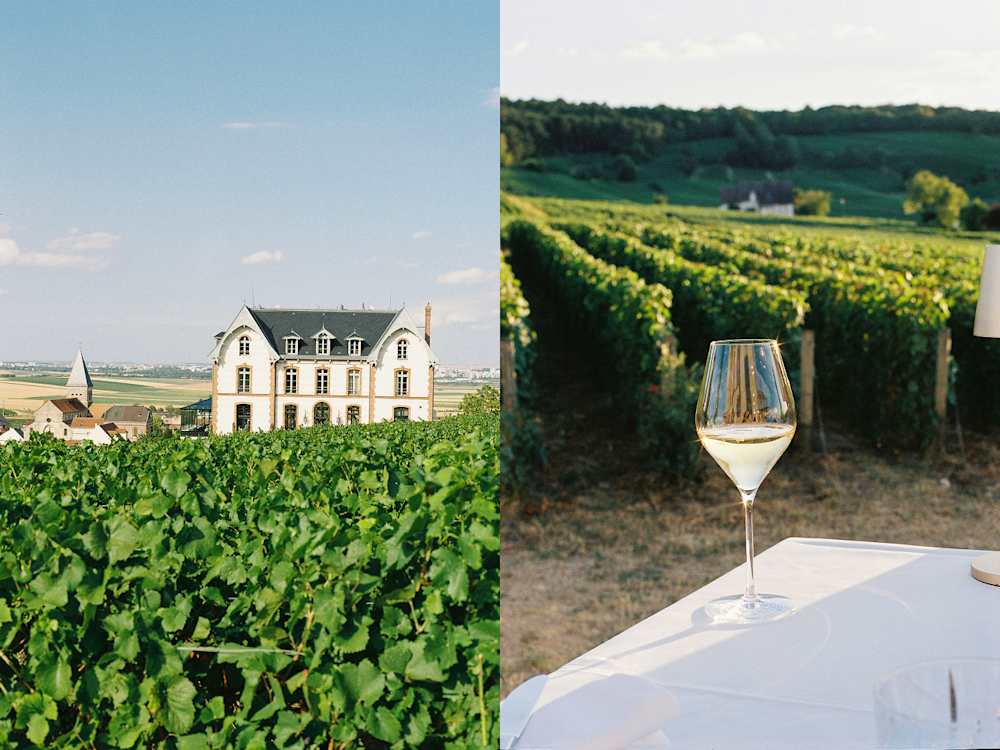
Château de Sacy
I was fascinated by Ruinart’s famous chalk cellars, or crayères, which naturally maintain a temperature of around 10 to 12°C, allowing the wine to mature underground without energy-intensive refrigeration. There is something rather satisfying about discovering that one of the most ancient features of the Maison is also one of its most naturally efficient.
Ruinart also has an unusually deep connection to the arts, and I enjoyed seeing works from its Carte Blanche artistic residency, for which contemporary artists are invited to spend time at the Maison to be inspired by its vineyards, cellars and surroundings.
It seems an entirely natural relationship: champagne is, after all, an exercise in transformation, and artists are rather good at that, too. Of course, I also had to drink some vintage champagne from the depths of the cellar. I promised not to publish which vintages I was allowed to taste, as it wasn’t entirely clear whether I should have been tasting them at all. What I can say is that they were extraordinarily good.
We had dinner outside at the château that night — I recall a beautifully cooked piece of trout, some grilled beef and a courgette tart. The sun set dramatically over the vineyards. It was a suitably bourgeois end to a day spent exploring one of the more glamorous corners of France.
Days 4–6: Champagne to Burgundy
Drive time: Three hours.
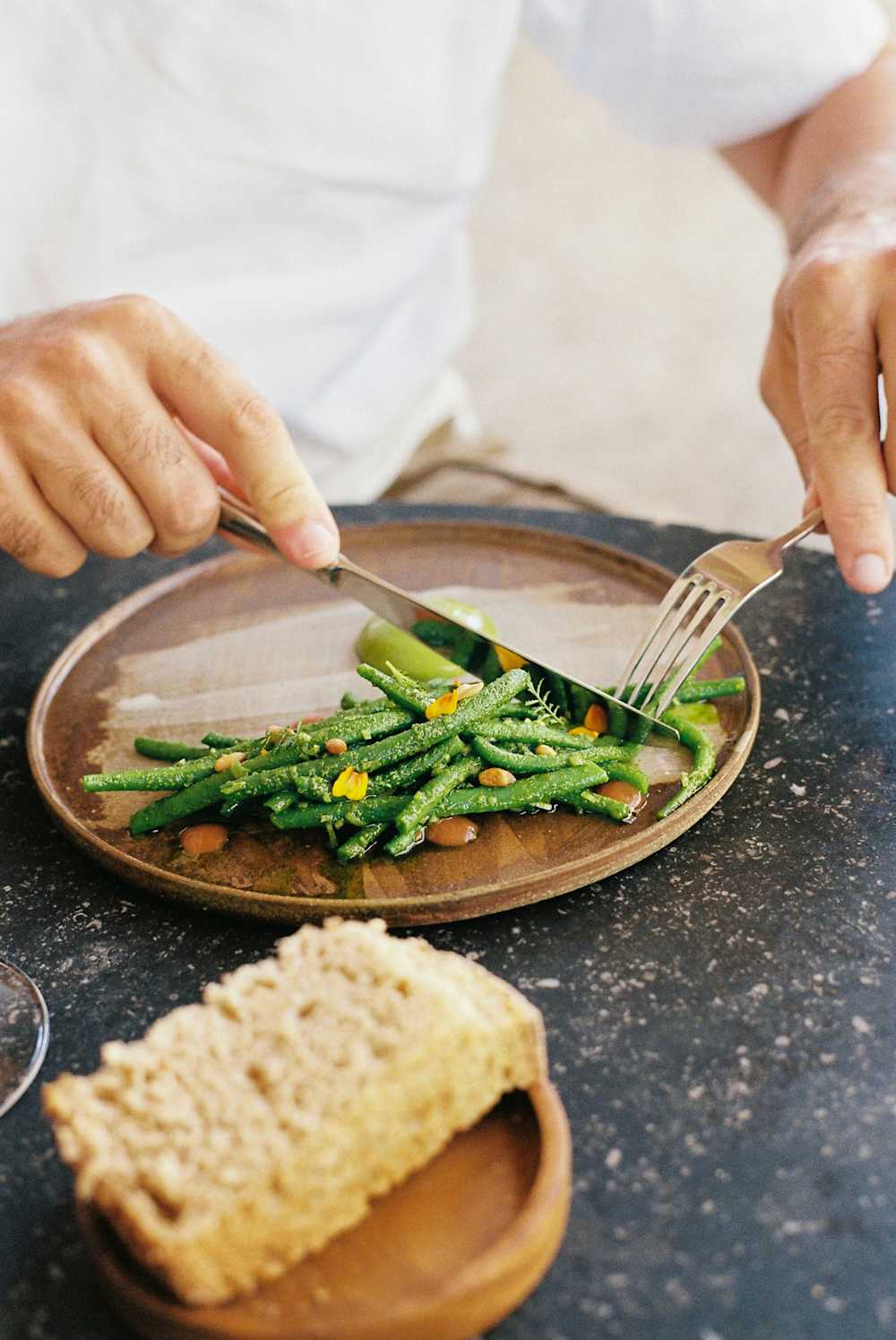
Le Garde Champêtre
The drive south from Reims towards Burgundy felt like a gradual change of costume. The wide, open fields of Champagne slowly gave way to a softer, more undulating landscape, with forests, sleepy villages and the occasional church spire appearing between the trees. Eventually vineyards began to feature, in increasingly orderly rows, a reassuring indication that we were entering Burgundy. The road became narrower, the landscape prettier and, inevitably, our thoughts turned towards lunch.
We stopped in the Aube Champagne region, which borders Burgundy and is far less polished than Reims. I’d heard about Le Garde Champêtre, a restaurant in a former SNCF railway depot. Set in the tiny village of Gyé-sur-Seine, the former warehouse has been transformed into a vast, light-filled dining room, with seven-metre-high ceilings, an open kitchen and an enormous fireplace at its heart.
Outside, an organic farm and vegetable garden provide much of the kitchen’s produce. The whole thing feels less like a restaurant with a garden and more like a farm that decided, rather successfully, to start feeding people. The kitchen is led by Japanese chef Kazuya Miyashita, whose cooking brings a more international sensibility to the very French surroundings. We loved every dish and can’t think of a restaurant better suited to a road trip — it was exactly halfway between our point of departure and our destination.
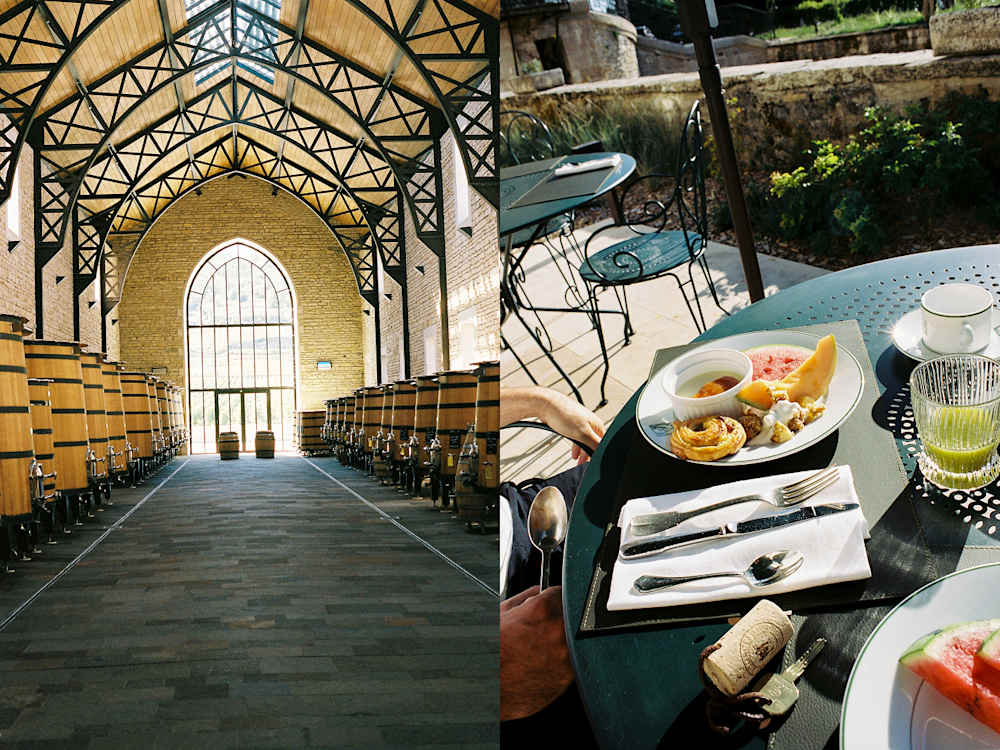
The destination in question was Les Sources de Vougeot hotel, which occupies the Château de Gilly, a former Cistercian priory dating back to the 14th century. Encircled by a moat, the château is surrounded by the Côte de Nuits vineyard, just a few minutes from the legendary Clos de Vougeot’s vines. The property has been restored with a light touch: original masonry, terracotta floors and antique woodwork sit alongside contemporary art.
Les Sources de Vougeot
The real showstopper sits beneath the château: a wine cellar transformed into a Caudalie spa. The original vaulted stone ceilings arch over two swimming pools — it’s an extraordinary place to swim: less spa day, more monastery chic. I think the old monks and abbots of Cîteaux would have enjoyed themselves here.
During our stay we visited two wineries: the fabled Domaine Faiveley and Le Clos du Moulin aux Moines. The latter was founded in the 10th century by the monks of Cluny Abbey. All this tasting was making us hungry, so we booked into a place called La Ferme de la Ruchotte, a restaurant that takes the farm-to-table concept to its logical conclusion: the chef is also a farmer, a vegetable gardener and, impressively, a collector of rare chickens.
And he has yet another great passion: heavy-metal music. Frédéric Ménager loves his electric guitar as much as his poultry, and the farmhouse is decorated with photos of his musical heroes and signed memorabilia. It’s an extraordinary juxtaposition: ancient French-breed chickens tended to by a chef, covered in tattoos, with his heart in both the kitchen and the mosh pit.
The food was spectacular and it was here that we enjoyed my favourite meal of the trip: whole, fresh frogs, sautéed with garlic and parsley. Delicious.
Days 6–8: Burgundy to the Charentes
Drive time: Just under five hours.
After a final breakfast at Les Sources de Vougeot, which included apple crumble, we left Burgundy and began the long drive south-west towards the Charentes region, stopping first at the market in Beaune. It seemed rude not to. A bustling affair that spilled through the old-town streets, it offered a cheerful jumble of produce, cheeses, condiments, sweets, flowers, baskets and more. We wandered around stocking up on provisions, including a bottle of Meursault and a spectacularly pungent Epoisses cheese. Laden, we returned to the car and continued south-west.
Domaine des Etangs
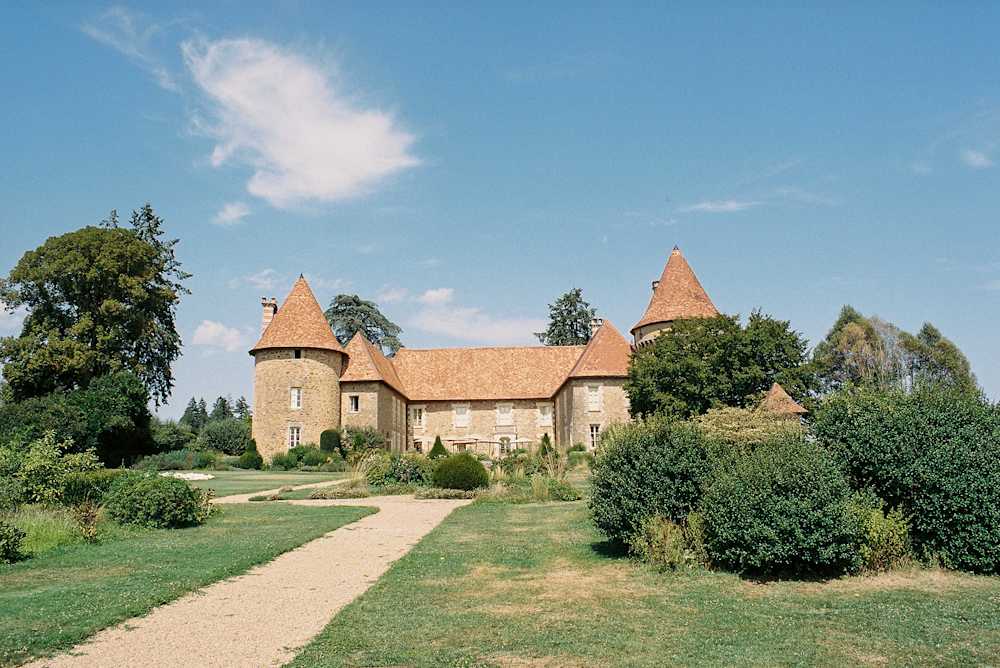
We arrived at Domaine des Etangs in the afternoon, the stop I had been most looking forward to. Set over more than 1,000 hectares of forests, meadows and lakes, the estate centres around a 13th-century château, complete with turrets and a moat so large it makes you wonder whether the owners might still occasionally repel an invading army. Despite its extraordinary scale, the place doesn’t feel grandiose. It’s more like an exceptionally beautiful family home than a hotel, with its stone-and-timber interiors, and collections of antiques, books and modern art. Surprisingly avant-garde sculptures are on display throughout the estate, so wandering around the grounds became a treasure hunt.
In full holiday mode, we picnicked with a bottle of white and the aforementioned cheese, surrounded by a herd of Limousin cows. We swam in the lake, read books, went for walks and played a game called Mölkky, a Finnish outdoor throwing game. On the last morning, we rode horses around the estate before jumping back in The Out’s trusty car to drive to Brittany.
Days 8–10: The Charentes to Brittany (via Normandy)
Drive time: Five hours to Normandy, a further hour’s drive to Brittany.
Auberge Sauvage
We headed north towards Mont Saint-Michel, passing through the Loire Valley on the way. It was the longest drive of the trip, but also one of the most beautiful, taking us through a whole new swathe of French countryside.
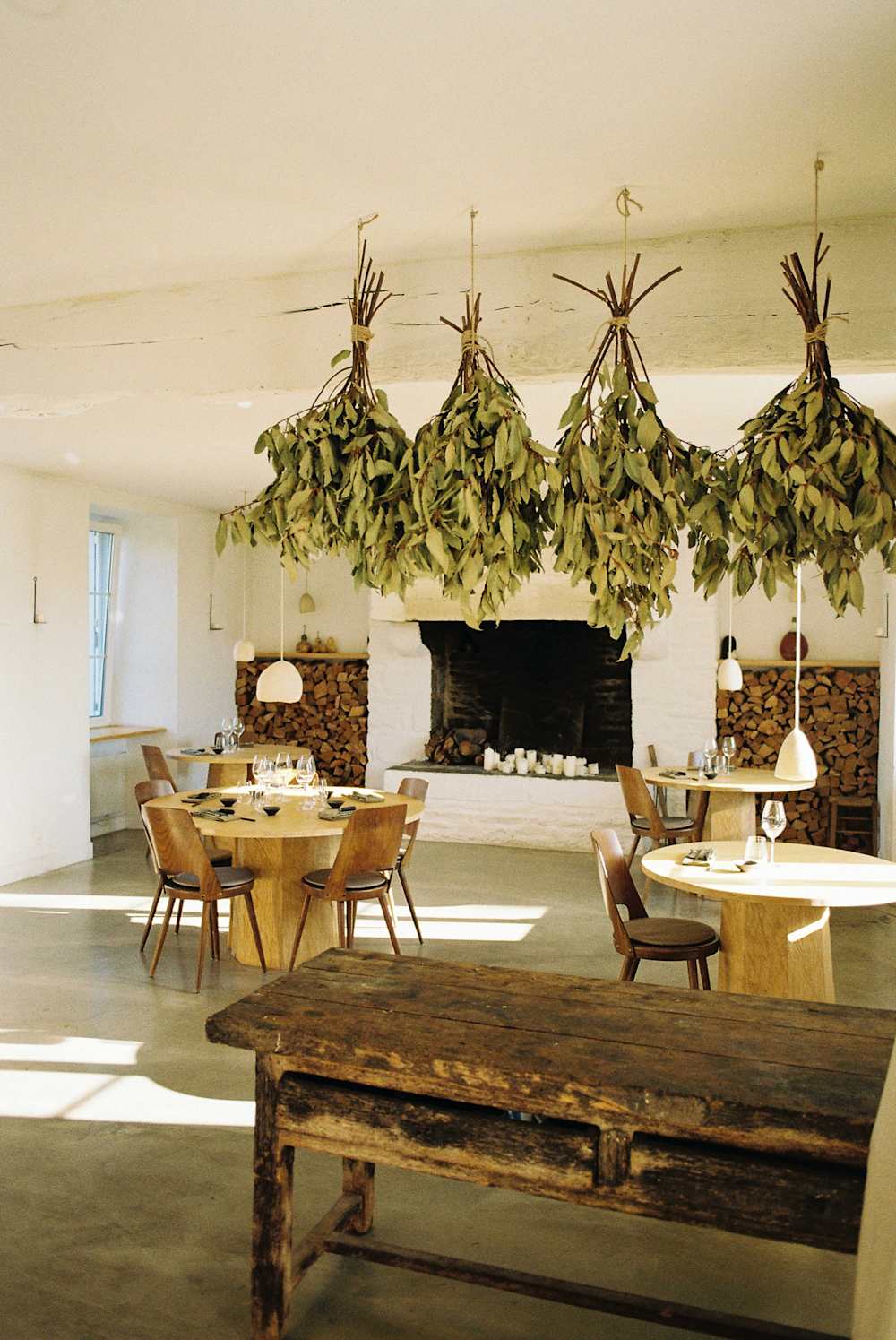
Our first stop was the Norman village of Servon, where we spent the night at Michelin-starred Auberge Sauvage, a traditional stone restaurant with an orchard, wild garden and an excellent menu composed almost entirely of vegetables grown on the owners’ land. We then slept very well at a simple yet comfy bed and breakfast next door. It felt wonderfully familiar; after the grandeur of the châteaux and vineyards we had visited earlier in the trip, it offered a refreshing change of pace.
The following morning, we attempted to visit Mont Saint-Michel but wildly underestimated both the traffic and the number of tourists who had had the same idea. We drove past it and — I must say — it looked spectacular; sadly, we had an important lunch engagement to attend to, one we couldn’t sacrifice for a sightseeing stop.
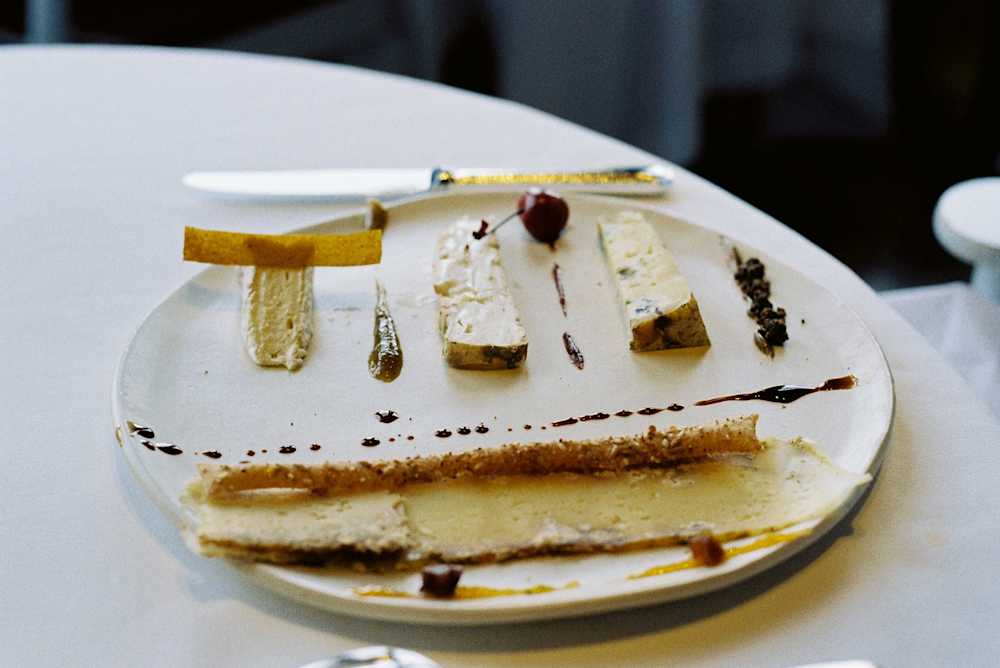
Le Coquillage
We were due at Le Coquillage in Brittany, a restaurant overlooking the sea that belongs to chef Hugo Roellinger. The food is an expression of Mont Saint-Michel Bay, naturally focused on fish and seafood. Roellinger’s cooking has a wonderfully restless quality: there’s familiar Breton produce, but — using spices, herbs and seaweed — the resulting dish becomes something unexpected. Our meal felt like a culinary journey along the coast, with an occasional detour to somewhere more exotic.
After lunch, we crossed the bridge to Saint-Briac-sur-Mer, and as we drove across the harbour, we saw Le Nessay hotel, perched on a hilltop, looking out over the Emerald Coast. After check-in, the receptionist kindly directed us towards a beach called La Salinette. It was perfect: fine white sand, rows of little white bathing cabins, striped umbrellas and French families making the most of the summer. That evening, we wandered peacefully around the town, ate galettes bretonnes (buckwheat crêpes) for dinner and reflected on our adventure as it drew to a close.
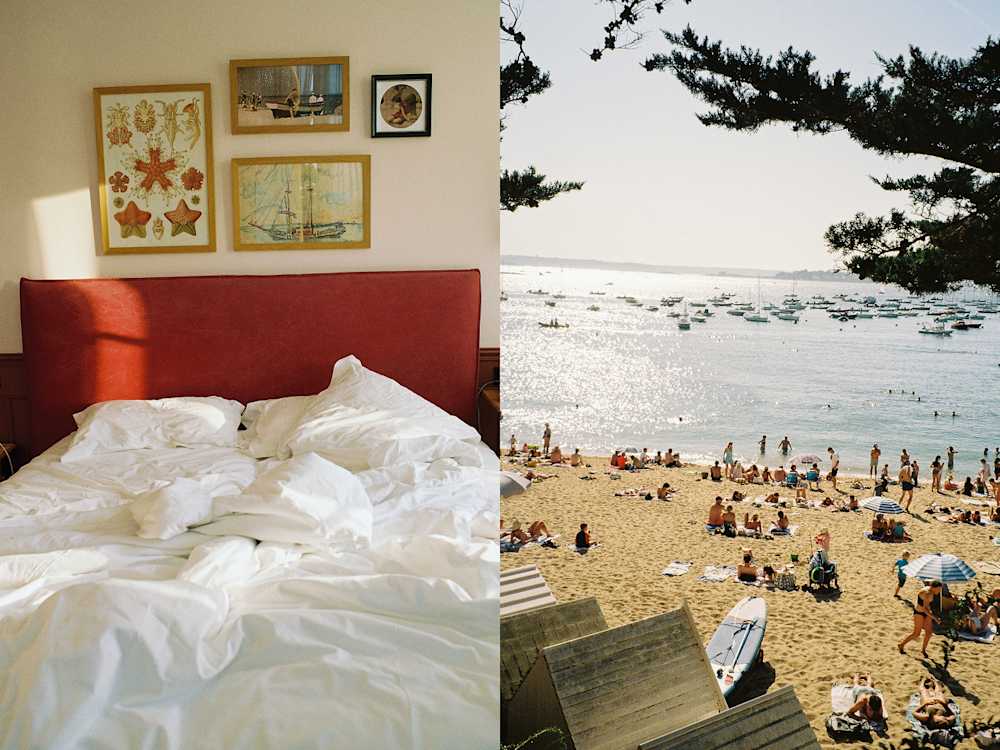
Le Nessay
After so many days of driving, eating, drinking and generally taking France very seriously, there was something quite lovely about ending the trip with the humble pleasures of a swim in the sea and a crêpe for dinner. It was the right way to finish: in an old fishing village, looking out over the ocean, watching the boats drift in the evening light.
Follow the route with our hotels in Champagne, Burgundy and Brittany; see more of France with a cultural road trip from Côte d’Azur to Provence; and sign up for Mr & Mrs Smith membership to travel in style with The Out