



By London standards, Clerkenwell is relatively low-key. It’s lighter on postcard sights and leaves hipster swagger to Shoreditch next door, and people actually live around its serene Georgian garden squares (a word of warning: you’ll never be more tempted to buy a townhouse). But its laidback feel masks centuries of political dynamism, dining revolutions and historic intrigue, which you can discover without those pesky tourist hordes.
Our guide to a weekend break in the Clerkenwell area shows you the London restaurants that changed the way the city eats (and are considered some of its best), markets both visceral and vibrant, mediaeval relics and mod design, and gives you a touch of the Dickens. Plus, we’ve shortlisted the neighbourhood’s coolest hotels.
WHAT NOT TO MISS
Let’s start from the very beginning at Well Court, where the 12th-century well the neighbourhood is named after can be viewed by appointment. There’s only so long you can stare at a hole in the ground, so swing south towards Farringdon, pausing as you go to snap pictures of St Paul’s Cathedral’s magnificent dome in the near distance. The very-early-morning meat slinging of Smithfield Market is sadly due to end in 2026, but the London Museum will be moving into its spectacularly storied Victorian building (which has an impressive tiled dome of its own). Here’s where wives were once sold in lieu of divorce, new ‘bumarees’ (porters) got an offal-splattered initiation, and William ‘Braveheart’ Wallace was hung, drawn and quartered — a little further south, on the outer wall of St Bartholomew Hospital (near the carpark), you’ll find his memorial plaque. From there amble down Cock Lane, where 18th-century Londoners would conduct séances to commune with the ghost of a poor deceased resident dubbed ‘scratching Fanny’ (because she allegedly clawed at the walls), which was later revealed to be a hoax. We’re not making this up, we swear.
You can visit Charterhouse’s rare Tudor remains and monkishly quiet cloister gardens for free, or book a tour to hear tales of philanthropy and the plague. And contained in and around the photogenically turreted St John’s Gate — outside which Shakespeare’s plays were often first performed — is a museum about the namesake ancient religious order and its St John’s Ambulance legacy. Nearby, in stark contrast, is architect Amin Taha’s 15 Clerkenwell Close, a divisive ultra-modern structure with a stone exoskeleton, and the Zaha Hadid Foundation where the visionary designer’s works are showcased. Both are nods to the creative current here, which runs strongest during May’s annual Clerkenwell Design Week, when hundreds of installations pop up throughout the neighbourhood.
There’s a different kind of radicalism at play at the Marx Memorial Library, where Lenin published his Iskra paper, and today left-leaning talks are held. Charles Dickens’ forays into Farringdon’s slums inspired him to advocate for better social conditions in his writings — both Oliver Twist and Nicholas Nickleby were written at his former home on Doughty Street, now a museum. For kids, The Postal Museum might sound as much fun as licking an envelope, but its mini train rides along decommissioned antique delivery tunnels up the thrill factor; or stoke a love of Roald Dahl and other beloved children’s books at the Quentin Blake Centre for Illustration. At the far north of the neighbourhood, there’s dance and drama at Sadler’s Wells Theatre.
WHERE TO BREAKFAST
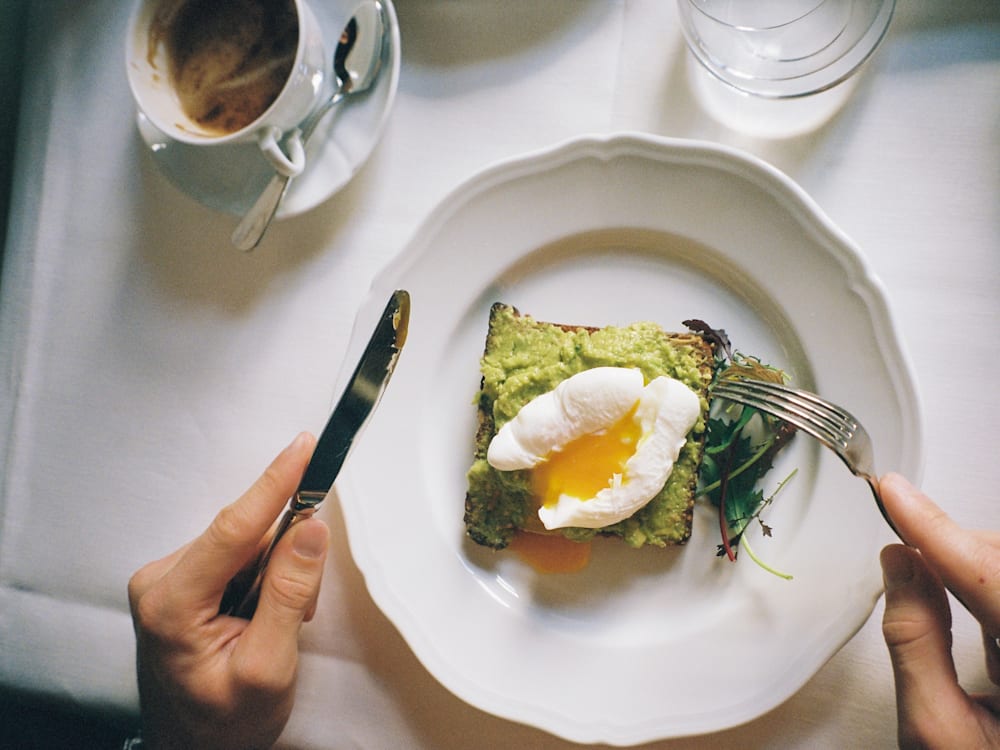
One of the most enduring legacies of Italian immigration to the Clerkenwell area in the 18th century is a certain culinary niche: eateries that are part deli, part ‘greasy spoon’ café. Take La Forchetta (92 Cowcross Street), who’ll pile every single configuration of meat and egg into a panini, at prices that’ll make you overlook its Comic Sans sign. But the realest deal is beloved Beppe’s: it’s a leather booth, squeezy plastic ketchup bottles and genuine family photos on the wall kinda place — talk to whoever’s serving and they’ll happily regale you with tales from the cafe’s past.
Alternatively, try to beat the locals to a table at Cafe Maya (114 Farringdon Road), renowned for its cheap and cheerful nature; or find brunch with a more exotic bent (maple-sesame granola with spiced yoghurt, jalapeño cornbread with mojo verde) at Caravan.
WHERE TO GET A COFFEE
Briki specialises in kick-to-your-head Greek-style coffee, cult espresso freddos and other excellent iced drinks, all sourced from roasters in Athens. Pair with something flaky and delicious like spanakopita or bougatsa. On Leather Lane, staff at Prufrock will give even the nerdiest coffee-lovers a run for their money, and as much thought is put into the provenance of their food as their beans. If you’re as enthusiastic as they are, book one of their day-courses in brewing, latte art and more. On a sunny day, swing by the Clerkenwell Kiosk for a coffee and ice-cream cone to enjoy in surrounding St James’ Gardens.
SHOPPING AND STYLE
For quirky independents and under-the-radar vintage, Clerkenwell’s got you covered. Start your spree along Exmouth Market: get cheeky Letterpress prints, rude beanies and Victorian Brothel candles at Marby and Elm; playful gifts at Space EC1; impact-making bouquets and flower-crowns at Botanique Workshop (where flower-arranging classes are held too). Pennies Vintage specialises in romantic, floaty and spangled special-occasion wear, while Dress for Less focuses on pre-loved labels. Lloyd & Son on Lloyd Baker Street might say ‘dairy produce’ on its vintage sign, but within you’ll only find the cream of old-school homewares.
Very specific interests are catered to at MagCulture, where the labour-of-love ‘zine thrives and industry insiders pop in for talks; but you can also get the latest issues of Luncheon, Hunger, Crotch and more at Magma on Clerkenwell Road. There’s a very satisfying meticulousness to the way stationary shop Present & Correct lays out its simple yet beautiful objects (an aesthetic it rocks on its enjoyable journal too). And Antoni & Alison favours the big, bold and slightly mad in its clothing and accessories; the shop has a charming tearoom too.
WHERE TO EAT
St John
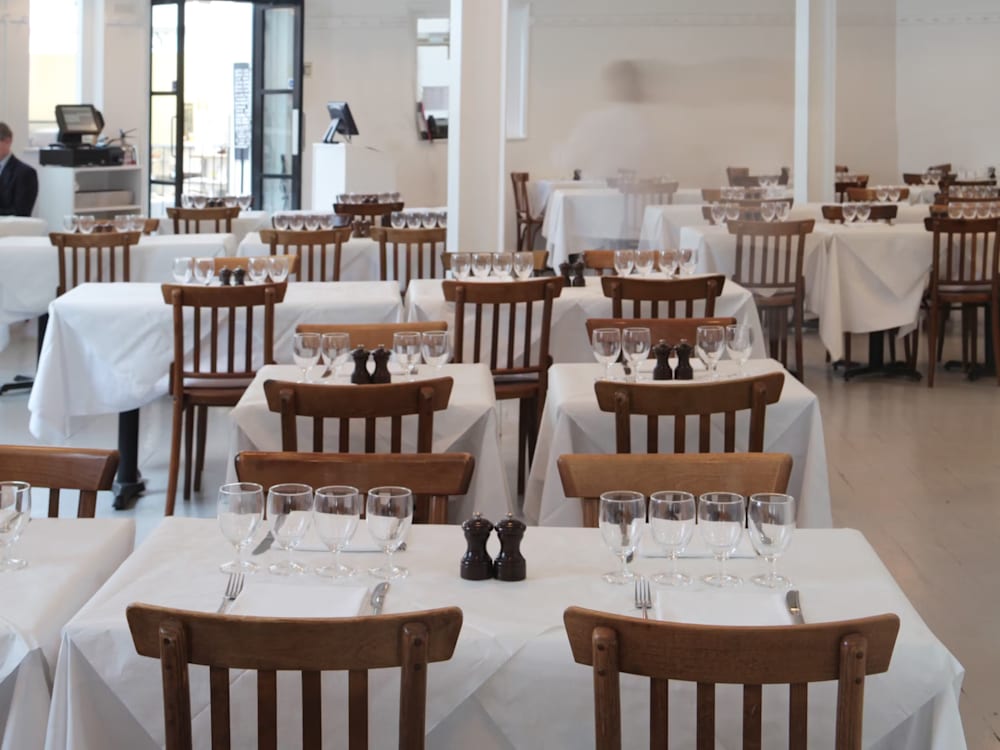
‘If you’re going to kill the animal, it seems only polite to use the whole thing,’ said St John restaurant founder and star chef Fergus Henderson, and with that philosophy in mind he started a sustainability revolution. The first outpost in Farringdon still pulls in carnivores for offal-led dishes in stylishly spartan surroundings, and the bone marrow on toast with parsley salad remains a classic. Other eateries with meaty reputations include RC Macellaio and 19th-century Quality Chop House, where the confit potatoes are a must and casual sister eatery Quality Wines next door does a very reasonable express lunch.
Brutto is a brilliant Italian, with enticing £5 Negronis — there’s never a bad time to stop in for pasta, but lunchtimes at the counter are a little calmer; and Le Café du Marché is a romantic, rustic French spot with candlelight and live music. Dinner at Sessions Arts Club might make anyone swoon, with its faded glamour, cool crowd and eloquent menu, if not at the fact you scored a reservation in the first place. Sushi Tetsu (12 Jerusalem Passage) is another with competitive covers (seven in total) where your efforts will be well rewarded.
It’s not all trotters and slabs of steak — along Exmouth Market, vegans and vegetarians can seek refuge in Middle Eastern Moro (and sister outfit Morito) and Berber & Q Shawarma Bar, where brightly flavoured mezze and wraps give vegetables the advantage. Around the corner there’s The Eagle, credited with inventing the gastropub, whose menus — chalked up on the board twice a day — have filled seats for more than 30 years.
DRINKING SPOTS
You’ll have an uncanny feeling that you’ve time-travelled in Clerkenwell’s pubs — many are clocking up the centuries, retaining original creaky floors and antique details that only add to their charm. The 18th-century Holy Tavern is tiny and wonky and wonderful; if you can get the table on top of the little raised platform, you’re truly blessed. It feels especially ‘ye olde’ on Tuesdays, when it’s lit by candlelight only. Ye Olde Mitre is tucked into a teeny alleyway near Farringdon; it’s even more elderly, established in 1546, but the interiors have had a bit of a spit and shine over the years. And in more recent history, Lenin enjoyed a pint in shabby-chic Crown Tavern.
Coin Laundry has a Seventies feel to it and brings the fun with comedy and DJ nights, while there’s a green streak as refreshing as the herbaceous cocktails at the beautiful Bourne & Hollingsworth Buildings. Wine lovers, follow your nose to Farringdon’s branch of Vinoteca or let it lead you a little further west to Noble Rot on Lamb’s Conduit; most wines you find particularly quaffable — and there will be many — you can buy at the restaurant’s shop, Shrine to the Vine, just a few doors down.
NIGHTLIFE
It’s not quite lights-up yet for famed club Fabric, housed in a former meatpacking warehouse, but it has had some close calls over the years; still it keeps on coming up, giving Londoners who love late electro nights a home. Close by, in another disused warehouse, The Piano Works has a live band and an even livelier crowd, plus throwback Thursdays and late finishes. Or divert your dancing energy to play ping-pong till 1am at Bounce, where AI tables can track your prowess — just watch those paddles after a few Pornstar Martinis.
WHERE TO STAY

The Zetter Townhouse Hotel
Behind an eau de nil-hued door in cobbled St John Square is the home of Aunt Wilhelmina, a globetrotter, raconteur, lover of the arts and gentlemen callers — you’ll find a picture of her hanging in The Zetter Townhouse Hotel’s lounge. Sadly, she’s not real, but the. dedication to cocktail craft, bold British design (courtesy of fashion fave Russell Sage) and moreish maximalism is as authentic as can be. On the other hand, The Rookery Hotel is definitely not lying about its age, and has the beams and stone fireplaces to prove it, alongside hefty four-poster beds, dramatic velvet drapes and stern portraiture throughout. We especially like the bathroom in the Rook’s Nest, where a statue keeps guard as you bathe.
Get to know more about the city with our guides to Mayfair, Soho, Kensington and Marylebone, then explore our full collection of London hotels