


A month after graduating from university, before I’d even attended my own ceremony, I was on a plane to Tokyo. I was 19, and a law graduate with no particular plan in place. What was meant to be one year in Japan soon turned into four. Aside from a brief visit after I moved home to Ireland, almost eight years had passed before I set foot again in the country that shaped me. Returning wasn’t just about nostalgia; it felt more like a test. Had Japan really been that extraordinary, or had I simply seen it through the carefree audacity of youth? To find out, I spent a month retracing old ground and seeking out new cities entirely — starting and ending in Tokyo, revisiting Suzuka where I once lived, and introducing my partner to the country I left behind.
Tokyo then and now
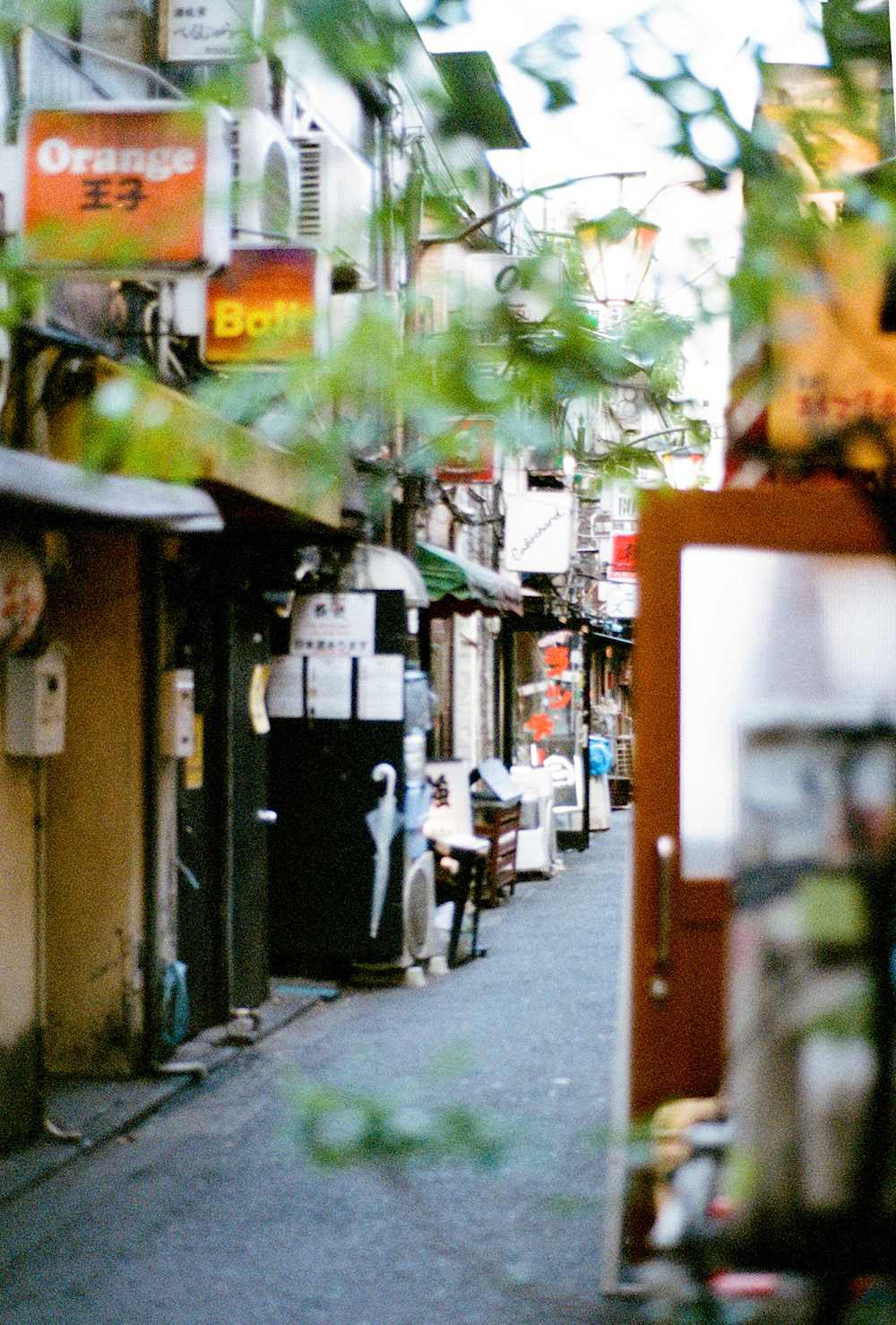
I first experienced Shinjuku when I was a fresh graduate. It was lunchtime and a wave of white-collared shirts flooded the streets: ‘salarymen’ heading out for a bowl of ramen and side of crispy gyoza. I was giddy with excitement any time a sight or sound matched what I’d seen in the films and Manga comics I’d grown up with: neon signs stretching into the sky, convenience stores offering everything from bento boxes to banking services, rows of vending machines filled with both hot and cold drinks. I felt the magic of the city here, and in the hotspots of Shibuya, Akihabara and Asakusa, but I soon found it overwhelming. I spent the next four years largely avoiding Tokyo altogether.
Returning to the capital this time round, I wanted to fall in love with it the way everyone else seemed to. The Japan I remembered was a cash-only operation with mostly Japanese signage, where asking for directions produced a look of mild panic followed by determined gesturing. Now, staff spoke readily in English, contactless payment was ubiquitous, the Suica transport card had gone digital, and even the quietest neighbourhood spots had an English menu tucked behind the counter.
A Tokyoite friend told me Shibuya was like her backyard growing up and now she barely recognises it: the restaurants without a single Japanese person and the famous scramble crossing that feels more like a TikTok backdrop than vital infrastructure at times. The Tokyo worth falling in love with wasn’t here, but in the quiet western town of Kichijōji, in the niche books in Daikanyama’s T-site library complex, and in the resurgence of jazz listening bars hidden in multi-storey commercial buildings. It’s also in the vintage stores and curry houses of Shimokitazawa, and in lantern-lit izakayas that seat six at most, findable only by wandering down narrow alleyways off the beaten track. On the first night of my Tokyo homecoming, I did just that, spending the evening wildly gesturing my way through a conversation in rusty Japanese with the chef, who, as it turned out, had gone to school in the very city I’d once called home.
There’s an evolution in hotel offerings too. Janu Tokyo is an offshoot of the stately Aman Tokyo (itself a serene and supremely elegant hideout with gasp-drawing views), which is geared towards a more youthful crowd, hosting art happenings and avant-garde culinary stars. Or Hotel K5, which is helping to put lesser-known neighbourhood Nihonbashi on the map, drawing the community and guests in with its cool coffee shop, co-working space and Japandi dining.
A stop in Suzuka
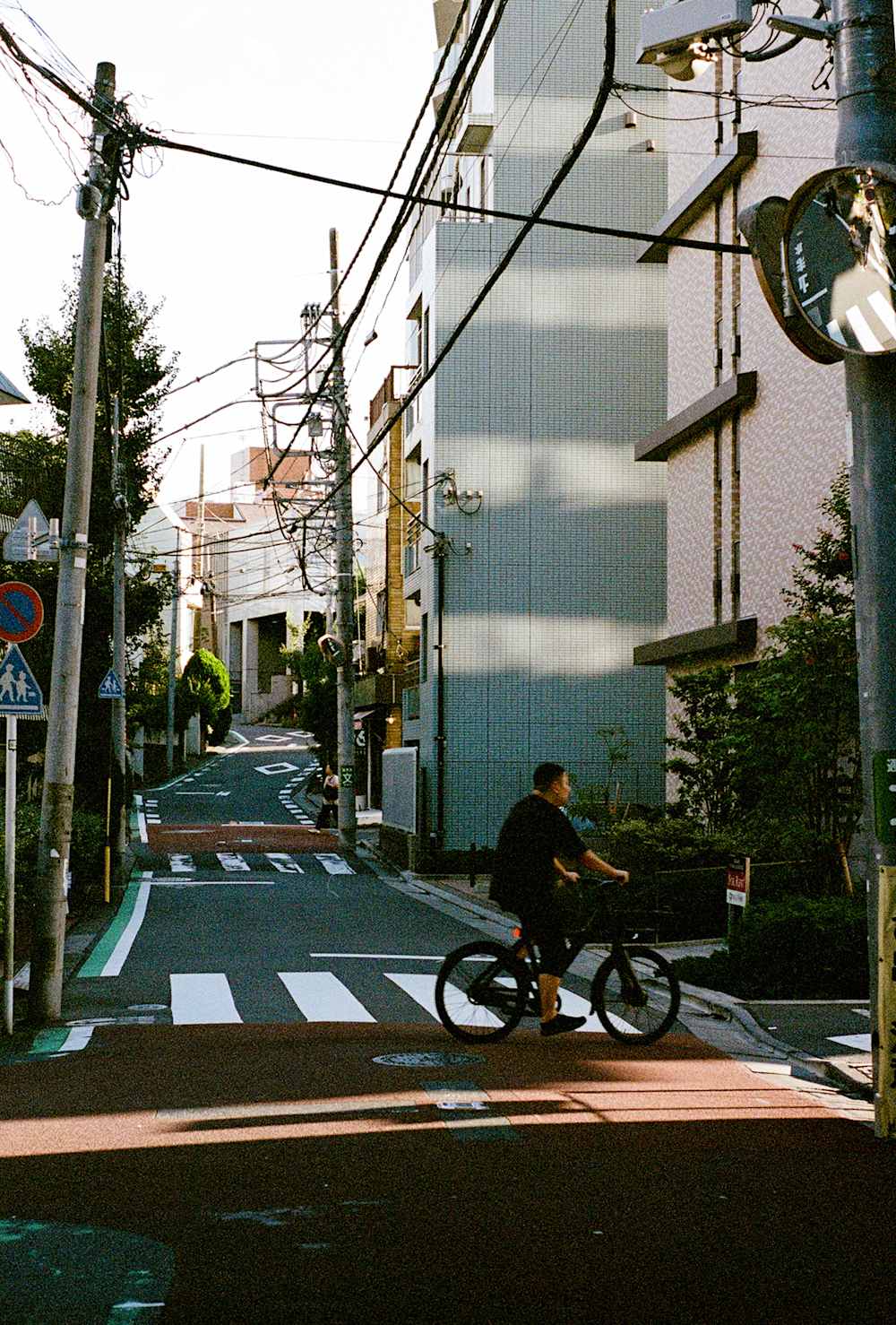
After our time in Tokyo, we travelled via Shinagawa and Nagoya to Shiroko Station — a journey of just two and a half hours, though perhaps not quite the speed Suzuka is used to. Once a year, Formula One fans descend in droves on this modestly sized, industrial city in Mie Prefecture. I was never aware of how big of a deal it was, and only visited the track once, under the guise of going for lunch at its restaurant; a course-side spot whose claim to ‘authentic’ pizza and gelato might be questionable, but views of Ise Bay are legit.
My boyfriend had never heard of the place, but he strolled my old streets with me. Past the local park’s stadium-worthy floodlights, on to Ishigaki-ike pond, where I pointed out a small island I used to walk past — a protected nesting site with artificial perches for great cormorants and grey herons. We ended the day at the least Japanese place we could have found here: an Indian restaurant called Indomura. But one dear to me, as a place I visited often with a fellow foreign colleague. I presumed the owner wouldn’t remember me, but to my delight he did, and noted warmly that he was glad to see my new companion was not simply a friend, but my partner. We walked back to our hotel through rice fields, frogs croaking in the background, and for a moment it felt like I’d never left.
Kyoto past and present
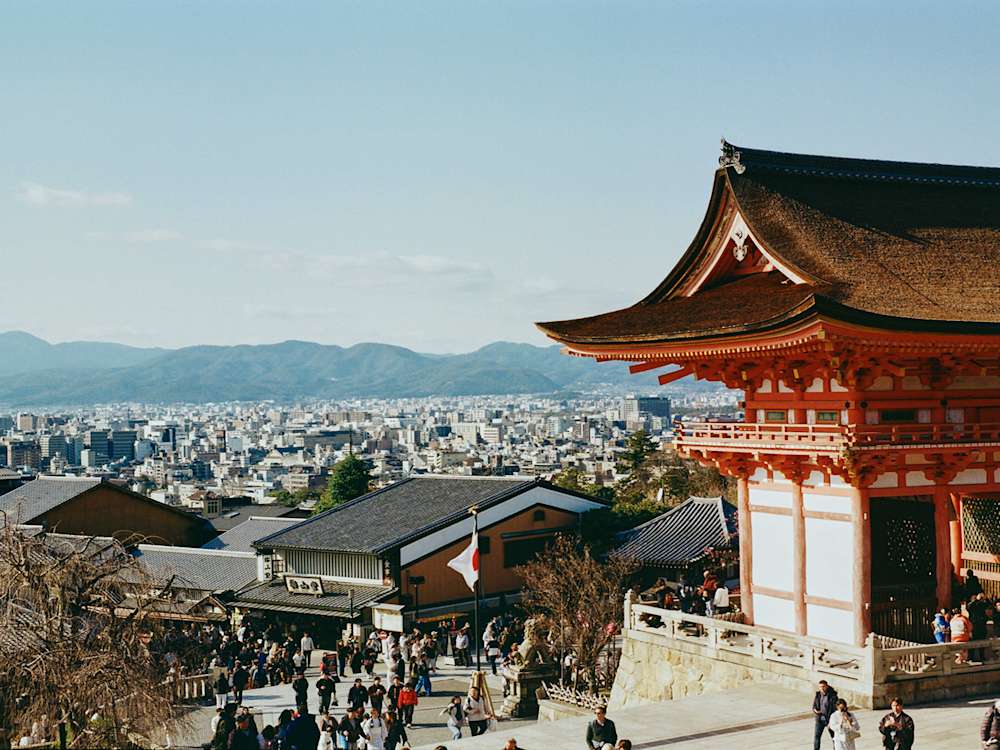
We took the 90-minute train ride to Kyoto, from Shiroko Station to Yamato-Yagi, then on to the former capital’s main transport hub. I’d visited Kyoto at least three times before and assumed I’d seen it all. This time, with my boyfriend (a vegetarian, which turned out to be an unexpectedly rewarding ravel constraint), I dug a little deeper.
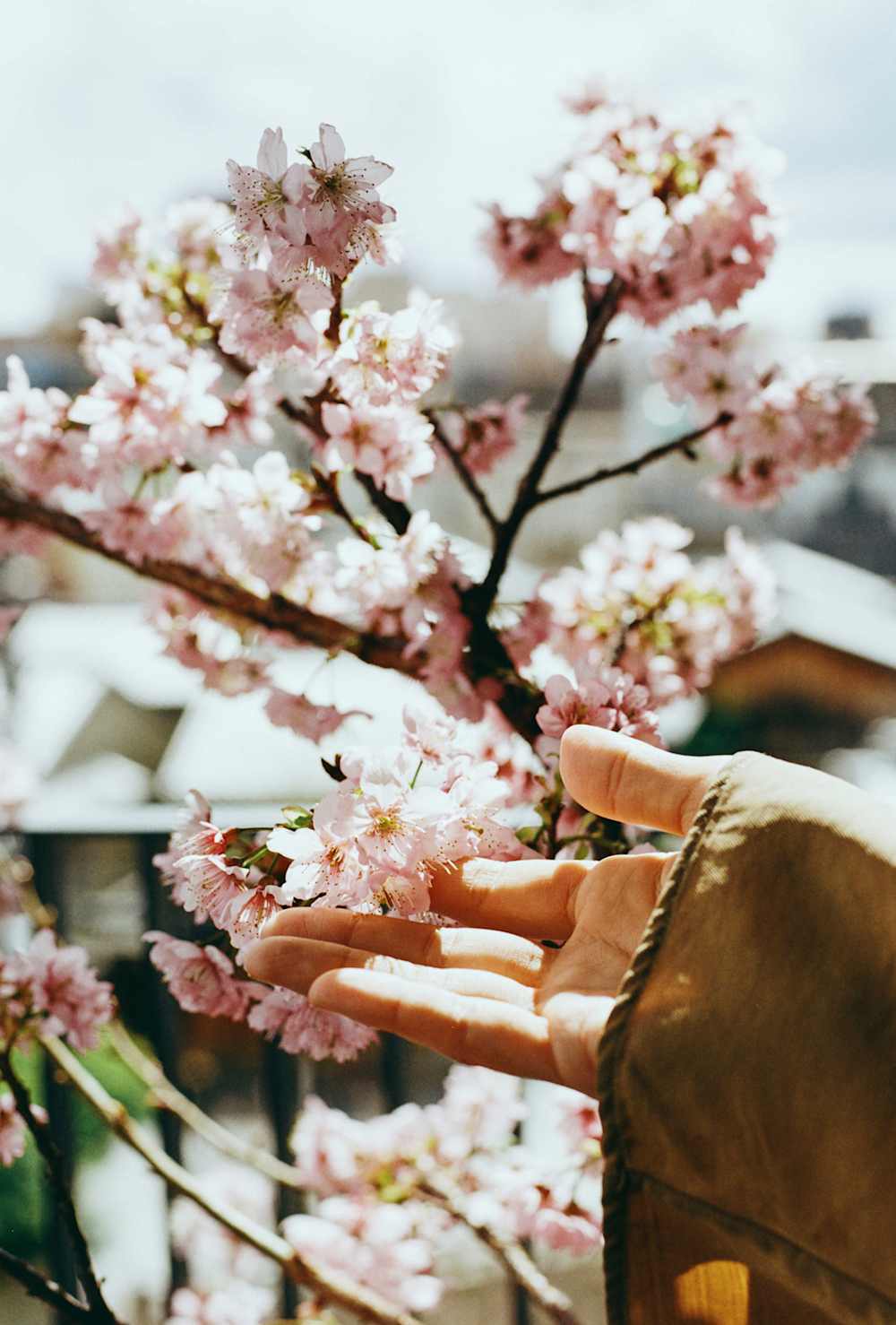
We stayed in Nakagyo Ward and skipped the usual Nishiki Market crowds and overrun Kiyomizu-dera Temple. Along the blossom-lined Philosopher’s Path we ducked into Yama-gen (3 Nanzenji Shimokawaracho), an unassuming restaurant staffed entirely by older Japanese women who spoke no English (but who did offer an English menu). Back in my graduate days, my vegetarian friends visiting Kyoto were forced to become reluctant flexitarians. Now, progress is slow but real — many restaurants offer at least one veggie dish and some, like Kyoto Engine Ramen, have fully plant-based menus. The same goes for the quaint spot we found ourselves in. My boyfriend’s soba broth, filled with root vegetables, was extraordinary; and my kitsune udon (thick noodles and tofu in a fish broth) was the best of the trip.
Ten years ago, matcha wasn’t revered by every London café. In Kyoto, where it has been drunk since the 12th century, there were limits on how many tins you could buy and lengthy queues outside cafés that had gone viral. Now, excellent matcha is everywhere in the city and the quality is consistently high. We headed to the serene teahouse at Rurikō-in Temple, where we could enjoy a cup and wagashi (Japanese sweets) with a view of its garden.
Not everyone has succumbed to the joys of matcha — a ceramics shop owner in Tochigi asked me with puzzlement why foreigners love it so much, and a Kyoto taxi driver told me he found it bitter. But if it’s your cup of, ahem, tea, many hotels come with their own ochaya (traditional-style teahouse), including Aman Kyoto, Six Senses and Capella Kyoto. Or make the trip to nearby Omihachiman for a delicate ceremony in 200-year-old tatami shop turned ryokan, Hatago Wakatsu.
A hot Kyoto take: the famous Arashiyama bamboo forest is beautiful, but not a must. Visit Adashino Nenbutsuji Temple instead: at the end of the cemetery route, you’ll find the private Chikurin bamboo forest, which is small, quiet with giant stalks stretching into the sky and not a crowd in sight. For more meditative greenery, check in at Banyan Tree Higashiyama Kyoto, set on a leafy hillside, or Shinsho-an, whose rooms overlook immaculate gardens.
Maebashi: Japan’s future
There is one pin on the map of my Japan trip that still surprises me: Maebashi, in Gunma Prefecture. Had I travelled there in the same style as my graduate self, it would likely have taken eight hours and several trains to reach it. This time, it took just two comfortable bullet trains. By the time I got there, the flu I’d been nursing for the past few days had fully taken hold, and Shiroiya Hotel provided the perfect excuse to lay low. Between its lounge, art collection and trio of saunas that guests can book exclusively, there was plenty to do without leaving the building. Ending the day with a long, solitary sweat session was immensely restorative.
The next day I went out to explore. Big-name architects are investing in the city. Shiroiya, a ryokan-turned-art hotel designed by Sou Fujimoto, is cloaked in green so as not to disturb the streetscape. Inside, Chef Katayama shows the same reverence for Gunma by honouring traditional food. His refined take on okkirikomi, a local noodle dish packed with seasonal vegetables.
Many lesser-known Japanese cities I’ve visited can feel like placeholders — concrete grids where young people study and work before leaving for Tokyo or Osaka. Maebashi refuses to accept the same fate — once a bustling hub of the silk trade, it now has a burgeoning creative community. I left with the excitement of someone who has glimpsed a city before the whole world catches up. Maebashi is the sort of place travellers will eventually discover en masse; for now, I felt happily ahead of the curve.
Back to reality
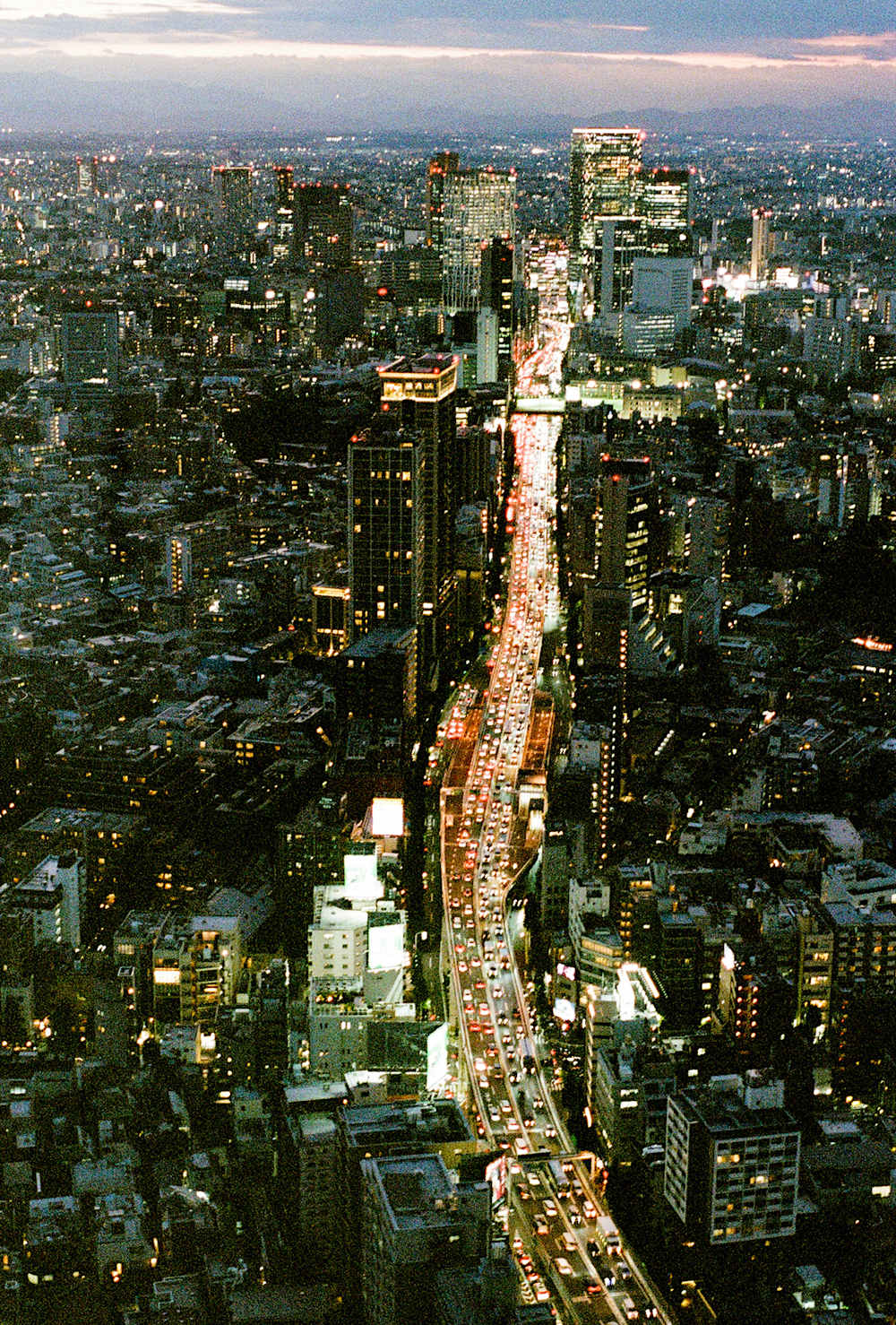
Tourist interest in Japan is at a high right now, with the Yen being historically weak. But besides making your money go further, what will stay with you is much more valuable. You’ll find beauty in the magnificent temples and shrines, and in the people themselves. You’ll come across an izakaya where you’re made to feel like a friend within minutes; a bus driver who speaks no English but says ‘thank you’ as you step off; and quiet rice fields that stretch on for days. How could I ever have thought there wasn’t much more to see? A decade on, I find myself fonder of Japan than ever. Not because it remained unchanged, but because it didn’t.
Explore all of our hotels in Japan, or hit the slopes of Niseko
Nasreen Osman is a London-based writer, editor and content specialist — who’s always trying to leave London. She has previously worked for publications including Harrods Magazine and Tank Magazine. With a specialism in beauty and wellness, she has a nose for a good hotel spa, and an even better nose for a fine fragrance.