



I’m at the Sanubari. I say this with a flourish, because getting here is no mean feat. It took 20-plus hours, three flights, two stop-overs, a 90-minute taxi and a lifetime’s worth of dodgy airport cappuccinos – all agreeable, mind, for a slice of this introverted Indonesian island, Sumba.
Relaxation is writ large here. After dropping our bags and our clothes in equal haste (for suitable replacements: a Bintang and a bikini), I’m reminded of the phrase my yoga teacher closes śavāsana with: ‘there’s nothing left to do’. That’s exactly it.
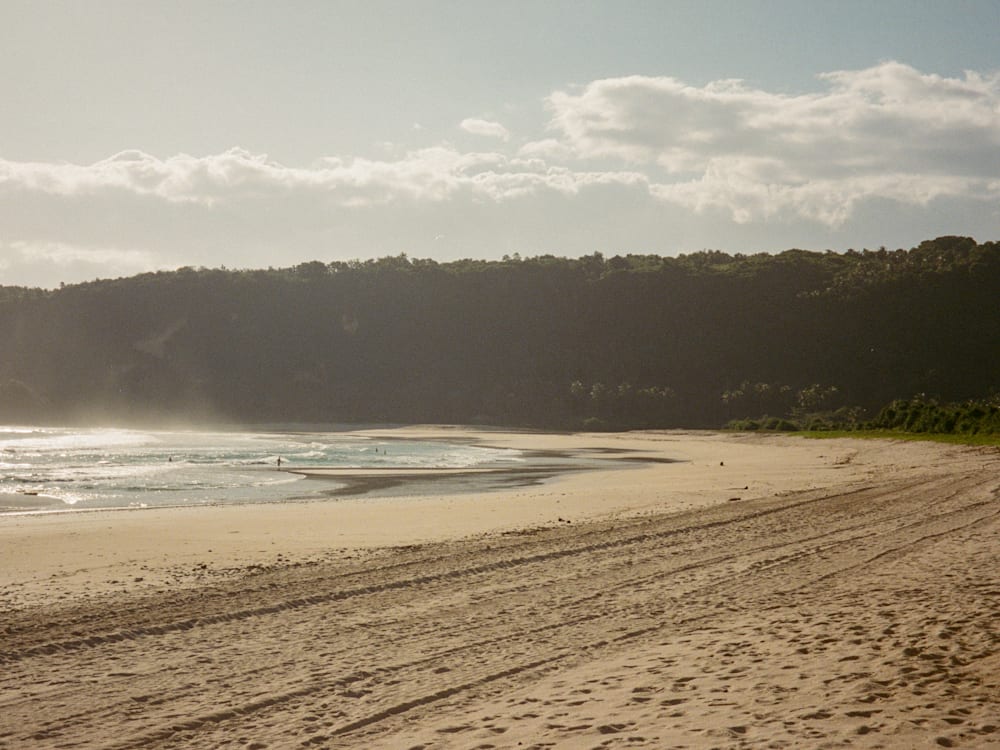
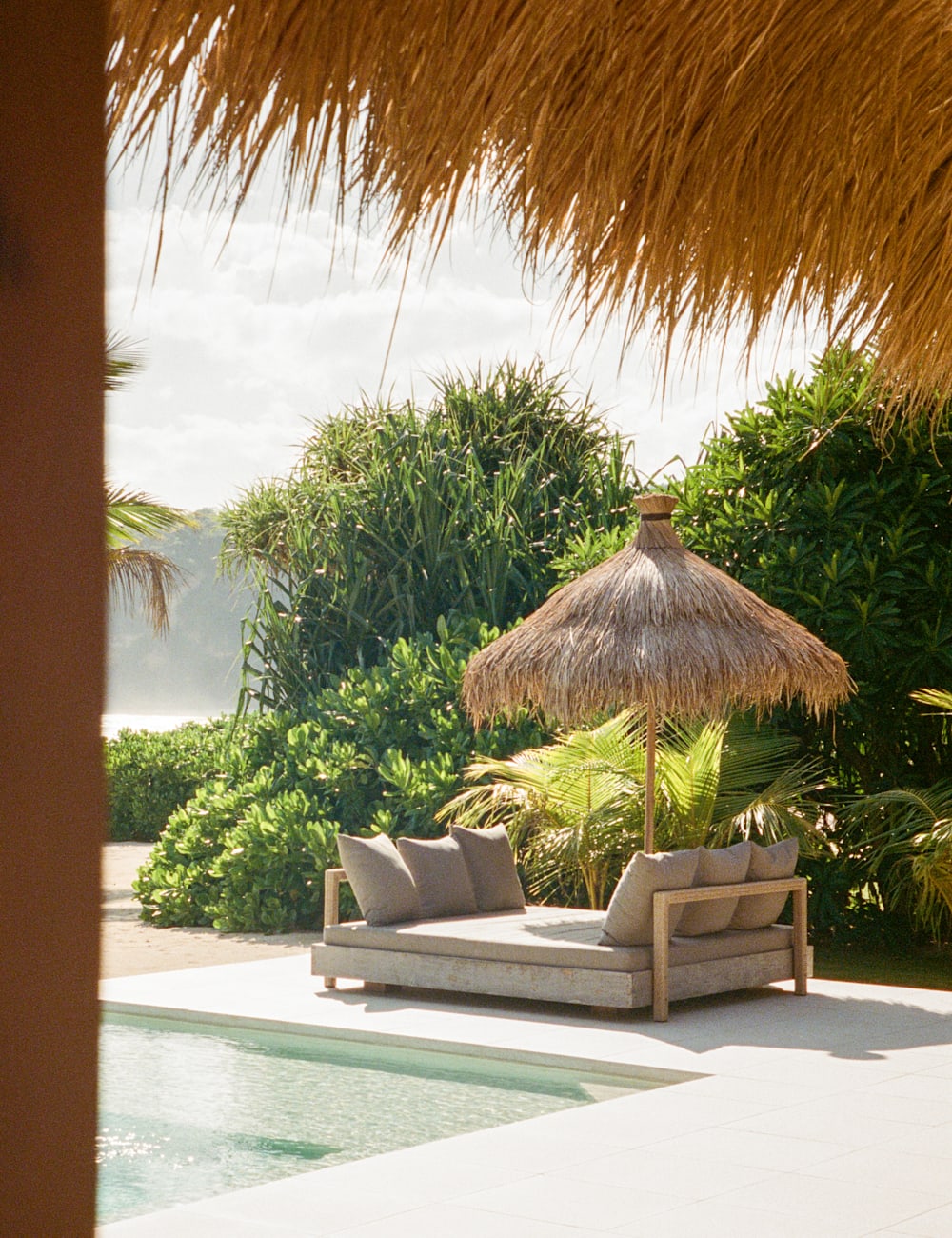
Ms Smith – my best friend of 16 years – and I assume our positions on a shaded lounger by our private pool. The view is impeccable. There’s a mirage-like haze where pool meets ocean and ocean meets sky – to be broken only in late afternoon, when horses and buffalo catwalk the length of the beach. I close my eyes. There’s nothing left to do.
Despite being just an hour’s flight east of Bali, Sumba is still raw and rough-edged. You’ll find the Sanubari in the south of the island – a landscape of tiny villages, skyscraper palms and rice paddies reminiscent of northern Vietnam. Fewer than 10 villas (I’m being intentionally elusive here, because there were six at my time of visiting, with three more in the works) nose the coastline of the 100-hectare reserve, a patch of land so spotless it’s as though I’d already spent hours hunched over Photoshop.
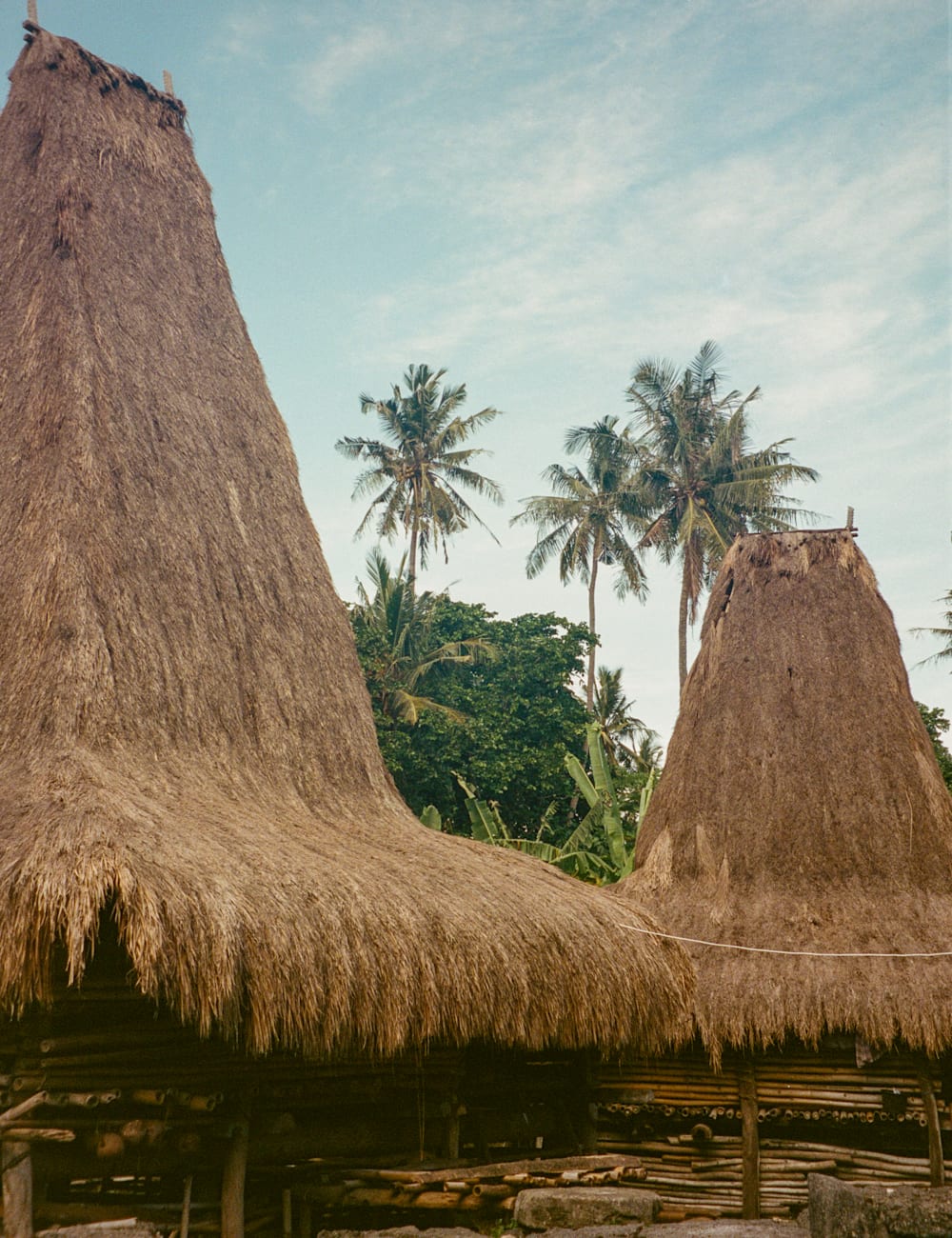
The villas peter out like paintbrush tips from a jungle-lined path, each a white one-storey manse, topped with a gabled roof made from bamboo and alang-alang grass. Inside, the palette is suitably soothing: creamy marble floors; wicker, wood and teak furnishings; ikat tapestries. Picture windows and sliding glass doors frame the private pool which, in turn, frames views of the ocean.
We narrate our first few hours, as the British are wont to do: murmurs of ‘the weather is perfect’, ‘this view is beautiful’, and ‘I might be too hot, now, actually’. The crashing waves, scorching sun and lily-white sand – all are splendid, and such a welcome step-change from life in London.
We land back on our feet to head to dinner, a relaxed affair in the barefoot beachfront pavilion which doles out local dishes such as yellow fish curry, black-pepper chicken, satay and nasi goreng; plus fish tacos, chicken parmigiana, salad bowls and burgers.
Alas, we never quite make it there. On reaching the thatched moptop bar (which sits right on the sand) we see guests gathering. Reggae music drifts in our direction – playing, we later discover, from the low-key portable speaker perched in one corner. Distracted, we make our way over.
It takes just two rounds of dragon fruit martinis before we’re all firm friends. To our left are honeymooners from Australia (who passionately attest that the restaurant’s chicken ‘parmi’ is to Sydney standards). To our right sits a Balearic-born nomad turned Sanubari ‘waterman’ (his word, not mine) who mans the boats and surfboards during the day, and props up the bar at night.
The group swells as others join pre- and post-dinner. We chat for hours, and end up ordering food together, to the bar. The restaurant can’t be more than 15 steps further. Ah well, there’s always tomorrow.
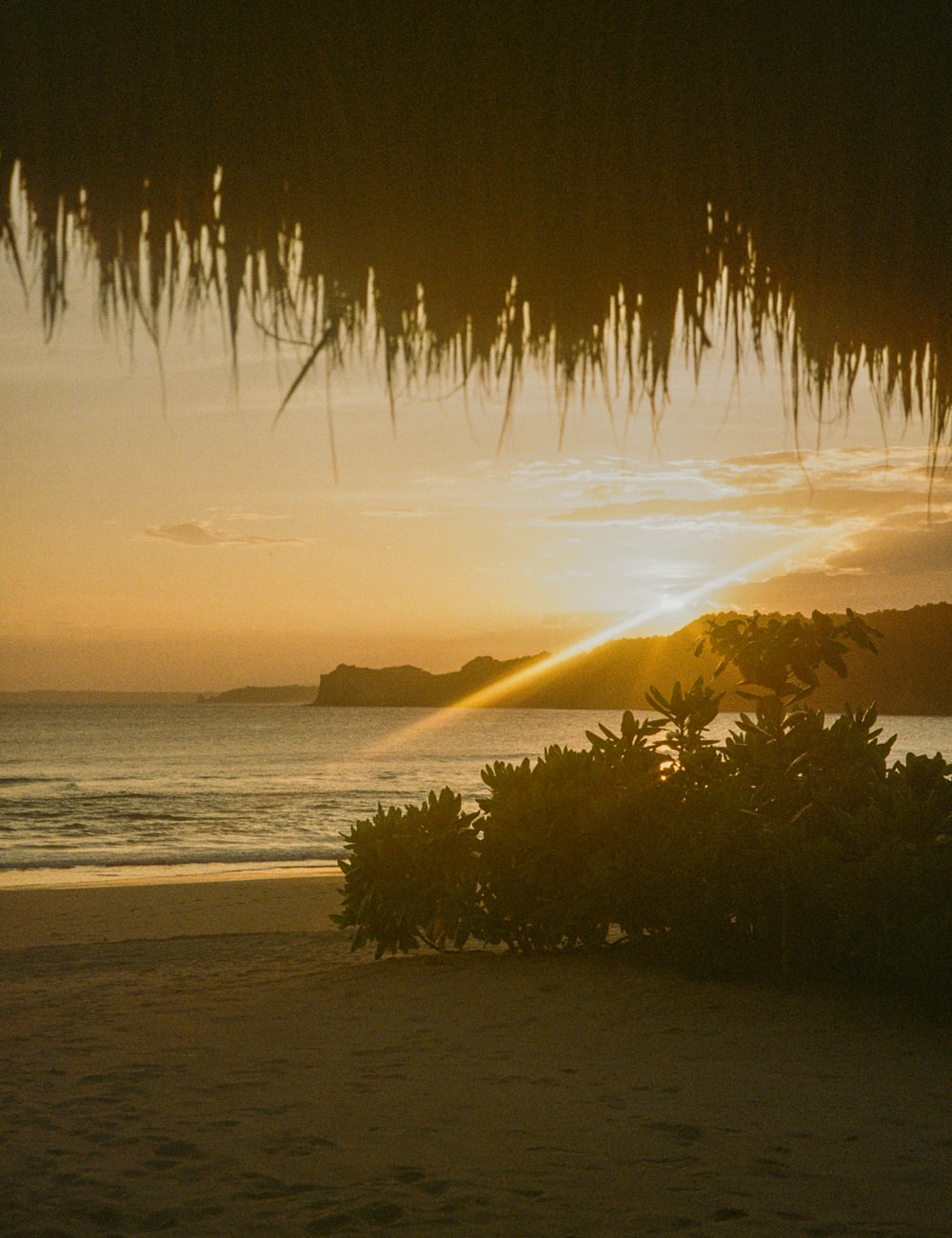
The sun sets behind us. Callipo-lolly hues of orange, lemon and strawberry paint the sky. The hotel manager lights a beach bonfire while the three resident dogs – Boy, Olive and Peanut – dance circles around his feet. I put down my knife and fork and take a deep breath. There’s nothing left to do.
It’s time for bed, and like sandal-sporting Cinderellas we traipse back to our room at a minute to midnight. I suggest a run in the morning. Ms Smith shoots me an exasperated side-eye. We settle on not even setting an alarm.
The thing is, this is just the place to remain horizontal. But at the very same time, there’s so much to be learnt about Sumba and its people. Marupu culture is fascinating, layered and complex. The hotel works closely with nearby kampungs (villages), and offers small-group excursions to meet locals, see their uma keladas (peaked houses) and hear their stories.

Here, religion reigns. Animals may as well be currency, and road-side rituals, ceremonies and burials are common. There’s far more to be said on this, but for now, back to bliss.
I read three books in as many days. Whole afternoons pass with only a turning of pages. Interruptions are few and far between – a dip in the pool here, a splash in the ocean there.
On our final day, I release a decadent yawn. ‘Lunch?’
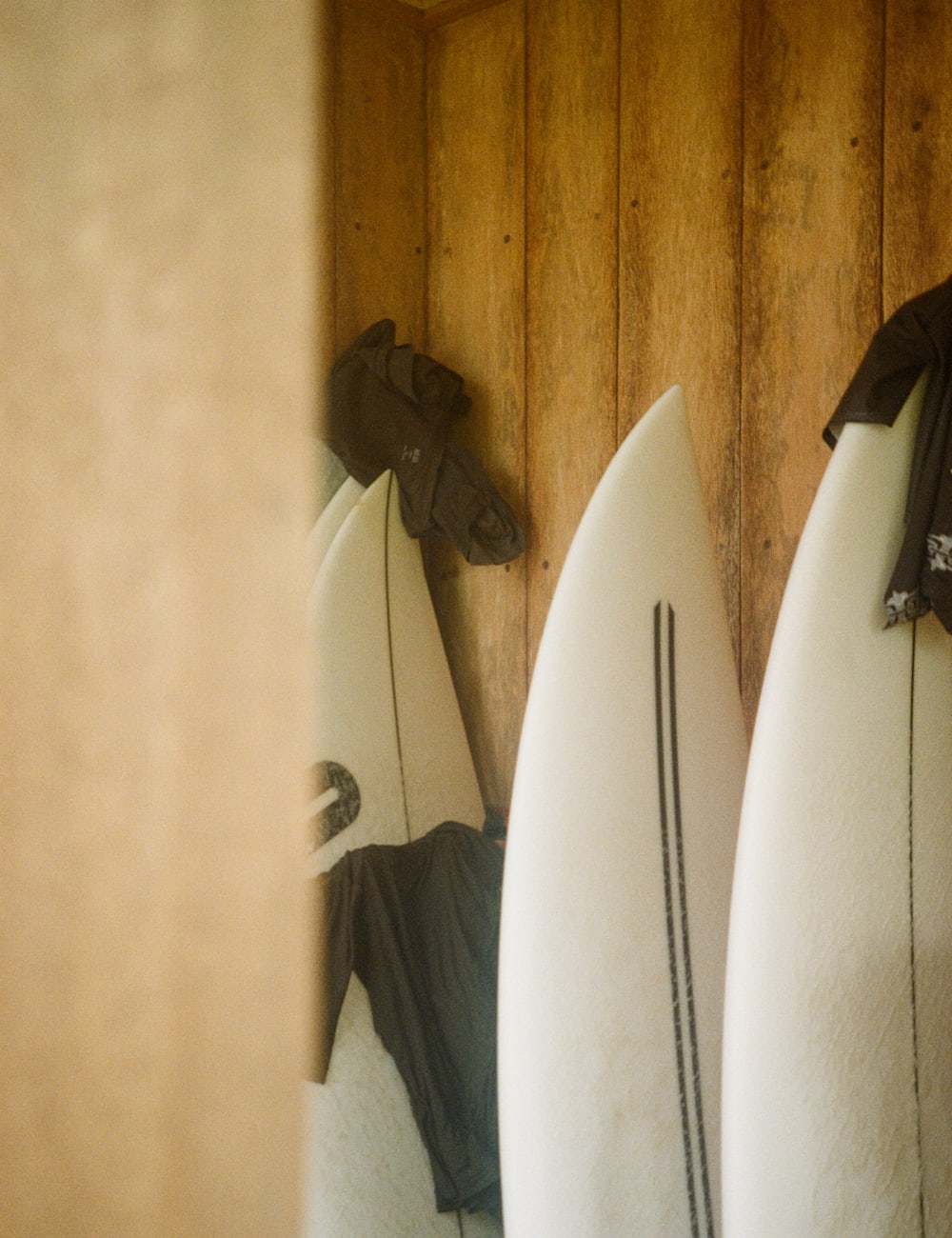
‘Lunch.’ responds my near-comatose companion. We move at a glacial pace to the restaurant, order fish tacos and a coconut, sinking into our seats with a sigh. Olive and Peanut snooze in the shade by our feet. We’re in no hurry.
There’s nothing left to do.
Find out more about the Sanubari or explore our full collection of Sumba hotels
Hannah Dace is a writer and photographer for Mr & Mrs Smith