



I confess, at times I feel Bath leans too hard on its Georgian foppery. What with bonnet-clad hordes descending for Austen-esque balls each year, its economy daintily resting on Bridgerton’s shoulders, an ardour for afternoon teas and an uncanny sense of time-travelling wherever you go, it feels like its way forward is a U-turn. I’ve been happily joined in matrimony for a while, but were I dating, I’d half expect the apps here to show a dowry sum on each profile. Hell, Jane Austen herself described Bath as ‘all vapour, shadow, smoke and confusion’ when she arrived and wrote of ‘happy feelings of escape’ when she left, showing her disdain for its prim codex of classism.
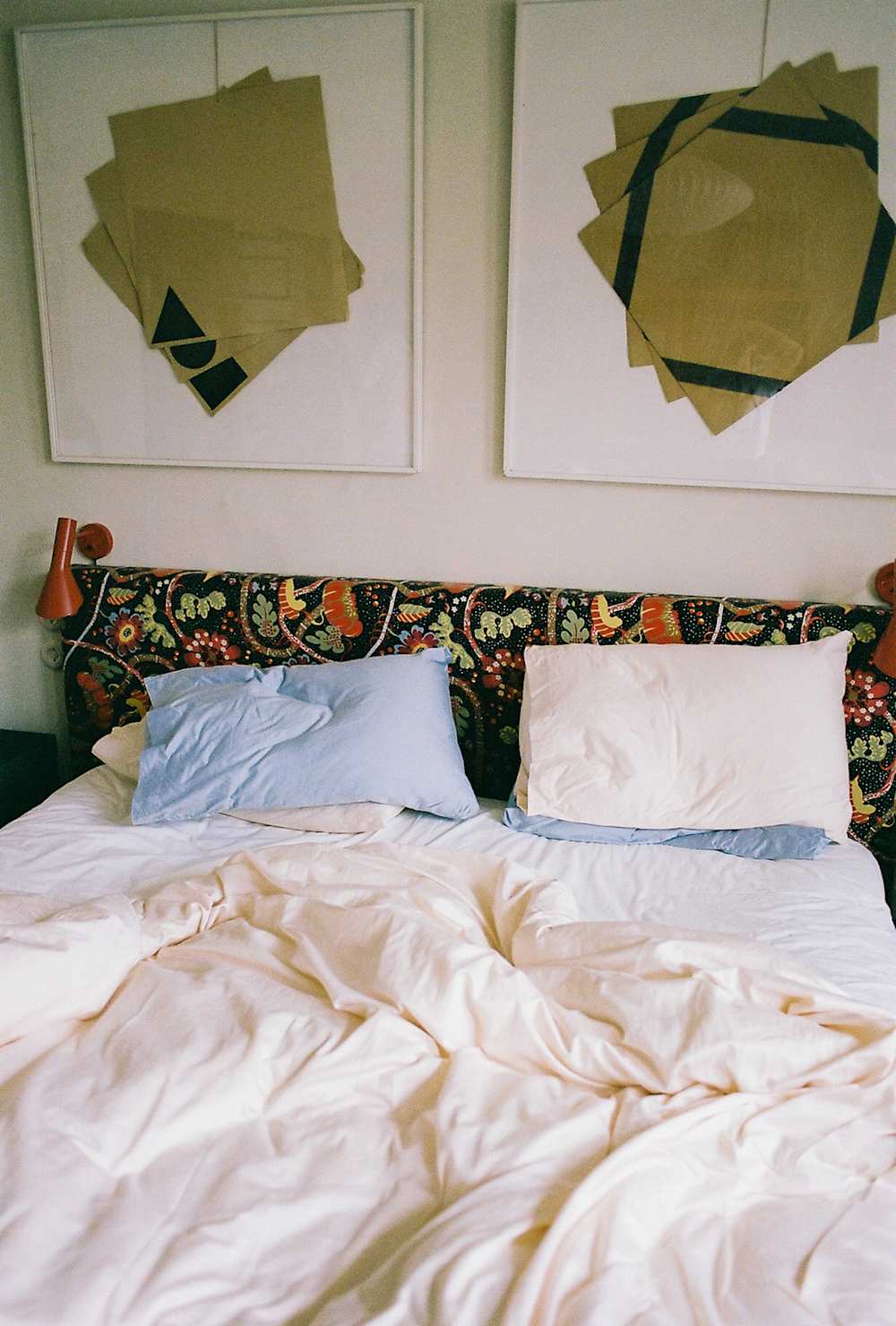
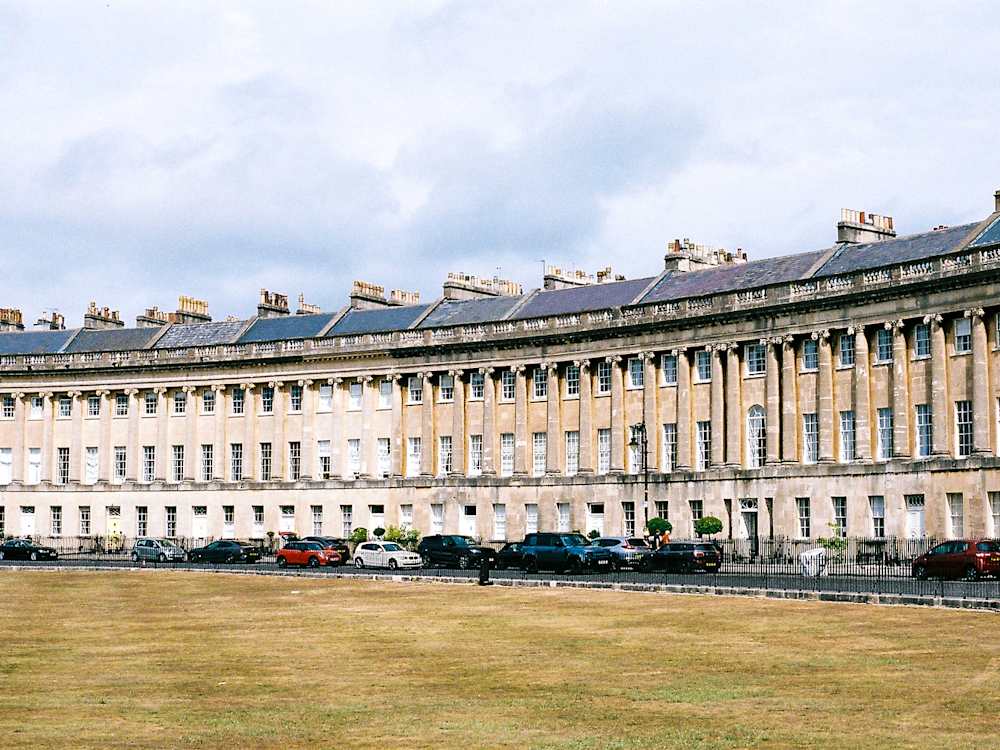
But a stay at 8 Holland Street Townhouse Bath — a home-style hideaway with just three exquisitely appointed bedrooms, designed by gallerist and collector Tobias Vernon — offered me a new perspective, turning the clock forward to at least the mid-19th-century and showing that the city isn’t gathering dust in a vitrine. Its building is one of 18th-century architect John Wood’s regal marvels, built in tea-stain stone, with pediments and symmetrical windows, covetously sandwiched between The Circus and Royal Crescent (on Brock Street, confusingly. Be sure to tell the taxi driver, lest you end up at the site of the hotel owner’s original gallery in London’s Kensington).
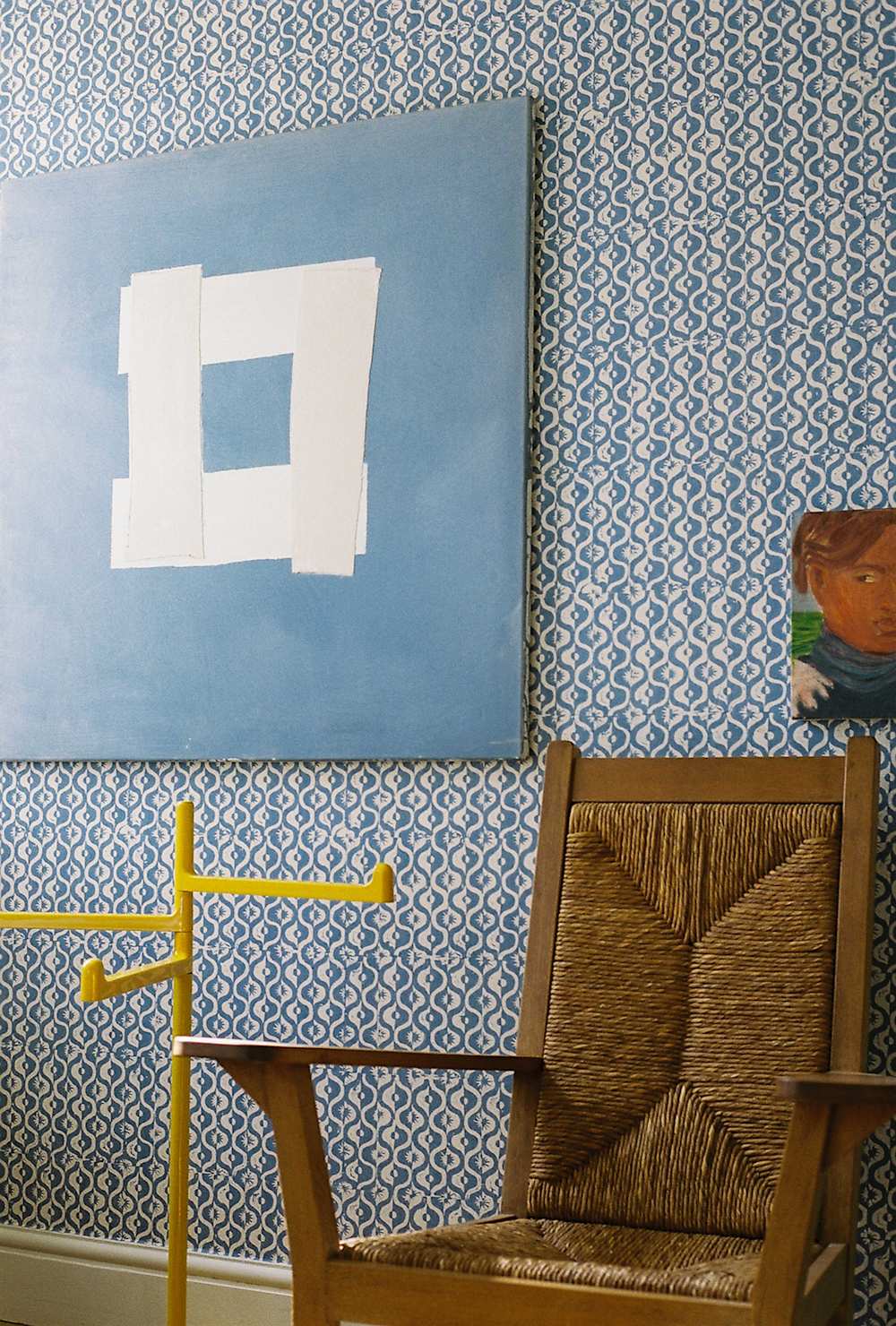
But within, corpulent silk couches and constipated portraiture are replaced by furnishings like a Swedish Josef Frank rug that looks like a cartoon tiger skin, a bouclé Otto Faerge sofa, folksy Märta Måås-Fjetterström carpet and geometric Ben Nicholson artworks. It’s all testament to Vernon’s sharp eye and choreographed as cohesively as the shapes in the Rod Walker abstract painting accentuating my suite’s bookcase. Dangerously, all these items are shoppable. Mentally I hammer the ‘add to cart’ button as I waft from the bedroom and living area to the shower room to the second bathroom, with its freestanding tub — why yes, there are two bathrooms, and yes, I could see myself living here, thanks for asking. And that’s before I’ve itemised the Jasper Conran chess set, David Shrigley prints, vintage palm-tree mirrors and grass-green Vitsoe cabinetry in the communal kitchen and lounge one floor below.
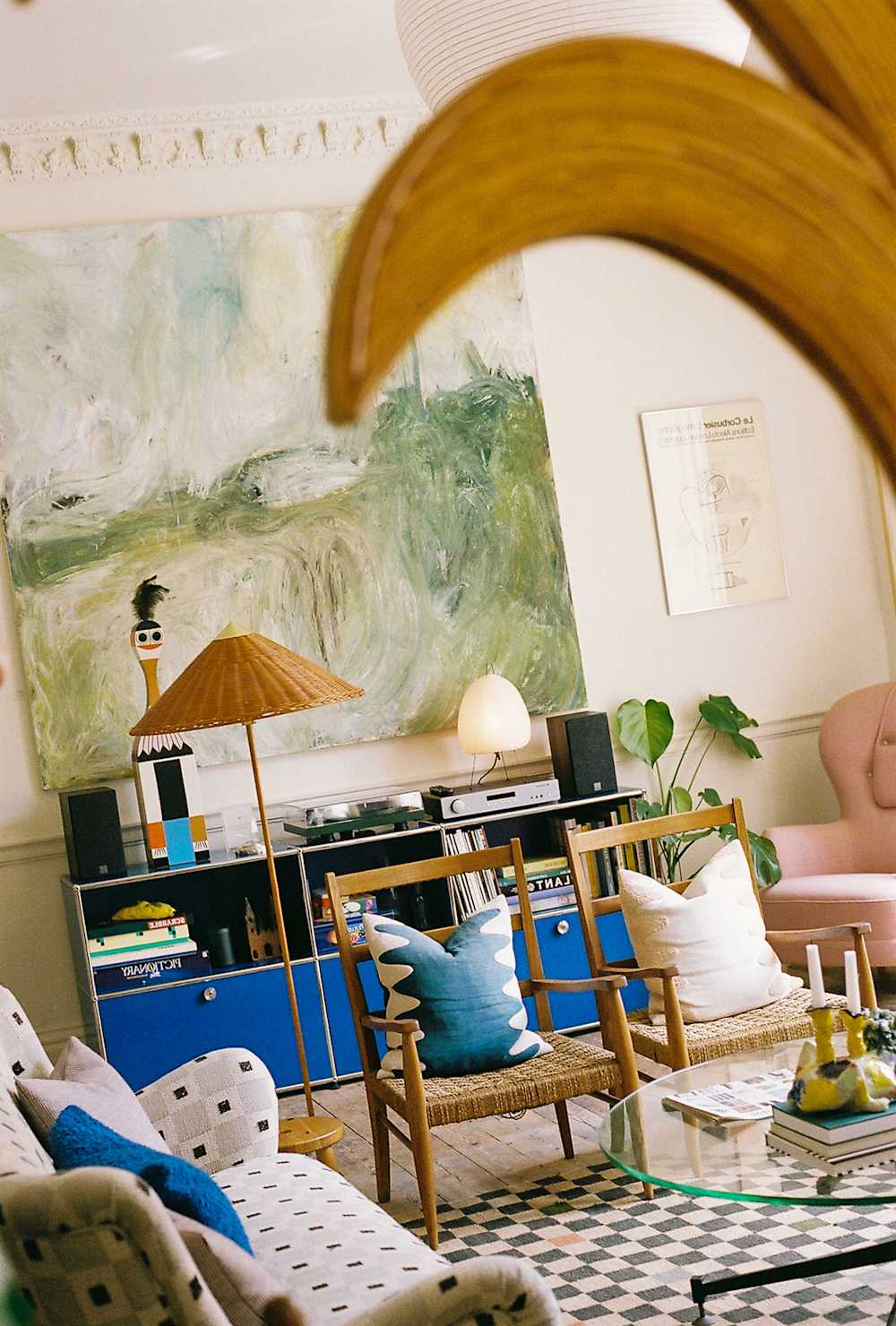
Therein lies an unexpected element of anxiety. These are nice things, and — being a somewhat clumsy person — my time spent around nice things should really be supervised. After typing out an impassioned paragraph on my laptop at the gorgeous Svend Aage Madsen Model 200 desk, I pause several times to check underneath for scratches, because I’m now very aware that it costs £5,000. I’m certain Vernon’s intent wasn’t for guests to move like they’re navigating laser beams, but if the 1960s Warren Platner coffee table or gridded-metal Harry Bertoia armchair were harmed in some way, I’d be off to the poorhouse faster than an Austen protagonist with a broken engagement.
Vernon and his team aren’t the only ones hoisting Bath into the modern age. In among all the period drama, chefs, creatives and shopkeepers are presenting future-focused visions. Take the Beckford Bottle Shop, where I get stuck into wines emblazoned with acid-bright labels, whose notes play like jazz; or cult bakery, pizzeria and restaurant Landrace on Walcot Street, whose menu bears boquerones, crudo, cull yaw and other delicious eats. Close by, Wolf Wine pairs its neon sign with coolly nonchalant décor and small-batch wines for people-watching apéritifs. Tucked into Shires Yard, Italian eatery Magari is designed so you can see the chefs crafting your pasta — fresca each day.
Amid the maximalist collection 18th-century baronet Thomas Holburne amassed and showcased in his namesake gallery, YBA Glenn Brown has inserted daring, queasily hued works, Norman Ackroyd’s atmospheric etchings are displayed at Victoria Art Gallery, and Pencil Tree Gallery has colour-drenched contemporary canvases for sale. I find a take-home-sized version of the hotel’s troll-haired Vitra ‘doll’ in Heal’s; flip through the kind of niche, art-focused reading material you might casually toss onto one of Holland Street’s Vico Magistretti bedside tables in Magalleria; and source furnishings at Bath’s Vintage & Antiques Market, Holloways of Ludlow and Oka, plus Scandi statement pieces at Hessian Collective. But should your bank balance support it, the only authentic way to get the look is to go straight to the source. Two doors down is 8 Holland Street’s gallery, a ruinous selection of shapely chairs, ergonomic Scandi glassware and rugs so aesthetically pleasing you’ll feel compelled to levitate over them.
By day two, perhaps after spending the evening studying Vernon’s eclectic coffee-table books (modern African artwork; Japan’s Jutaku micro-homes; or the furnishings of design duo Muller Van Severen) — I feel much more to the townhouse born. Turns out, this kind of tight curation is my comfort zone and I cannot go back to the life to which I’m no longer accustomed. I want to dedicate my time to art, surround myself with beautiful things and, crucially, not lift a finger to afford any of it. So, I suppose it’s time to invest in the flutteriest of fans and coquettishly explain a (universally acknowledged) truth to my husband: he’s going to need to be in possession of a good fortune.
Book your stay at 8 Holland Street Townhouse Bath, then plan your itinerary with our 48 hours in Bath guide