


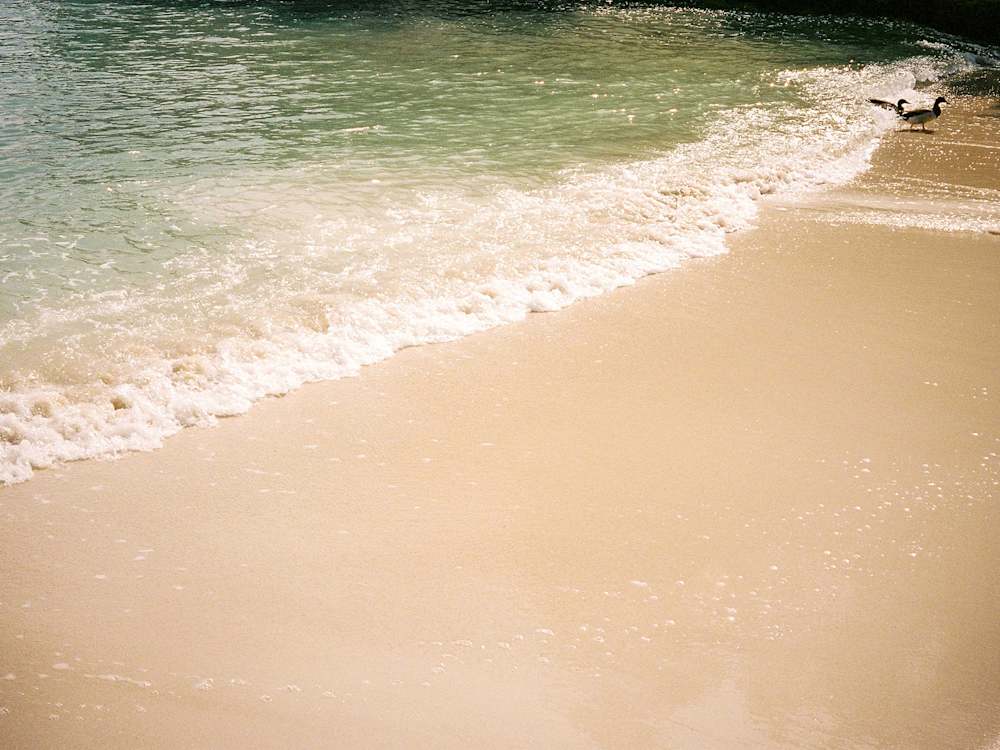
While daydreaming on a fudge-yellow sandbar, I look around. Wavelets are trickling in from turquoise shallows. Scored with vapour trails, an electric-blue sky is luminous with sunshine. To my left, the narrow spit continues for a hundred metres, its powdery sands interrupted only by several subdued herring gulls, a boulder or two and my seven fellow boat-trippers. Ahead, occasional islets of grey, barren rocks are visible offshore; beyond them is the horizon, where sea and sky hazily merge.
This scene could easily be mistaken for Mauritius or Mustique, and yet London is just an hour away by plane. This sandbar, fully unveiled for a few hours every low tide, forms part of Jersey’s Minquiers (or ‘Minkies’) archipelago; a group of reefs and islands around 10 miles south of Jersey, accessible only by boat. Jersey proper, with its otherwise-attractive capital St Helier vaguely discernible, is behind me. France’s nearest coast is twice as far east.
We first landed on the Minkies’ main, tallest and only vegetated island, Maîtresse Île, to inspect its 10 or so former quarryman’s cottages and a toilet shack that constitutes the British Isles’ southernmost building. The residences are now mostly owned by wealthy Jersey families, one of whose members is on-site for maintenance (‘I’m the mad man of the Minkies,’ he laughs). While these structures always hover above water, virtually all of the surrounding Minkies do not.
Reaching such a thrilling place requires an appropriately thrilling journey: for me, that’s 40 minutes aboard one of Jersey Seafaris’ 12-passenger RIB boats as it skips smoothly over waves at 30 knots (it costs £72.99 per adult and £67.99 per child). The fast-moving, slightly unexpected ride proves emblematic of Jersey’s ongoing reinvention as a travel destination. Where once this largest Channel Island was famed for holiday parks, coach tours, cream teas and clubbing, it’s now championing smaller-scale, intimate offerings more closely connected to its unique landscape.
All of which is underlined when I meet with Trudie Hairon-Trox from Jersey Walk Adventures, whose small-group tours include sell-out sea-bed strolls to admire bioluminescent bristleworms. These low-tide, 90-minute jaunts run once or twice a month and all year round (starting from £26 per person) and always take place after dark in order to best view the haunting, greenish twinkle in pools of water — an effect triggered whenever the worms are disturbed. There’s a knack to the timing, as you need to aim for a lunar cycle where the low tide aligns with twilight; winter is the preferred season. Unfortunately, my own visit is badly timed tide-wise (with the bioluminescence inconveniently appearing in the wee hours), so I settle for an afternoon saunter across the exposed bay near La Rocque — one of a series of cutesy, faintly Cornish-esque villages lining Jersey’s east coast.
‘Visitors are now more interested in nature,’ Hairon-Trox asserts after I remark about Jersey Walk Adventures’ popularity. She and husband Derek fill their outings with rich information about the wildlife on show, from gigantic barnacle penises to sea-bed-cleaning lugworms: ‘There are so many fun stories to tell, and those are what people take home — what they remember.’
Hairon-Trox sends me footage of the glowing worms, promising that some guests tear up upon seeing them; after watching their beautiful display, I can easily believe it. Part of Jersey’s vast tidal range extends beyond us: a fleeting, brine-scented realm. Far, far ahead is Seymour Tower, a 200-year-old defensive fortification.
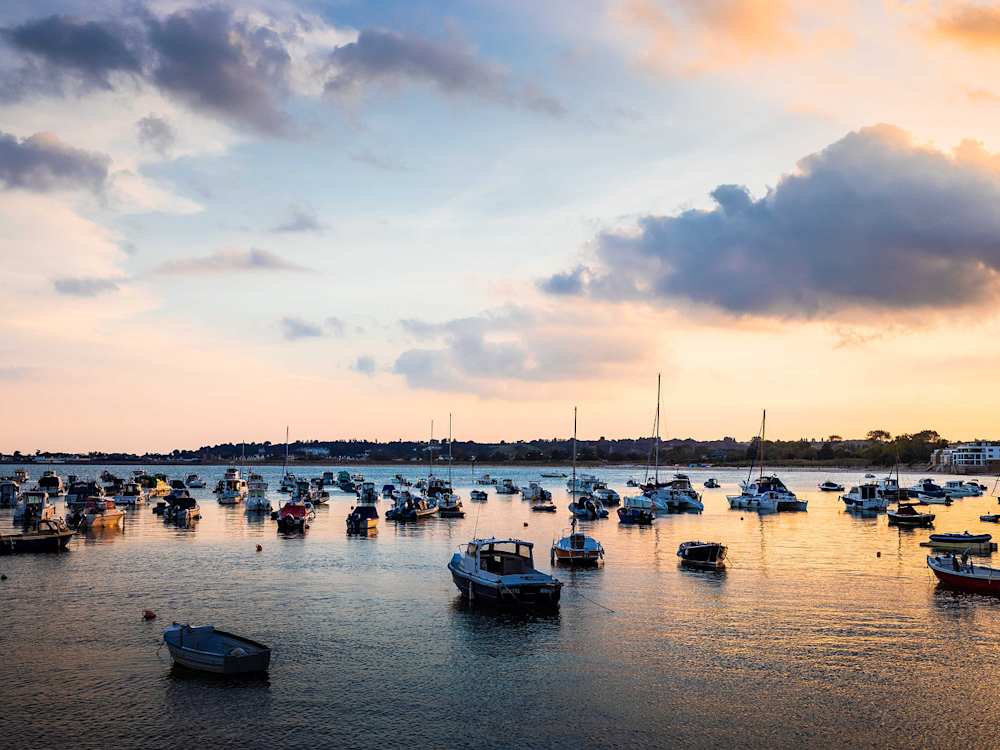
The poster child for Jersey’s trendier, more modern makeover is boutique hotel The Moorings. Set beside Gorey Harbour in the island’s south-east, this well-dressed establishment has 14 airy bedrooms in upbeat pastel shades above two restaurants. Pizzas are served in the casual Maddie, as are terrific pastries and homemade granola come breakfast. Next door, and a little more formal, the romantic Dining Room is kitted out with herringbone floors and leafy wallpaper. Bistro fare holds sway here, and my pan-fried hake in sweet potato purée proves delicious. Locals come in droves, sitting outside on balmy days to gaze over the harbour’s bobbing boats. Dominating the headland behind is 800-year-old Mont Orgueil, an austere granite castle that the Nazis once occupied.
‘Our best-ever feedback,’ reveals Iselin Jones, who has run The Moorings with her hospitality-veteran husband Matthew since they took over in 2021, ‘came from a six-year-old boy. He walked in, looked around and said, ‘This isn’t a hotel! It’s a home.’ That’s exactly the vibe we’re trying for: luxurious, yet laidback and welcoming. We don’t want to be three-star, but we don’t want to be five-star either.’
Inadvertently, I’ve already tested this to the limit. Being a complete plonker, I’d left my bag on the plane and therefore arrived in a state of panic. Both of the Joneses were astonishing: helping me find the right airport person to ring, lending me emergency kit and generally doing all that they could. At one point, their relentless kindness left me tearful with gratitude.
Equilibrium long since regained, I next make for Jersey’s wilder west coast, where the five-mile sweep of St Ouen’s Bay’s sand segues into tussocky dunes, surf camps and bird-rich lagoons. By its rocky peak is the quaint hamlet of L’Étacq, where the famed Jersey Royal potatoes are grown (if they survive the curious pheasants, that is). Here in a repurposed Second World War bunker, I find Faulkner Fisheries. One of the Jones’s dependable tips, this unshowy café stages seafood barbecues on sunny summer days.
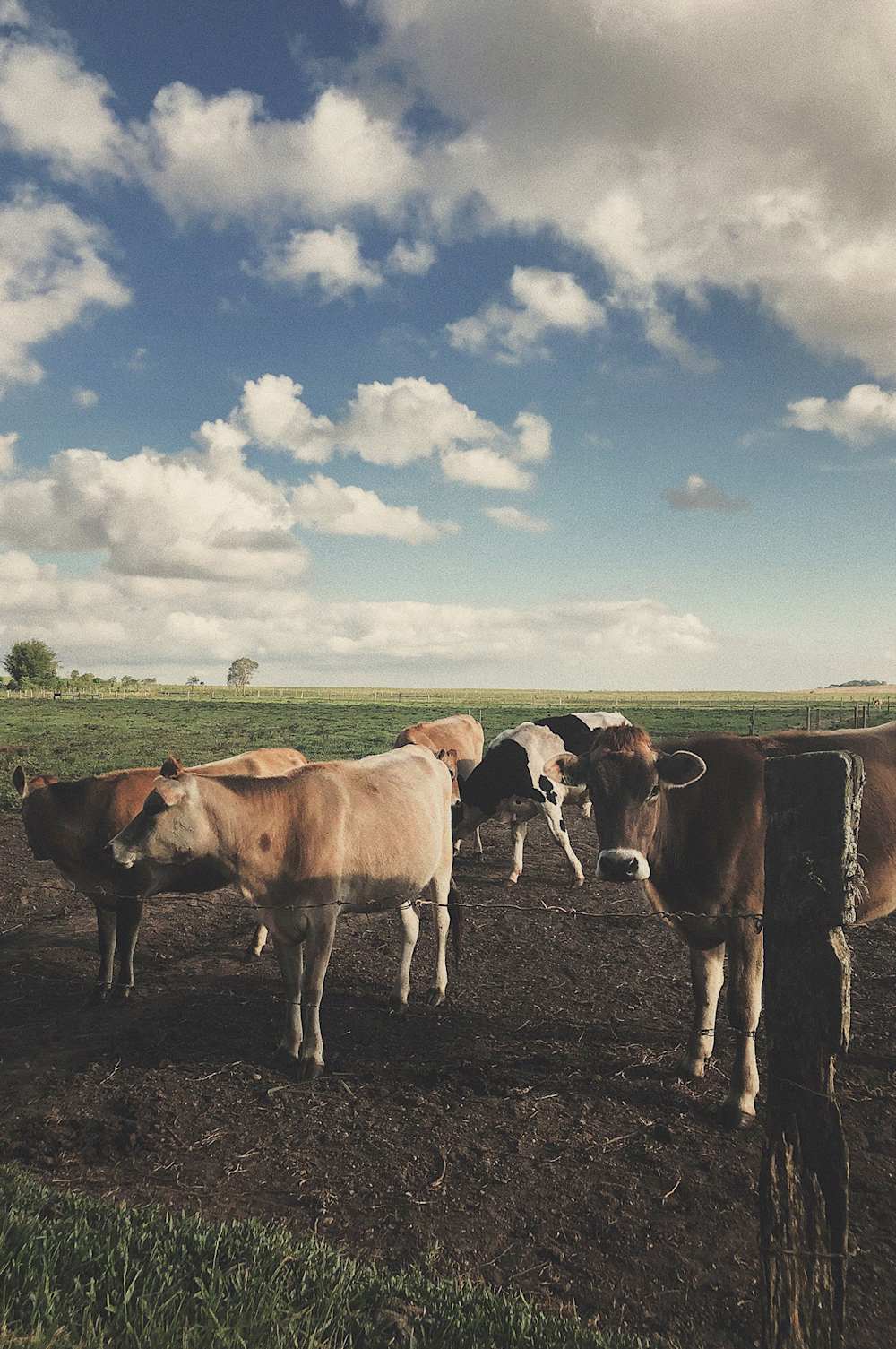
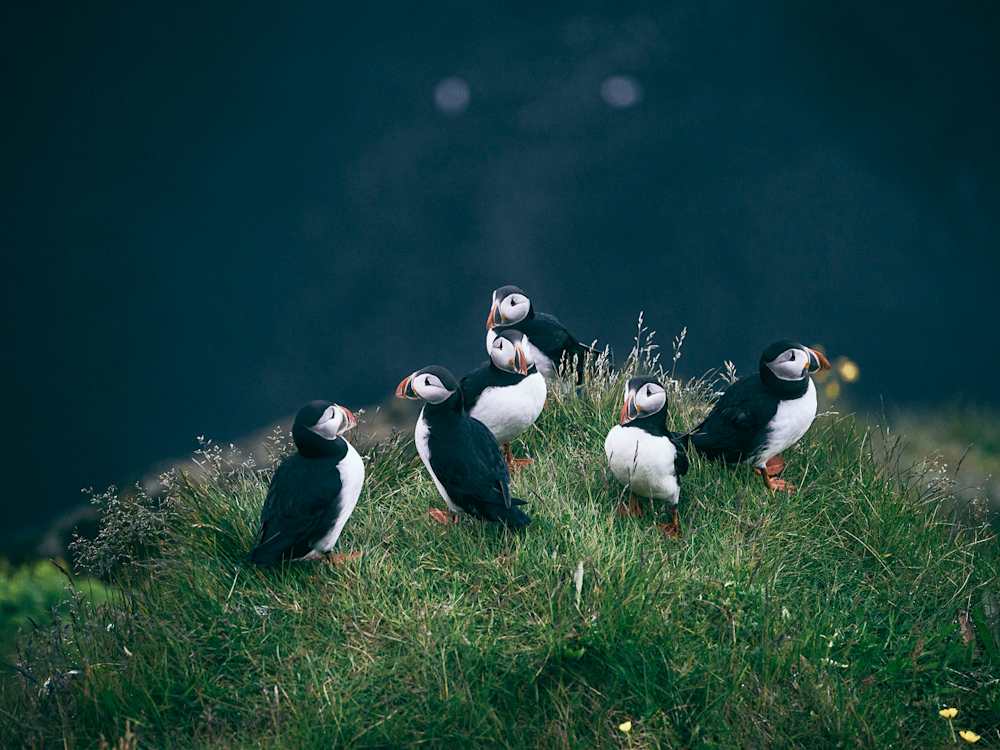
While enjoying a zingy, fresh crab-meat sandwich, I ruminate on how things have changed here. It was near this spot that a large Pontins camp stood until 2000. Its buildings have since been demolished; these days the area forms a huge chunk of the island-wide, conservation-minded Jersey National Park. Puffins and periwinkles have taken precedence over package-holiday hordes.
That same geographical pride has also seen Jersey’s coast path rebranded as the Tidal Trail, a 48-mile circuit offering numerous inter-tidal-zone options along uncovered foreshores. From the lonely La Corbière Lighthouse, I follow it through Monterey-pine woods, spying secluded coves and descending beside the tracks of an old granite-quarry railway en route to upmarket St Brelade, whose promenade runs along a pale-sand bay. Overlooking the water is Oyster Box, one of a quartet of contemporary, smart-casual restaurants scattered around Jersey. As breakers roll in, I relish a paprika-laced fish soup.
Jersey’s appetite for reinvention extends to its vineyards. La Mare wine estate, set amid Jersey’s pastoral, French-feeling north, not only produces whites, reds and rosés from six grapes but also ciders, liqueurs, spirits, truffles, using imported Belgian chocolate. Not forgetting the island’s traditional black butter, a spiced-apple conserve that tastes of Christmas and has nothing to do with its dairy namesake. I learn all that on a breezy tour studded with tastings — the rich Bailiwick red and an apple-powered, Baileys-esque cream are stand-outs — before my taxi arrives.
My driver is Martim, one of the many Madeirans who form a significant community here. As we go cautiously along flowery lanes, I ask whether Jersey’s tourism profile is noticeably changing. ‘Definitely,’ he replies. ‘More younger people are coming, and visitors don’t just do the zoo or the historical sights — they do the sort of stuff you’re doing.’
On the east coast, I enjoy the busy Driftwood café while admiring Archirondel Tower — a red-and-white-painted cutie visible during the first series of UKTV’s grittier Bergerac reboot. This is followed by a sweltering session in Sauna Society’s sea-facing cabin back at St Catherine’s.
There’s time for one last Jersey Seafaris trip to another little-known, tide-concealed archipelago. We head 15 minutes north-east by RIB to the Écréhous islands (this can be done as a 90-minute or three-hour trip; £47.99 per adult or £42.99 per child aged 15 or under), spotting seals and seabirds, from terns to cormorants. We land on Maître Ile, whose 15 dinky houses — again, largely owned by Jèrriais families or fishermen — perch on rock spurs, the majority clustered together. All are quiet. An empty hamlet on an empty island in the middle of the sea: it feels simultaneously preposterous and exhilarating. While the Jersey of yesteryear never tempted me much, this new version, with its far-flung loos, glowing worms and secret sandbars, has been a revelation.
Jersey at a glance
How to get to Jersey: Together, British Airways, EasyJet, Jet2 and Loganair fly direct to Jersey Airport from 17 UK airports, usually in less than an hour. Alternatively, the journey on ferries from Portsmouth or Poole can take anything from four to 11 hours. Go to Visit Jersey’s website for all the details.
How long to spend in Jersey: There are enough adventures here to keep you busy for a week — but at least give it a long weekend.
Best time to go: Summer’s balmy temperatures are definitely best for trips to the Minkies’ sandbars, and for finding barbecues at Faulkner Fisheries. Late summer into early autumn is arguably the sweet spot, though, thanks to a cocktail of still-warm seas, slightly cooler days for walking, optimum bioluminescence conditions and thinning crowds to bring added authenticity.
Don’t miss: Jersey’s most famous sights are its Second World War tunnels, acclaimed zoo and the 16th-century, tidal-island-set Elizabeth Castle in St Helier. The island is also known for its Jersey Royal potatoes and the creamy milk of Jersey cattley.
Transport tips: Jersey’s bus network is reliable and comprehensive, although some journeys, such as the scenic number 22 to La Corbière lighthouse and up St Ouen’s Bay, can take hours. We recommend hiring a car or pre-booking a taxi with Domino Cabs.
Discover our coastal hotels in England, or continue across the Channel to France
Richard Mellor is an award-winning journalist who has written for The Times, The Guardian, National Geographic Traveller and other national newspapers, trade titles and magazines. His most recently-published book was Foodie Breaks, which highlights culinary hotspots throughout the UK.