



Traipsing around a sweltering metropolis is hardly the most hankered-after of summer-holiday experiences. Unless, of course, the city in question boasts the addition of a scenic shoreline, where you can combine your urban explorations with a rejuvenating dip-and-flop by the sea. Here’s our pick of the best city breaks with beaches in Europe.
Lisbon
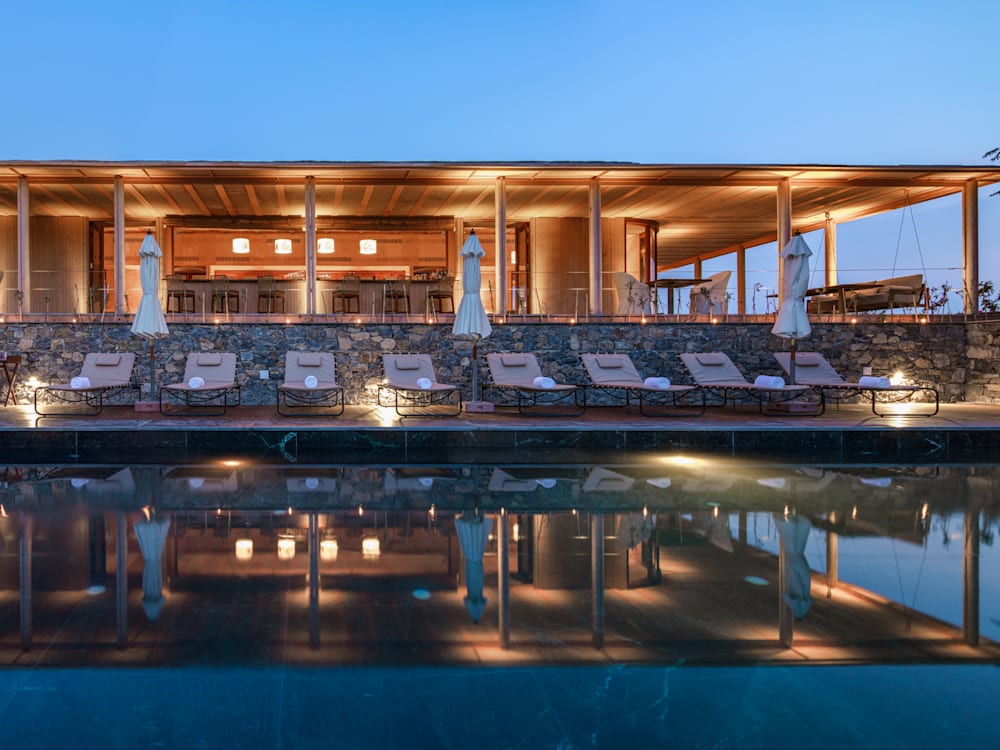
Not so long ago Portugal’s capital was barely a blip of a destination on most travellers’ radars. Lisbon‘s status since, however, has been catapulted from long-overlooked day-trip curiosity into one of Europe’s hippest of hotspots. Today it seems everyone’s clamouring to sing the praises of the Continent’s westernmost capital, and it’s easy to see why.
From its seven cinematic hills to cobble-street-traversing trams, buzzing nightlife neighbourhoods to quaint old coffee houses, the place boasts a cornucopia of city-break-friendly features. And that’s before even extolling its sandier bits.
Although you can’t quite flip-flop out of the centre and onto a stretch of golden coast, you’re a quick, half-hour cab-hop from the nearest beach Praia do Dafundo. This is the first in a series of laidback beaches that dot the coast and lead to one of Lisbon’s finest: Carcavelos Beach — also a top spot for swoonsome sunsets. Take a 40-minute drive south from the city and you’ll come across another string of breezy-but-beautiful beaches that start at Praia de São João and look out over miles of wild Atlantic Ocean.
Where to stay
The closest hotel to the coast in the city is Hermitage Castelo Casa Sé, whose golden-sand-hued accents and soothing blue views of the River Tagus will put you in beach mode before you journey out to the praias.
Explore our complete collection of Lisbon hotels
Dubrovnik

When its cobbled arteries aren’t clogged with throngs of day-trippers disgorged from recently docked cruise ships, Dubrovnik’s frozen-in-time Old Town has to be one of the most enchanting places in Europe. And wedged between rugged coastal sierra and sparkling Adriatic Sea, its geographical setting only adds to its shamelessly romantic charm.
With its photogenic movie-star looks, its status as the most filmed location in Croatia comes as no surprise either (Game of Thrones fans know the score). But Dubrovnik’s appeal extends to more than just an Insta-friendly city break — beyond all the baroque is plenty of beach beauty too.
A fleet, 15-minute taxi ride from the Old Town is Banje Beach, with its mixture of white pebbles and (rare for Croatia) even a patch or two of sand. You even still have views of the old city walls and pretty Lokrum island opposite. Skirt a little further along the coast and you hit the secluded cove of Sveti Jakov, a cliff-enclosed beauty on the edge of town.
But if you’d rather somewhere with a little more zhuzh, head to the aptly named Copacabana Beach, a 10-minute drive from the Old Town. It might not be as big as its Brazilian namesake, but an oh-so-chic beach club — the kind with champagne packages and four-poster day-beds — will soon have you humming that song as you sip the first of several caipirinhas.
Where to stay
Choose from several coast-hugging hideaways close to the city. Excelsior Dubrovnik, a stay that combines old and new in it’s two-face architecture, overlooks rocky outcrops, but has a lido overlooking those azure waters; and Villa Dubrovnik has pairs of loungers set on a stone-hewn terrace that juts out into the sea. But pack the flip-flops for Hotel Bellevue Dubrovnik, to the north, which has a privileged position next to a largely sandy bay.
Explore our complete collection of Dubrovnik hotels
Palermo
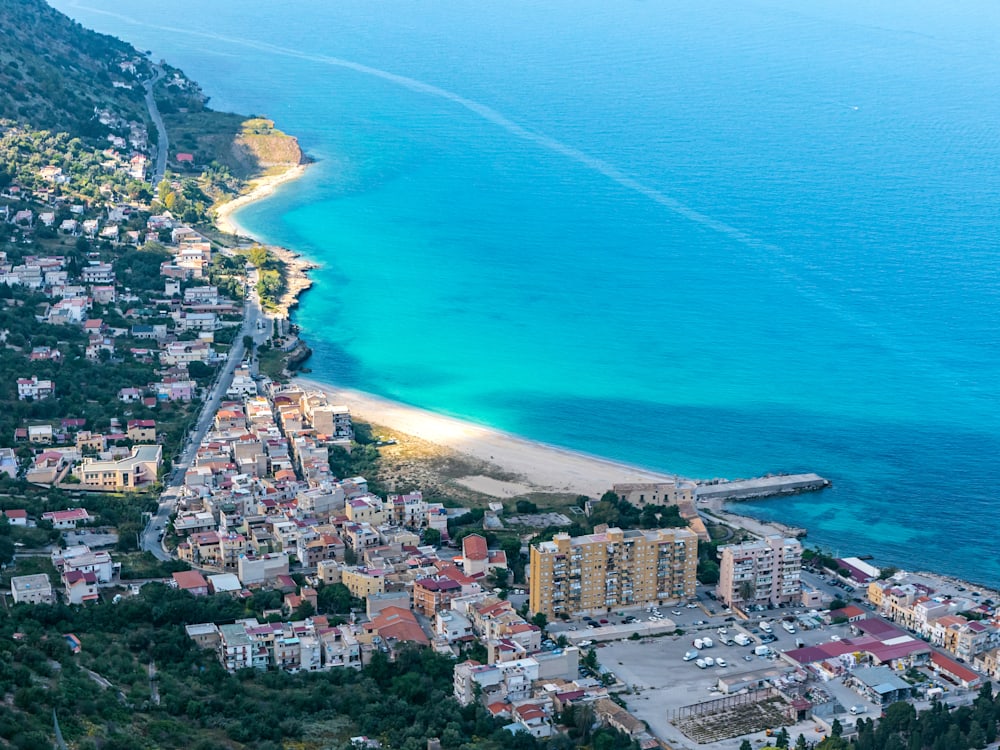
The island of Sicily conjures images of citrus-scented landscape, sleepy mediaeval towns, and scenery whose serene bucolic beauty has been praised by poets through the ages. Stroll around its capital Palermo, however, and you discover a dizzying metropolis of sprawling streets, churning traffic and a wonderfully jumbled collection of architecture ranging from gilded opulence to graffiti-spattered.
It’s a pulsating millennia-old city whose richly layered history can be witnessed around every corner, where crumbling stucco and the smell of sweet pastries follow you around a labyrinth of shady lanes and abruptly peaceful plazas. And when you’re done with your urban wandering, it’s got beaches too.
If you don’t want to drift too far from the city, Vergine Maria Beach (a 20-minute drive north from the city centre) is a perfectly pleasant swathe of public shore, popular with locals and loomed over by craggy Monte Pellegrino.
Easy to reach by public transport — and the area’s most cinematic sweep of powder-fine sand — is Mondello, a long golden bay with painted-plank beach huts, canary-yellow parasols and gently sloping shallows. And if you don’t mind it rocky, neighbouring Addaura Beach is a stretch of sand-free coast where you can leap right in to that impossibly cerulean sea Sicily is known for.
Where to stay
The White Lotus season two may have been set in Taormina, on the other side of the island, but Rocco Forte hotel Villa Igiea could have easily starred as the backdrop with its luxe-to-the-max attitude and estimable past as host of royals and celebrities since the 19th century. A rich tableau of chandeliers, statuary and frescoes make it sparkle as much on the interior as the Med does just beyond.
Explore our complete collection of Palermo hotels
Nice and Cannes
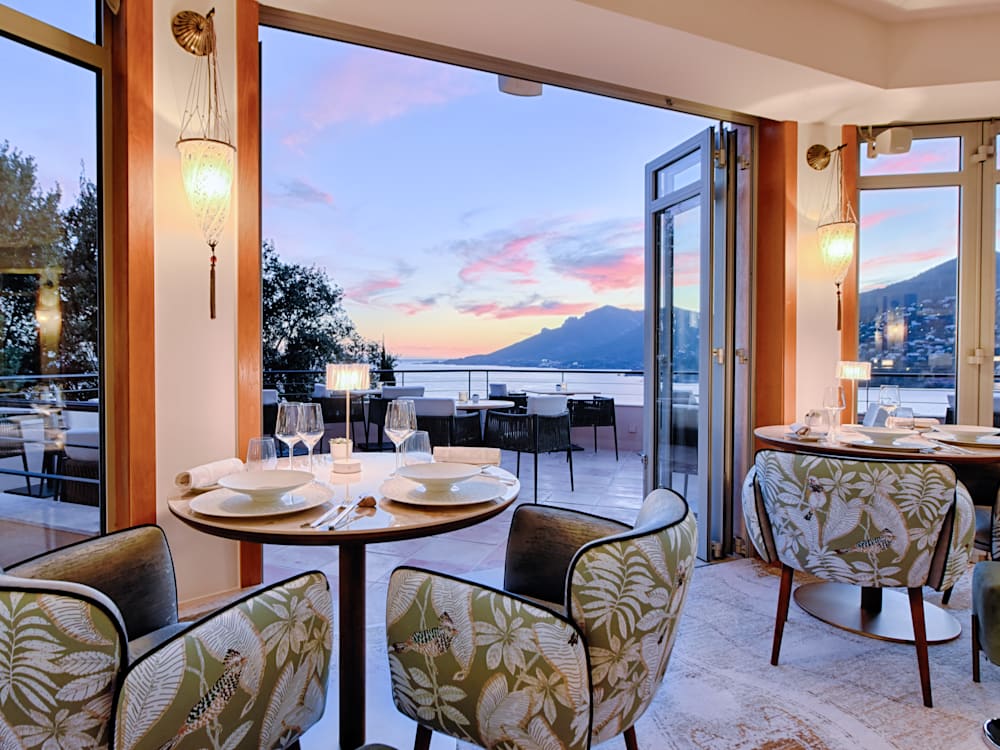
Torn between which of these French Riviera rivals to choose? Then don’t; include the pair. Both occupy an enviable stretch of the Côte d’Azur, with playground-for-the-prosperous profiles and a rather lovely collection of Belle Epoque architecture.
Nice is the much larger and laidback of the two, with an old-school glitz that evokes the era when the likes of Charlie Chaplin and Coco Chanel would drop into town. Cannes’ glamour is a little more du jour, thanks largely to the film festival that attracts the annual A-lister assemblage.
As far as their respective beaches, sorry Nice, but the miles of soft golden sand that line Cannes’ coast are some of France’s finest. Its main city beach runs along La Croisette, sections of which have been claimed by the bigger hotels.
Along from the ritzy yacht marina, the beaches start again in a seemingly endless strip of powdery plage. That said, if you prefer the smooth clunk of sea-polished pebbles, the Nice coast is a scratchy-sand-free treat.
Where to stay
In Cannes, Hôtel & Spa Belle Plage has sand-dusted delight right there in the name, and sits just steps from beaches that live up to that ‘belle‘ descriptor. Really lean into Cannes’ jet-set reputation, hiring the hotel’s yacht for a spin and making VIP friends at Carlton Beach Club close by.
Explore our complete collection of Côte d’Azur hotels
Porto
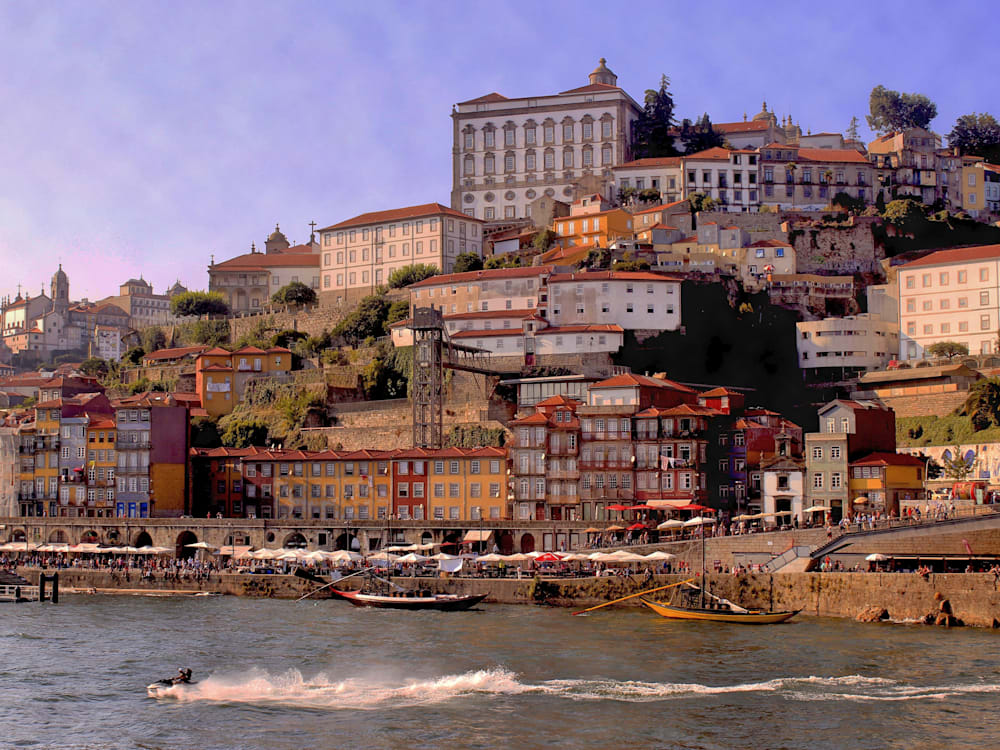
Porto has so many superb stretches of sand, it’s easy to see it as an Atlantic beach resort with a city attached — and what a city. Rising up from the banks of the Douro River, terracotta-roofed neighbourhoods are woven with cobbled lanes and dotted with Baroque churches and Neoclassical buildings, funded by the city’s once-booming commerce.
The riverside barrio of Ribeira is a wonderful place to unwind with a glass of the eponymous fortified wine overlooked by azulejo-clad buildings and Porto’s iconic Luís I Bridge.
But back to the beaches. Running alongside Porto’s main oceanfront road is a series of sandy bits starting with Praia do Carneiro in Foz do Dooro and ending at the vast Praia de Matosinhos. Hop over the marina and the beaches start again and lead to Piscina das Marés, a pair of tidal swimming pools. All along this scenic sweep of Atlantic coast you’ll find yellow sand, spectacular sunsets and excellent surf conditions for much of the year.
There’s even that city-beach rarity, a lovely white-sand beach that’s rarely crowded and where clothing is very much optional at Praia Cabedelo do Douro.
Where to stay
Turreted Vila Foz Hotel & Spa, set further out from the city centre, is a noble retreat amid the city’s sandy bits, with an enchanting aspect of the Atlantic Ocean. Its spa gives you the royal treatment with a sauna, hammam and Anne Semonin treatments, but a spell on the beach just steps away may feel equally restorative.
Explore our complete collection of Porto hotels
Palma de Mallorca
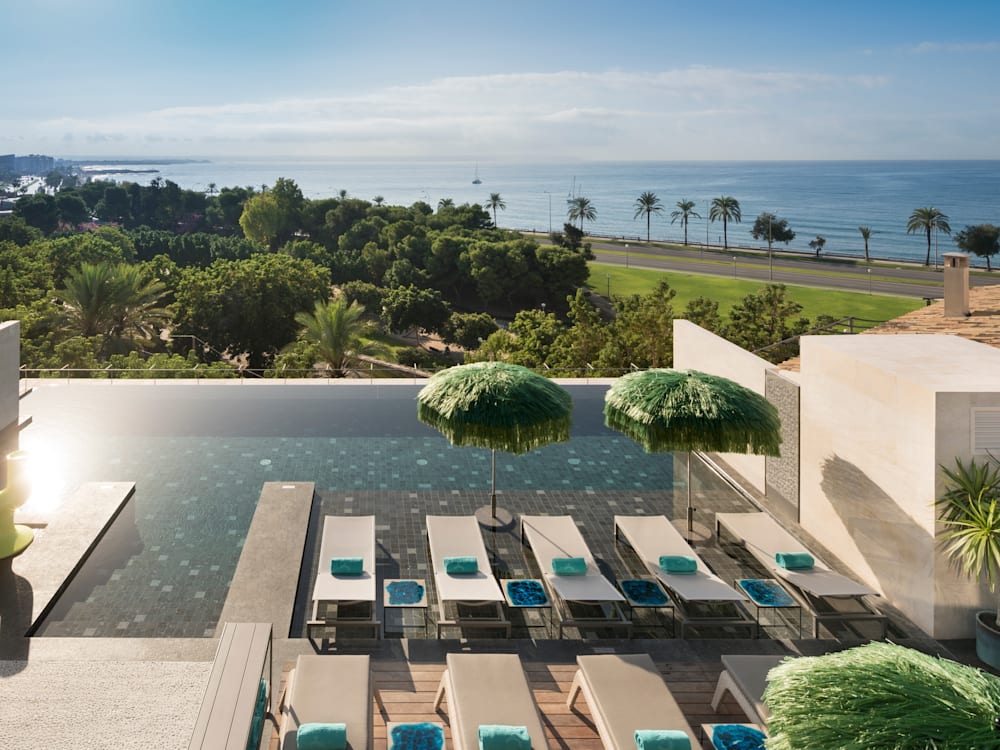
With its soaring sandstone cathedral, palm-studded boulevards and sunny Mediterranean disposition, Mallorca‘s capital has always had enough appeal to pull visitors from their poolside lounger for the day.
Today, savvy travellers know Palma as a visit-worthy destination in its own right, with a slew of sexy design-forward hotels, top-notch dining scene and plenty of after-dark swagger. What’s more, you don’t have to hit the beach resorts for some sand-and-sea action.
The city’s main golden stretch is the beach of Can Pere Antoni, almost a kilometre of sandy shoreline flanked by a pair of beach clubs and an easy stroll or cycle along the coastal promenade. Push a little further east and you hit laid-back, buzzy Portixol, with its pretty shingle-sand bay and cluster of sea-view restaurants.
The sand starts again at neighbouring Molinar and extends unbroken to family-friendly Playa Ciudad Jardín. For that beach resort feeling a mere five-minute cab-hop away, Blue Flag Cala Major comes complete with on-the-sand chiringuitos and beachfront eateries dishing out cold cañas and summery tunes.
Where to stay
To be within strolling distance of Can Pere Antoni, book a room at El Llorenç Parc de la Mar, a slick modern stay with a Michelin-star-holding restaurant, chic rooftop with a pool and palm-tree-studded views, and experiences that run the gamut from wine tasting to helicopter rides.
Explore our complete collection of Palma hotels
Barcelona
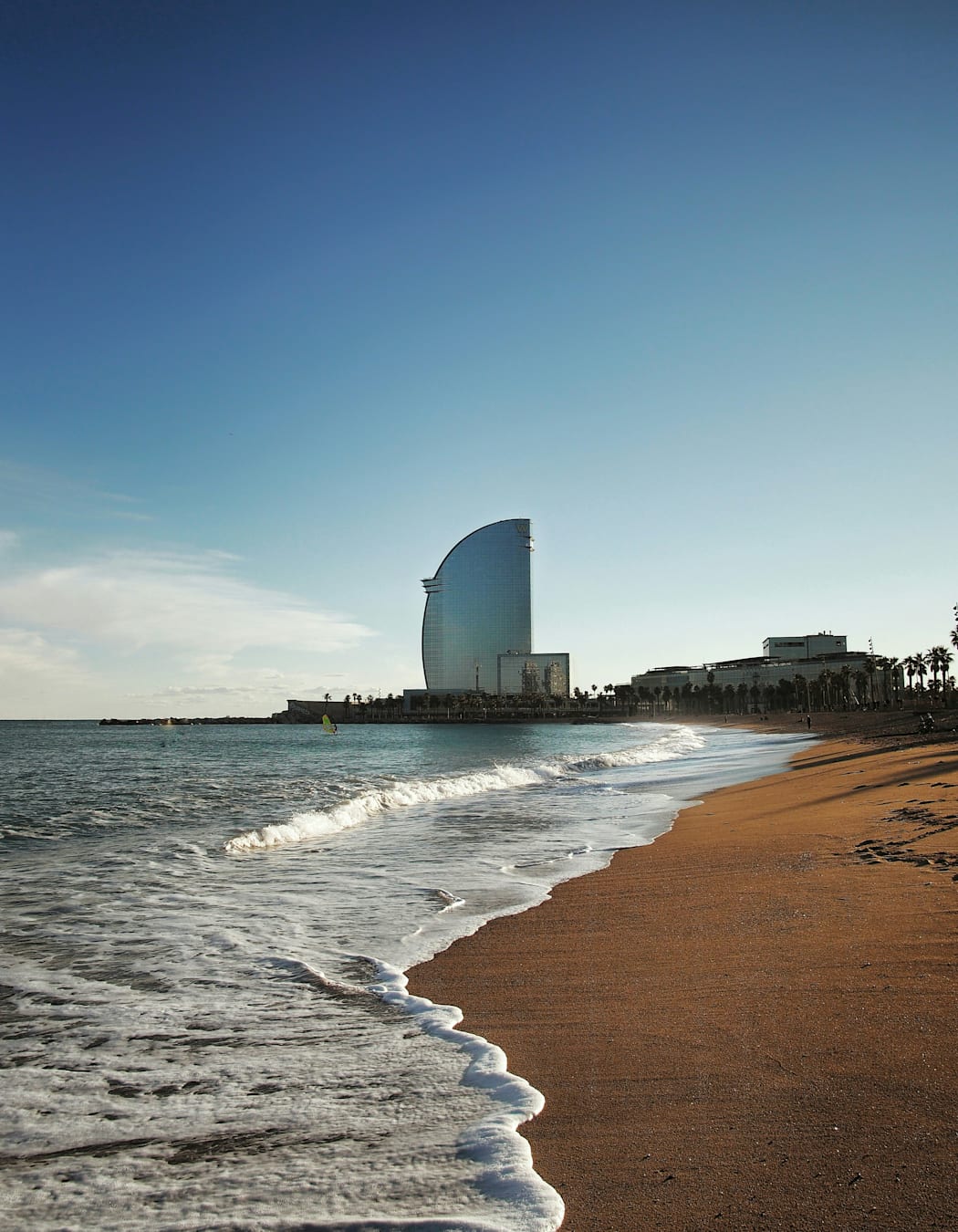
Culture and coastal lazing crash into each other like waves hitting sand in Barcelona. Maybe you’ve come to admire Gaudí’s fairy-tale masterpieces (Sagrada Família, Casa Batlló, Park Güell…) or the Mies van der Rohe Pavilion, to watch Flamenco dancers strut their stuff to castanet clicks, watch Barca play, see the dedicated Picasso and Miró museums, or dig into millennia of history.
But, once you’ve rambled up and down La Rambla, succumbed to the moody antique charms of Barri Gòtic, ticked off El Born’s sights and revelled in the freewheeling bars of El Raval, you might just want to spend a day flopped on soft sands, and – as luck would have it – Barcelona’s edged in powdery gold (around three miles of it to be precise).
Your entry-level playa is super central Barceloneta, which isn’t exactly undiscovered, but serves for a few mojitos worth of your time. To the east, Mar Bella is action-packed with areas for skateboarding, basketball, ping-pong and volleyball and there’s a kids’ play area, but parents should note that this is clothing-optional in parts. For quieter stretches, head a little beyond the city to Sitges or Little Beach House Barcelona where you can sunbathe restfully by the Bay of Garraf.
Where to stay
If you’d rather sit closer to the city, but still with aquamarine views, stay at Soho House‘s other Barcelona hideaway, idyllically set between La Rambla and Port Vell. It has a very cool rooftop pool, eye-catching modern Spanish art and their signature take on Catalan style throughout.
Explore our complete collection of Barcelona hotels
Málaga
Málaga might be best known as Picasso’s birthplace, but that’s not the whole, ahem, picture because this Costa del Sol hub is renowned for beachy urbanity, too. The golden border between the city and the Alboran Sea is broken up only by its port, but it’s a welcome interruption, with the lively Muelle Uno area’s shops, restaurants and the Centre Pompidou Gallery, which — yes — has a few Picassos on its walls.
Blue Flag-awarded La Malagueta is the most-popular stretch of sand, and at 1,200 metres long, you’ll surely find a space for your beach towel. There are also loungers and parasols to rent, and a play area for kids. In between splashing in the surf, stop for skewers of flame-licked sardines or cups of cooling gazpacho at the chiringuitos that dot the sands.
If that’s simply not enough beach for you, La Malagueta segues into La Caleta (a mere 1,000 metres long). Or drive out east for the dramatic rock formations of Peñón del Cuervo and the cliff-sheltered coves of Maro, where the waters are lens-clear for snorkelling.
Where to stay
While Cristine Bedfor Málaga and Palacio Solecio aren’t beachfront, they both offer you a cultural saunter over to the sands. Surrounding them are the Picasso Museum, Renaissance Cathedral and Málaga Museum, plus regal palaces.
Explore our complete collection of Málaga hotels
Biarritz
With a character as well-heeled and monied as the last syllable of its name, Biarritz has a reputation built on Belle Époque architecture, Basque gastronomy and resorts that have hosted a succession of royal guests. But it’s also been known to pull on some board shorts and get gnarly.
Côte des Basques is known as the beach where surfing was first popularised in Europe in the 1950s, when Cali expert Dick Zanuck brought his board over with him. Now beginners and experts alike gather here for lessons or just for fun — there are various surf schools if you want to get involved.
What’s that? You came here to relax? In that case, La Grand Plage will do nicely. Revered as a wellness spot in the 19th century for its reviving salty air, it’s still soothing now, if blustery at times. Hire one of the signature stripy tents for more shelter than a deckchair.
It was a favourite of Napoleon III and Empress Eugénie, too — your beloved might not build you a hotel and gilded chapel nearby, as Napoleon did, but strolls with the Biarritz Lighthouse in the background have a love-for-the-ages feel to them.
Where to stay
Formerly Eugénie’s residence (built in an ‘E’ shape), Regina Experimental Biarritz has been refreshed to attract a new generation of VIPs. Under the Experimental Group, it now has a Po-Mo look by designer Dorothée Meilichzon and see-and-be-seen cocktail bar. And it’s set on a cliff just above tranquil Miramar Beach.
Explore our complete collection of Biarritz hotels
San Sebastián
La Concha beach (‘shell’ in Castillian) curves around a blue, blue bay speckled with sailboats and Santa Clara Island, which — in a case of beach-ception — has its own tiny sandy spot, only accessible by boat in summer. La Concha is around 1,350 metres long and is framed by leafy mountains, which you can ogle from the picturesque promenade. Neighbouring Playa Ondaretta has floating platforms to play on too.
Bring the extra-stretchy swimwear though, because the city’s famed eateries spread around it like grains of sand in a gentle breeze, so your itinerary will largely be eat, beach, repeat. But should you want to throw some boarding action into the mix, Playa de Zurriola is a surfing hotspot.
Where to stay
Villa Favorita overlooks the promenade and La Concha and so acts as an excellent conduit to sunbathing and sea.
Explore our complete collection of San Sebastián hotels
For more shore things, check out our complete collection of beach hotels in Europe