



One day we’re throwing pots in the East Sussex wilds, the next sipping wine on the Istrian coast, then spying Iberian lynx in Andalucia: us Smith staffers are a flighty lot. But who can blame us, with a new batch of hotels enticing us to ‘check-in’ each month. April brings island pads, grand city-centre stays and wine-sloshed retreats, so make those reception bells ding and get your Smith wings.
Le Sirenuse
Positano, Italy
There’s not enough space here to recount the long history of the Sersale family, who’ve owned Amalfi Coast hotel Le Sirenuse for generations. What you do need to know is that when patriarch Paolo Sersale (who served as mayor of Positano for several terms) and his siblings opened up their family villa in 1951, it became one of the most iconic hotels in the region. Beyond that, a stay at Le Sirenuse will give you the highlights of the Sersales, as stories are revealed in each deeply personal touch, from antiques won in auctions and Silk Road-inspired ceramics sold at the family’s boutique, to spritzes of citrus scent from their Eau d’Italie line. You’ll want to dive in as deeply as you can into the blue, blue waters of the Tyrrhenian, because when you think of old-school, Amalfi Coast glamour, Le Sirenuse embodies exactly that. A place where you can feel lives very well-lived, while carrying on the tradition.
Why we love it: While Le Sirenuse’s sense of noble history and warm familial embrace is timelessly appealing, we love that the Sersale family keeps redefining the hotel’s luxury offering. A listening bar was launched here recently, and dynamic art installations and the opening of a spectacularly glamorous beach club mark its 75th anniversary this year.
Kate Weir, Deputy Editor
Crafted at Powdermills
East Sussex, UK
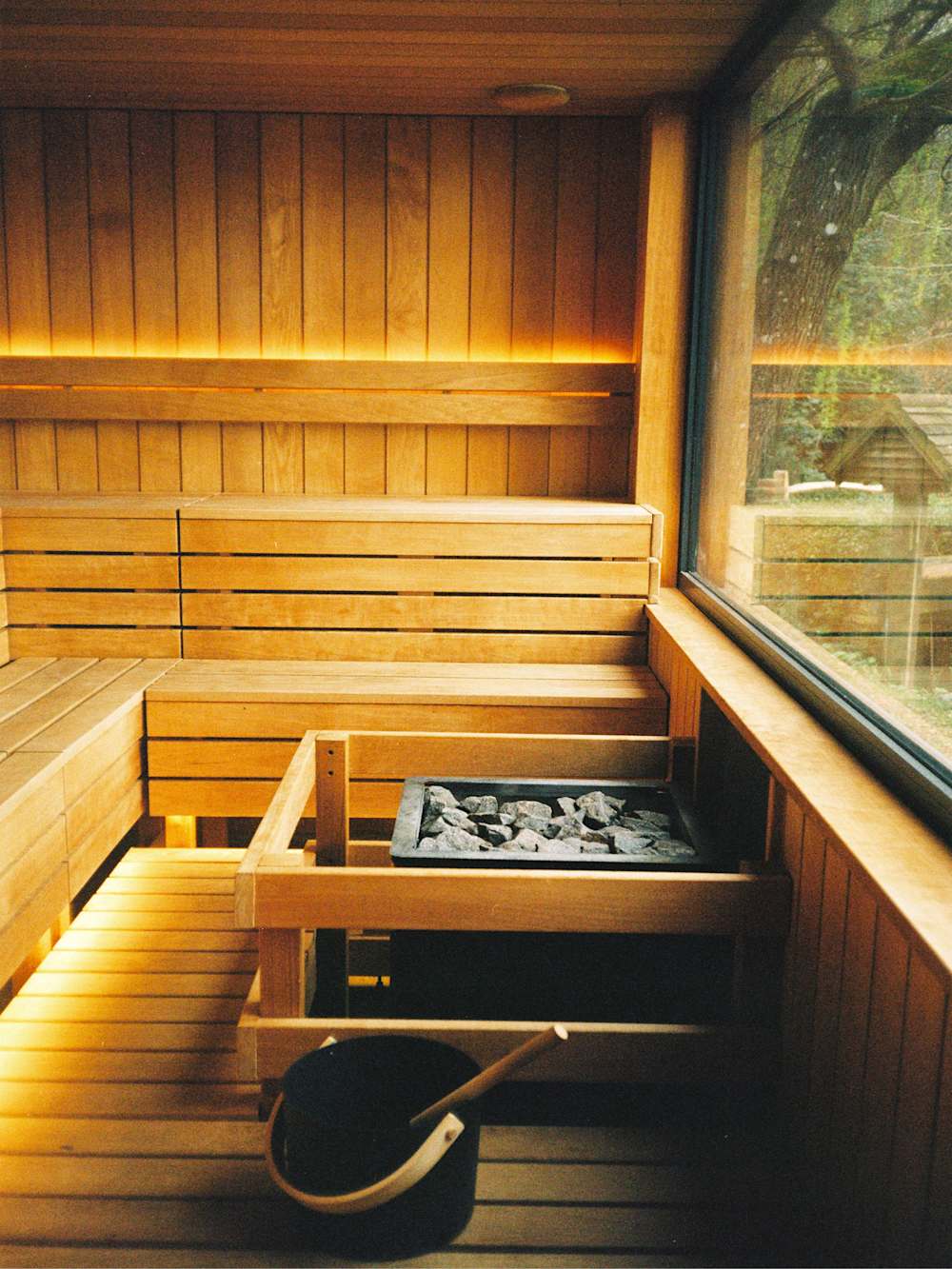
Staying at a former gunpowder mill on the fringes of Battle sounds chaotic, but times have changed since 1066, when William the Conqueror got a bit rowdy and the early 1600s, when the mill allegedly supplied explosives to a certain Mr Fawkes… Now, with the Crafted group in charge, cooler heads prevail and a cooler, more colourful look has been applied within, thanks to local creatives. Peace — at last — looks like lolling in a sauna overlooking a vast, placid lake, followed by a cold plunge and hot tub wallow; or taking your sweet time turning a Japanese-style ceramic pot in the crafting cabin; or being enchanted by biofluorescent plants on a woodland walk after dark. And retiring to a room with leafy views and huge beds makes unrest wholly a thing of the past.
Why we love it: The hotel’s dedication to showcasing local artists and rewilding the grounds to pre-agricultural-Britain’s pristineness are reason enough to book, but dining that really digs into the surroundings — with Brighton Blue-pocked dishes, oysters from the local fishmonger, wines from regional vineyards — adds extravagance to altriusm.
KW
Meneghetti Wine Hotel & Winery
Bale, Croatia
In yet another story of conflict turning to calm, Meneghetti Wine Hotel & Winery first started out as essentially a café for the Austro-Hungarian soldiers who were stationed near the estate during Istria’s occupation, after the eponymous Meneghetti bought up the old farm buildings and planted vines and olive groves. ‘Make wine not war’ should be its slogan, because long after those soldiers had been discharged, it still produces a fine line in malvazija, blanc de blancs and more, plus brandy and some well-regarded olive oil. All pair well with Italianate dining, and the hotel feeds you in more ways than one. Cultural manna comes in the form of an heirloom art collection, truffle-hunting sessions and history-led tours of ancient local towns.
Why we love it: Because drinking and being merry is our MO. But drinking to your health takes on more meaning here, as vinotherapy treatments in the spa use grape-seed-oil to nourish and soothe you, and olive oil makes your skin glow like the Istrian sun.
KW
Kukutana
Andalucia, Spain
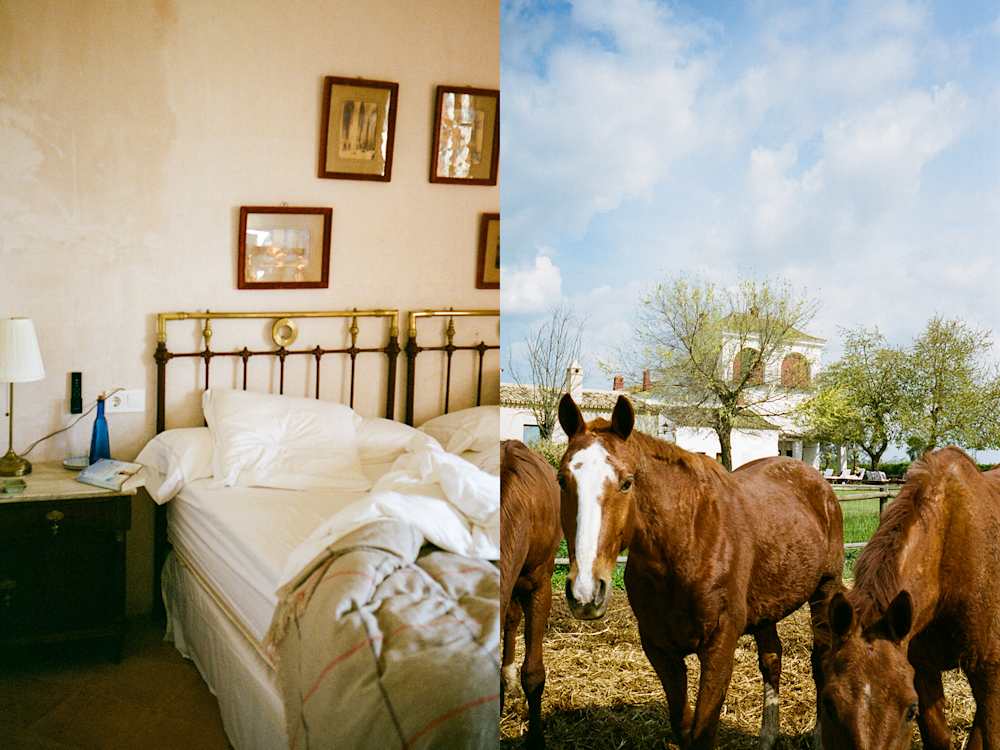
We don’t want to stereotype, but ‘horse girls’, saddle up, this one’s for you. Kukutana is an Andalucian ranch where feeling the wind whip through your hair as you canter along the golden coast, gently trotting through pine forest or taking a scenic horse-drawn-carriage ride is just a part of life and has been for centuries. Equines aren’t the only creatures of interest here — the hotel sits by Doñana National Park, a gorgeous melee of marshland, lagoons, dunes and maquis, which animals like the Iberian lynx and Spanish imperial eagle are rather fond of. It’s yours to see by hot-air balloon, hike or 4×4. Wild, new encounters are followed by warmly familiar nights, as the family who’ve run the ranch for years cook up ancestral recipes and pour local wines. For your next Spanish stay, you heard it straight from the horse’s (well, Smith’s) mouth.
Why we love it: This is immersion in a beautiful way of life rather than simply a stay — you get a private guide for authentic jaunts out into Andalucia, often with exclusive access to major sites. Plus, homemade meals tailored to your tastes — by check-out you’ll feel like part of the familia.
Caroline Lewis, Senior Editor
Kodo Hotel
Los Angeles, US
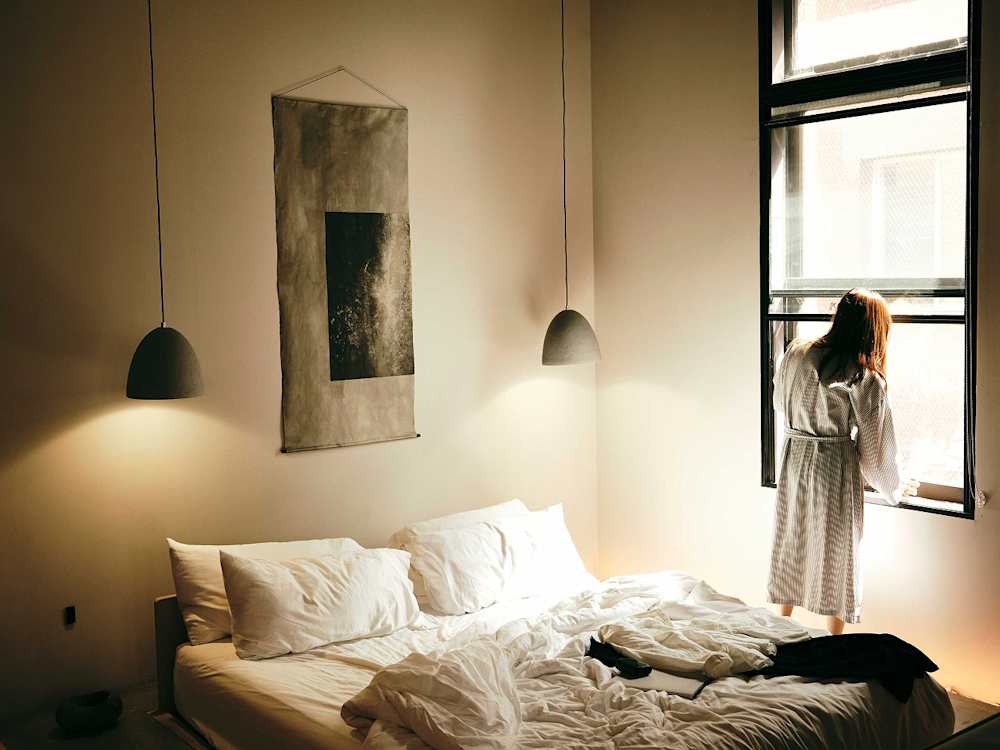
Eight-key Kodo Hotel delivers consistency and contrast in equal measure. You’ll find both in its design: the ryokan-inspired interiors are guided by wabi-sabi principles — clean lines, muted tones, considered minimalism — and act in (welcome) opposition to your lively locale in Downtown LA’s riverside Arts District. Its adoption of omotenashi, the Japanese culture of wholeheartedly caring for guests, is another constant. The concept comes from tea ceremonies, and you can experience a modern take on tradition with a free, daily pastry and brew at the hotel’s café. For an extra taste of Tokyo, the hotel restaurant dishes up handrolls, wagyu steak and an omakase menu — you’ll be forgiven for not adopting hara hachi bu here (the practice of eating until you’re only 80 per cent full) and going for the full 100.
Why we love it: Kodo Hotel may look to Japan in many ways, but it’s also rooted in Angeleno heritage. The building was once home to a LAFD engine-house; its preserved façade and red-brick walls bring some local character and warmth to this otherwise oh-so-cool stay.
Millie Field, Content Writer & Editor
Bitter End Yacht Club
British Virgin Islands
The Caribbean’s dry season draws to a close in April, but days are still sunny and warm. If I wanted to end my own dry season, sipping handcrafted cocktails beside the sea at Bitter End Yacht Club is a lapse I couldn’t regret. Set on Virgin Gorda’s eastern peninsula in the British Virgin Islands, this stalwart resort radiates trad-Caribbean charm. Bitter End has all the ingredients for a sweet stay: watersports to try, palm-shaded beaches, rum cocktails in ready supply, and polished clubhouse dining. But I also admire its more recent additions: a post-Hurricane-Irma overhaul has brought salvaged materials and storied nautical details into play, further elevating its allure.
Why we love it: Beach lovers, rejoice: the set-up at Bitter End invites you to lean into some serious R’n’R. You can only get here by boat; there’s a minimum five-night stay; and a choice of over-water villas or beach bungalows puts the resort’s mile-long stretch of coral sand and bath-warm North Sound shallows at the heart of any sojourn here.
Kate Pettifer, Senior Content Editor
Six Senses London
Bayswater, UK
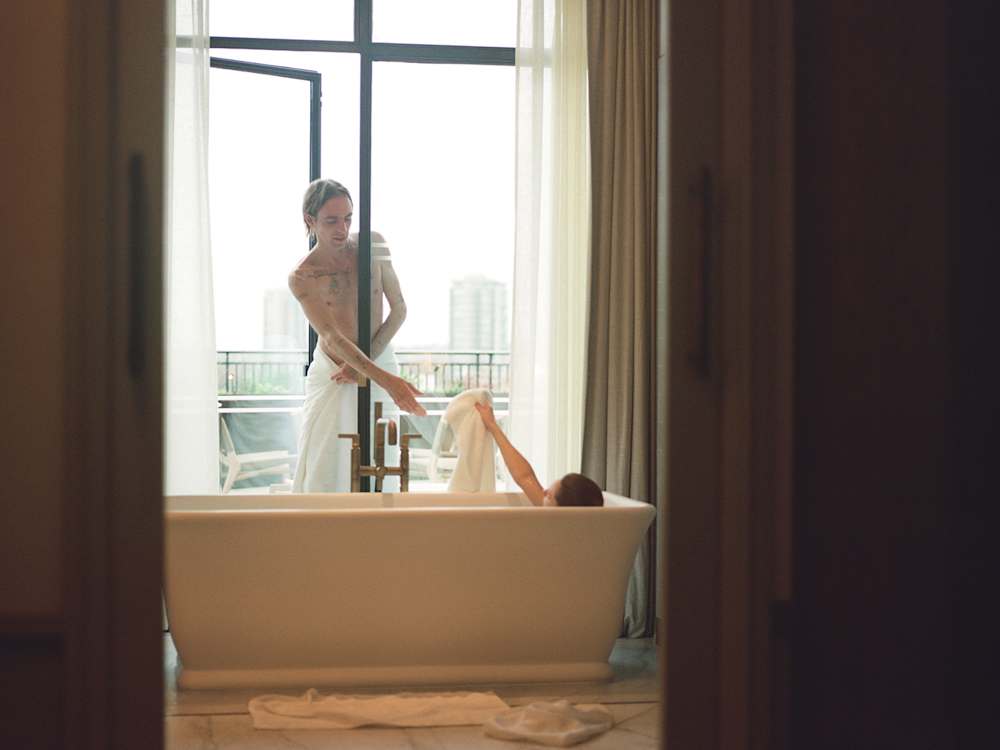
Professor Henry Higgins once proclaimed that the only place worthy for Eliza Doolittle’s rebrand was the famed Whiteleys department store. Over a century later, its hallowed halls have changed somewhat, and Six Senses London has arrived with a glamorous transformation that might just rival Eliza’s. Set over a quarter of the original space, the storied hoteliers have brought their signature indulgence to the leafy streets of Westbourne Grove, with a spa that spans some 2,300 square metres, and features its very own biohacking room and in-house herbalists for those who need more holistic healing. Add in a revered restaurant, members-only club and art deco-inflected rooms that pay homage to this institution’s heritage, and it’s safe to say we’re as smitten as Higgins once was.
Why we love it: Six Senses take sustainability efforts seriously, and its first English outpost carries that reputation with pride. Swathes of wild vegetation sit atop its roofs, natural plants perfume the air inside, everything from the restaurant’s produce to the decor in rooms contains locally sourced elements, and the group says it’s committed to reinvesting 0.5 per cent of its revenue into urban rewilding. You’re also welcome to take part in a rotating roster of educational events in its Earth Lab, should you want to learn more.
Ellie Nelson, Senior Content Writer & Editor
Infante Sagres
Porto, Portugal
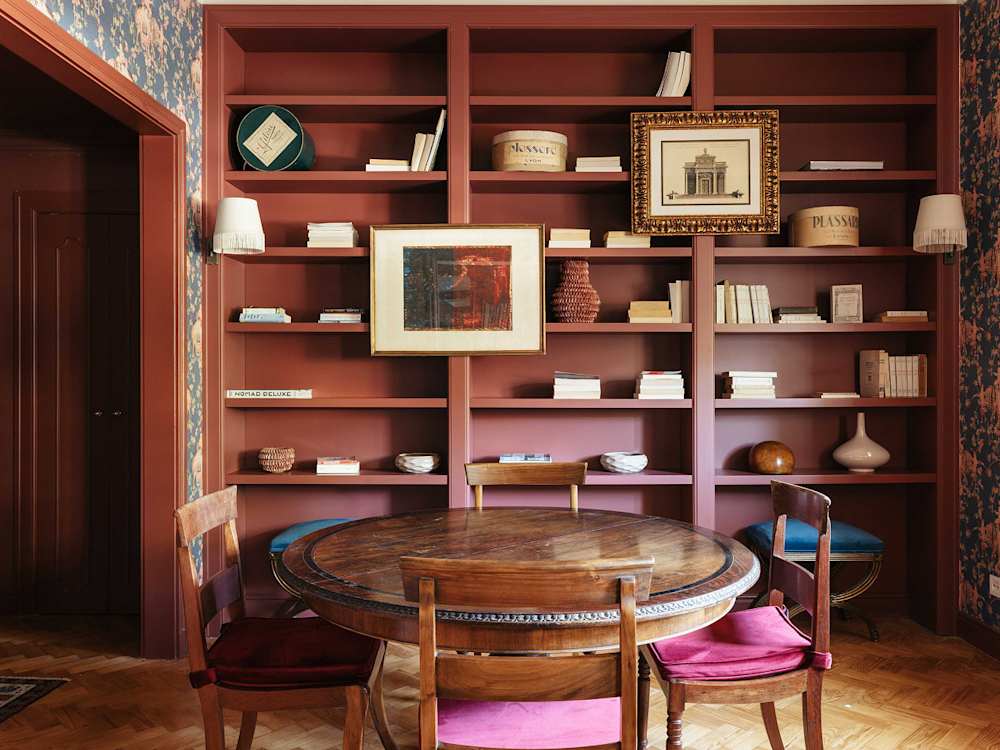
Prince Henry the Navigator, the Infante in this hotel’s name, is famed for kicking off the Age of Discovery. Which feels apt because Infante Sagres was Porto’s original luxury hotel and carried that prestige throughout the 20th century. In 2024 it had a sumptuous, top-to-toe refresh: new-look façade, gorgeously reworked lobby, a rooftop pool and bedrooms that flirt with maximalism in all the right ways. In this new age of hotel curation, we’ve done the exploring for you; and in the case of Infante Sagres, it’s a discovery worth making.
Why we love it: Ornate fireplaces, wood panelling and chandeliers evoke the Renaissance, but paired with exquisite mid-century furniture, it creates a clashing statement that would make even Emerald Fennell blush. But perhaps the real jewel in its crown is Scarlett, the hotel’s brasserie and wine bar, serving predominantly French dishes given an appropriately global twist.
Martin Dickie, UX and Production Editor
Patina Osaka
Japan
Offbeat spring getaways don’t come richer than Osaka, often said to be the friendliest city in Japan. April is the perfect time to dive in, bringing out the blossoms and injecting life into the neon-bathed streets, where cosmopolitan locals can be found perusing the city’s innumerable food markets or sifting its vintage stores for prized pieces of Americana. You’ll live like a shōgun at Patina Osaka, overlooking 16th-century Osaka Castle, the city’s defining landmark. Think of the hotel as a prelude of all Osaka has to offer, experiencing the attentive omotenashi (concept of hospitality) in its five restaurants, sampling Japanese bathing rituals at the spa and surveying the city’s happy mishmash of architecture from your meditative, window-walled suite.
Why we love it: Among the hotel’s clutch of bars and restaurants is Nijiri, a serene, window-walled tea parlour with skyline-spanning views. A special afternoon-tea menu is served during sakura (cherry blossom) season, pairing organic Kinsai and Shizuoka brews with blossom-inspired cakes.
Hamish Roy, Senior Associate Editor
Keep some space in your calendar for our other new arrivals