



Ah, the New Year — rife with vision boards, half-kept resolutions and bucket-list destinations. We’ll take an educated guess that collaged pictures of lion prides or scribbled mentions of far-flung safaris feature somewhere in the mix. At Mr & Mrs Smith, we’re all for their untamed landscapes, up-close animal encounters and deep-rooted connections to nature. But we like to make sure our style comes with substance, even in the remotest of wilds. For that reason, we’ve teamed up with a fellow B Corp company, Asilia Africa, to curate a collection of 10 stand-out camps across East Africa — places where wildlife-spotting thrills and luxury frills come with a built-in commitment to community, conservation and sustainable innovation.
Asilia (which translates to ‘authentic’ in Swahili) — together with its philanthropic arm, Asilia Giving — has quietly perfected a safari that leaves its enduring impact on people rather than the planet, with local investments, healthcare and conservation projects, education initiatives and low-impact architecture as guiding principles.
Here, we shine a light on three of its Earth-first operations across Kenya, Uganda and Tanzania, plus a few itineraries to get your safari planning started.
COMMUNITY EMPOWERMENT AT NABOISHO CAMP
Mara Naboisho Conservancy, Kenya
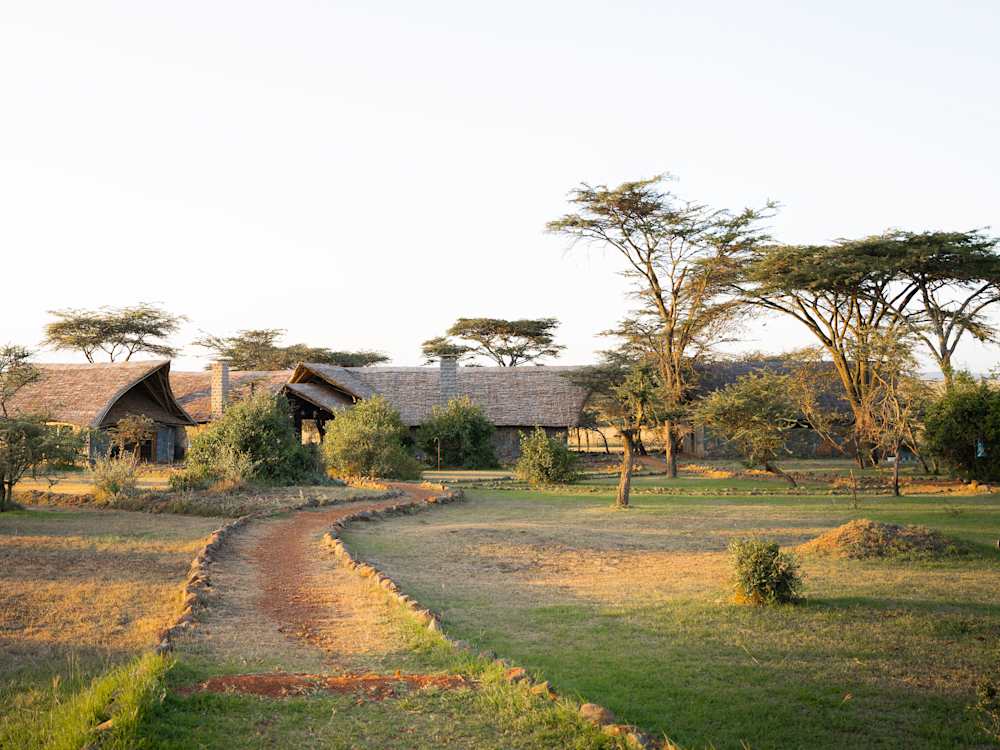
Naboisho Camp
Care for community sits at the very core of Asilia’s mission — a commitment you’ll see throughout its camps. Cultural experiences, tours and talks are built into bespoke schedules, and your very local guides know the land intimately because it’s where they played as children. The group invested over US$2 million into communities across East Africa last year alone, so it’s evident that all of the camps carry the torch with conviction. And with a name like Naboisho — the local word for ‘coming together’ — this particular camp fans that flame with pride.
Set in a private conservancy along the border of the storied Maasai Mara Reserve, Naboisho Camp’s locale defines its community-led projects. The Mara Naboisho Conservancy is distinguished from its neighbours for one important reason: it isn’t backed by outside investors, but remains in the hands of its native Maasai owners, from whom Asilia leases the land, with monthly payments reaching the pockets of over 500 families.
The familial support doesn’t finish there, with over US$12,500 and an abundance of ‘Mama Kits’ (filled with postnatal essentials) donated to the region’s newly developed Talek Maternal, Newborn and Child Health facility last year.
But numbers aren’t everything, and though they help paint a picture of Asilia’s contributions, it’s important to acknowledge that the group’s devotion is shown just as much through on-the-ground efforts. At Naboisho, the neighbouring Wildlife Tourism College (WTC) was built to tackle lofty youth-unemployment rates in the Maasai Mara through hospitality and conservation training — an initiative that bestowed 244 scholarships and benefitted 20,000 students between 2024 and 2025.
Even with all this doing good, the camp still delivers on luxury. Between game drives, fly-camping and all your immersive extras (including hot-air ballooning and dancing lessons with locals), there’s also time to schedule spa treatments, swims and the dreamiest of slumbers in your open-to-the-wild suite.
SUSTAINABLE INNOVATION AT JABALI RIDGE
Ruaha National Park, Tanzania
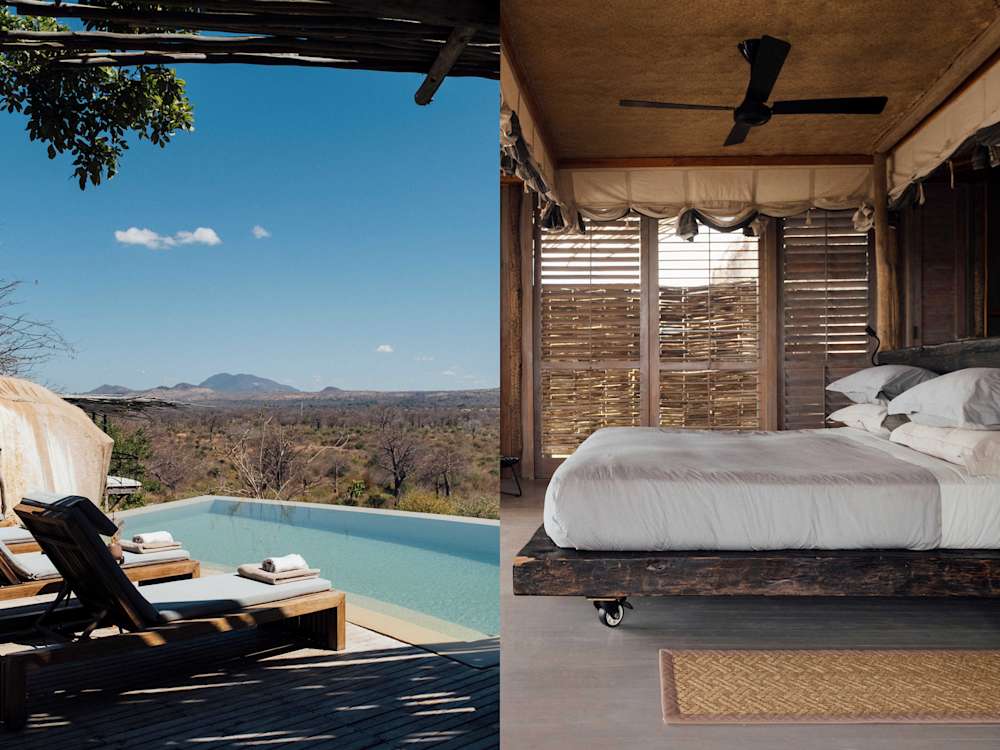
Jabali Ridge
Many of Asilia’s camps are known for their striking design, but as with everything this do-good group does, each seemingly effortless look has been carefully configured to work in peaceful harmony with its surroundings. It’s at stand-out camps like Jabali Ridge where this company-wide commitment to measurable, low-impact progress is showcased with particular skill.
You’ll find this sustainable starlet in an untamed sweep of southern Tanzania’s Ruaha National Park, which spans some 45,000 square-kilometres and ranks among the greatest of Africa’s wildernesses due to its incomparable biodiversity, pride sightings and surprisingly low footfall. Jabali’s structure was consequently carefully integrated — a feat that Johannesburg-based Nicholas Plewman Architects (who specialise in sustainable builds) met with mastery.
Suites and calming communal areas — including a treatment room, infinity-edge pool and sunset-surveying decks — have been carved meticulously into the rocky landscape, embraced by ancient formations and connected by a network of floating walkways that give right-of-way to free-roaming wildlife. In a park that hosts roughly 10% of the continent’s remaining lions, and around 15,000 elephants, the camp is designed to allow for harmonious co-existence within Ruaha’s ecosystem.
Beyond this — also very stylish — base, charity partnerships extend the group’s reach. Alongside community work, such as the Twende Porini education initiative, which brings local children into the park to learn about wildlife and ecosystems firsthand, Jabali also collaborates closely with conservation outfit Ruaha Carnivore Project and the Southern Tanzania Elephant Programme.
WILDLIFE CONSERVATION AT EREBERO HILLS
Bwindi Impenetrable Forest, Uganda
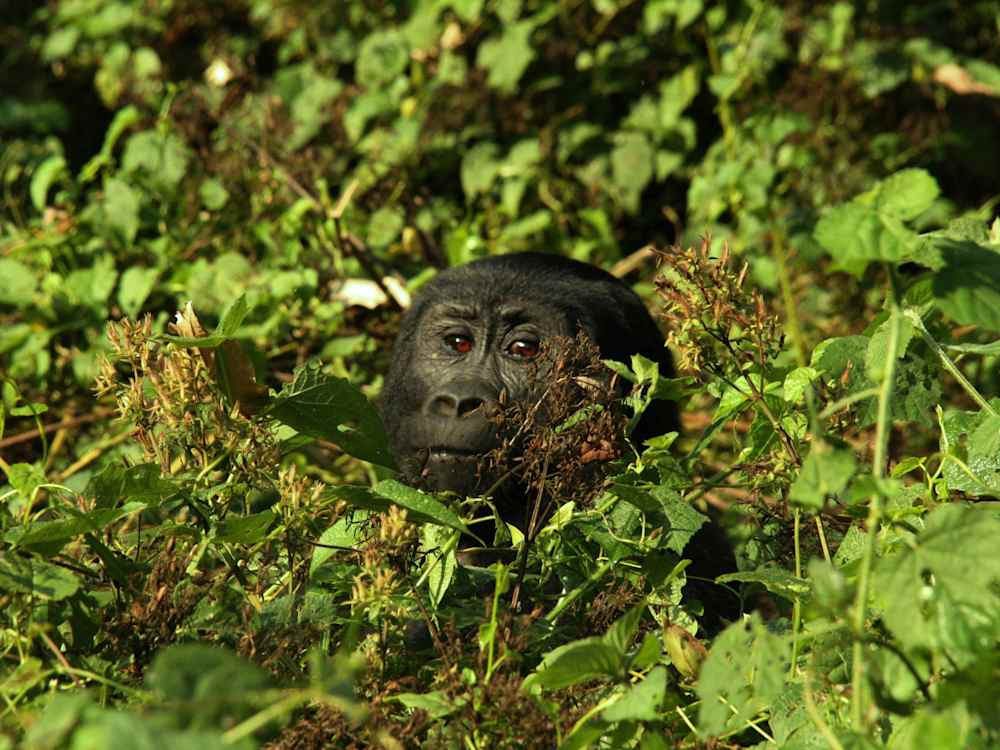
Bwindi Impenetrable Forest
Alongside the people and wildlife they support, Asilia’s camps are shaped by the landscapes they inhabit. In the last few years, the group has invested US$7.8 million into nature-protection initiatives that safeguard habitats, strengthen ranger forces and nurture biodiversity across East Africa. When your nearest neighbours make-up half of the world’s remaining mountain gorillas, your safari camp must be thoughtfully shaped by its environment; something Asilia delivers with assured care at Erebero Hills, on the northern edge of Uganda’s ancient Bwindi Impenetrable Forest.
Your journey here may be a little more challenging (flights and transfers follow very specific schedules), but this upscale camp is guaranteed to be worth the extra effort. Set to open later this year, the retreat has glass-fronted suites and private viewing decks, plus wherever-you-please spa treatments. There’s beauty in abundance, but this Ugandan base also has an overarching purpose in its focused conservation efforts.
Tailored itineraries invite you to learn more about your Unesco-listed locale, whether that’s through canopy-shaded hikes with insider guides and reforestation experts, or participating in beekeeping workshops with local specialists. Even if you only have one great-ape-shaped goal in mind, your permits will still help to fund park protection, anti-poaching patrols and ongoing research into the forest’s resident gorillas.
But Erebero’s work is wider ranging than its on-site activities. Partnerships with NGOs like Change a Life Bwindi have allowed this camp to collaborate closely with the land’s indigenous Batwa and Bakiga communities, who were displaced to the forest’s edges in 1991 after the area was declared a national park. Today, surrounding villagers are taught tradeable talents — such as basket weaving and beekeeping — to preserve traditional knowledge and generate a reliable income. As part of the project, over 25,000 native trees have been planted (and an additional 35,000 seedlings purchased from community nurseries), and Batwa elders frequently advise on species selection in pursuit of creating a reforested buffer that will allow villagers and wildlife to peacefully coexist.
CAMP-CONNECTING ITINERARY OPTIONS
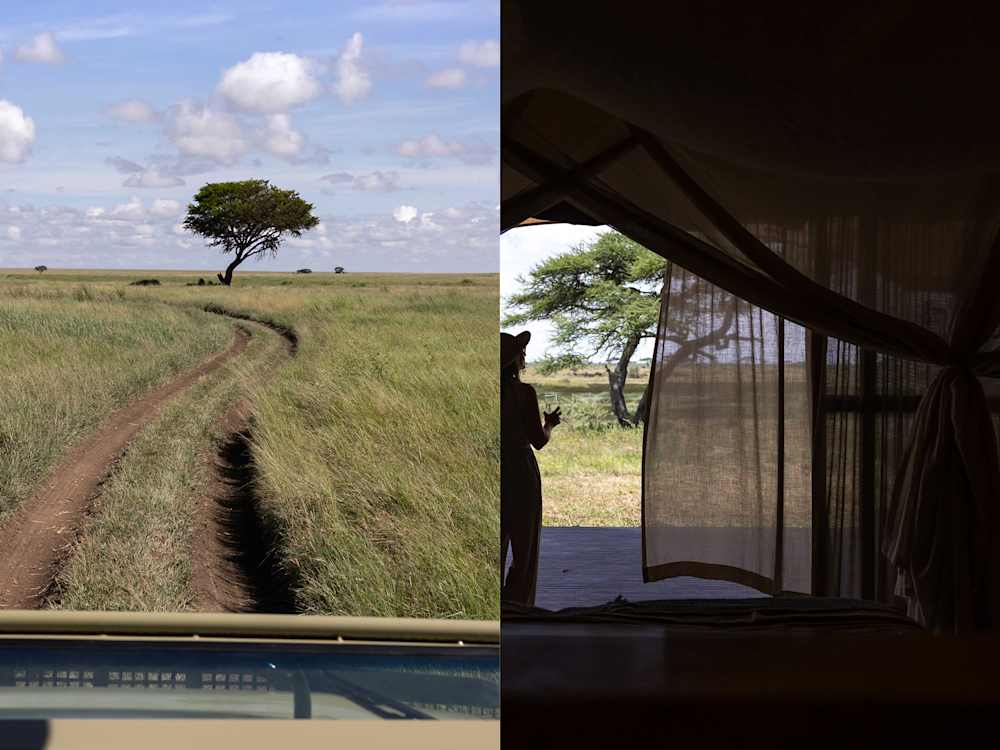
Namiri Plains
While it’s not logistically possible to combine the above three stops in one single trip, you can discover them and other Asilia outposts as part of these stellar itineraries across East Africa. Asilia’s team will create a safari schedule tailored to you after booking; but in the meantime, we’ve put together a few suggestions of how you can make the most out of your adventure…
Mara and Serengeti
– Start in Kenya with a couple of nights at Naboisho Camp, where sweeping savannahs, abundant wildlife, guided bush walks and cultural visits make for a striking opening scene to your safari.
– From there, cross into Tanzania to Namiri Plains, roaming the Serengeti’s wilds with game drives and hot-air ballooning extras.
– Bring your safari to a fitting finish with night drives, Mwagusi River fishing forays and conservation talks at Jabali Ridge in the biodiverse Ruaha National Park.
Tanzanian classics
– Begin with three nights at The Highlands, sleeping in geodesic-dome hideaways and exploring your Ngorongoro Crater setting during Empakaai and Olmoti day-trips, closed-vehicle game drives and community visits.
– After admiring its stellar landscapes, continue to the Northern Serengeti with a stay at Sayari Camp, where schedules come filled with game drives, seasonal walking tours, hot-air balloon trips and photographic safaris.
– From there, head to the rich-in-spectacles Maasai Mara for riverfront sightings, year-round drives and cultural experiences.
Gorillas in the mix
– For those drawn to both flatland and forest, start with three nights wildlife spotting and hot-air ballooning in the Serengeti at Namiri Plains.
– From there, ask our travel team to help arrange carefully scheduled flights and transfers to Erebero Hills in Uganda’s Bwindi Impenetrable Forest, where storied gorilla sightings reward the intrepid.
HOW TO BOOK
Once you’ve chosen your preferred route, you can either book online through our website or contact our in-house experts, the Smith 24 travel team. With your spot secured, you’ll be contacted by Asilia within 48 hours of booking to help you arrange travel between camps and any other excursions that might require booking ahead.
Discover our full collection of Asilia’s sustainable safaris across Kenya, Tanzania and Uganda; and roam further with our full collection of safari hotels