


Naples is one of Italy’s most misunderstood cities, too often treated as a brief stopover on the way to the Amalfi Coast, Capri or Sorrento, and rarely given the time it actually deserves. Admittedly, it isn’t for everyone. Naples is loud, chaotic and occasionally overwhelming, but learn its rhythms and you’ll understand why people return again and again.
The beauty is real, too. The city has Baroque churches, a seafront castle and a scenic lungomare (promenade) that reminds you why people have been writing poetry about this place since antiquity. And then there’s the food, which alone would justify the trip. Naples is not simply one of the best cities in Italy for eating; it is the origin of some of the most important dishes Italy has contributed to the world’s table. Pizza, of course, but also friarielli (broccoli rabe), sfogliatelle (cream-filled pastries) and babà (rum-soaked sponge cake), and Neopolitans might just be the most devoted coffee drinkers in the world.
A weekend break is a great start for understanding the depths of this city, so read on to discover the ultimate 48 hours break in Naples.
Friday evening
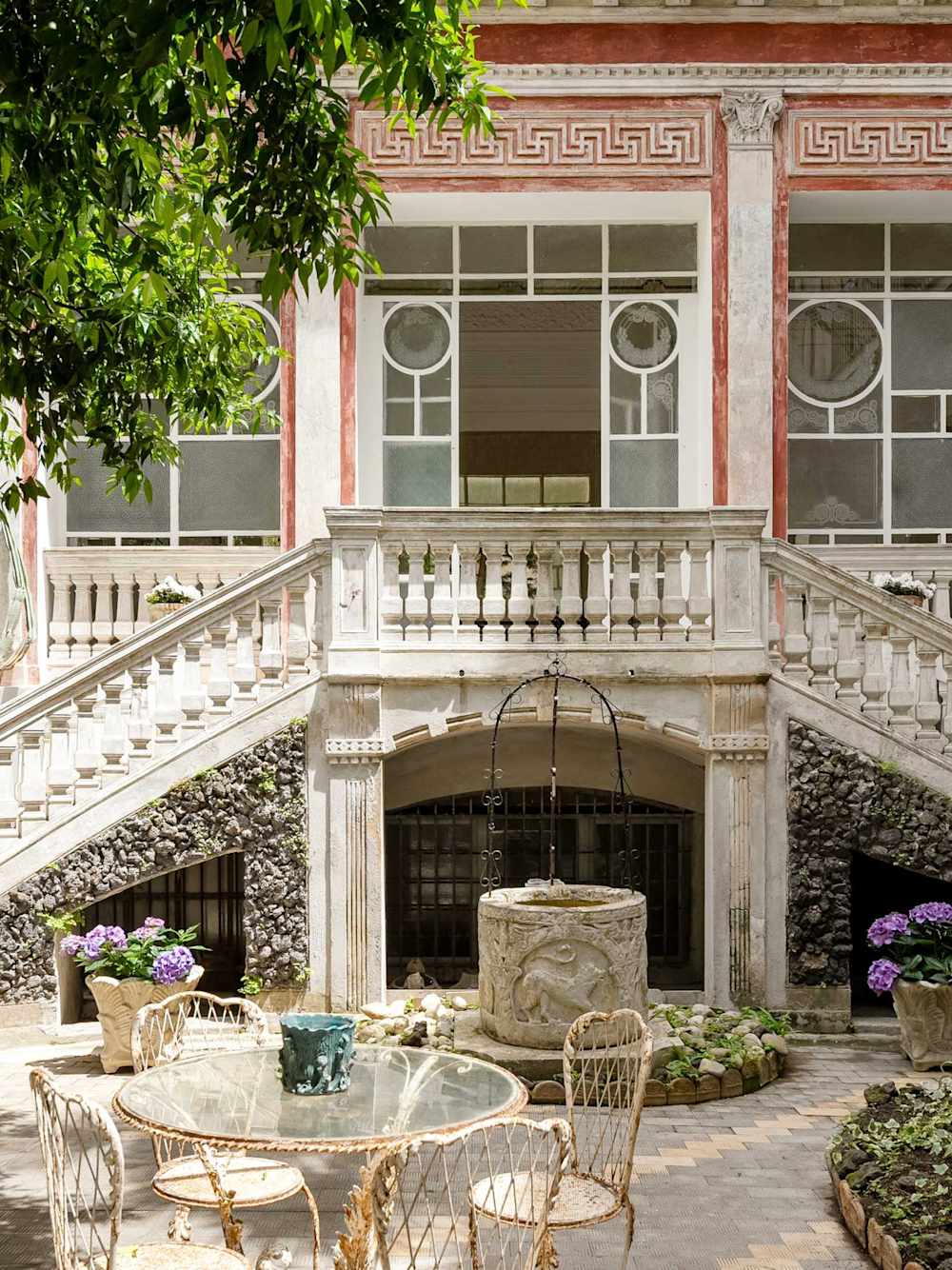
Artemisia Domus Giardino
International flights land at Naples Capodichino airport, just a 20-minute taxi ride from the centre. If you’re travelling from another destination in Italy, take a train to Napoli Centrale and hail a taxi. Check into Artemisia Domus Giardino, a well-positioned bolthole in Borgo Santa Lucia, in the heart of the city centre and only a five-minute walk from Castel dell’Ovo. This 16th-century palazzo hotel has just eight suites, with a mix of period furniture and contemporary pieces. The real draw, however, is its courtyard: a fragrant garden shaded by palm trees, where you can take breakfast on summer mornings or simply unwind with a book and a cold drink.
Once you’ve dropped your bags and readied yourselves for the evening, head down to the garden for an aperitivo, a daily ritual when in Italy. In fact, in summer the aperitivo is sometimes even more important than dinner for us Italians.
A short walk through the Quartieri Spagnoli takes you to Pizzeria Starita on Via Materdei, one of the most revered addresses in the city for pizza Napoletana: the traditional kind, with a fat, airy crust and a thin centre. The pizzeria has been operating since 1901 and it’s where Sophia Loren filmed a scene for L’Oro di Napoli in 1954. Order the montanara fritta (a sort of mini pizza) to share as a starter — in Naples, the word ‘light’ doesn’t really exist in the dictionary — and for a main you can’t go wrong with a Margherita.
For something more creative without losing sight of tradition, Concettina ai Tre Santi, in the Rione Sanità neighbourhood, is run by third-generation pizzaiolo Ciro Oliva, who has developed a pizza tasting-menu that includes vegan and plant-based options alongside the classics. Book ahead for both, particularly at weekends.
Saturday morning
After a breakfast spread of homemade cakes and pastries at Artemisia Domus Giardino, walk across Piazza del Plebiscito towards Gambrinus, the grandest café in Naples whose Art Nouveau interiors were frequented by Oscar Wilde and Hemingway. Order an espresso and drink it like a local at the bar; if the pastries tempt you, the sfogliatella here is legendary.
From there, walk 15 minutes north to the Complesso Monumentale di Santa Maria La Nova, one of the most beautiful cloisters in southern Italy, its majolica-clad pillars and benches painted with scenes of everyday 17th-century life; while the walls enclosing the cloister on all four sides are covered in frescoes from the same period, depicting scenes from the Old Testament.
The adjacent Chiesa del Gesù Nuovo is worth stepping inside. Despite the unassuming stone blocks covering its façade, the interior is a Baroque masterpiece, with gilded chapels, marble flooring, a gleaming dome and beautifully preserved frescoes by old masters, including Francesco Solimena, Luca Giordano and Cosimo Fanzago.
Walk further north into the Quartieri Spagnoli, a tight grid of steep streets built to house the Spanish garrison in the 16th century and now one of the most lived-in, atmospheric corners of the city. Notice the details: laundry strung across balconies, Maradona graffiti covering the walls… Maradona is still considered something between a footballer and a saint here, with shrines dedicated to him standing alongside those of the city’s actual patron saints.
Here, you’ll find one of the most authentic enclaves for pizza fritta (fried pizza) that predates the baked version and remains, for many Neapolitans, the purer form. It was born out of necessity after the Second World War, when women in Naples’s war-ravaged quarters would set enormous pots of bubbling oil out on the street, frying discs of dough stuffed with whatever scraps of ricotta, provola and ciccioli (fried pork fat and skin) they could find to feed their families and neighbours. Da Gennaro (58 Via Giuseppe Simonelli) still serves the original recipe — as with any good street food, it’s best eaten on the go.
Saturday afternoon
Walk east along Via dei Tribunali and turn onto Via San Gregorio Armeno, the street devoted entirely to the craft of the presepe, the Neapolitan nativity scene. For a meaningful keepsake, visit Giuseppe and Marco Ferrigno, a family-run bottega where these figurines have been handcrafted since 1836.
From San Gregorio Armeno, make your way down towards the lungomare for a leisurely stroll. Stop at Sfogliatella Mary in the Galleria Umberto I shopping gallery for a mid-afternoon snack; the namesake pastries here are some of the city’s finest. Choose to have yours a riccia or a frolla (crispy or soft) and eat as you meander along the seafront promenade.
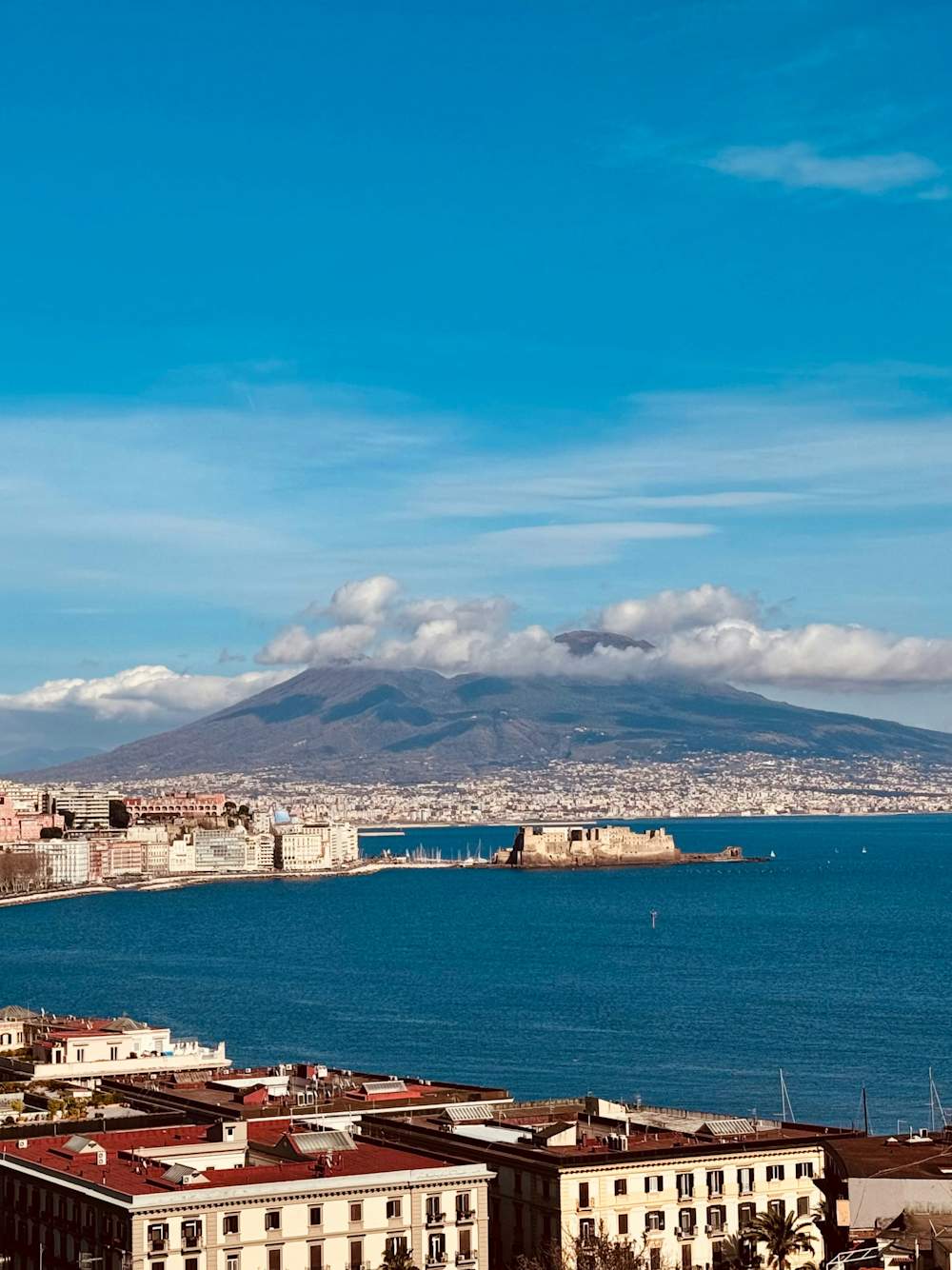
For aperitivo, the rooftop bar on the tenth floor of the Romeo Napoli hotel has the most enchanting views across the Gulf of Naples. As the sun sets, the sky turns a kaleidoscope of pinks and purples around Vesuvius. Order a glass of champagne or a signature cocktail and soak up your surroundings. The Paparazzo is a refreshing, tequila-based cocktail with grapefruit, basil and pink pepper, perfect for a warm summer’s evening.
Saturday evening
For dinner, book a table at Mimì alla Ferrovia, a Neapolitan institution that has been operating since 1944 and looks every inch the classic Italian restaurant: white tablecloths, wood-panelled wainscoting, terrazzo flooring and walls papered with photographs and press clippings accumulated over the decades. The cooking is rooted in simple ingredients and traditional recipes, with intense flavour. The pasta alla Genovese (with beef and onion ragù) is essential, as is the pasta mista with potatoes, provola and guanciale (salt-cured pork). Both dishes are emblematic of the city, and you won’t find better versions anywhere else.
Before heading back to your hotel, stop at Scotto Jonno for an after-hours cocktail and a taste of Saturday-night movida (vibrant nightlife). It’s a beautiful venue, set in the revived Galleria Principe di Napoli, with both the glamour and scars of its former life left intact — and expertly made drinks. Alternatively, a little further on, L’Antiquario is a speakeasy and something of an institution in Italian mixology, in dark wood and red velvet, with soft lighting and jazz setting the mood.
Sunday morning
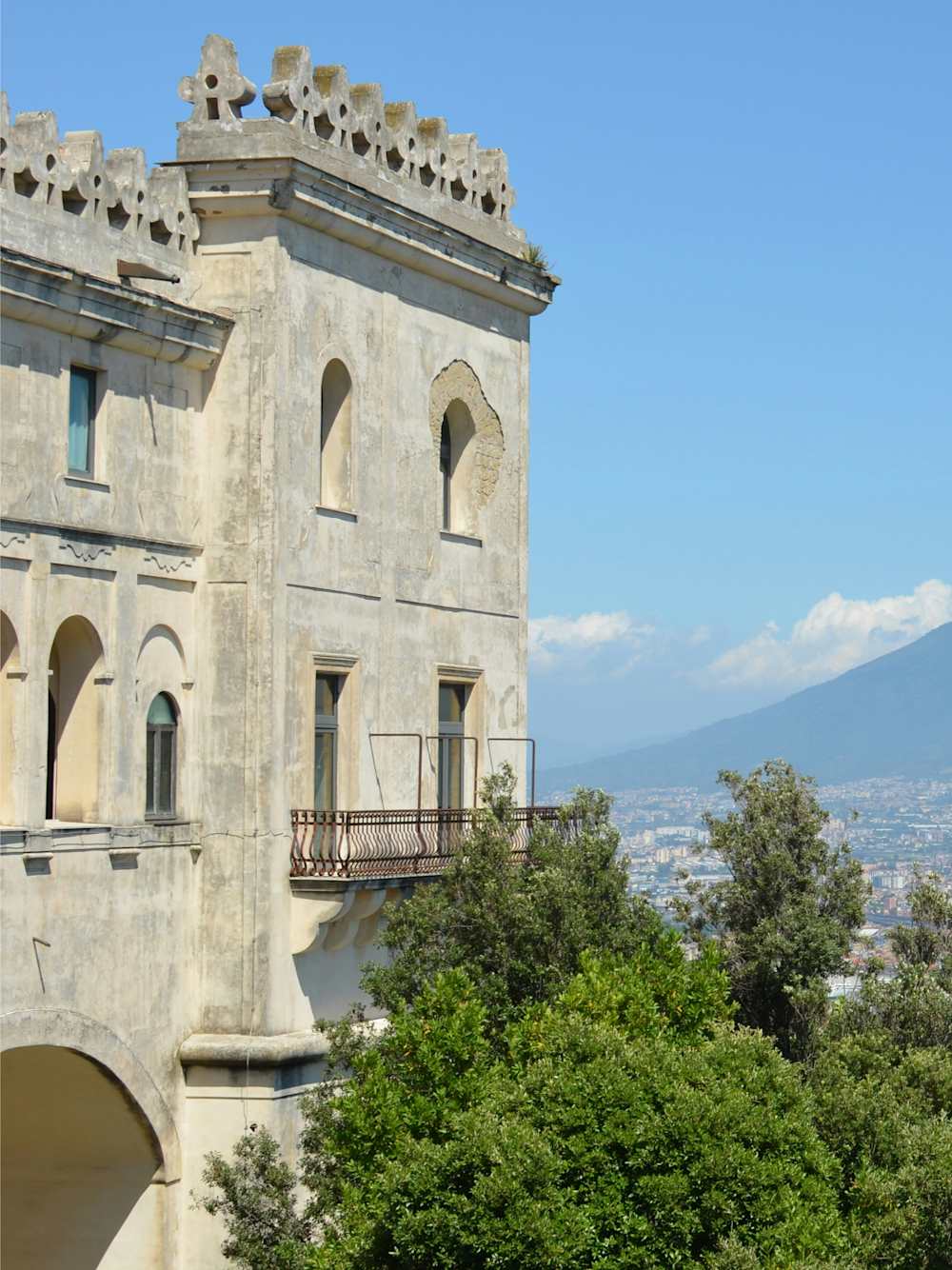
Certosa di San Martino
Take the funicular from Via Toledo up to Vomero, the residential neighbourhood above the city that most visitors overlook. At the top, Castel Sant’Elmo offers sweeping panoramic views of Naples. The adjacent Certosa di San Martino, a Carthusian monastery now home to the city museum, is worth exploring for its splendid cloister and impressive collection of works by notable Neapolitan painters: Caracciolo, Stanzione, d’Arpino and Spadaro. Entry is free on Sundays.
Ride back down to Chiaia, an elegant neighbourhood that stretches towards the lungomare, to visit neoclassical Villa Pignatelli, a museum set in a small park that feels like a genuine insider secret. The interiors have been preserved as they were when the villa was lived in.
For lunch, Salumeria Malinconico in Chiaia is a well-stocked deli and lunch counter, with sandwiches made from produce sourced from small local suppliers. Or try Osteria della Mattonella a few streets away — one of those Neapolitan trattorie that locals flock to for Sunday lunch. Think simple, hearty recipes and classic flavours: eggplant parmigiana, pasta alla Genovese, pasta patate e provola, meatballs and much more. The latter only accepts same-day reservations so, to ensure a table, book at 11am on the dot.
Sunday afternoon
Spend the final hours in Posillipo, the residential promontory to the west of the city that offers some of the most spectacular coastal scenery in Naples, all without stepping on a boat. The road has the bay to one side and grand 19th-century villas on the other. Either stroll along the promenade (make sure you stop by the extraordinary Palazzo Don’Anna) or prop a towel down at a beach club to relax after a morning of cultural visits.
Sunday evening
For a final flourish, lean into the nautical theme and savour fresh seafood before heading home. But first, climb up (or call a taxi) to Parco Virgiliano at the tip of the promontory, where views stretch across to Capri, Ischia and Procida, to watch one of the most cinematic sunsets in the city. For dinner, take a taxi to fishing village Marechiaro. Cicciotto trattoria has sat on its shoreline since 1942 — now run by founder Vincenzo Capuano’s grandsons. The terrace looks straight across to Capri and the kitchen specialises in raw and grilled seafood.
Good to know
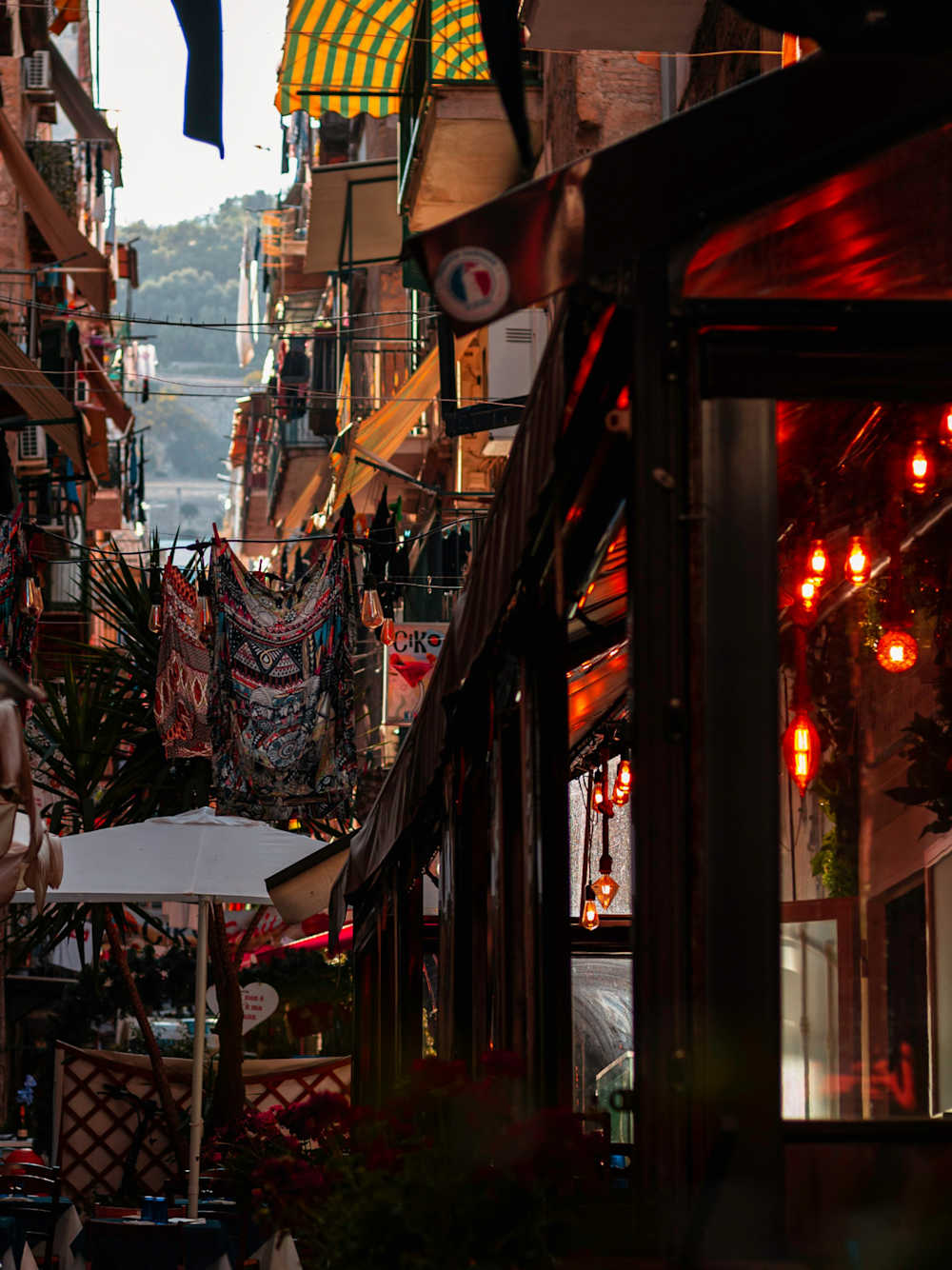
Quartieri Spagnoli
Transport: Naples Capodichino airport is served by direct flights from most major European cities. Fixed-fare taxis from the airport to the centre cost around €23. Frecciarossa trains connect Naples to Rome in around 70 minutes; the city is also the gateway to the Amalfi Coast, Pompeii and the Italian islands, all easily reached by public transport.
Getting around: The centro storico is best explored on foot. The four funiculars connecting the lower city to Vomero are efficient, and taxis are generally reliable (there are plenty of stands around the city); agree the destination clearly before setting off, and ensure the meter is on — from personal experience, some drivers can be opportunistic.
When to go: Spring (April to June) and early autumn (September to October) are the ideal windows: warm enough to make the most of the lungomare and outdoor life, cool enough for comfortable walking in the centro storico. Buildings and landmarks usually closed to the public can be visited during The Maggio dei Monumenti festival in May, which is reason enough to time a visit accordingly.
What to buy: Pick up handpainted ceramics from independent studios in the Quartieri Spagnoli and corallo jewellery (made from red coral) from the shops in Chiaia.
Insider tip: The caffè sospeso is a Neapolitan tradition in which a customer pays for two espressos but takes only one, leaving the second anonymously for whoever needs it next. Ask about it at the bar when you order your first morning coffee.
See our full collection of hotels in Naples
Lucrezia Worthington is the Digital Editor of The Italy Insider and Content Creator, as well as a freelance travel journalist whose work has appeared in Condé Nast Traveller UK, Cool Hunting and Suitcase. Lucrezia’s mission is to share the art of slow and mindful travel through writing, imagery and video content, noticing the small, wholesome details and embracing life’s simple pleasures.