



‘Before Marrakech, everything was black,’ fashion designer Yves Saint Laurent once said. ‘This city taught me colour.’ After spending a weekend break here, you’ll understand exactly what he meant. The Red City is a riot of the senses with its serpentine alleyways, bustling souks, dramatic light and ancient architecture. It was a haven for bohemian spirits in the 1960s and 70s, attracting everyone from The Beatles to The Rolling Stones — a legacy which continues to shape Marrakech’s youthful culture today.
You could spend weeks getting lost in the enigmatic walled city, observing artisans hammering away in backstreet ateliers, dodging bicycles — and donkeys — as they weave through the crowds and sipping on fragrant mint tea along the way. But if you only have 48 hours in Marrakech, here’s a few pointers on how to spend them…
FRIDAY EVENING
Traffic is always crazy in Marrakech, but if it’s not too crazy you can reach the city’s ancient Medina from Menara airport in around 25 minutes. And after travelling, you’re bound to be hungry: for casual bites, La Terrasse des Épices has a rooftop terrace and a Mediterranean menu with a Moroccan twist. Romance-seeking gourmands should make a beeline for Dar Yacout, a palatial riad designed by noted aesthete Bill Willis, where white linens, candlelight and live Gnaoua music set the scene for a four-course feast.
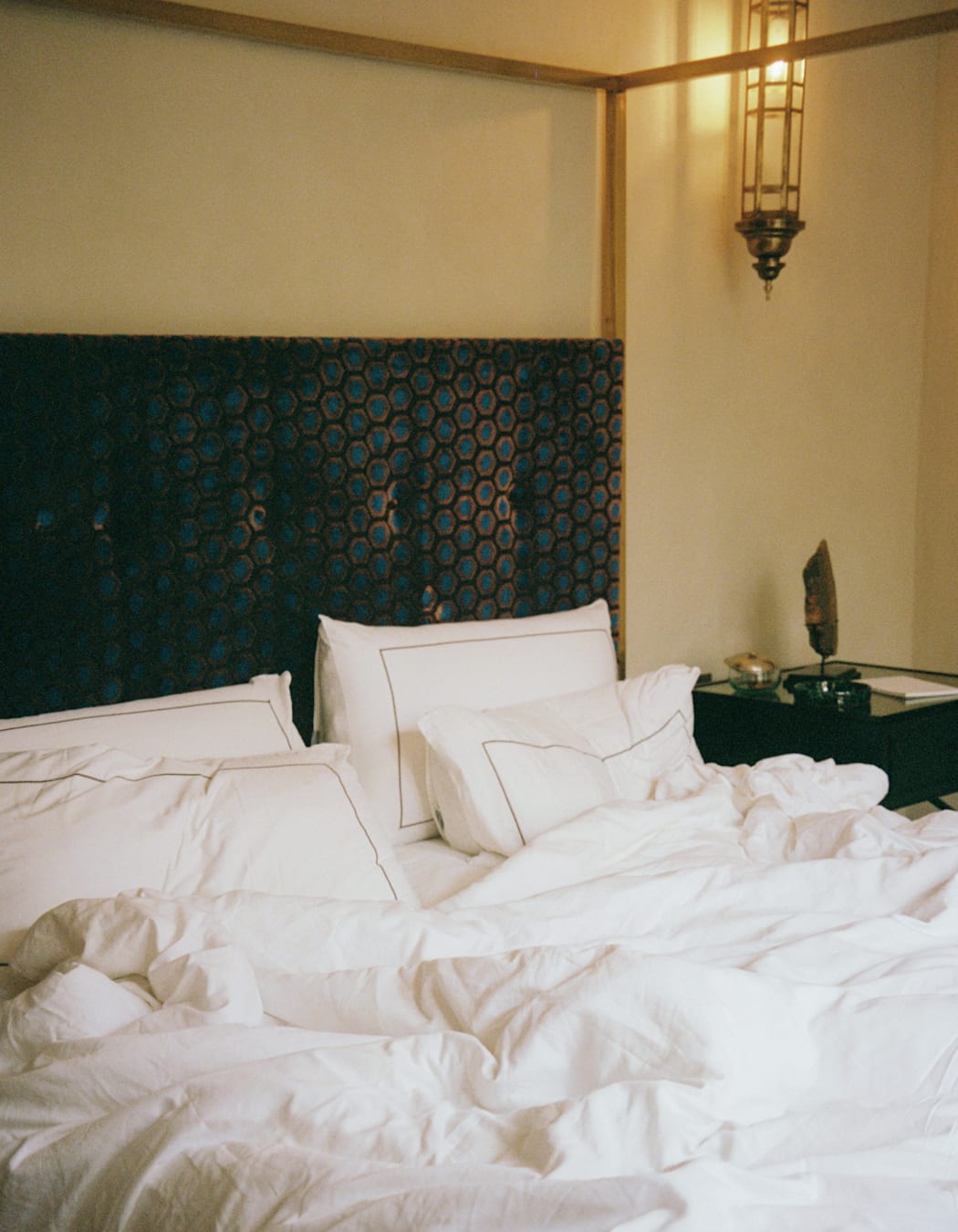
After, lay your head at This Time Tomorrow in Marrakech, a stylish sanctuary amid the souks and fondouks of the Kaat Benahid neighbourhood. It’s housed in a meticulously restored riad, where you could while away whole afternoons reading in its palm-shaded courtyard (the riad’s Arabic name means ‘House of Shadows’), picking up culinary tips from head chef Zakia in the open kitchen, or soaking up rays from a rooftop lounger. With just five suites, this intimate stay truly feels like home — if your home was full of ornate tilework, jewel-toned furnishings and gallery-worthy artworks.
SATURDAY MORNING
Wake up bright and early — around 6.30am, to be precise — when the call for prayer echoes through the city. Listen to it from the rooftop as dawn breaks over the city’s jigsaw of terracotta terraces. But if sunrise starts just aren’t your bag, it’s actually quite easy to escape the city should you wish to, with places like the Palmeraie and the Agafay desert a short drive away — Amanjena in particular is worth the 10-minute drive out of town for its signature spa, camel treks, impeccable service, duo of fabulous restaurants, golf course… Plus, it has bewitchingly cinematic features: archways framed by sweeping drapes, stately palms and tall terracotta pillars.
Start your day by embracing local tradition. Both Amanjena and This Time Tomorrow in Marrakech have their own marble hammams, which can be booked in advance for a private session. For the uninitiated, this consists of vigorous body scrubs interspersed with warm hose-downs. It’s the ultimate refresher and leaves you with noticeably softer skin. Afterwards, fuel up with a typical Moroccan breakfast of semolina pancakes and msemmen flat breads served with honey, goats cheese, olive tapenade and amlou (a spread made from roasted almonds, honey and argan oil), heaped bowls of fresh fruit and hot dishes like homemade shakshuka.
SATURDAY AFTERNOON
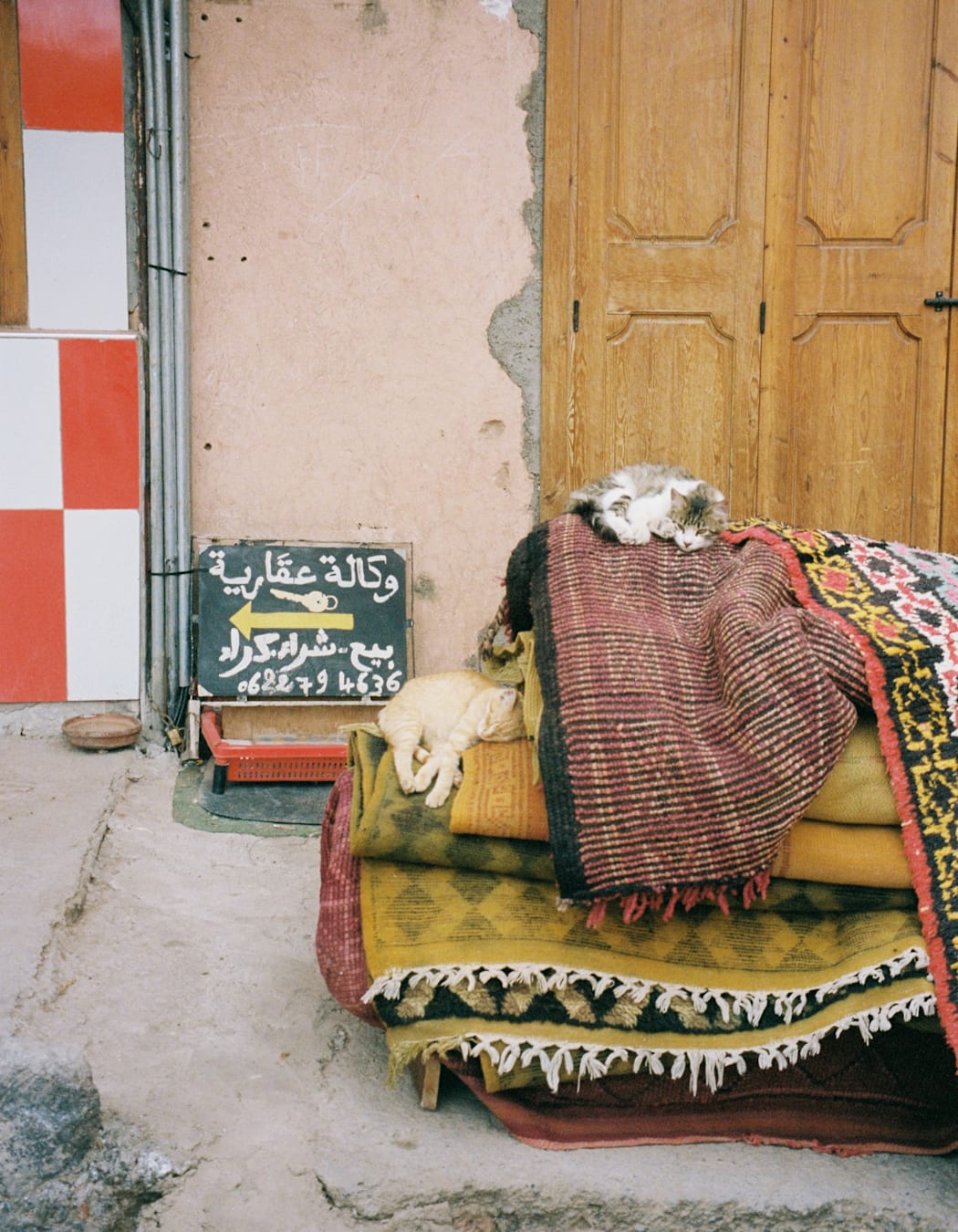
Head into the Medina’s serpentine maze of souks, armed with dirhams and ready to haggle. Around 60% of the working population in Marrakech are artisans of some sort, making it the perfect place to stock up on homewares or refresh your wardrobe. Historically, the souks were divided by speciality — spices, carpets, metalwork, leather — but nowadays, you can pick up (mostly) everything in one place: jewellery, textiles, jars of turmeric and saffron, embroidered kaftans, leather satchels, ornate lanterns and Arabian Nights-style headgear. Among the stalls, you’ll find stellar boutiques too. Check out Hanout and Different for contemporary boho-style fashion, or Hicham Home for funky babouches (leather slippers) and basket bags. But navigating these historic markets is about more than shopping — it’s a wholly sensory experience; a riot of sound, smell and colour. Bring a camera to snap shadows cast by Moorish archways, bunches of brightly-dyed wool hanging in the sun, and local cats napping on stacked rugs.
Dedicated shoppers will find a more curated experience in the city’s upcoming industrial zone, Sidi Ghanem, where designers and craftspeople show and sell their work. The contemporary feel of the area is worlds away from the city’s historic centre, and fixed prices and card machines offer a welcome respite for the haggle-shy. Stop at Poterie Serghini for ceramic skills honed over eight generations, Atelier Balagan for a selection of mid-century-modern furnishings, or Studio Lid for vintage and custom-made rugs. After a jam-packed afternoon, make a pitstop at Jajjah Tea Salon. Owned by Hassan Hajjaj — one of Morocco’s most successful contemporary artists — the space combines a gallery, shop and café decorated in Hajjaj’s signature bright colours and geometric patterns.
SATURDAY EVENING
After a long bath in your suite, change into a newly purchased Moroccan ‘fit’ and make your way to Riad Sakkan, a red-hot stay with an enticing courtyard garden, intimate rooms and a rooftop restaurant, bar and lounge with dramatic Medina views. Order hibiscus margaritas and grab a front-row seat for sunset: a ban on buildings higher than Koutoubia Mosque’s minaret means that on a clear day you can see the snow-capped Atlas Mountains in the background. At dinner, Sakkan’s chef Kenza presides over a menu of classic Moroccan fare (think beef tagine with candied plum and honey) and European-inspired bistro dishes. And while nightlife may not be the Red City’s USP, that doesn’t mean you can’t find it if you know where to look. Over the past decade, a crop of after-hours haunts have sprung up across the Medina; continue your bon soirée with a saffron-infused cocktail at trendy Kabana, or hideout à la Alfred Hitchcock at La Mamounia’s low-lit Le Churchill bar, where jazz plays late into the night.
SUNDAY MORNING
Make your first stop of the day Jemaa el-Fna, the city’s main square, which has more than 1,000 years of history under its belt. In the 11th century, storytellers would perform here, but these days you’re more likely to encounter Berber dancers or flame-wielding acrobats. We won’t sugarcoat it: the square can reach carnivalesque levels of crazy — especially at night — but get there early enough to watch it wake up and you’ll see a calmer side. By mid-morning, the square’s street-food markets are in full swing, where you can try traditional dishes as well as some more unconventional delicacies (snail broth, sheep brain, spicy camel sausage). If you’re not feeling especially brave, we recommend the humble egg-roll from stall number 66, washed down with a cup of herbal tea.
While you’re in the area, pop in to Dada, another creative hybrid space. Set in a former bus station, this gallery-bookshop-bar-restaurant has been reimagined by designer Anne Favier, who merges zellige tiles and bright splashes of orange with swathes of sleek concrete to create a space that’s as modernist as it is Marrakshi.
SUNDAY AFTERNOON
Barbe
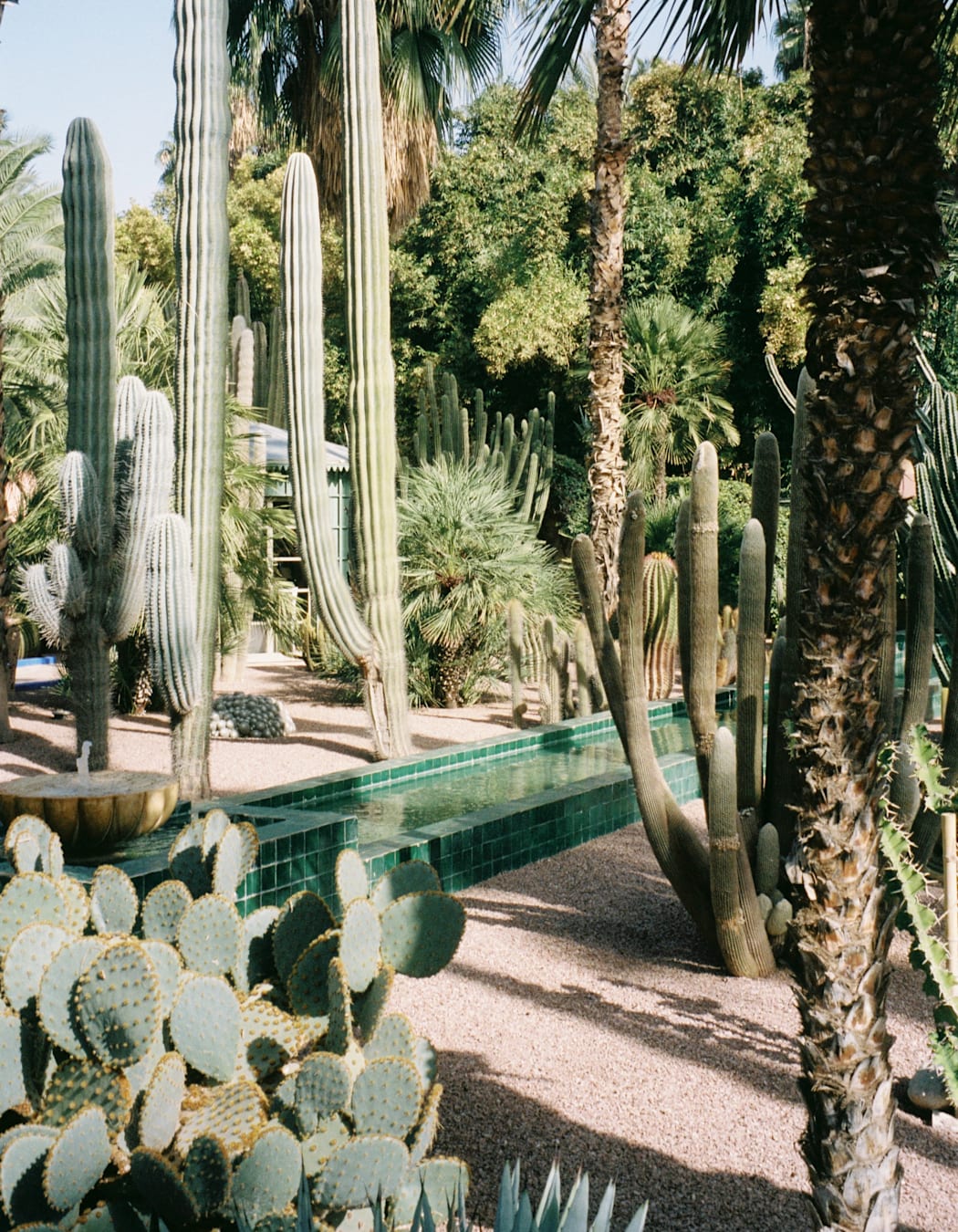
Stroll for 30 minutes north-west of central and you’ll arrive at the up-market Ville Nouvelle neighbourhood, where a trio of cultural delights await. First up is Jardin Majorelle, a botanical garden created by the French painter Jacques Majorelle in 1923 which became known for its striking splashes of ‘Majorelle blue’. By 1947, Majorelle opened the garden to the public, but it eventually fell into disrepair. Thankfully, in 1980, it was saved from developers by Yves Saint Laurent and his partner Pierre Bergé, who set about restoring it. The Pierre Bergé Museum of Berber Arts can be found inside the garden and showcases the clothing, jewellery and homewares of the Berber people through a collection of 600 objects. Finally — and fittingly — the neighbouring Yves Saint Laurent Museum is a tribute to the designer’s life, work and enduring love of the Red City. Designed by French architecture firm Studio KO, the building itself is a highlight, and a combined ticket will get you discounted access to all three museums. Don’t leave the area without visiting 33 Rue Majorelle, a beautiful concept store selling clothing and accessories.
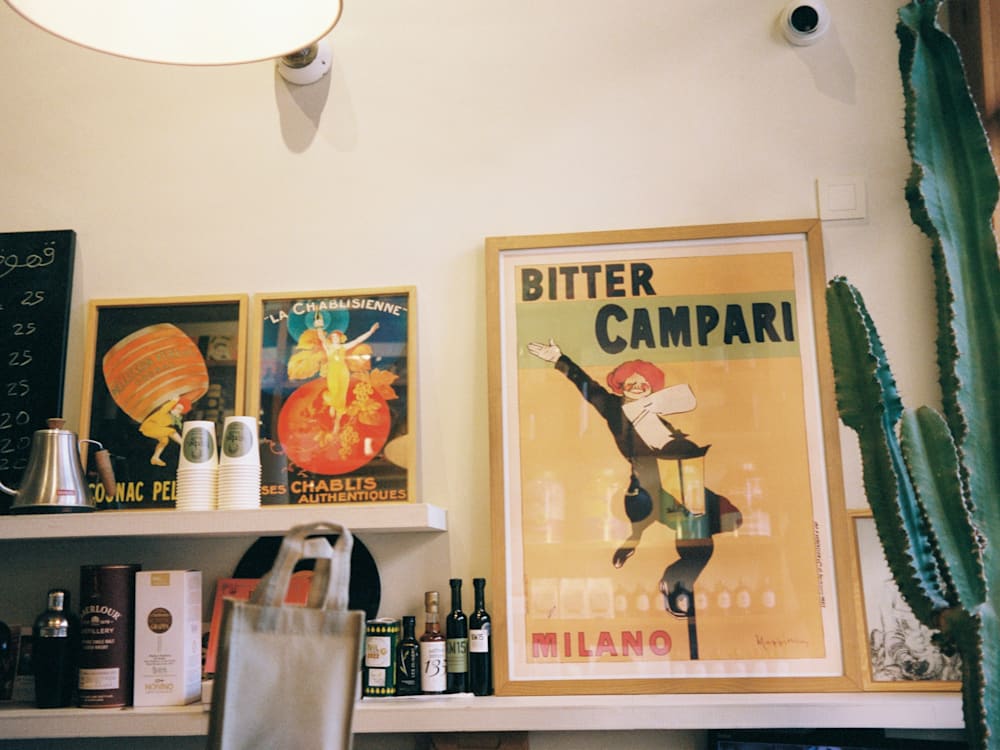
Gueliz, which brims with art deco buildings, trendy bars and eateries, and a buzzing art scene, is just a few streets over. Here, set just a few minutes’ walk apart, are MACMA (the Museum of Moroccan Art and Culture), contemporary gallery Comptoir des Mines and independent exhibition space Loft, which champions emerging talents from across North Africa. For lunch, embrace Aussie café culture at stylish Plus 61, who have a changeable — but always interesting — menu. Follow with drinks at Petanque Social Club, a buzzy drinking-hole with reimagined mid-century interiors and a walled garden. As for souvenirs, Atika is a paradise for loafer-lovers, while épicerie fine, Barbe, is packed full of interesting natural wines, specialty groceries and locally made chocolate.
SUNDAY EVENING
Kick off your final evening at El Fenn, a thriving hub for Morocco’s bohemian scene, with colour-pop rooms, a curated boutique with unique artisanal finds, and a killer art collection with pieces by the likes of Batoul S’himi and William Kentridge. You’ll find the party atop a dramatic staircase (similar to Guggenheim New York’s spiral walkway) at the Riad’s famous rooftop bar; a who’s who of the city’s art scene can be found mingling over date martinis as DJs spin tunes till late as part of the hotel’s monthly Sunday Sessions. For dinner, book a 9pm sitting at Comptoir Darna, a restaurant-turned-club — and Marrakech institution — where, come 10pm, you’ll be dancing on red-velvet banquettes while belly-dancers work the crowd.
NEED TO KNOW
Flights Marrakech’s Menara Airport lies north of the city and is about a 25-minute drive away from the Medina. Take a taxi from outside the terminal building, or arrange a transfer with your hotel in advance.
Transport The Medina is very walkable, but outside of that, the best way to get around is by taxi. Remember to never ask the price, lest you’re willing to pay a surprise — unofficial — tourist tax. Instead, simply get in and say where you want to go. From the Medina, you can expect to pay around MAD150 to the airport, or MAD30 to Gueliz or Majorelle.
When to go With 300-plus days of annual sunshine, there’s almost no bad time to visit Marrakech, but the summer heat can be stifling and some attractions may be closed during Ramadan. Art-lovers should book for January when the 1–54 African Art Fair descends on the city. Otherwise, autumn, winter and spring are all prime seasons. It can get chilly in the mornings and evenings, but ignore the Marrakshis who tell you it gets cold…meaning a balmy 20°C.
What to buy Shop for Moroccan sweets at Saveurs d’orient Benbrahim, a custom signature scent at Musée Du Parfum, or Aterio’s inlaid boxes, and trays and tables from El Fenn’s in-house boutique. Valérie Barkowski (whose robes you can find in Casa Beatnik’s bathrooms) sells beautiful embroidered linens in Dar Bacha, and Oubaich is the one for colourful kaftans made from decadent fabrics.
Good to know Stay vigilant for bikes speeding through small alleyways; keep cash handy when frequenting the souks; and never settle for the first price. After all, bartering is practically a national sport here.
See our full collection of hotels in Marrakech, or get inspired for your next weekend break