



Recipe for a delicious day in Portugal: take a good glug of vinho verde, paired with a portion of migas, a serving of buttery black pork and enough arroz to warrant a siesta. Fold in vineyards, olive groves and mediaeval villages, and garnish with a crumble of ancient castles. In keeping with the Portuguese pace of life, cook low and slow — until golden brown, not burnt. It should smell heavenly; as moreish as your favourite suncream.
Sound appetising? Then we’ve got the perfect side dish for you: a slow weekend at São Lourenço do Barrocal, in the unspoilt and untamed region of Alentejo.
Breakfast
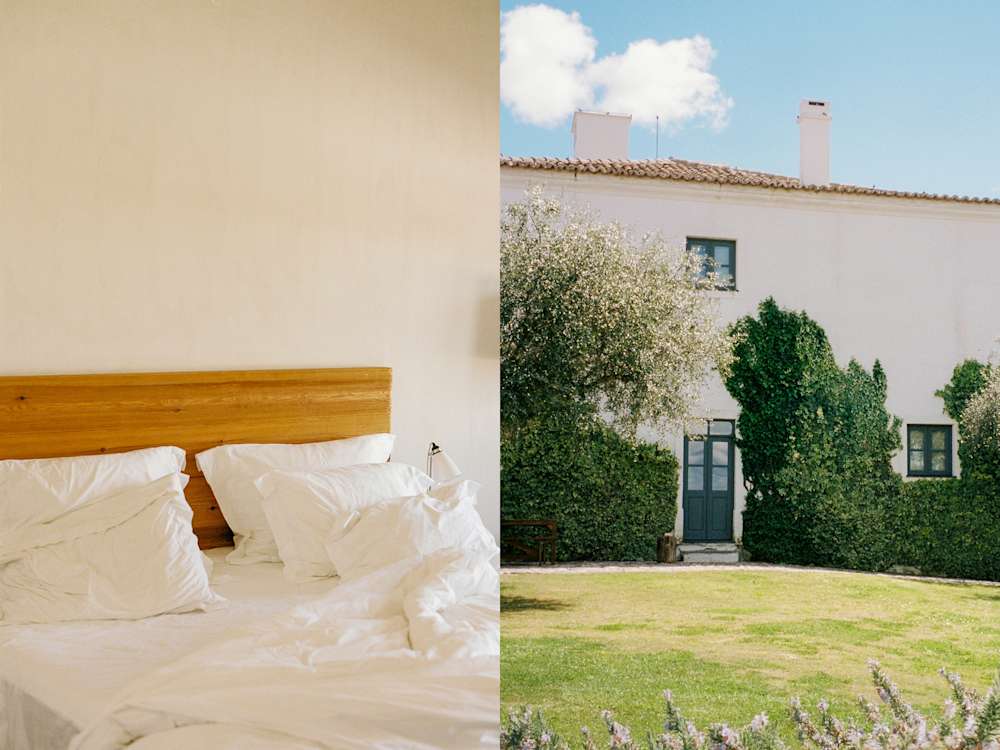
There’s something particularly delectable about early mornings in hotels. In São Lourenço’s bucolic setting, this means waking with the birds, which flutter outside the windows of my room in the hotel’s farmhouse. I make a coffee and sink back into bed, admiring my surrounds. The colours in the bedroom are soothing and rooted in the region’s colour palette: creamy walls, wood and teak furnishings, and traditional terracotta tiling.
This estate, once a farming village, brims with wildlife — on my pre-breakfast cycle, I see no other people but am met by an inquisitive fox, copious birds and a herd of wild horses. It’s a grounding experience that leads neatly into the first meal of the day, which is served in one of the low-slung whitewashed buildings that dot the estate like sugar cubes. The all-natural spread is impressive: honey fresh from the on-site bees (you can make your own with the hotel’s beekeeping experience); fruits from the orchards; olive oil from the groves; cheese from the pedigree cows. Despite all the choice, I opt for the poached pears, local yoghurt and bee-pollen granola — so fresh that I shamelessly return for seconds.
Lunch
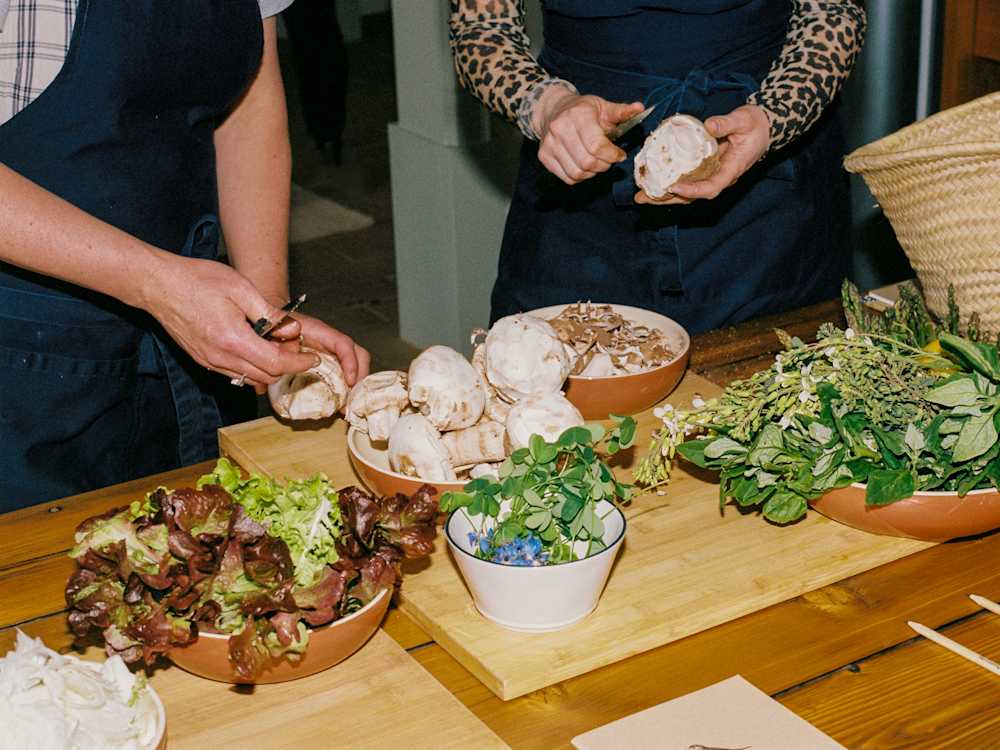
Breakfast may have been laidback, but lunch requires a little effort on our part. We head to one of the hotel’s cottages for a Portuguese cooking class, where I busy myself at the table, preparing wine and water, while in an adjoining kitchen, mushrooms are chopped, white fish is fried and honey is drizzled over hunks of local cheese. The chefs coach us through making traditional dishes — my favourites are the black pork with asparagus and chickpeas, and migas: a regional classic where stale bread gets a second life as it’s soaked, fried and seasoned to within an inch of its (remaining) life.
Portions are generous and carbs come in multiples — rice and bread; bread and potatoes; occasionally all three together — which suits us just fine. We need the fuel for exploring the surrounding countryside. Our first stop is Fabricaal, a family-run business selling handwoven textiles. Using traditional weaving techniques and soft merino wool, the artisans fashion timeless blankets, cushions, runners, bags and wall-hangings. I fixate on a rug that would look just right in my living room, but ultimately opt for a tote bag — frankly unnecessary, but far easier to fit in my carry-on than full-sized house furnishings.
Next is sleepy São Pedro do Corval, a small town that’s earned the title of Portugal’s pottery HQ. There, we visit Egídio Santos, a fifth-generation master potter who works with his daughter, Constança, the first female master potter in the area. With clay-caked hands, he welcomes us into his workshop where he spins, kneads and shapes clay into elegant mugs, plates and vases. We each select a few to take home, undeterred by the fact he doesn’t accept credit cards — instead embarking on a worthwhile pilgrimage to the nearest cash machine.
For those with an artistic streak, the hotel also offers pottery workshops where you can put your own spin on the region’s famed ceramics. Speaking of beautiful plating, we’re due back at the table…
Dinner
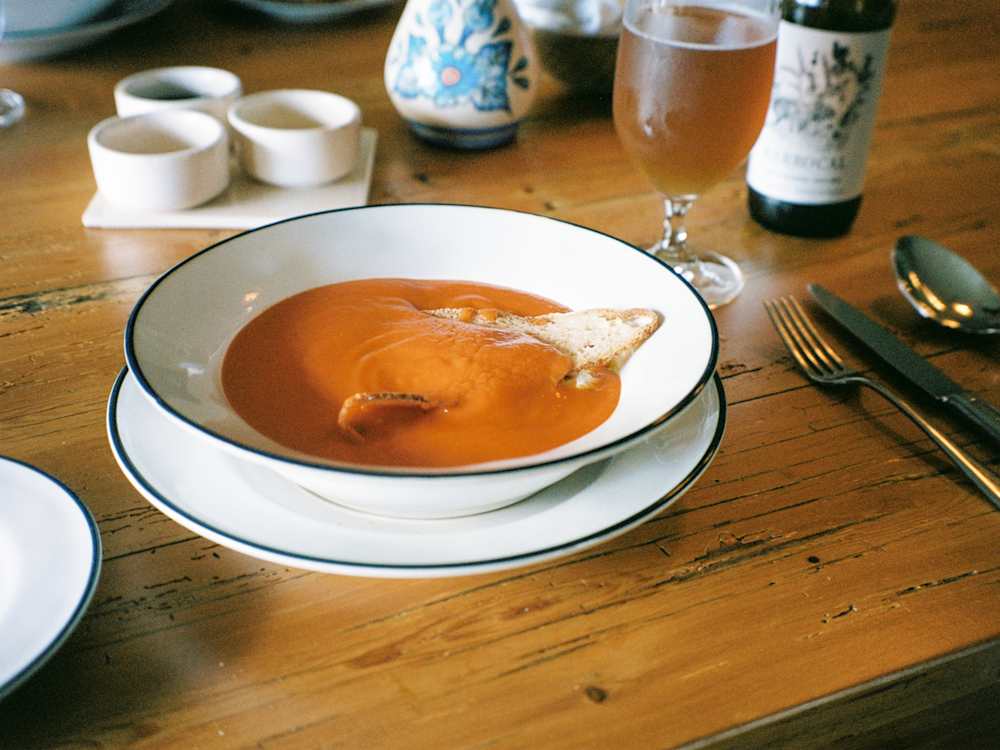
We’re seated for dinner on the terrace of the hotel’s restaurant, with a view of the stables, grounds and Jerónimo, the resident donkey. The menu is seasonal and geared towards sharing, which we take as permission to order with abandon. While speaking to the waiter, we learn that Alentejo’s food culture was forged in frugality, shaped by the area’s history of poverty. It’s led to a humble cuisine which makes the most of any available ingredients — the sort of meals an East London restaurant would now refer to as ‘zero waste’. At São Lourenço, the chefs pay homage to this history, crafting dishes that would feel nostalgic to a local.
We begin with a hearty, sun-ripened tomato soup, topped with a poached egg and a sourdough slice. Then comes charred octopus with lemon, bowls filled with local cheese and succulent tomatoes, golden salt-cod fritters, veal tartare and yet more asparagus (it’s in season, after all). Dessert is a decadent dark-chocolate mousse dusted with sea salt. Each course is thoughtfully paired by the sommelier with wine from the hotel’s own vineyard and winery, where guests can also book tours and tastings.
Eating — and drinking — this well is particularly rewarding after spending late afternoon exploring the plains that supplied nearly every ingredient on our plates. We’d ventured out to Monsaraz, a cobbled, hilltop mediaeval village with artisan boutiques, tiny restaurants, cave-like wine shops and impressive views of the region. From its highest point, we admired the landscapes spread like a tablecloth beneath us: the vineyards and groves which supply wine and oil, the fields speckled with cows and sheep, patchwork vegetable crops, and the Alqueva lake, home to the region’s seafood, mostly pike-perch, bass and crayfish.
A nightcap
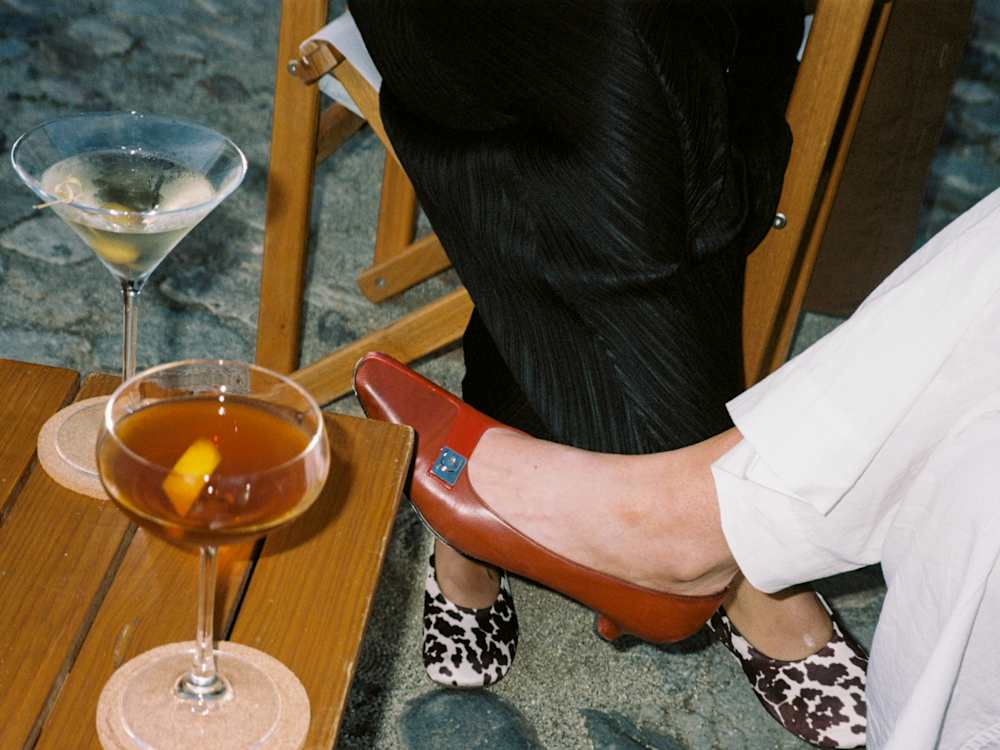
Summer’s in full swing during our stay, and the sun sets late, so we call by the bar for a martini before bed. It’s in the estate’s former olive-oil mill, now cosy and low-lit with squishy sofas and wooden tables. Tempting, but we opt to sit outside: the hotel is in the Alqueva Dark Sky Reserve, the world’s first certified ‘Starlight Tourism Destination’ thanks to its minimal light pollution and Milky Way sightings. It’s the cherry on top — one final ‘bom apetite’.
Check out our full collection of Portugal hotels