



Let us introduce you to the world’s most exciting hotel chefs as we guide you through the gourmet getaway spots we’re hungering for…
WHO’S IN THE KITCHEN?

Chef Oli Brown has had an itinerant career, working in Bayswater bistro Le Café Anglais and finding a mentor in legendary chef-owner Rowley Leigh (later to become his father-in-law); then moving to The Continental in Hong Kong, where he spent much of his downtime in dim-sum joints and dai pai dong food stalls, becoming obsessed with the local methods of roasting meats.
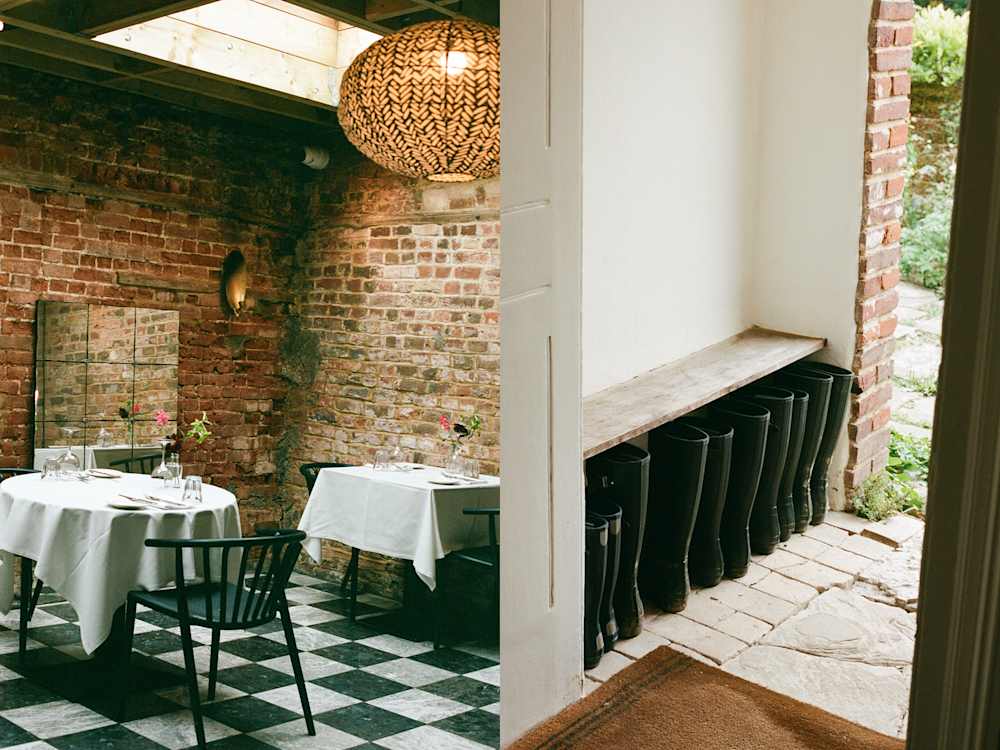
This — and some rigorous self-teaching in the ways of Southeastern Chinese cuisine — led to successful Brixton pop-up Duck Duck Goose. Then he swapped city life for Kent, breathing new life into the 17th-century manor that’s now Updown Farmhouse hotel, an emblem of the region’s growing coolness.
WHAT’S COOKING?
Brown has flitted from French to Cantonese cuisine in his career, and Updown marked a new shift towards Italian-leaning dishes made using local-as-can-be British ingredients. The hideaway’s country seat and fertile grounds make for menus that are tightly seasonal, with dishes both earthy and elegant: peach, tomato and basil salad; anchovy toast with garlic and lardo; lemon-verbena pannacotta with grappa. Brown is occasionally joined in the kitchen by renowned chefs, as part of the hotel’s pop-up dinner series.
RECIPE FOR SUCCESS
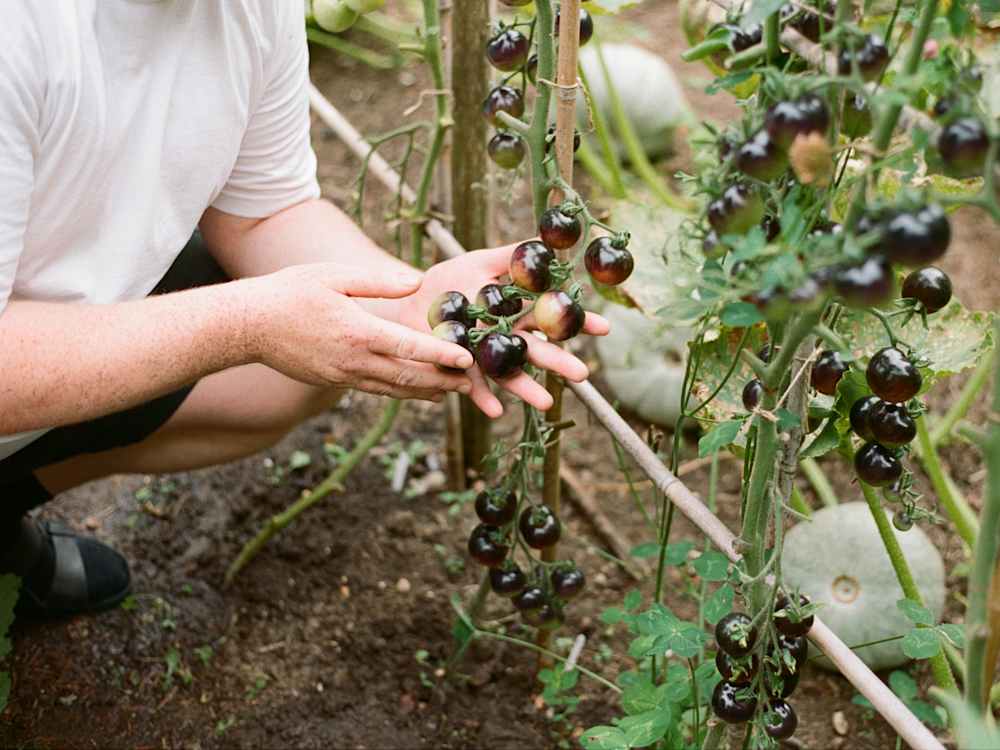
It takes a certain kind of confidence to host food critic Grace Dent amid the rubble of a building you’re renovating and win her favour with your food. Brown’s trajectory has followed his culinary passions, and his ambition is matched by wife Ruth Leigh, who oversees the hotel side of the venture. But this isn’t a new story — whether he’s poring over Chinese cookbooks and perfecting Peking glazes, conjuring culinary magic from a cramped shipping-container kitchen or going heavy on wedding catering, his chef journey is a study in innovation and drive.
Can you take us back to the moment, dish or experience that made you first fall in love with cooking?
[It was] at Le Café Anglais, when I first tried gnocchi alla Romana with ceps. Bliss.
What were some of the biggest culinary inspirations you came across while working at The Continental Hong Kong?
Cantonese food is so good, [one of the] the most technical cuisines (far more so than French) and so delicious. The roast meats were otherworldly.
What are your must-visit eateries in Hong Kong and where do you find authentic Chinese food in the UK?
In Hong Kong, Ho Lee Fook, Kin’s Kitchen, Lao Zhang Gui, Kam’s Roast Goose; and in London, Gold Mine, every time.
You taught yourself the traditional art of Cantonese siu lap (roasted meats) — what made you want to take on such a feat?
I like a challenge. It took endless attempts, a lot of research and finding the right equipment, but in the end I think I got to a passable level [of success].
You’ve worked in a five-star kitchen at The Continental, a shipping container in Brixton and in a building site while renovating Updown Farmhouse — how do you stay creatively engaged when dealing with such different environments?
I think I have a temperament that thrives on always being on precipice of complete chaos. Life would be dull otherwise.
Having worked in large cities, what effect has living in the Kentish countryside had on your cooking?
In London you are spoilt for choice, you can get the best ingredients from anywhere in the world there. Not so much in the country, where there’s definitely a greater focus on [buying] local.
Your culinary expertise runs from French cookery at Le Café Anglais, Chinese at Duck Duck Goose, and now a more British-Mediterranean-style menu at Updown — which cuisine would you like to hone next?
I would consider Italian food my first love; then I discovered Chinese food. I don’t know what will captivate me next, but I love learning so undoubtedly there will be something [new].
Everything you pick up adds to your growth as a chef, and so all those influences appear throughout [your cookery] in their own little ways.
What do you think makes Updown Farmhouse feel so special?
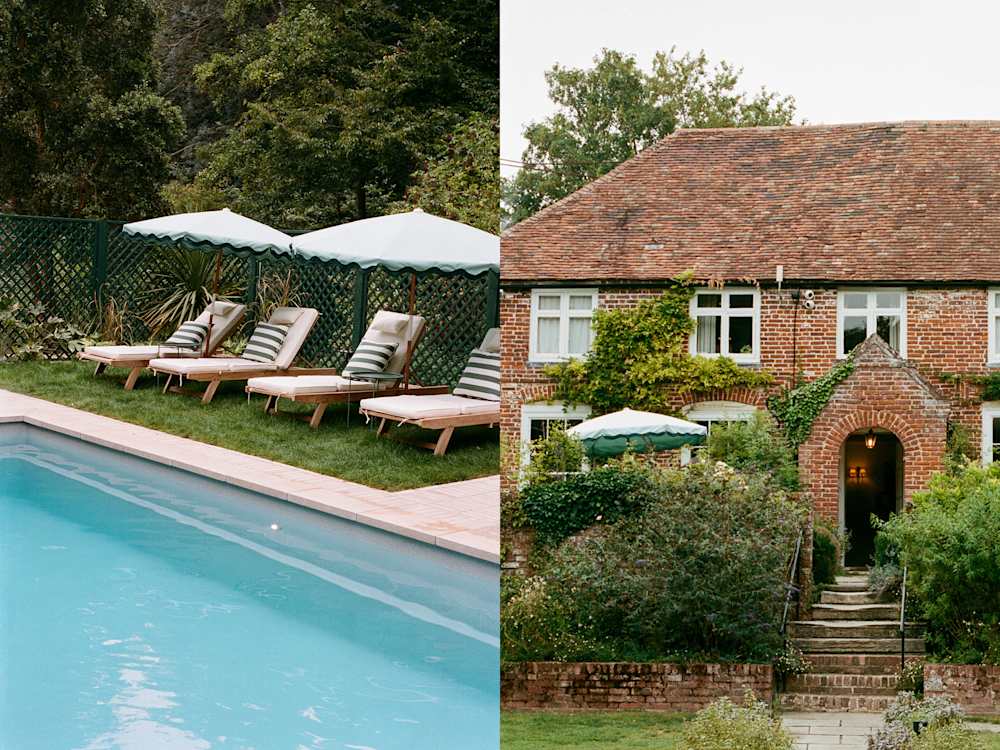
It’s unbelievably beautiful — in the summer here you feel like you could be in the Med.
How has working so closely with the land shaped what ends up on your menus?
It’s something I want to develop further as we go — I’d like for us to grow more produce on-site.
Your menu is hyperlocal and seasonal — what are the biggest strides you’ve seen the restaurant industry take over the years when it comes to being more environmentally friendly?
I’m not sure the industry has [taken strides]; but some places — like Coombeshead Farm in Cornwall and The Goods Shed in Canterbury — do it extremely well. I think many of us are still guilty of buying from around the world.
[Luckily,] we have a brilliant gardener who has the expertise to help us become more sustainable and self-reliant. We want to extend our vegetable garden further and maybe keep our animals, but that feels more like a privilege.

Where do you start when conceiving new dishes?
Reading, thinking and then experimenting.
How do you choose which chefs will feature as part of Updown’s pop-up chef series?
[I choose] people I like and whose food I want to eat
What’s the best advice you received while working with legendary chef Rowley Leigh?
[To keep your] head down and crack on, innit.
Which one ingredient could you not live without?
Tomatoes.
Where’s your favourite place to unwind at Updown Farmhouse?
The pool!
How do you still stay creatively energised in the industry, and what still excites you about food?
It’s easy when you love hospitality. We’re so lucky to run Updown Farmhouse — it’s such a privilege.
ANSWERS À LA MINUTE
You can hop to three different countries for breakfast, lunch and dinner – where are you going and what are you eating?
For breakfast I’m going to Sicily for cannoli and a grappa; Japan for lunch, for some tempura and noodles; and Hong Kong for dinner, for roast duck and rice.
You’ve snuck some miniatures onto the plane — what cocktail are you making?
A super-cold gin martini, straight up with a lemon twist. I’m not really a cocktail person, but it’s the perfect way to start any evening.
Which dish from your travels do you wish you’d created?
A rum baba with Chantilly cream from an Italian deli. We do rum babas all the time, but somehow I can’t seem to recreate the amazing glaze and the juiciness that they have — so that’s the holy grail for me.
What’s your guilty-pleasure holiday treat?
Wine. Lots of wine. We’re going to Puglia soon, and there’s nothing better than a long lunch and loads of wine with mates and family. It’s the best.
TIME TO SERVE
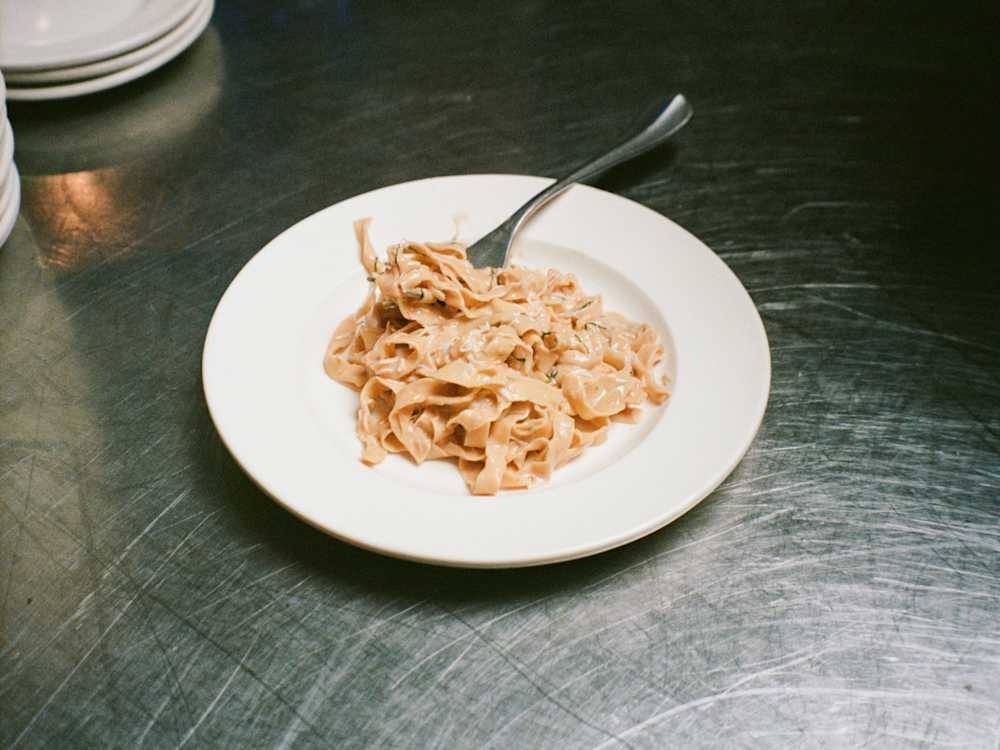
Learn how to make Oli’s comforting crab fettucine.
Ingredients
– One whole crab
– Butter
– Salt
– Small handful of mint leaves
– A chilli pepper
– Juice of one lemon
– Fresh fettucine pasta (spaghetti or bucatini work well too)
Grill the chilli pepper (in a wood-fired oven, if you have one) until blackened; peel off the skins, remove the seeds and chop finely. Chiffonade the mint leaves, by cutting into long thin strips. Crack open the crab and separate the white and brown meat. In a blender, blitz the brown meat with good-quality butter.
Gently melt a generous spoonful of the brown-crab butter in a saucepan — be careful not to cook it too much, you should be left with a well-textured emulsion, which will become the pasta sauce. Boil some water; add a little to the sauce and cook a little longer.
Cook the pasta in the boiling water and add the freshly roasted chilli, white crab meat and mint chiffonade to the sauce. Give it a good stir. Drain the cooked pasta, keeping a little of the water to add to the sauce. Add the pasta to the sauce and stir to coat it.
Add a sprinkle of salt to taste and a generous spritz of lemon juice. Plate and serve.
Bon appetit!
If that’s whet your appetite, now explore our other Yes, Chef interviews