



Whether detecting a spray of pungent wild garlic amid a patch of weeds or correctly identifying a frill of ‘hen of the woods’ at the foot of a tree, foraging makes you feel in tune with nature and thoroughly self-sufficient — even if you’re heading back to a luxurious, ‘your wish is my command’ hotel after you’ve raided the surrounding greenery.
From dogs snuffling out rare truffles to selecting salad ingredients from the undergrowth, we’ve dug in to find the choicest foraging courses and experiences in Europe. So, roll up your sleeves and head out to make the landscape a tasting menu.
THE UNITED KINGDOM
When to forage
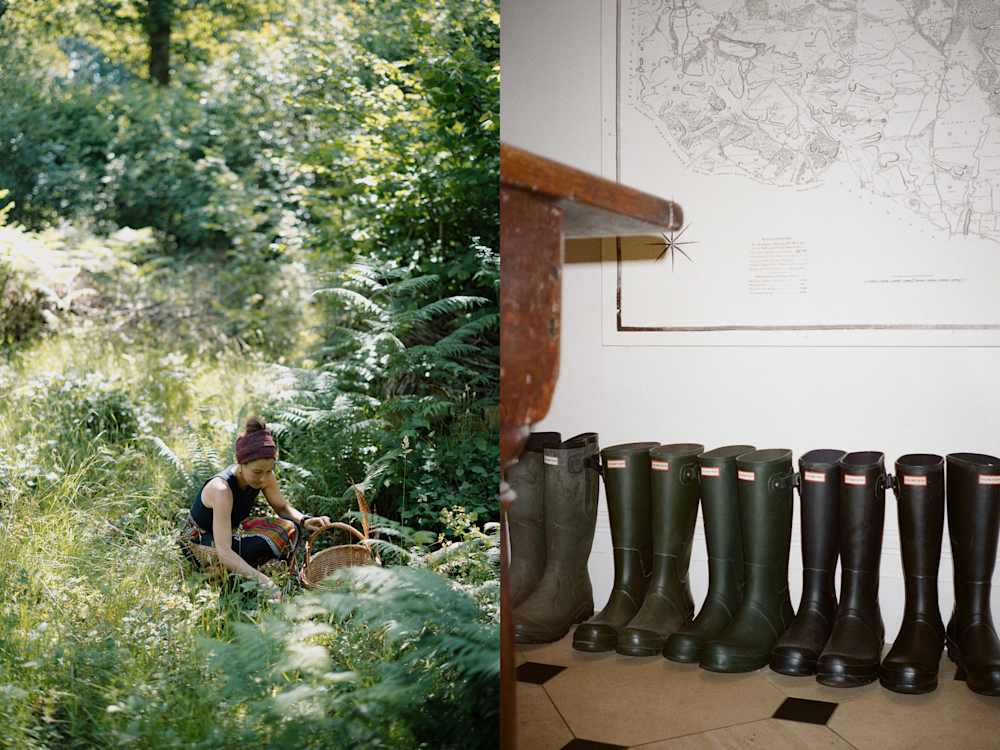
In the UK, hedgerows are laden in leafy spring, summer’s the sweet spot for finding edible treasure in open fields, while the woodlands come into their own in autumn.
LIME WOOD
Hampshire
What you’ll unearth Forager Sammie Longhorn (perfectly paired as wife of Lime Wood chef Iain Longhorn) walks you through the hotel’s diverse landscapes, from wildflower meadow to woodland, filling your baskets with edible and medicinal goodies: nettles, cuckoo flowers, sweet chestnuts… She’ll eagle-eye the more obscure ingredients and regale you with foraging folklore, stories people of the past used to discern between ‘will kill you’ and ‘is delicious’.
What you’ll try In spring, rummage in hedgerows for hawthorn blossom and dog roses, as baskets brim with wild garlic, primroses and violets. In summer, gather oxeye-daisy leaves, cure-all plant selfheal, sorrel and sweet vernal grass. In autumn, Sammie says, ‘the ancient trees are a treasure trove of hazelnuts, beech nuts and sweet chestnuts, if the squirrels are willing to share’. And, whatever the season, you’re served refreshments: nettle and yarrow or lemon-balm teas; rose-petal and elderflower cordials; catkin and plum flapjacks.
Sammie’s top tips
– Identification is key. Never eat anything that you are not 100% sure of. Use good, illustrated field guides and connect with your sense of smell as well as all the visual indicators of the plant
– Learn about each plant in its wider context; find out where and when you can expect it to grow and discover what family of plants it belongs to. Familiarise yourself with the toxic lookalikes of any plants you’re hoping to find
– Be a conscientious forager: harvest sparingly unless the plant is common and be sure to leave enough for other foragers; and — far more importantly — for wildlife, too. When harvesting nuts, seeds and berries, leave enough so the plant can regenerate itself
THE PIG
New Forest
What you’ll unearth The original locavore hotel, famous for its 25-mile menu and bountiful kitchen gardens, The Pig is as natural a forager as its porcine namesake. Fresh from a fruitful foraging session at The Pig in the Cotswolds, expert Tom Radford extends his knowledge of the New Forest to guests, treating its verdure as a supermarket, where you’ll not only find edible cuttings and medicinal plants, but ingredients used in soap and cosmetics; lessons which he’ll put in context of the area’s history.
What you’ll try The New Forest gives generously: in spring, there’s wild garlic blitzed into pesto and oyster mushrooms for risottos; in summer, nettles for salsa verde and meat-substitute beefsteak mushrooms. And in autumn, sloe berries are plucked from hedgerows for jams and gin; rosehips make floral syrups; and blackberries are scattered over salads and cheeseboards. Your pickings will become toppings for a wood-fired pizza at lunch afterwards, accompanied by a glass of Castlewood Vineyard’s English sparkling.
Tom’s top tips
– Start with a few things for each season so you know you’ve got something to find all year. Once you’ve got five to 10 things that you’re super confident about you’ll be on your way
– With mushrooms, start by searching for the obvious ones, like chicken of the woods, beefsteaks, oysters, ceps and horse mushrooms. I’ve been fortunate enough to find some amazing mushrooms (including the beautiful but very dangerous Destroying Angel)
– Never eat anything unless you are 100% sure what it is
GROVE OF NARBERTH
Pembrokeshire
What you’ll unearth Pembrokeshire’s coastline is a jigsaw of volcanic crags, Blue Flag beaches (more than any other county in the UK), dense woodland and grassy valleys — with its lapis waters channelling in super-fresh seafood. On the Grove of Narberth’s coastal-foraging course, you’ll discover how biodiverse this seashore is and wade out into the shallows to discover deliciousness amid the dramatic scenery.
What you’ll try By the end of the day, you’ll have Poseidon’s eye for crustacea, wild seaweed and coastal herbs. Forager Craig Evans will take you on a rockpool safari, and pluck oysters, clams, cockles and samphire from the mud flats and estuaries, so you’ll have a haul of shelled beasties (crabs, lobsters, cockles…) for a cook-out over a Solva Stove on the beach.
Craig’s top tips
– Waterproof clothing and footwear are a must
– Let staff at the hotel know in advance if you have a particular area of interest
– Your finds are cooked up at the end of a six-to-eight-hour foraging experience, so be sure to bring snacks
ITALY
When to go
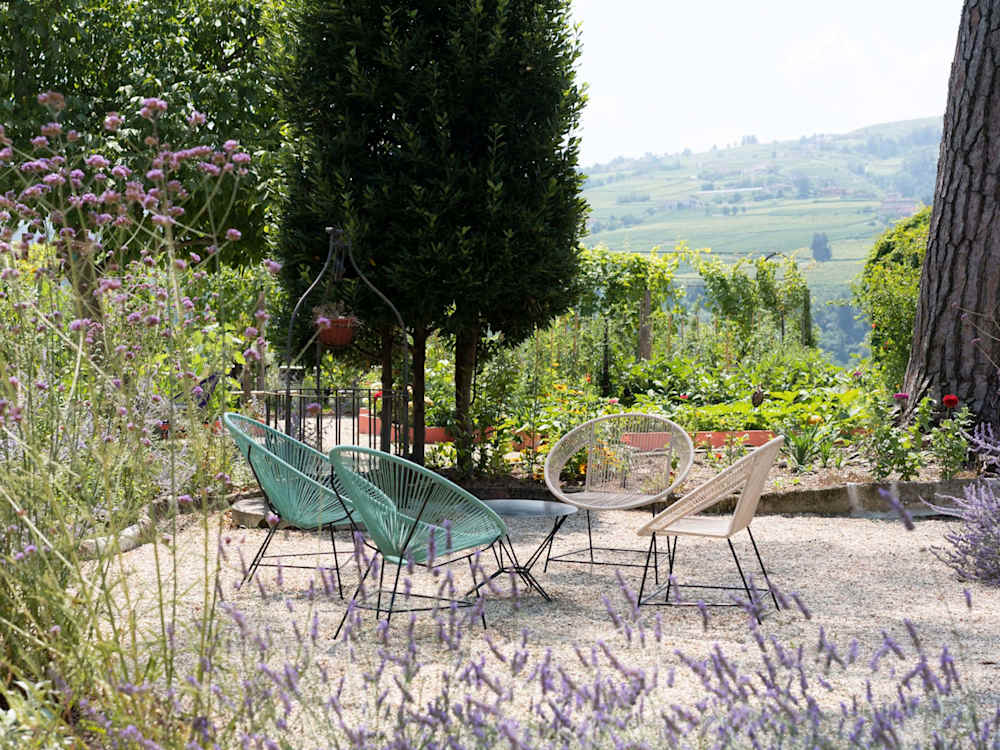
Italy’s national treasure is the Alba white truffle, which even has a festival in September dedicated to it. The fungus is the pride of the Piedmont region and those seeking it are most likely to find it in late autumn through to December.
VIGNE DI FAGNANO 1709
Piedmont
What you’ll unearth Truffles (hopefully) with a trusty dog and trifulau (truffle hunter) to help. On request, groups of two or more will go into the woods to partake in this deeply entrenched tradition (one of Italy’s Unesco Intangible Cultural Heritage denotations and a skill ‘transmitted from parents to sons in each family as a scared secret’). You’ll learn about the oral traditions behind tracking down veins of edible gold, how truffle dogs are trained and how to extract your bounty without disturbing the soil.
What you’ll try Truffles are extremely precious, with closely guarded territories and many hunts carried out at night so as not to give away the most fruitful locations. So, this experience is more about the thrill of the hunt. If you wish to taste your spoils, you’ll need to buy them from the trifulau or add on a tasting-menu lunch of local, truffle-laced dishes. However, the woods are also ripe with chestnuts and second-billing mushrooms, and the fiery autumnal foliage is a feast for the eyes.
Hotel owner Manila Fagnano’s top tips
– Participating in a truffle hunt is like taking a closer look at the DNA of the Langhe region. [Pay attention to] the dynamics between hunter and dog, and the rituals involved, [and you’ll] glimpse the cultural values and traditions that lie behind
– In truffle hunting, you remain a spectator, but of a magic which has a centuries-old history. The advice, therefore, is to dress comfortably (you’ll be walking in mud for a long time); understand that the ritual lies in the hunting, not necessarily in the truffle finding; and set aside expectations so you can be surprised by the experience itself
– To learn more about the naturalistic, historical, cultural, and gastronomic aspects of the truffle, visit Alba’s dedicated Truffle Museum
SWEDEN
When to forage
Sweden’s Right of Public Access means you can harvest to your heart’s content in Lapland, as long as you’re careful not to disturb or destroy. Summer and autumn restock birch and pine forests, while winter is the time for ice-fishing.
TREEHOTEL
Norrbotten County
What you’ll unearth Treehotel’s forager Eva Gunnare has a deep spiritual bond with Arctic nature. She grew up in Stockholm but moved north and married a Sámi reindeer-herder, so she’s practically a part of the gloriously forested scenery now. She’s a fount of local knowledge, kicking things off with a folk song and imparting knowledge about the Sámi ‘s eight seasons. For Treehotel, Eva runs several year-round experiences, including tea-making workshops and herbal healing.
What you’ll try It’s almost as if the trees are tipping off Eva. She finds around 15 to 20 eats a session, telling you: ‘all the things you can make with rosebay willowherb and fireweed, such as fermented tea and lemonade.’ From birch trees, she collects sap and leaves for guests to taste in syrups, salts and cold brews. Meadowsweet flower is used for refreshing drinks and as a painkiller; while labrador tea makes a natural mosquito-repellent, eczema cream or spice. To finish, a forest fika, which might include pine-bark bread with juniper butter, lingonberry cake, dandelion and meadowsweet muffins, chocolate truffles stuffed with rowan berries or candied angelica.
Eva’s top tips
– Look more closely at what is growing near where you live. A lot of what we call weeds are really tasty and more nutritious than most of the vegetables we usually buy or grow. Dandelion, chickweed, sorrel, nettles…put them in salads, pies, soups, or use as a tea
– One tip is to make dandelion buds into salty delicious capers! And the flowers can be cooked to make a honey-like syrup
– Turn wild berries into fruit leather. It’s so delicious and a better way to store them than in the freezer
GREECE
When to forage
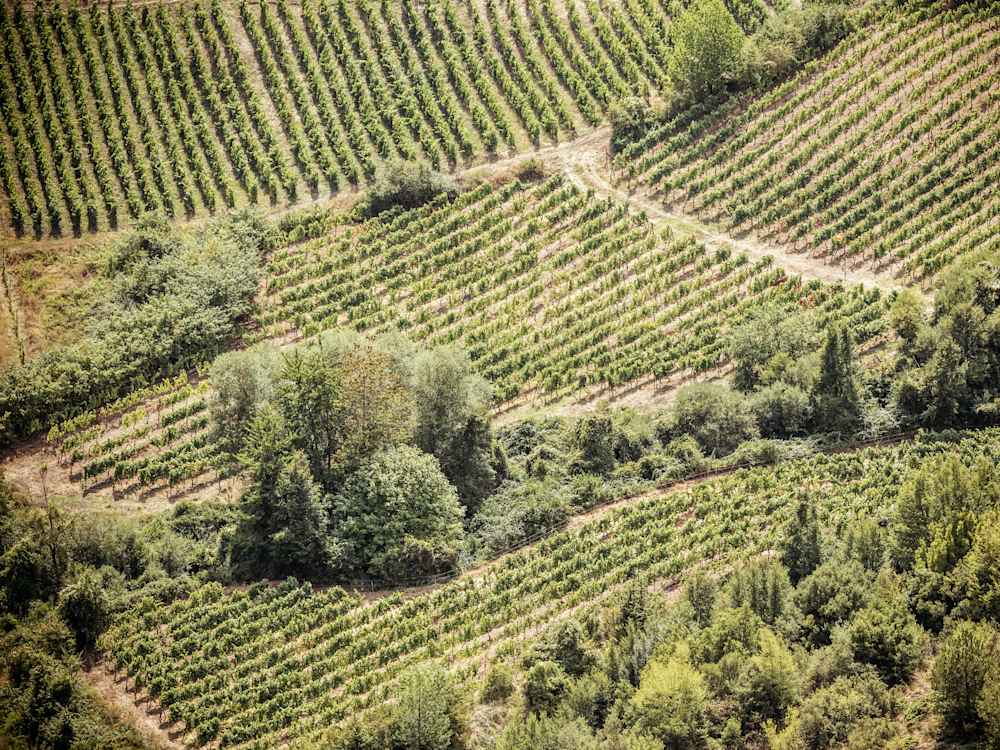
The Greek isles might be the country’s attention-hoggers throughout summer, but in spring and autumn, look north to the lesser-explored Epirus region, where the slopes of mighty mountains have forests to raid for cherries, morels, truffles and more.
GRAND FOREST METSOVO
Epirus
What you’ll unearth Greece’s ‘female Indiana Jones’ Katerina Nola’s holy grail is Epirus’s cache of truffles, with white and black varieties abundant throughout the year in the pine forests surrounding this glamourous mountain resort. She’s a force of nature, having become the country’s first truffle hunter in 2008, then going on to train others and develop innovative harvesting techniques. So you’re in safe hands as she takes you off the map with her equally trusty hound.
What you’ll try There are eight different types of truffles you might come across here, all with that enticing earthy flavour. Katerina shows off her finds by cooking them up for an alfresco lunch in her riverside garden, accompanied by her homegrown vegetables. Dishes change by season, but there’s always a hearty pasta topped with truffle shavings.
Katerina’s top tips
– Develop a knowledge of truffle-producing trees
– Build a strong connection with your dog. (If you happen to have a truffle-hunting dog, that is)
– Understand which trees and soils yield which truffle varieties in each season
From forest pick-and-mix to Michelin-starred meals: we’ve more gourmet getaways