


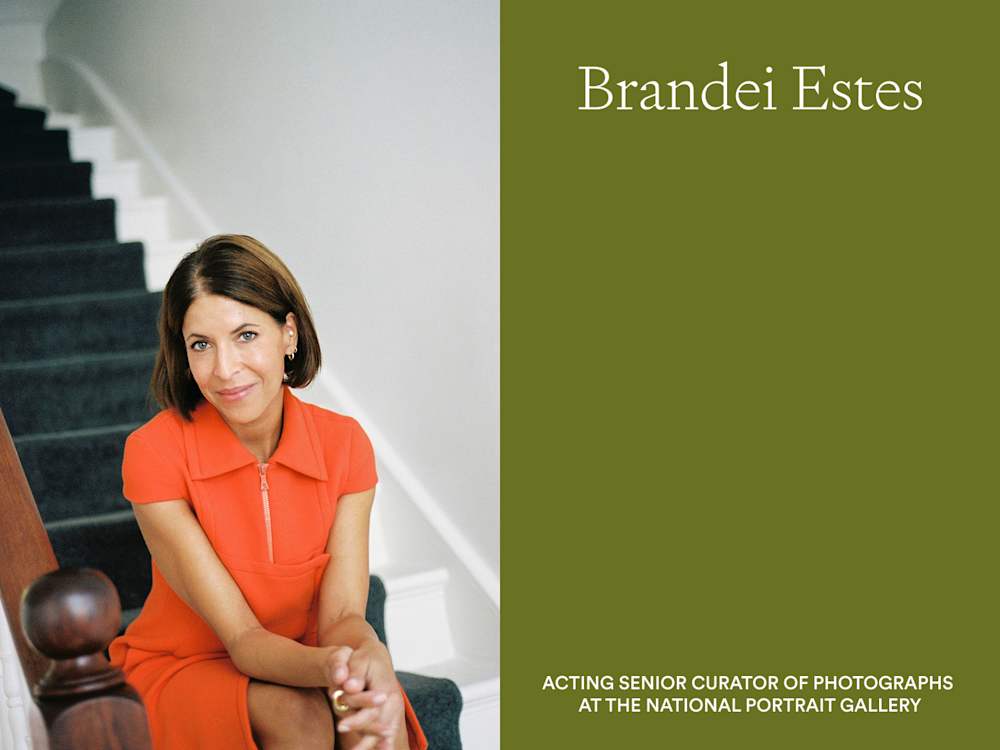
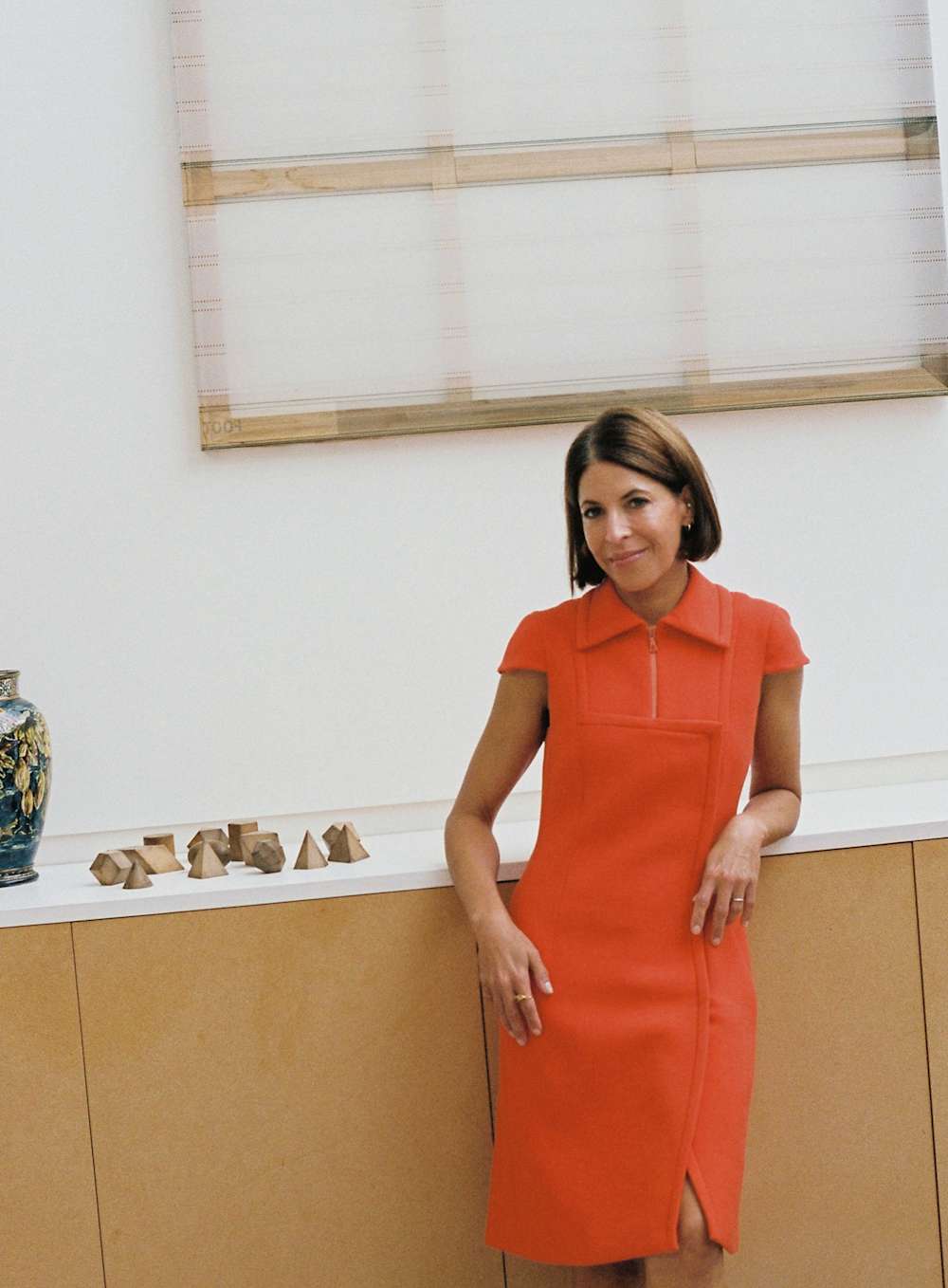
Brandei Estes has spent her career seeing the world through extraordinary images. As Acting Senior Curator of Photographs at the National Portrait Gallery, former Head of Photographs at Sotheby’s and one of the industry’s most respected voices she was a natural choice to curate Mr & Mrs Smith’s first-ever photography exhibition, To Seek, To Find. Part of the official Frieze Week programme, the show takes over Frieze’s gallery space, No.9 Cork Street, from 16 to 17 October 2026.
Taking its title from the final line of Tennyson’s poem Ulysses, To Seek, To Find plays on the idea of travel as a gateway to discovery. The exhibition brings together 10 photographers, from celebrated names including Tina Barney to emerging talents like Isabelle Young, each interpreting a hotel or destination through their own visual language.
Together, the images invite audiences to experience the revelatory power of travel, connected by a shared appreciation of soul, character and curiosity. All of the works will be available to buy during the exhibition run and then as limited-edition prints online, with profits supporting the vital work of Smith’s charity partner, the Human Dignity Trust.
We spoke with Estes to delve deeper into the concept of the show, the blurred lines between travel and fine-art photography, and the instinctive art of hanging a show.
Do you remember what drew you to the first photograph you ever owned?
I bought a pair of Helmut Newton photographs when I was in my twenties. Their charm and character have withstood time. What drew me to them was Newton’s unapologetic wit, so distinctive to his visual language. The pair feature one figure dressing, the other undressing.
I’ve always admired Newton’s empowerment of his subjects. Though his work is often debated, to me the female body was powerful and sexy in his photographs. The richness comes from his exploration of the body as subject, his sensitive experimentation with light and his attention to posture. His models were formidable, never overly eroticised. Ultimately, I believe the photographs that endure are those that allow you to linger on the intention [behind them], which is very much the case with this pair.
What’s beautiful is the circularity of the moment I bought them: I was working in a gallery at the start of my career when I came across the Newton estate, and when I started at Sotheby’s years later, I ended up selling a lot of his pictures. I can’t imagine ever parting with them.
Has a particular travel experience influenced the way you looked at photography?
Travel has always been an integral part of my life. Having grown up in the United States, attended school in Hong Kong, and lived across France, Italy and now England, I find it informs everything: art, culture and travel are inseparable for me.
Foam in Amsterdam immediately comes to mind; it’s still one of my favourite photography destinations. It was the first photography centre where I felt I could truly digest all my interests at once: thoughtful shows spread across three floors, by artists at every stage of their careers, alongside publications and prints. It may seem standard now, but back then it was quite ahead of its time. Foam championed international artists before that was the norm, treading a very delicate line between deeply intellectual and accessible, and always pushing curatorial boundaries in an intuitive way.
Les Rencontres d’Arles festival was another formative influence on my curatorial practice. When I first visited in 2005, it was pushing against the traditional white-cube format, and I took that with me into my work at Sotheby’s, where I always tried to treat each sale exhibition like a museum show. I’ve always been impressed by people who innovate instinctively and constantly question standard practice; there’s so much to absorb from people and places like that.
Travel imagery has arguably become increasingly engineered. To Seek, To Find pushes against that. What made these photographs feel true to the spirit of Mr & Mrs Smith, while still distinctly belonging to the artist who made them?
The tension between engineered imagery and something more honest is at the heart of the exhibition. Mr & Mrs Smith has always placed soul and character at the centre of its ventures, and the photographs in the exhibition embody that exact spirit.
Rather than presenting a polished ideal of a place, they prompt reflection, while maintaining a distinct identity. All the photographers in the exhibition were selected for the quality of their practices, and each brings their own way of seeing. It felt natural to bring them together with Mr & Mrs Smith, as that underlying spirit of curiosity and creativity was shared from the beginning of the process.
What do we gain from encountering a place through someone else’s eyes, particularly if we haven’t visited ourselves?
I like to think we gain another way of seeing, which can, in effect, contribute to a better understanding of ourselves. It will be interesting to observe what different individuals engage with in these photographs. Even when a place is unfamiliar, a picture can evoke existing memories or connections to something personal; alternatively, we see something entirely new, which is a gain in itself. Equally, photos of known places can make the familiar feel unfamiliar.
I believe the best photographs don’t tell us everything in one shot, but leave us with pockets and fragments of a moment or place that we can carry with us however we like, which is entirely personal.
Travel photography often sits outside critical conversations about fine art. Does showing To Seek, To Find at Frieze offer an opportunity to challenge that notion?
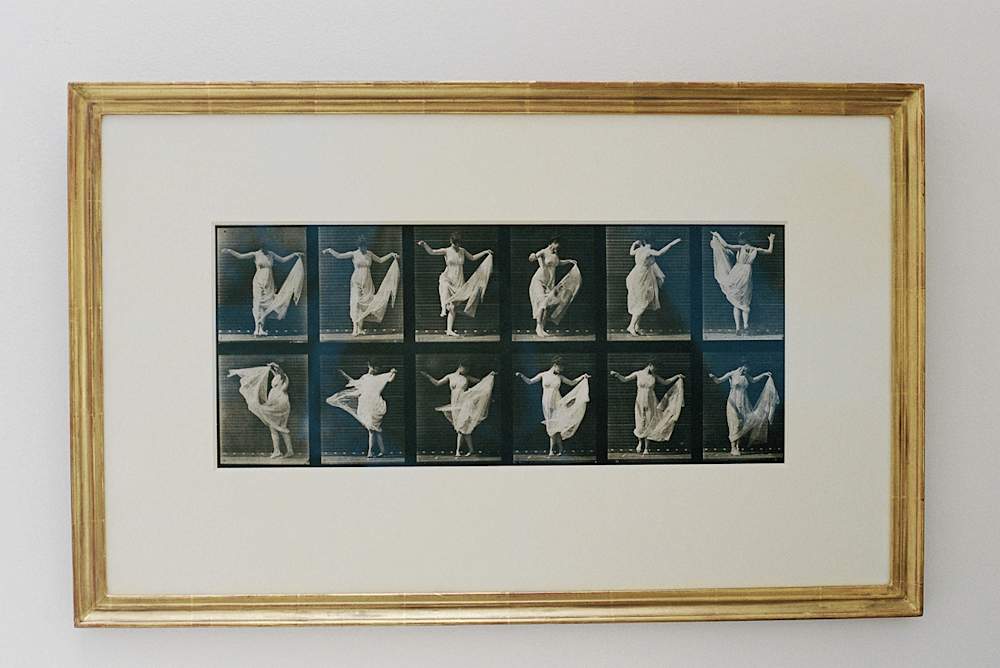
Yes, and I think the line between these genres is much more porous than we might initially assume. What’s distinctive about many of the artists behind these photographs is their interdisciplinary practices, from fashion to fine art; they aren’t categorised as documentary or travel photographers per se.
Situating this exhibition at Cork Street during the week of the fair challenges the belief that travel photography is any less valuable than other photographic genres, while also drawing attention to this conversation. Just as fashion photography was once looked down upon, we should call for a similar deconstruction of any underlying prejudice against travel photography.
As long as a medium is in a constant state of reinvention and self-reflexivity, it will continue to evolve. In the same way that the introduction of photography pushed painting to challenge its own expression, giving rise to many of the great artistic movements that followed, photography will keep searching for new ways to capture and translate experience. Travel photography is very much part of that search.
The show is described as offering a more honest way of looking at travel. What is the difference between a photograph that feels authentic and one that’s simply beautiful?
I’m firmly against the idea that authenticity should be judged on aesthetics. Beauty doesn’t necessarily equate to inauthenticity; if anything, it’s incredibly difficult to take a traditionally beautiful photograph. Again, it returns to the intentionality behind the image. All the artworks in the show were born out of the same commission brief, yet the outcomes vary, and what would be deemed traditionally beautiful is entirely subjective. The process, however, came from a very authentic place, so perhaps the answer lies there.
The 10 photographers were all given considerable creative freedom within their commissions for Mr & Mrs Smith. How did you make their work speak to each other in the show?
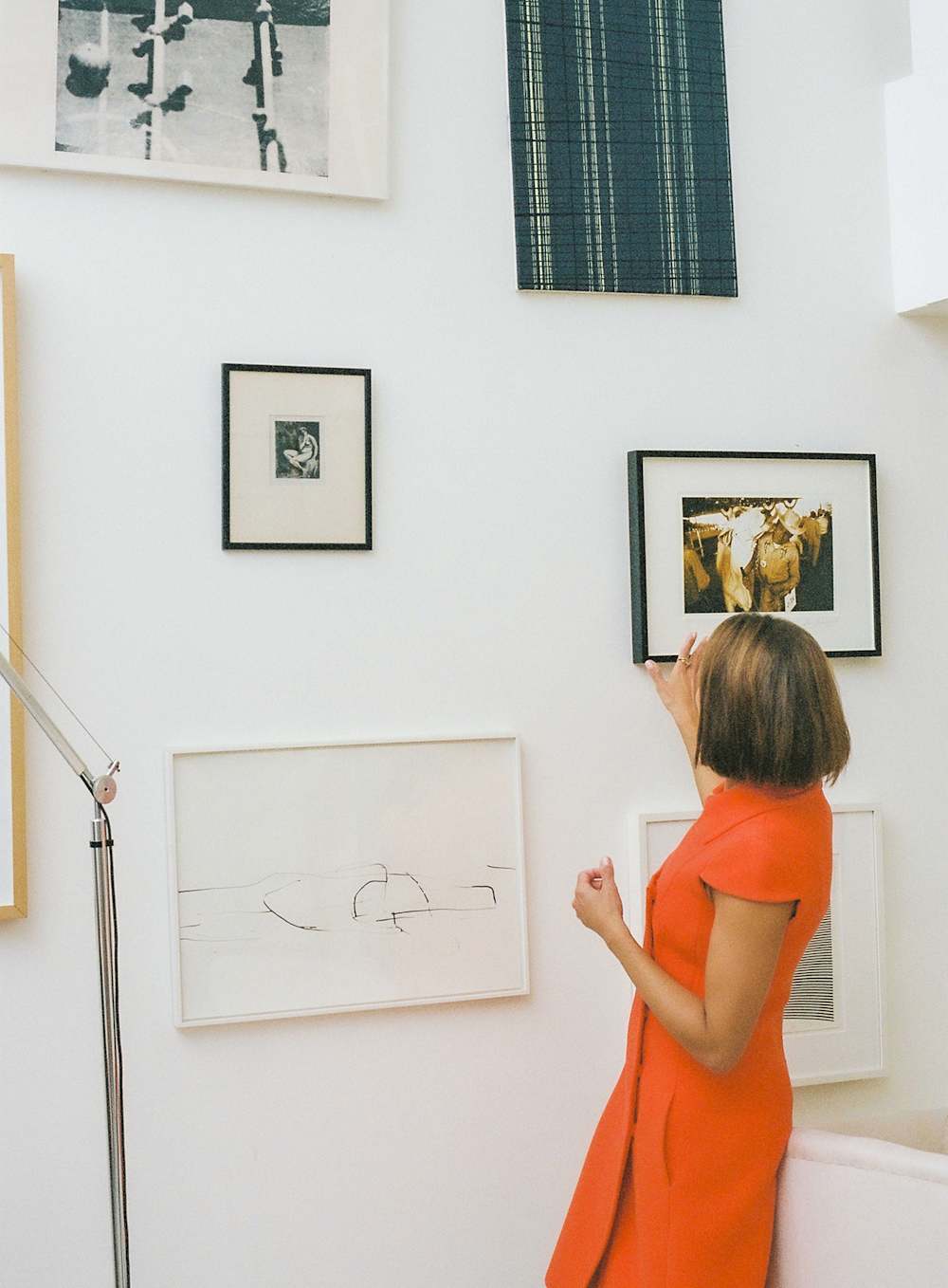
There was certainly no hierarchy in the way the show was hung; it was rather instinctive. I always have to consider how best to preserve the voice of each artist, but I also take great joy in the unexpected dialogues a more spontaneous hang can create. I have an analogy I often return to when hanging a show: a musical score, with lots of ups and downs that together create a feeling. I gravitate towards a hang that’s more than a single, even row of pictures.
There were lots of other elements to consider in making sure the works were best supported by curatorial logistics: paper quality, frames, size and lighting. I’ve always struggled with stark, brightly lit white spaces, so lighting was something I paid close attention to here. Most of the works are larger in scale for this show, because the exhibition’s message centres on experience above all. I felt it would be easier for audiences to feel immersed in the images at a slightly larger size.
All of this was made possible by the creative freedom given to both me as curator and the artists themselves. There was a real sense of trust between everyone involved. What I find interesting is that the artists come from such a range of backgrounds, disciplines and stages in their careers, yet it seemed we all wanted the same thing from the show and shared a similar sense of values and taste. That alone made the process genuinely smooth.
You’ve spent much of your career looking at photography across museums, auctions and international awards. Is there a particular photographer’s work that has stayed with you because of how it captured the feeling of a place?
Luigi Ghirri’s photographs of 1970s and 1980s Italy carry a particular kind of nostalgia. His compositions are subtly playful, yet his images are saturated with sensation: the sea, the soft light, the sun-bleached architecture. They are deeply suggestive without ever being obvious.
Looking at them takes me straight back to my early twenties, living in Rome in the early 2000s. A trip I took to Calabria during that time felt almost otherworldly, as though I’d stepped back 20 years. Ghirri’s work holds that same sense of stillness: the feeling of a place where time moves a little slower.
If someone walked into To Seek, To Find knowing nothing about the exhibition, what would you hope they felt by the time they reached the final image?
I think a lack of context in this exhibition can act as a catalyst for the curiosity we’re hoping to spark. I don’t want audiences to leave with a prescribed view of a place; if anything, I hope they pick up on a singular detail from the show, which returns us to the idea of fragments. Often when we travel, we don’t remember the exact run of the day or everything we did and saw, but we take these little snapshots with us, and most importantly, we carry the feeling of a place more than the memory of events. If the exhibition could loosely capture that, I would be very pleased.
Do you have any curatorial projects on the horizon that you’d like to share with us?
This year has been wonderfully varied. Alongside my role at the National Portrait Gallery, my work has taken me back and forth to Turin where I curated Diana Markosian’s Replaced at Gallerie d’Italia and organised the talks programme for The Phair. Closer to home, I brought together Bob Carlos Clarke’s work for The Last Dolls at Atlas Gallery.
Beyond curating, I taught my Collecting Photography course for Photo London, and interviewed Nancy Honey for Maison Alaïa’s first event in its new library, on the intersection of art and fashion, curated by Claire de Rouen.
I can’t disclose exactly what’s on the horizon just yet, but I do plan to continue in much the same spirit, with a blend of curating, writing and lectures. I thrive on moving between these different strands of photography and watching how each one shapes the way I approach the others.
To Seek, To Find is open at No.9 Cork Street, Mayfair, on 16 and 17 October 2026 (free admission; no booking required). Editioned prints are available to buy here from 17 October.
Maggie Horneff is a writer on art and culture. With an MA in Cultural Criticism and Curation from Central Saint Martins and a background in the commercial art world, she specialises in visual enquiry and conversations with artists and creative practitioners.